



Cream Wool Flatweave Rug
A cream wool flatweave rug brings tactile warmth and enduring regional design to an interior through flat-woven textiles.
Cream Wool Flatweave Rug
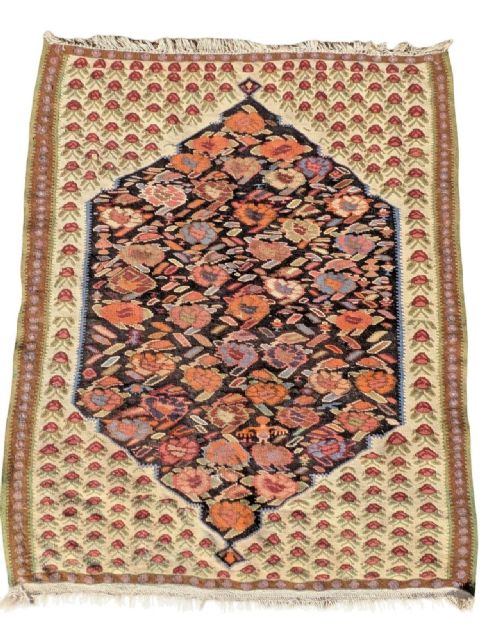
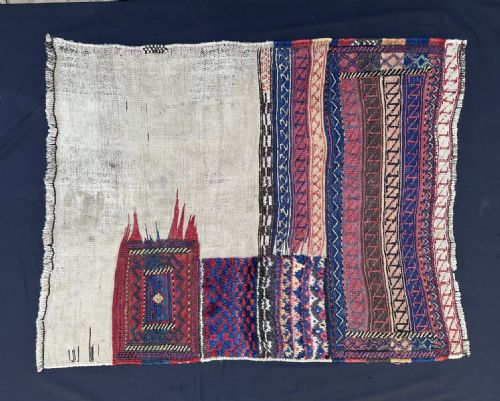
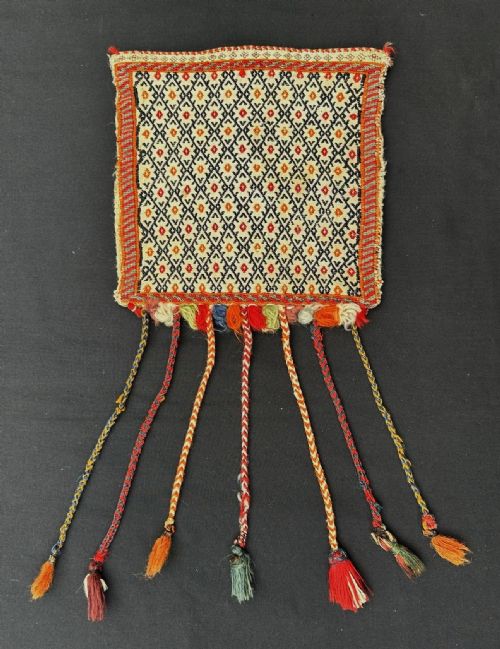
A cream wool flatweave rug comprises woven floor coverings and utilitarian textiles originating from nomadic and traditional communities across Persia, Central Asia, and Eastern Europe. These pieces include kilims, wheat sacks, tent bands, and needlepoint carpets produced between the mid-nineteenth century and the mid-twentieth century.
Buyers encountering this search phrase will most frequently find tribal kilims and flat-woven utility bags displaying geometric patterns and muted or natural colour palettes. The inventory spans regional styles such as Persian tribal weaving, Bessarabian flatweaves, and Central Asian work from periods like nineteen-twenty and nineteen-hundred.
Materials and construction methods
The makers relied primarily on hand-spun wool and cotton foundations, often incorporating natural dyes to achieve stable, earthy tones across the flat-woven surface. Goat hair and canvas also appear in structural elements or backing materials to reinforce heavy-duty items.
Weaving techniques involve interlocking or slit-tapestry flatweaves, alongside needlepoint and chain-stitch embroidery methods seen in European and Kashmiri workshops. Artisans worked on upright or horizontal looms, building motifs row by row without a pile.
Listings span production dates from eighteen-fifty through to nineteen-forty, utilising wool, cotton, goat hair, and canvas.
Assessing craftsmanship and condition
Quality rests on the tightness of the weave, the regularity of the geometric structure, and the purity of the hand-spun wool used by the maker. Superior examples demonstrate disciplined execution in complex lattice or banded designs.
The integrity of the original selvedges and ends dictates the condition tier, alongside the stability of the natural dyes and the absence of clumsy later repairs.
The Cream Wool Flatweave Rug Glossary
- Kilim
- A flat-woven carpet or rug produced without a pile by tightly interweaving warp and weft strands. This technique creates a lightweight textile suitable for floors or wall hanging.
- Tacheh
- A traditional tribal wheat sack or storage bag made by nomadic groups in Western Persia. These items were woven flat and later stitched into utility containers.
- Sofreh
- A flat-woven spread or cloth used historically for sharing meals or kneading bread within tribal households. They display minimalist or symbolic geometric fields.
- Needlepoint
- A form of canvas work embroidery where yarn is stitched through a stiff open-weave ground fabric. It creates a dense, patterned surface quite distinct from loom-woven pile.
Cream Wool Flatweave Rug: Frequently Asked Questions
How were these flatweave rugs used originally?
Nomadic groups utilised these flat-woven textiles as floor coverings, bedding packs, animal transport bags, and tent furnishings. Their durable construction suited migratory lifestyles.
Agricultural communities employed specific formats like bread sofres for daily domestic rituals and food preparation within the tent or household.
How do I clean a wool flatweave rug?
Gentle surface brushing and careful regular vacuuming without a rotating power head remove loose dust from the flat weave. Professional specialist cleaning remains necessary for deeper maintenance.
Water saturation and harsh detergents damage natural wool fibres and vintage dyes, so liquid spot treatments require extreme caution.
Where do these tribal flatweaves originate?
The pieces come from diverse regions including the Chahar Mahal valley in Western Persia, Central Asia, and Eastern European areas such as Bessarabia.
Different nomadic confederacies and village groups developed distinct geometric vocabularies and weaving structures tied to their local environment.
How can I tell different regional styles apart?
Persian tribal pieces often feature structured diamond medallions and intricate borders in earthy wools, reflecting nomadic heritage. Bessarabian and European examples lean towards floral or banded compositions.
Central Asian textiles frequently display bold tribal motifs, tent bands, or specific structural markers like goat hair reinforcement.