


Cream Wool Carpet
A cream wool carpet brings warmth and grounding texture to a room, offering a versatile foundation woven in wool.
Cream Wool Carpet
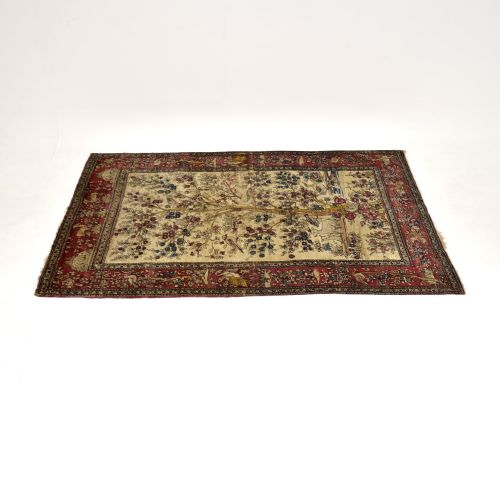
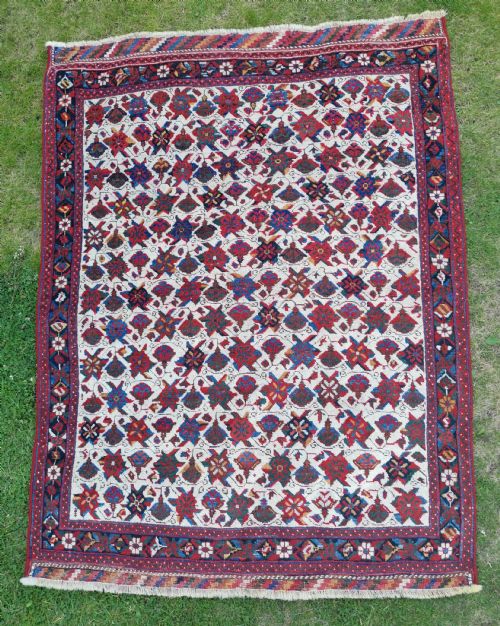
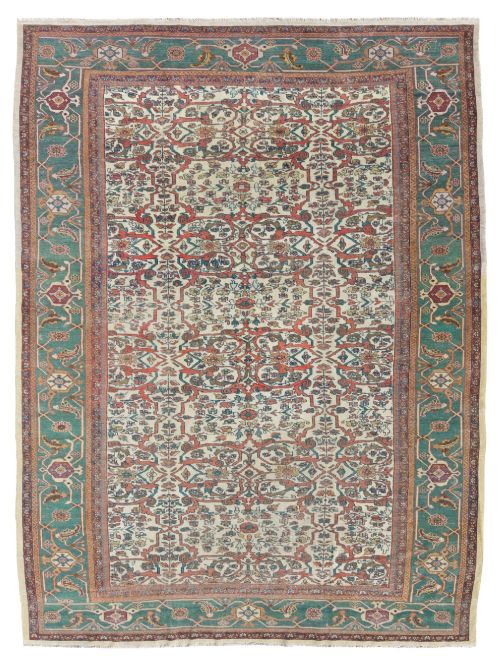
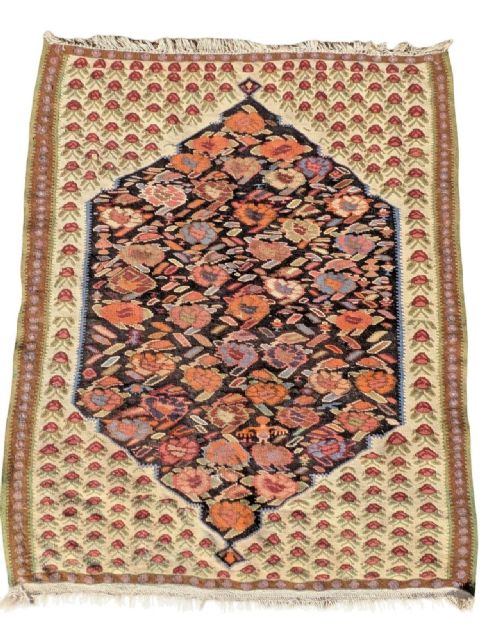
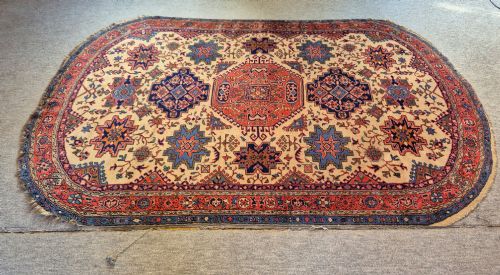
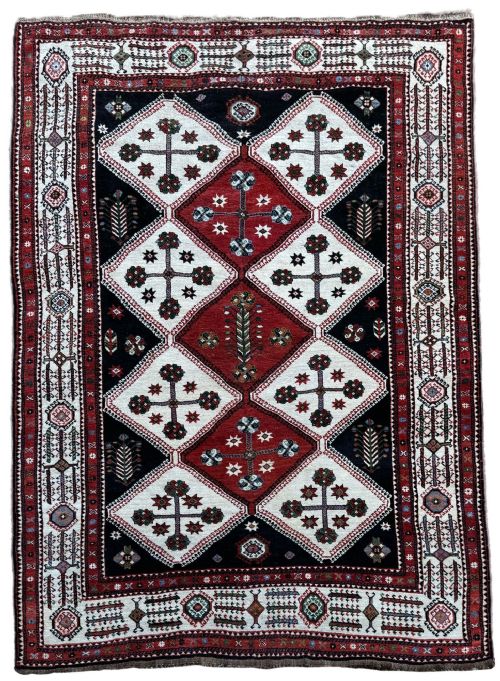
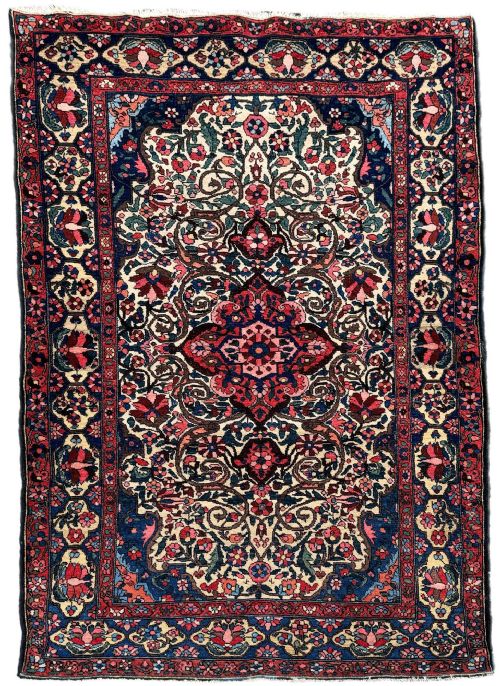
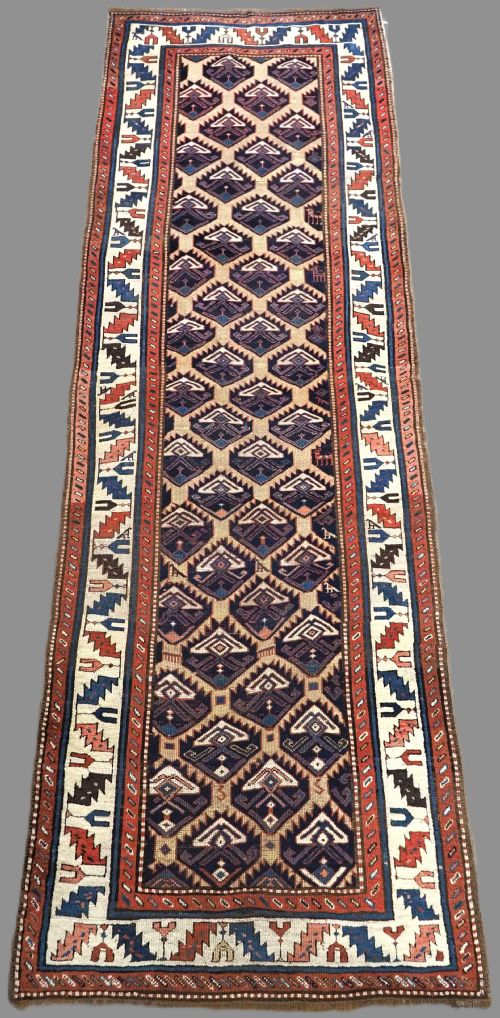
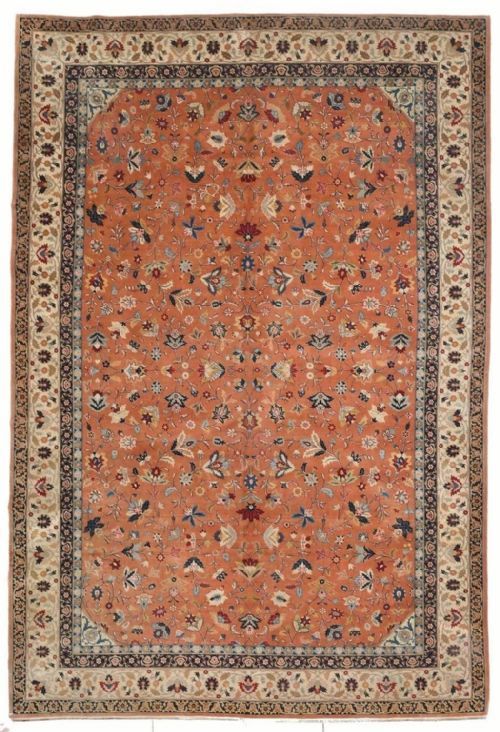
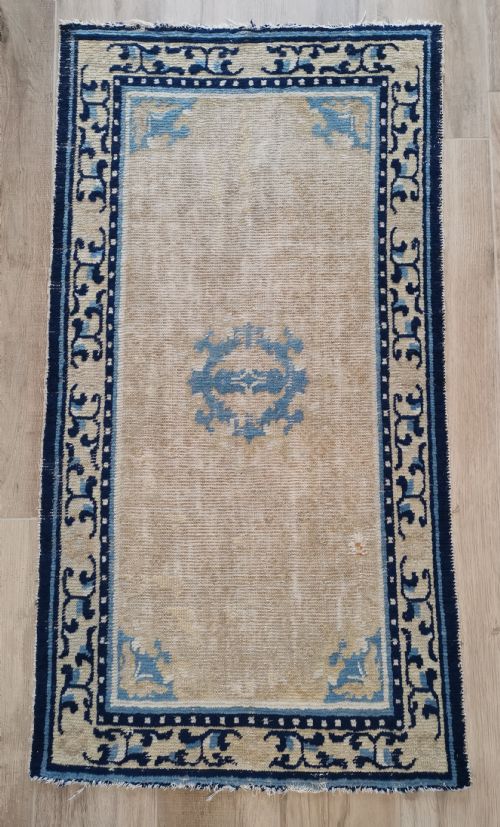
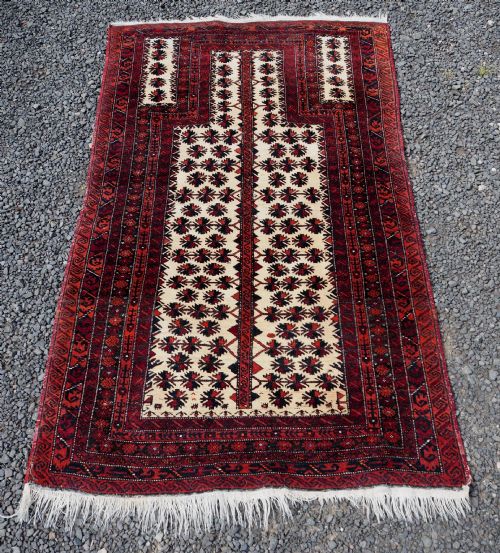
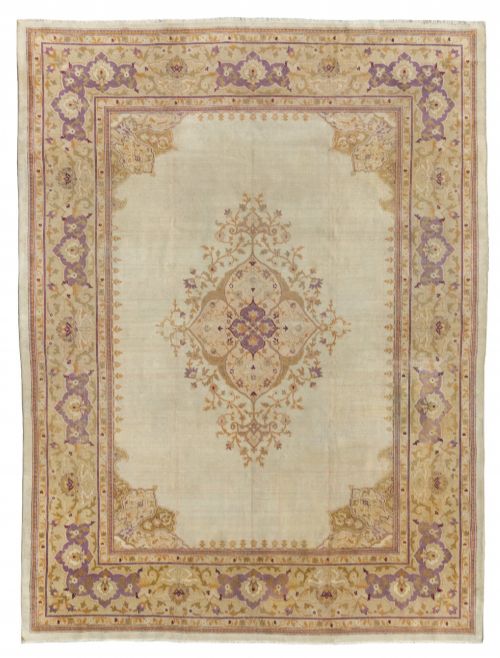
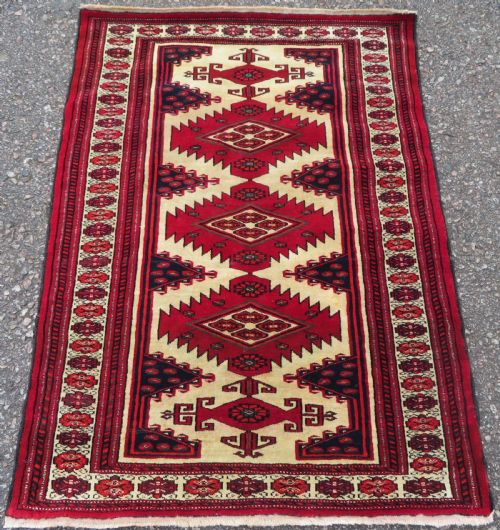
A cream wool carpet search brings together hand-woven floor coverings spanning the late nineteenth and early twentieth centuries, principally originating from Persia and surrounding weaving traditions. Buyers encounter varied formats ranging from compact hallway runners and prayer rugs to large room-size carpets.
The selection heavily reflects regional styles such as Heriz, Kirman, Tabriz, and Sultanabad, alongside tribal pieces like Kurdish, Bakhtiar, and Afshar rugs. These textiles incorporate wool pile, cotton foundations, and occasionally silk or canvas elements.
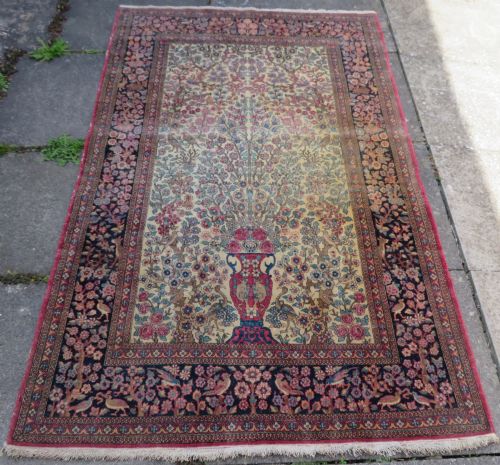
Most examples date between the eighteen-eighties and nineteen-thirties, showing traditional floral, lattice, tree of life, and geometric designs executed in softer neutral or pastel palettes.
How they were made
Makers constructed these floor coverings primarily using hand-knotted wool pile secured onto sturdy cotton or wool warps and wefts. The density of the knotting and the quality of the local wool dictate the handle and durability of each textile.
Certain pieces utilise flat-woven kelim techniques or chain stitch embroidery on canvas grounds, demonstrating diverse regional methods from Persian workshops to Kashmir and Portuguese needlepoint productions.
Cream Wool Carpet Retail Price Guide 2026
Typical asking prices for cream wool carpet among the pieces listed under this phrase on Sellingantiques today, from the lower quarter to the upper quarter. They describe what is for sale here now, not the wider market.
Tree of life rugs invite you to trace ascending branches where birds and blossoms hide among the wool knots.
What varies in quality
The refinement of a piece rests upon knot density, the precision of the drawing, and the handling of the wool. Finer examples display intricate botanical or geometric motifs with tightly packed foundations that lie flat and resist distortion.
Pigment selection and dye stability also separate standard room-size rugs from exceptional collector pieces, with softer natural palettes retaining visual depth as the wool ages.
The Cream Wool Carpet Glossary
- Pile
- The upright loops or cut ends of yarn that form the soft surface of a carpet. This layer absorbs footfall and displays the woven pattern.
- Warp
- The stationary vertical threads stretched on a loom upon which knots are tied. Cotton and wool are common warp materials.
- Weft
- The horizontal threads passed across the warp threads after each row of knots to bind the structure together. It determines the firmness of the rug.
- Prayer rug
- A small format textile traditionally featuring a mihrab or arch design intended for devotional use. These pieces often hang on walls or anchor compact seating areas.
- Kelim
- A flat-woven carpet or rug produced without a pile by tightly interweaving warp and weft strands. They offer a lighter weight and reversible design.
Cream Wool Carpet: Frequently Asked Questions
How do I clean an antique wool carpet?
Gentle surface vacuuming without a rotating brush helps remove embedded dust from the wool pile without straining the historic cotton foundation.
Professional specialist cleaning remains essential for addressing deep soil or spills to protect delicate natural dyes.
Are these carpets suitable for heavy foot traffic?
Dense wool construction provides natural resilience against everyday wear in domestic spaces. Placing a quality underlay beneath the carpet cushions the fibres and prevents slipping.
Heavier room-size carpets handle busy hallways well, while finer silk-accented prayer rugs suit low-traffic display areas.
How can I tell regional rug styles apart?
Regional identification relies on observing specific design motifs, colour palettes, and structural characteristics like selvage finishes and knot types. Kurdish and Bakhtiar pieces often feature bolder tribal geometries.
In contrast, Tabriz, Kirman, and Isfahan workshop carpets display refined floral medallions and curving arabesques.
How do I choose the right size?
Measuring your floor space carefully ensures the rug anchors the furniture layout without overwhelming the room perimeter. Leave an even border of exposed timber or floorboards around the edges.
Runners suit narrow hallways, while room-size carpets accommodate seating groups placed centrally on top.