


Cream Wingback Chair
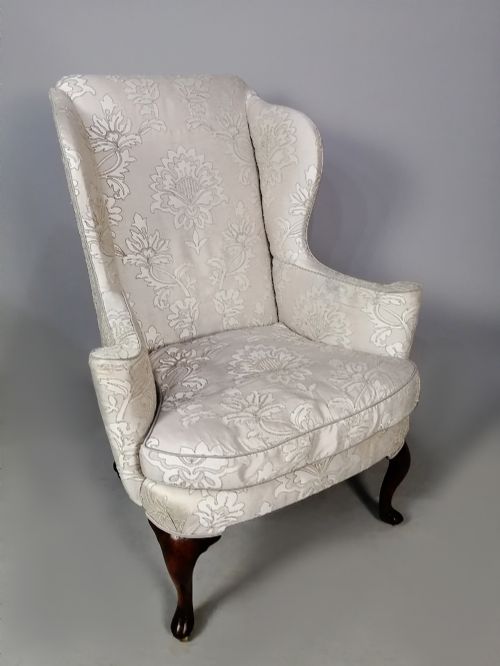
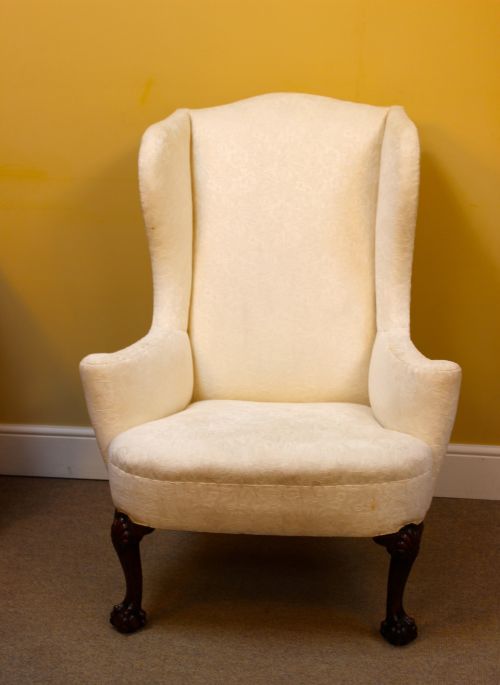
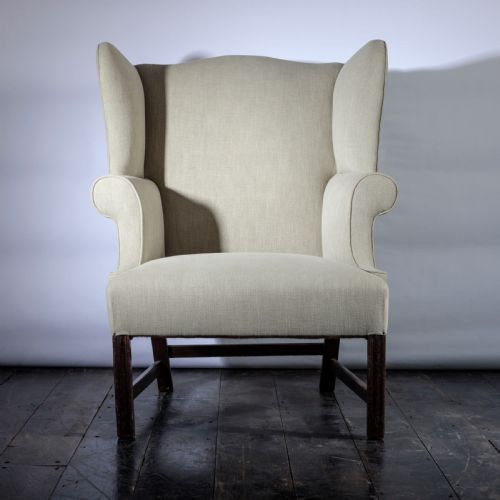
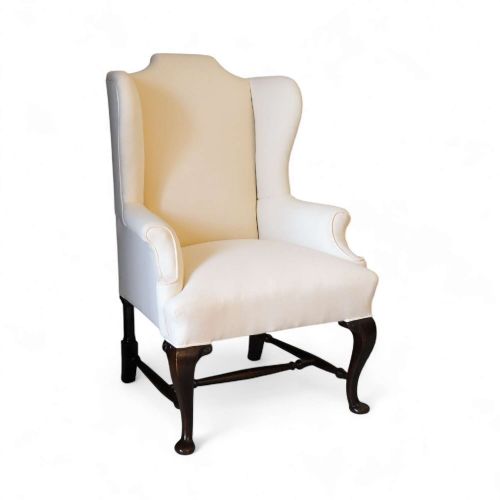
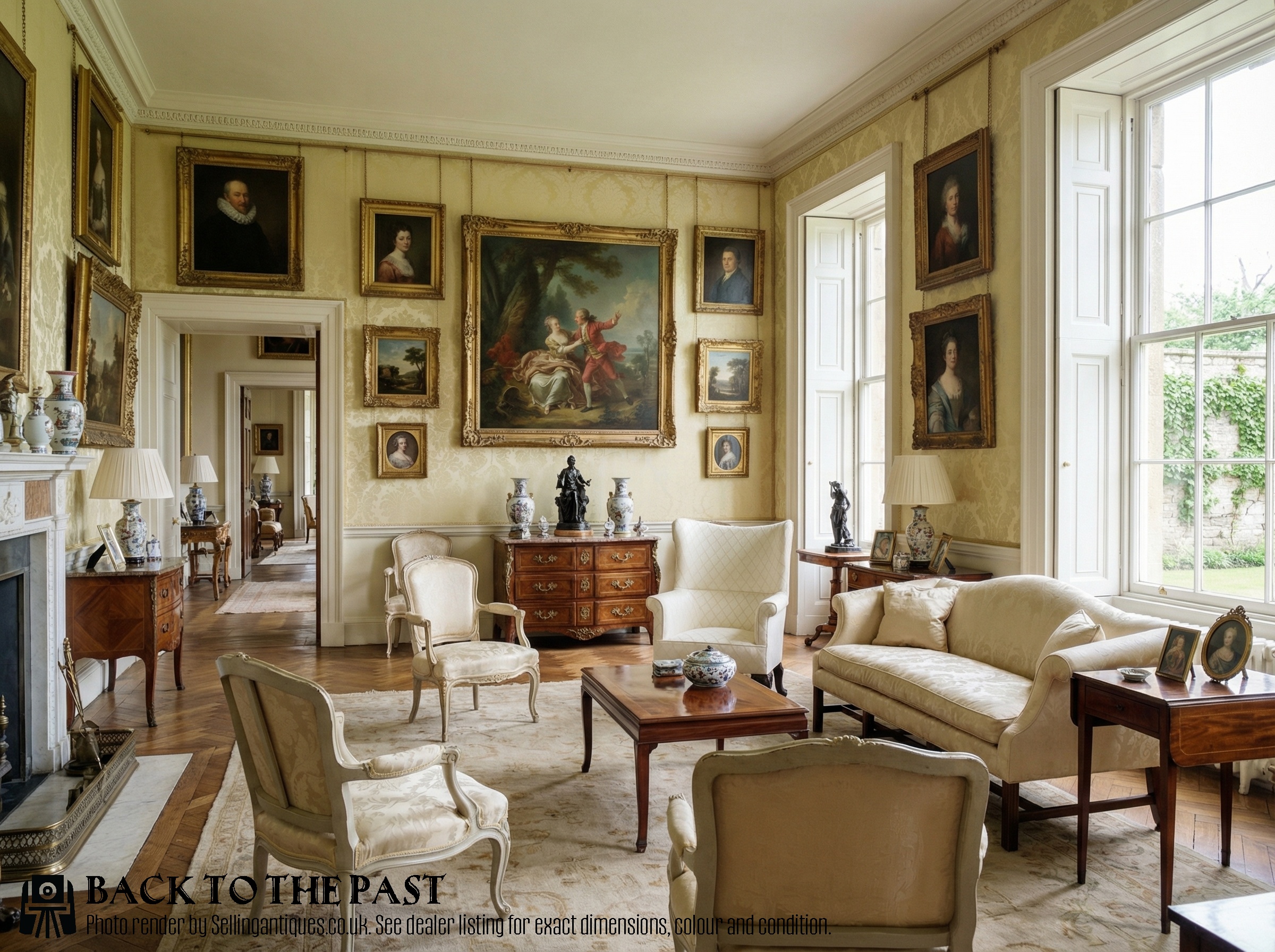
A cream wingback chair provides deep side wings and a high back to shield against draughts, appearing here in mahogany, walnut, and various fabrics.
Cream Wingback Chair
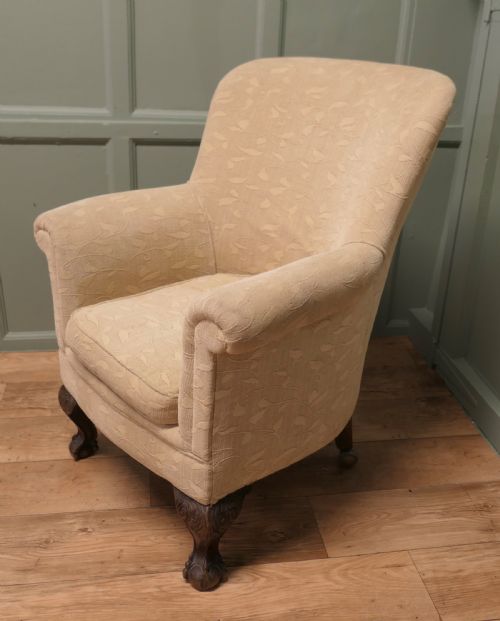
A cream wingback chair spans periods from the 18th century through the Georgian and Victorian eras up to the early 20th century. These seating pieces take the form of wing armchairs, barrel back armchairs, and occasional seating.
The versions most commonly found here include 19th-century walnut and mahogany frames, alongside Georgian examples and pieces presented in calico or linen upholstery.
Materials and construction
Frames are constructed from solid timber, predominantly mahogany and walnut, occasionally supported by brass elements or carved and gilded detailing.
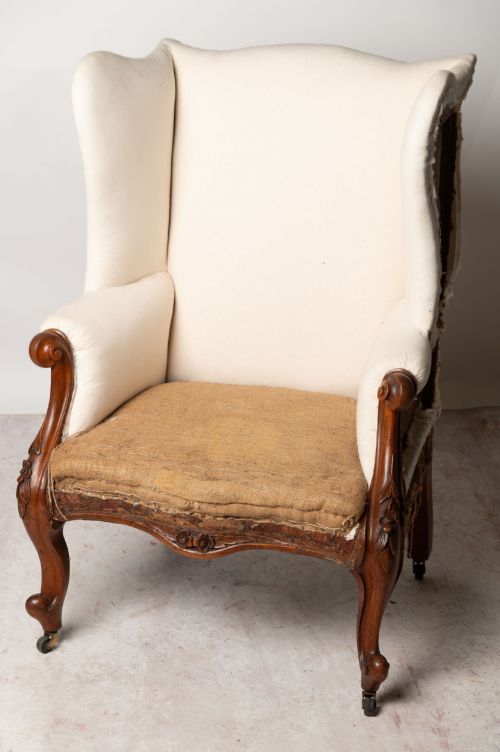
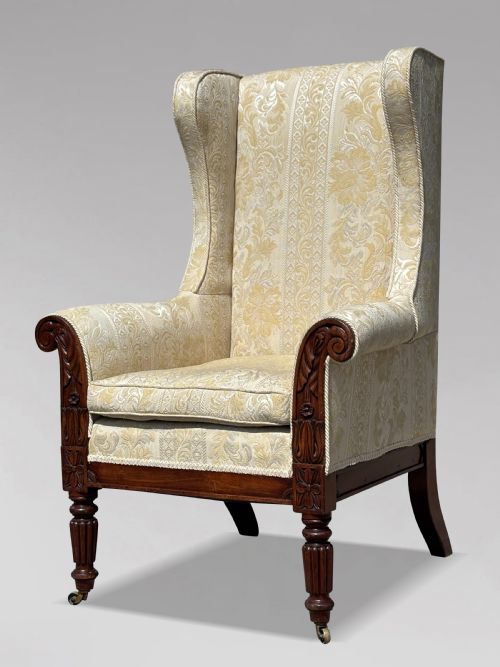
Upholstery relies on textiles such as linen, calico, damask fabric, and cotton, with several pieces newly recovered or offered to the calico stage.
Listings span the 18th century, Georgian, Victorian, Edwardian, and early 20th-century periods, utilising mahogany, walnut, brass, and timber.
Quality and finish
The calibre of a piece rests on the crispness of the timber carving and the integrity of the structural frame, particularly where mahogany or walnut legs meet the seat rails.
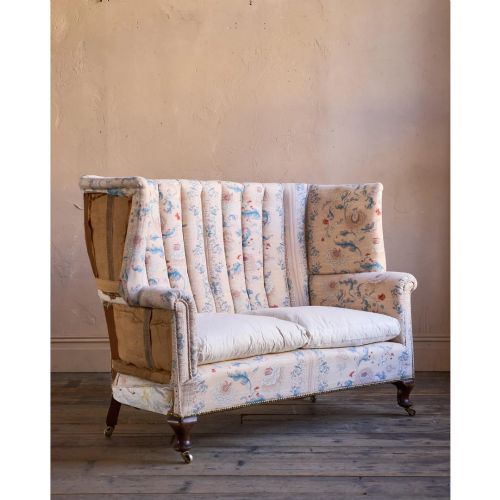
Execution of the upholstery stage alters the character of the piece, distinguishing frames left in raw calico from those finished in damask or leather.
The Cream Wingback Chair Glossary
- Wingback
- An armchair featuring protective side panels attached to the arms to deflect cold draughts. These upholstered wings define the traditional profile.
- Barrel back
- A seating form where the upholstered back curves continuously into the arms in a rounded enclosure. This style creates a snug, enclosed seat.
- Calico
- A plain-woven unbleached cotton textile often used as a base layer for upholstery before final decorative fabric is applied. Pieces are frequently sold at this stage.
Cream Wingback Chair: Frequently Asked Questions
What is a cream wingback chair?
A cream wingback chair is a high-backed upholstered armchair featuring protective side panels designed to trap heat and block room draughts. These pieces originate from periods including the Georgian and Victorian eras.
They appear in timber frames such as mahogany and walnut, covered in various fabrics ranging from calico to damask.
What does upholstered to calico stage mean?
Upholstered to the calico stage means the internal webbing, springs, and padding are fully built up and covered in a plain cotton under-fabric. This leaves the final decorative outer cover to be chosen by the buyer.
It allows the chair's underlying shape to be inspected while offering a blank canvas for custom textiles.
Where were these chairs placed?
Wingback chairs were historically positioned close to fireplaces or in draughty hallways to utilise the side wings for warmth retention. They served as comfortable seats for reading and relaxing.
Today they function as reading chairs in libraries, studies, and living rooms.