






Cream Watercolour Portrait
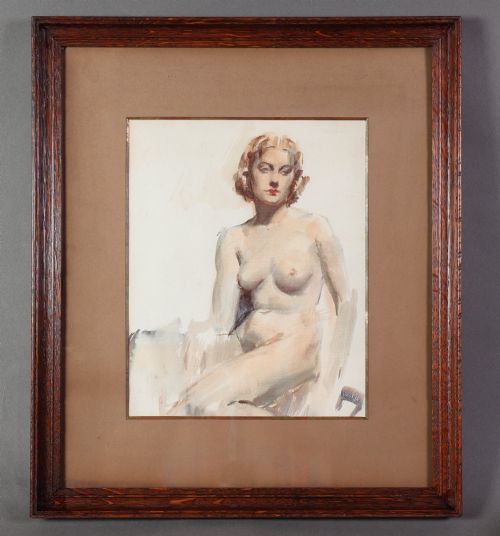
These cream watercolour portrait works on paper offer a glimpse into past lives through delicate washes and careful draughtsmanship.
Cream Watercolour Portrait
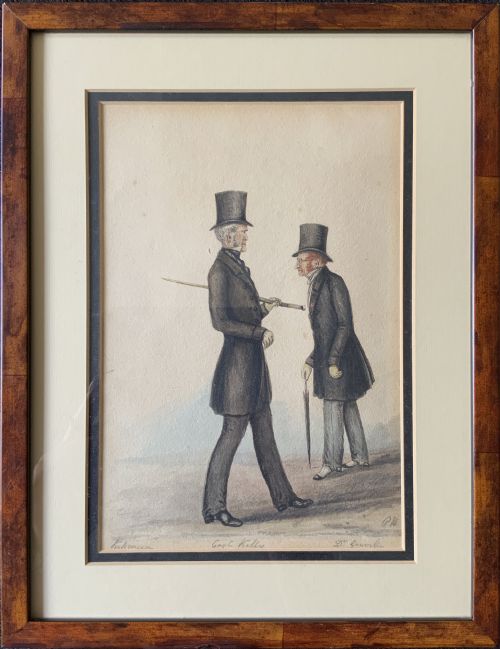
A cream watercolour portrait captures subjects from the Regency, Victorian, and mid-twentieth century periods using paper supports. You will frequently encounter framed artwork and miniature paintings depicting individuals, children, and historical figures.
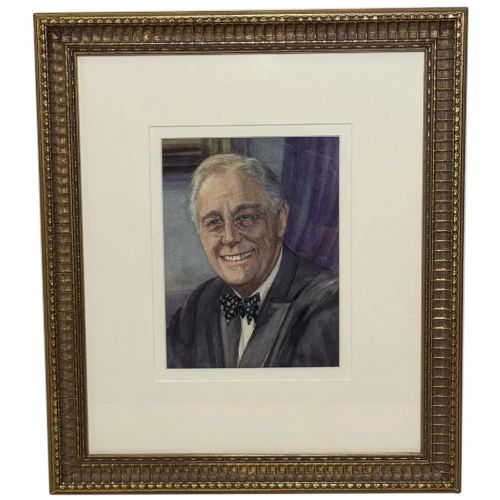
The selection ranges from Georgian naive art to mid-century realism, spanning watercolours, gouache, and pencil sketches. Each painting records likenesses through different hands, from anonymous British school studies to signed works by listed artists.
Works appear in various formats, including single sheets, portrait pairs, and multi-part pieces such as a Japanese triptych. These items reflect both intimate domestic commissions and broader artistic movements across distinct eras.
Materials and technique
Many examples are preserved behind glass within wood or gilt wood frames that protect the fragile paper supports from environmental damage. Certain pieces incorporate specialised techniques, such as costume overlays or miniature detailing suited to small-scale portraiture.
Object types include framed artwork, wall art, miniature paintings, and fine art watercolours depicting children, royalty, and historical scenes.
What separates the finest examples
Quality rests upon the precision of the draughtsmanship and the control of the watercolour medium, where accomplished brushwork brings vitality to the subject's expression. Superior pieces demonstrate a confident handling of light, shadow, and proportion within the painted surface.
The integrity of the framing and the condition of the paper support also influence the piece, with well-preserved works retaining their original pigments without excessive fading or staining. Provenance, attribution to recorded makers, and documented historical subjects elevate particular examples above standard decorative items.
J Hardy·Takashi Nakayama·Dame Laura Knight·John E Bosanquet·Henry Edridge
The Cream Watercolour Portrait Glossary
- Watercolour
- A painting method where fine pigment is suspended in a water-soluble binder and applied to paper. It allows for transparent washes that reveal the tone of the underlying sheet.
- Gouache
- An opaque watercolour medium containing added white pigment to create solid, flat areas of colour. It is frequently combined with standard watercolour to add highlights.
- Portrait Miniature
- A small-scale painting designed for intimate viewing, often executed on a delicate support. These works require exceptional precision due to their diminutive dimensions.
- Gilt Wood
- Timber framing finished with a thin layer of gold leaf or metallic gilt. This traditional treatment provides an ornate border that complements historical paintings.
- Naive Art
- Work created by an artist without formal academic training, often characterised by a flat perspective and charming directness. These pieces offer a distinct perspective compared to mainstream academic portraiture.
Cream Watercolour Portrait: Frequently Asked Questions
How should I display cream watercolour portrait pieces safely?
Keep works out of direct sunlight to prevent the watercolour pigments and paper supports from fading over time. Position them away from damp environments to protect the paper and original framing.
Ensure that framing utilises conservation materials and glass that blocks ultraviolet light. Professional mounting preserves the physical integrity of antique works on paper.
What subjects typically appear in these portraits?
The subjects range from anonymous sitters and children to notable historical figures and royalty. Artists also recorded everyday individuals, soldiers, and theatrical performers.
Some pieces document specific historical moments or personal likenesses through detailed costume and accessories. Each painting provides a direct record of past fashion and social standing.
How do I distinguish between Regency and Victorian examples?
Regency works often feature distinct neoclassical costume elements, delicate pencil underdrawings, and specific miniature formats. The palette and framing styles reflect the early nineteenth-century aesthetic.
Victorian pieces tend toward heavier ornamentation in the framing and varied subject matter reflecting mid-nineteenth-century domestic life. Examining the attire, hairstyles, and any accompanying dates helps clarify the period.
Are these works always signed by the artist?
Many historical portraits remain unsigned, created by anonymous practitioners or regional artists whose names are lost. Others bear signatures, initials, or contemporary inscriptions on the reverse.
Attributions are often established through stylistic comparison, family provenance, or gallery records. Unsigned works can possess equal artistic merit to documented pieces.