


Cream Persian Rug
A cream persian rug brings warmth and quiet texture to a room, woven by nomadic and village hands across nineteenth and twentieth-century Persia.
Cream Persian Rug
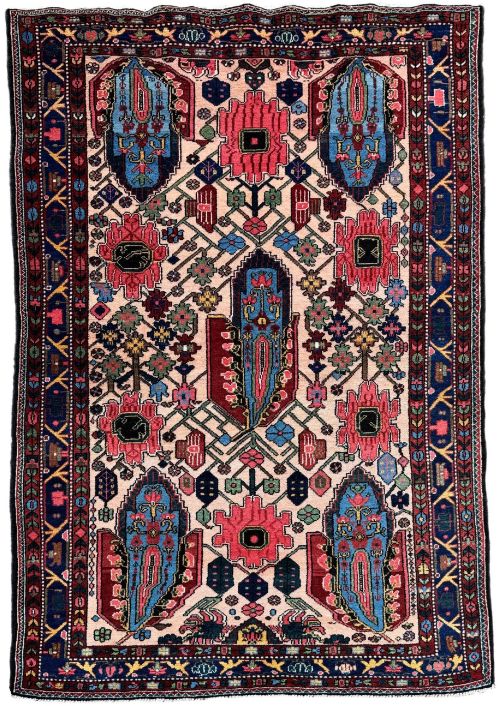
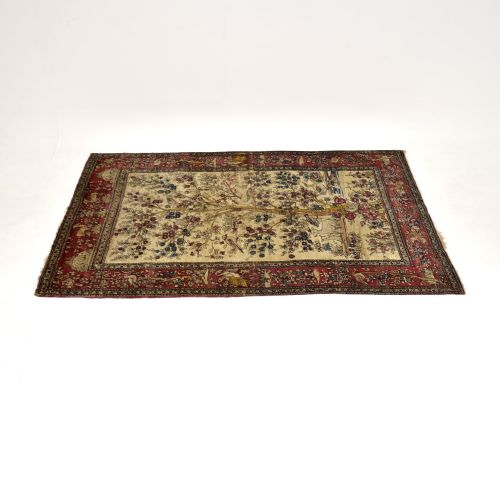
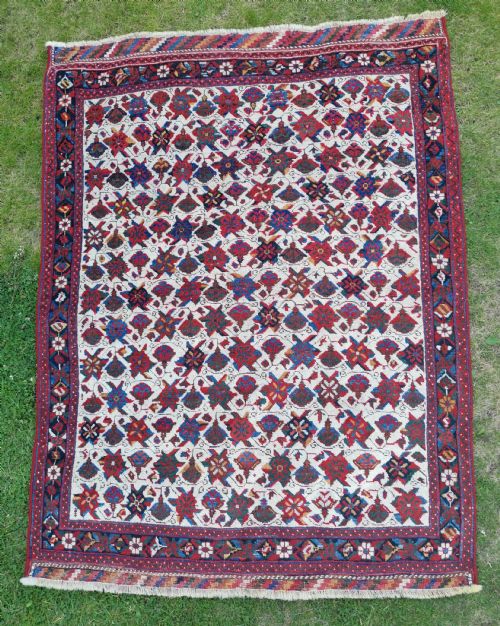
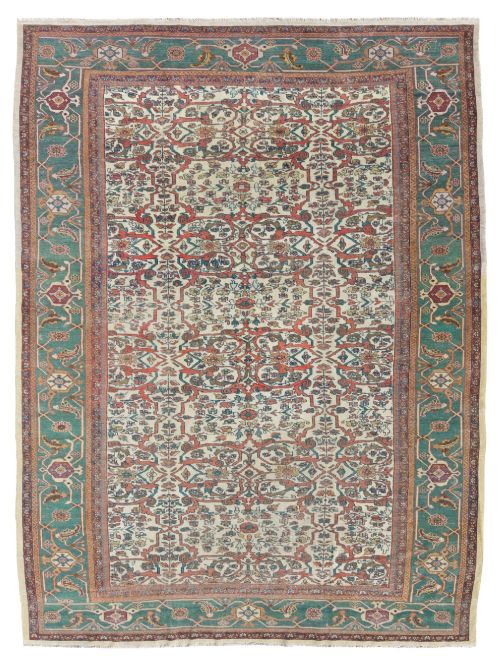
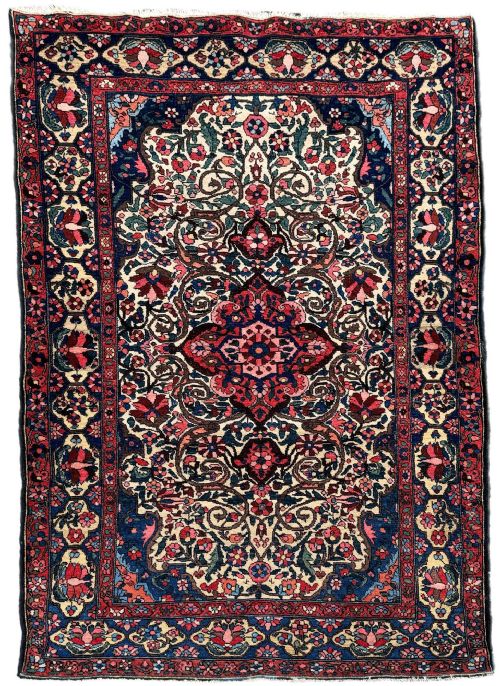
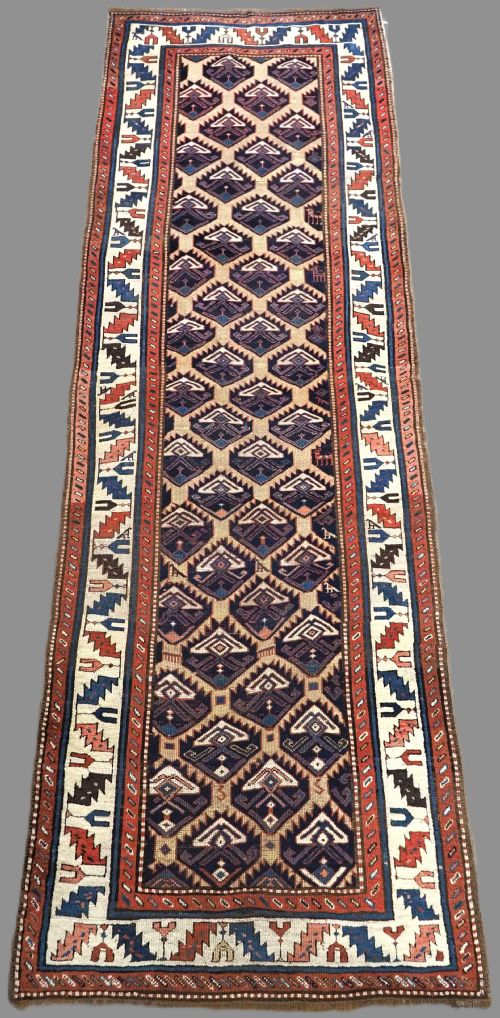
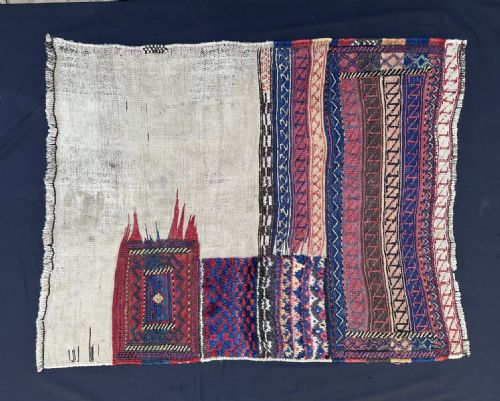
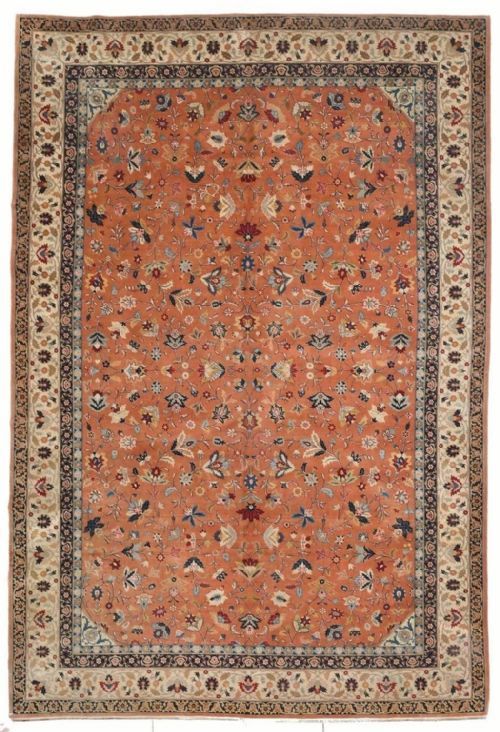
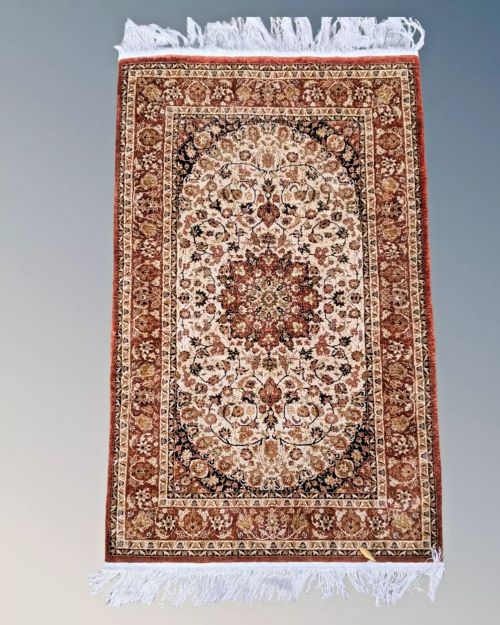
A cream persian rug encompasses room-sized carpets, runners, and village formats woven in wool, silk, and cotton. Pieces originating from centres such as Tabriz, Kirman, Heriz, and Isfahan frequently appear alongside tribal and nomadic pieces from Bakhtiar, Afshar, and Lori weavers.
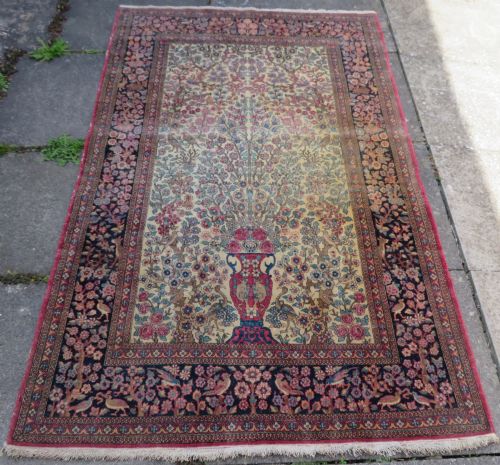
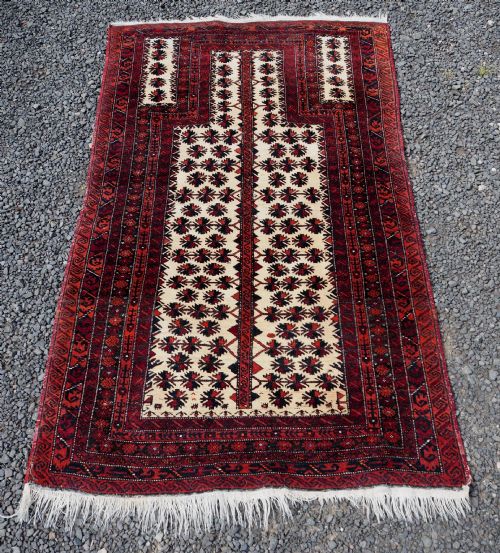
The palette centres on ivory and neutral grounds that accommodate traditional medallion and floral vase designs, tree of life motifs, and geometric lattice patterns. Buyers encounter both finely knotted city carpets and heavier, coarser tribal weaves dating from the late nineteenth century through the early decades of the twentieth century.
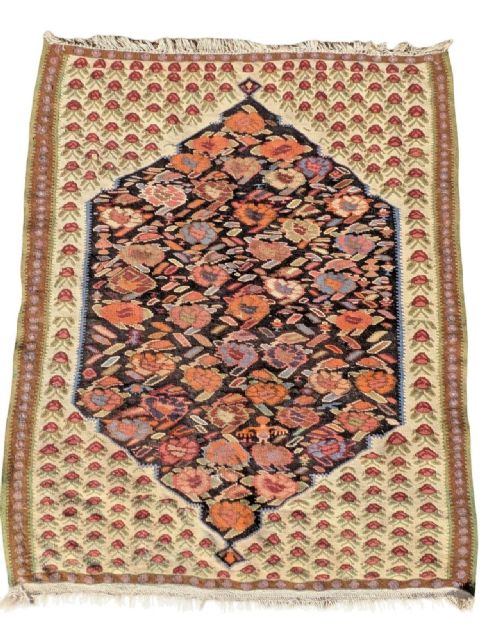
The selection ranges from small prayer rugs and mats to large room-sized carpets and narrow hallway runners. Each piece reflects the specific regional traditions of Persian weaving, whether produced in urban workshops or village households.
Materials and construction
Weavers utilised natural sheep wool, hand-spun wool, and cotton foundations, occasionally incorporating silk and goat hair for detail and durability. Natural dyes derived from plants and minerals provide the characteristic soft tones found across these carpets.
Hand-knotting forms the primary structure, executed on vertical looms with wool or cotton warps and wefts. The density of the knots and the preparation of the pile determine the weight and drape of each textile.
Cream Persian Rug Retail Price Guide 2026
Typical asking prices for cream persian rug among the pieces listed under this phrase on Sellingantiques today, from the lower quarter to the upper quarter. They describe what is for sale here now, not the wider market.
Nomadic weavers occasionally embedded small protective amulets or intentional asymmetry into tribal rugs to ward off the evil eye.
Factors of quality
Quality rests upon knot density, the fineness of the materials, and the precision of the design execution. Tighter knotting allows for sharper articulation of complex geometric or floral motifs, particularly in urban workshop carpets.
The integrity of the foundation materials and the consistency of the hand-spun wool influence longevity. Dyes derived from natural sources weather with greater depth and harmony than later synthetic alternatives.
The Cream Persian Rug Glossary
- Warp
- The stationary vertical threads stretched upon the loom before weaving begins. The fringe of a finished rug is typically formed by the exposed ends of these threads.
- Weft
- The horizontal threads passed alternately over and under the warp threads to bind the knots in place. In many Persian rugs, the weft is dyed cotton or wool.
- Pile
- The vertical or slanted cut ends of the knotted yarn that form the usable surface of the rug. Its height and density vary between fine city pieces and heavier tribal weaves.
- Medallion
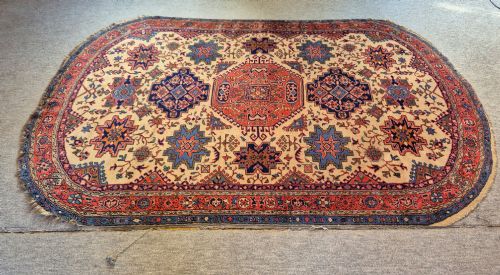
- A symmetrical ornamental design centred in the middle of the rug field. It remains a defining structural feature of many traditional Persian carpets.
- Knot density
- The number of knots per square inch or decimetre, serving as an indicator of the time and skill invested by the weaver. Higher counts generally permit more intricate curvilinear patterns.
Cream Persian Rug: Frequently Asked Questions
How do I clean an old wool rug?
Surface dust is best removed through gentle regular suction without a rotating brush head. Professional specialist cleaning is recommended for deeper maintenance to protect natural dyes and wool fibres.
Water and harsh chemical detergents should be avoided as they cause bleeding and stiffen the foundation. Prompt blotting of liquid spills prevents permanent staining.
Can these carpets handle heavy foot traffic?
Heavier village and tribal weaves in dense wool tolerate everyday hallway and living room use well. Thinner silk or antique fine-piled formats suit low-traffic areas or display spaces.
A quality underlay beneath the rug prevents slipping and reduces fibre friction against hard flooring.
How do I identify a tribal rug?
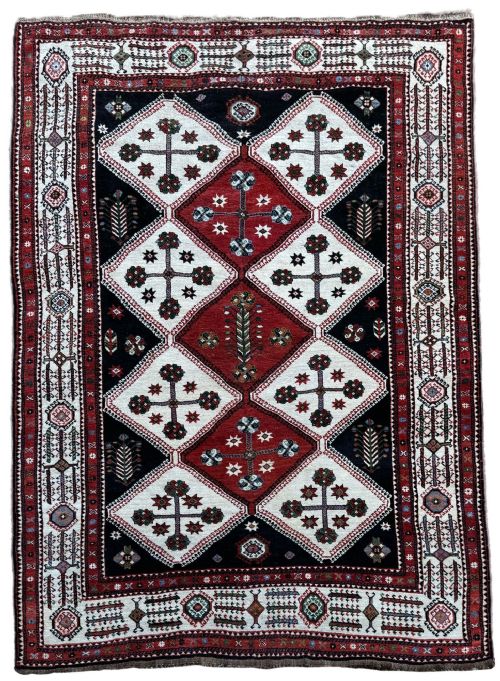
Tribal pieces display asymmetrical geometric patterns, stylized animals, and informal prayer designs worked by nomadic groups. The wool often feels heavier and the colour palette reflects regional plant dyes.
Irregularities in the straightness of the edges and variations in width indicate hand-loom construction without rigid urban templates.