
Cream Paper Artwork
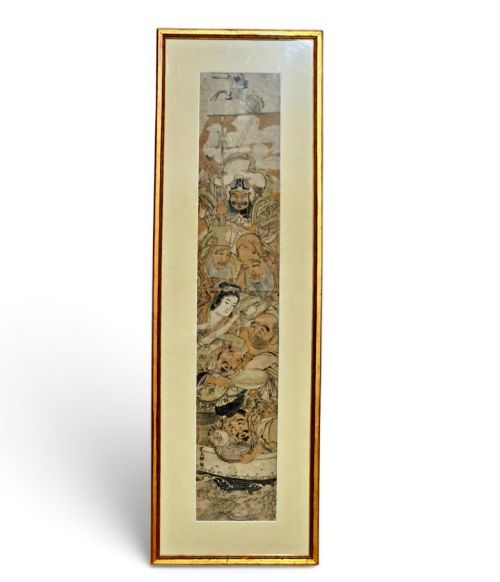
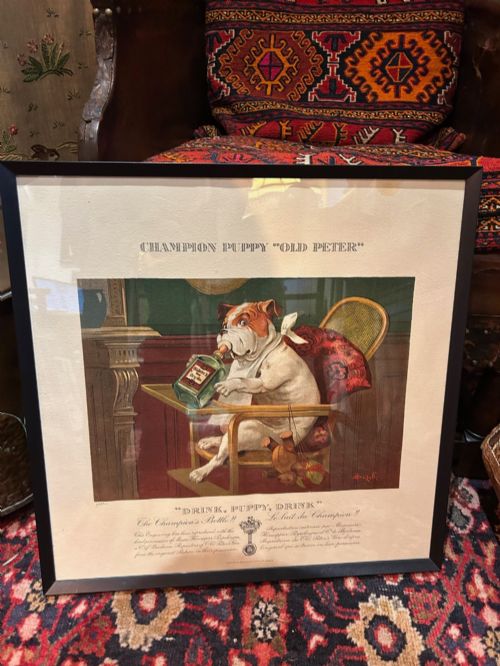
Cream paper artwork encompasses works on paper ranging from eighteenth-century Japanese prints to mid-century advertising posters, valued for their texture and monochrome or tinted tones.
Cream Paper Artwork
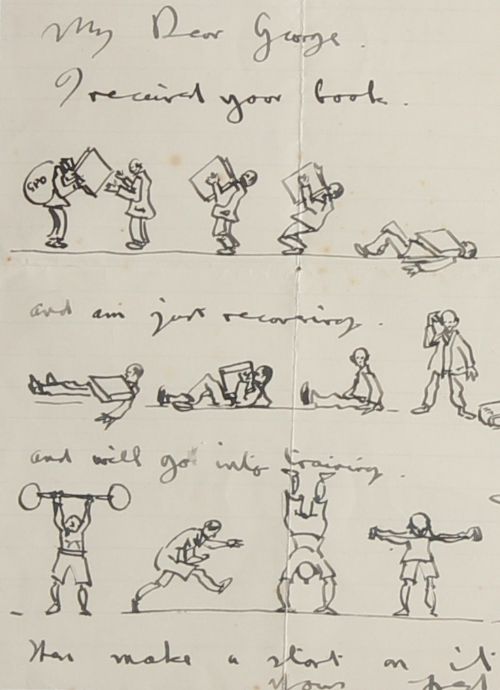
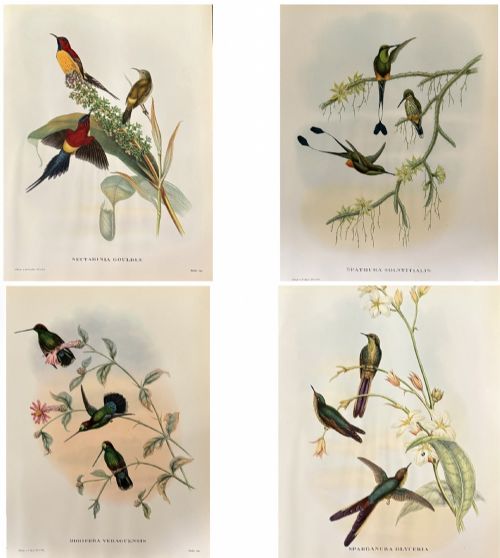
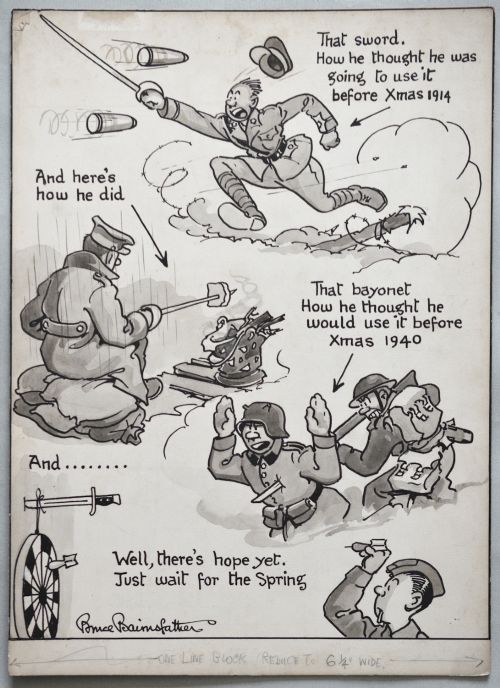
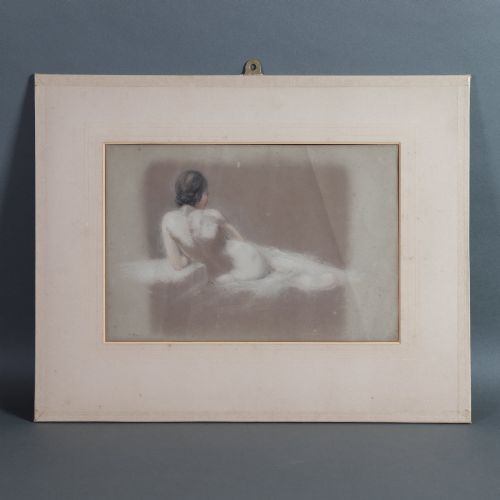
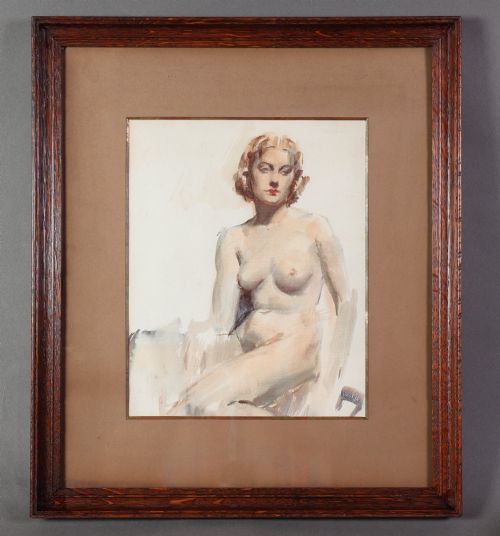
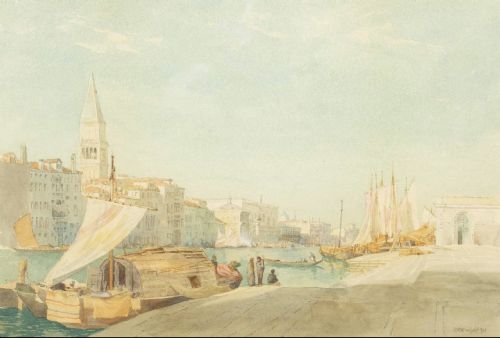
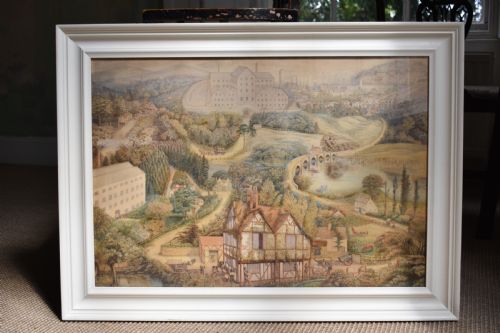
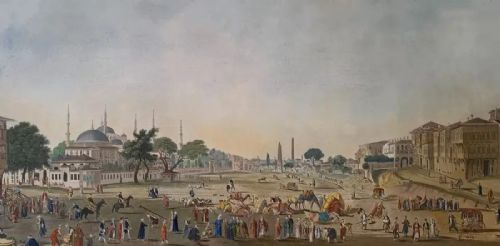
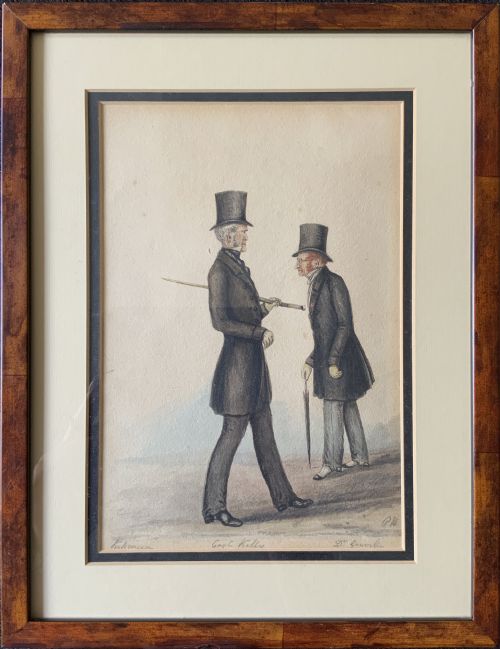
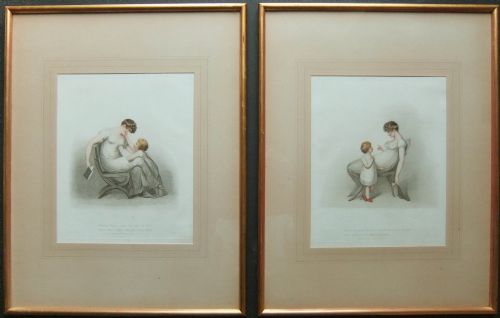
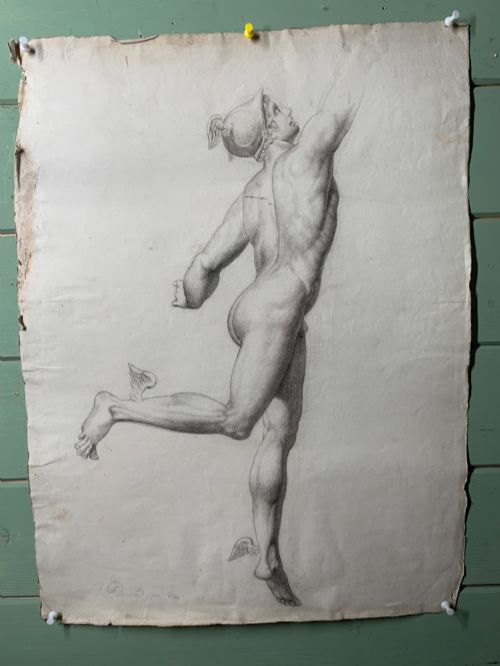
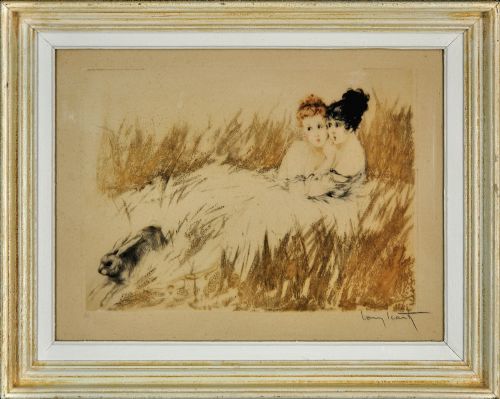
Cream paper artwork brings together original drawings, watercolours, etchings, lithographs and prints created across the nineteenth and twentieth centuries. When searching for cream paper artwork, collectors encounter varied forms including portraits, topographical views, botanical studies and advertising posters.
The materials span watercolour pigment, ink, graphite and gold leaf applied to paper supports that have aged to warm tones over decades or centuries. These works frequently arrive framed under glass, preserving delicate media like charcoal and pencil against environmental wear.
How they were made
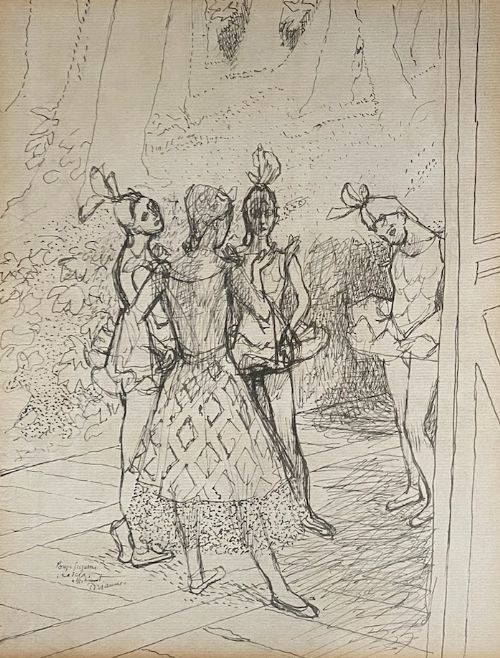
Makers applied watercolours, inks, and graphite directly onto paper supports, often utilising manual printing techniques such as etching, lithography, and engraving. Hand-coloured elements appear alongside pure pigment applications, demonstrating the integration of drawing and printmaking methods.
The paper itself forms an integral part of the physical object, interacting with gold leaf, ink, and watercolour pigment to create layered visual depth. Glazing and framing protect these delicate organic materials from moisture and light exposure.
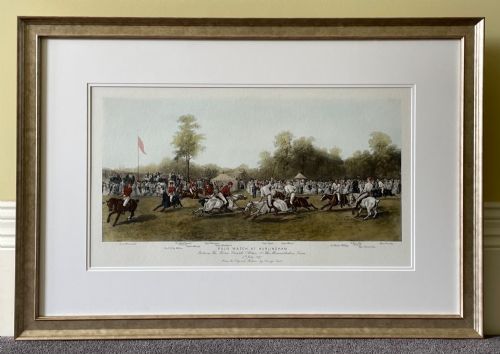
A surprising number of nineteenth-century horses, ducks, and polo matches share wall space with delicate Japanese fairy tales.
What varies in quality
Quality rests upon the sureness of the draughtsmanship and the preservation of the paper surface relative to the medium applied. Strong tonal contrast in ink and watercolour distinguishes resolved compositions from weaker student exercises.
The clarity of impressions in printed works, alongside the stability of the paper support, determines the overall standard of any given piece.
Fred Lawson·Bruce Bairnsfather·Katsukawa Shunshō·William Etty·Marcellin Auzolle·Richard Henry Wright·Maurice Brianchon·Anton Ignaz Melling·Adam Buck·Louis Icart·Sydney Wilson·Warwick Goble·Louis Wain·Cornelius Pearson·William Frederick Settle·Anne Goldthwaite·John Merrifield·James Hardy Junior·Helena Maguire·Edith Barrow
The Cream Paper Artwork Glossary
- Lithography
- A planographic printing process using a stone or metal plate on which the image areas attract ink and the non-image areas repel it. This technique produced many nineteenth-century prints and posters.
- Etching
- A printmaking method where lines are bitten into a metal plate with acid before ink is applied and transferred to paper. The resulting lines hold distinct character and depth.
- Watercolour
- A paint consisting of pigment suspended in a water-soluble vehicle, applied to paper surfaces in translucent washes. It is frequently combined with graphite or ink outlines.
- Mezzotint
- A tonal printmaking process of the engraving family where the plate is roughened uniformly to produce dark shades and scraped down to create light ones. It yields rich gradations of tone.
Cream Paper Artwork: Frequently Asked Questions
How should I display cream paper artwork safely?
Keep works out of direct sunlight to prevent fading of watercolours, inks, and paper tones. UV-filtering glass provides essential protection during framing.
Maintain stable indoor humidity and temperature levels to avoid paper warping or foxing over time.
What periods do these paper artworks cover?
The selection spans from the eighteenth century through the Victorian era and into the mid-twentieth century. Pieces reflect diverse movements including Neoclassical, Regency, Victorian, Art Deco, and Mid-Century Modern.
Earlier items often feature handmade papers with distinct watermark characteristics, while later twentieth-century examples utilise commercial stock.
Are these pieces original or reproductions?
The selection includes original hand-drawn or painted studies alongside period prints, lithographs, and etchings. Each listing specifies the precise medium used by the artist or printer.
Signed artist proofs and vintage posters represent distinct categories within the broader field of works on paper.
How do I identify different print techniques?
Etchings display characteristic indented plate marks around the printed image where the press pushed the paper into the recessed lines. Lithographs lack plate marks and show flat ink distribution under magnification.
Watercolours and ink drawings reveal brush texture and pigment pooling upon close inspection under good light.