



Vintage French Art Drawing
Vintage french art drawing captures expressive character through delicate lines on paper, offering collectors a direct link to continental studio traditions.
Vintage French Art Drawing
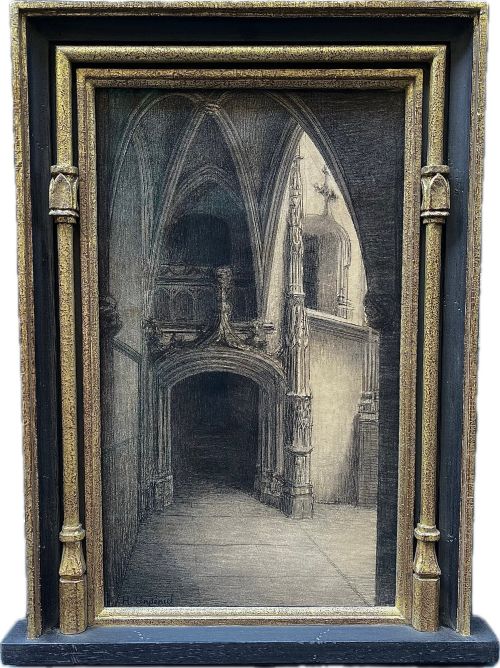
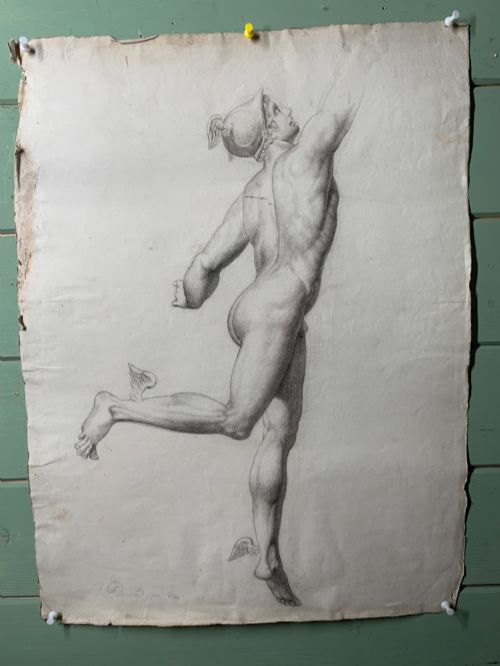
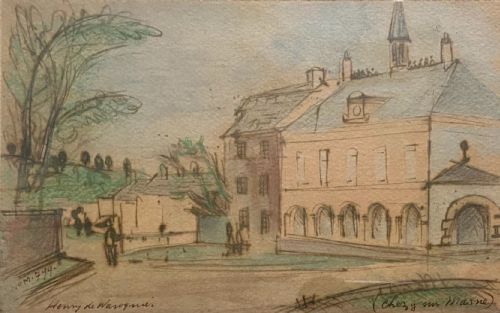
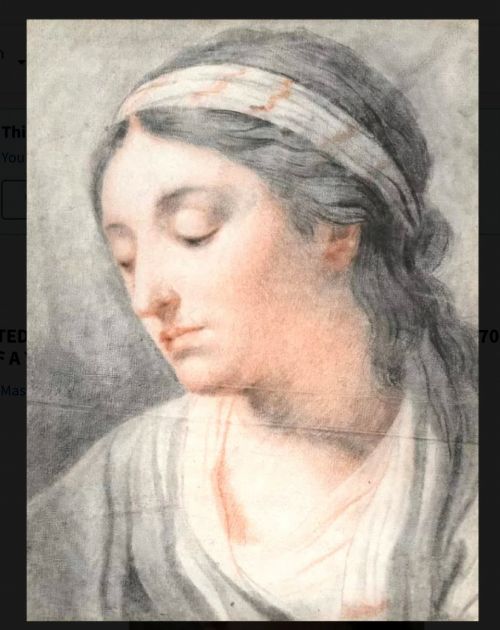
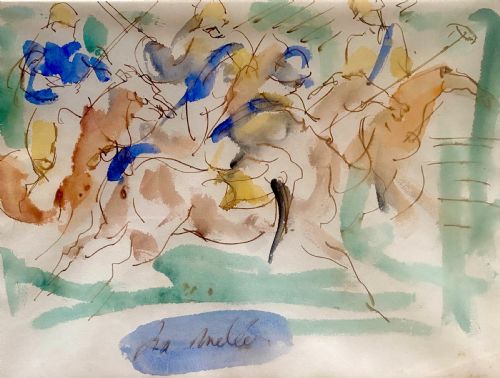
A vintage french art drawing encompasses works on paper spanning from the nineteenth century through the mid-twentieth century, capturing portraits, architectural studies, and lively street scenes. These pieces reflect the evolving styles of European ateliers, moving from rigorous academic realism toward impressionist and avant-garde expression.
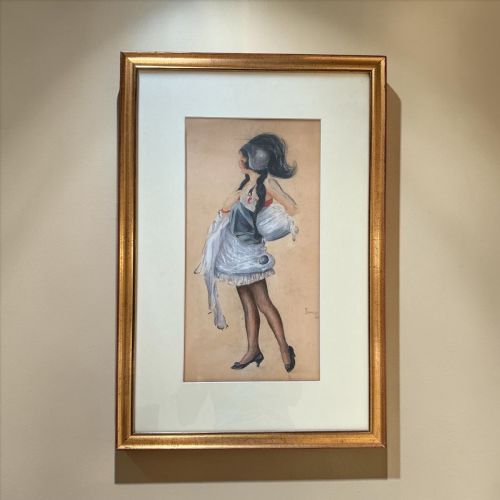
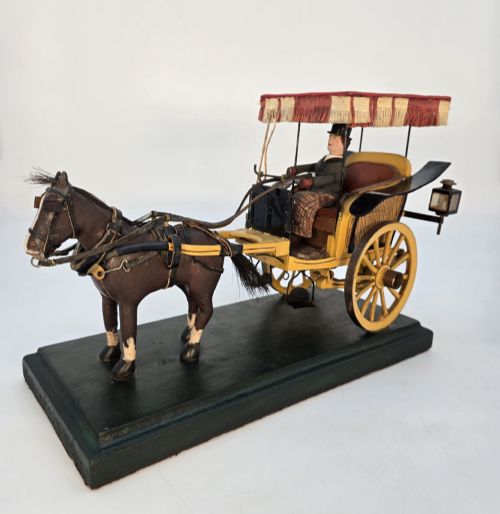
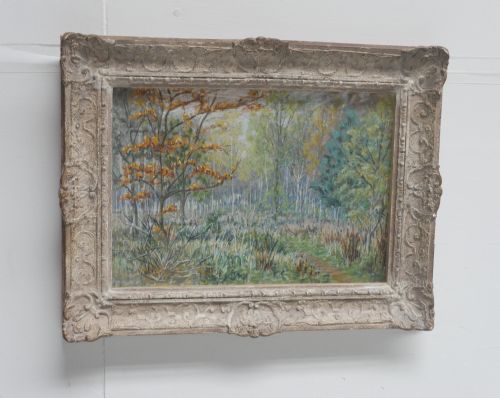
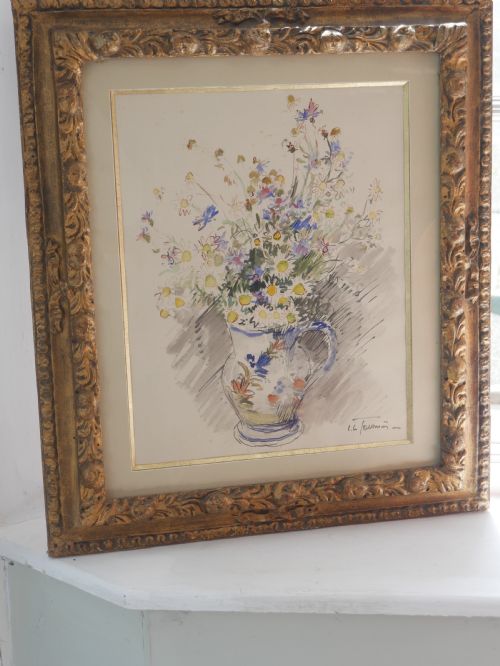
The selections on this page most frequently present original ink, charcoal, and watercolour compositions mounted in traditional frames. Buyers will encounter both finished cabinet pieces and intimate compositional sketches created by continental artists.
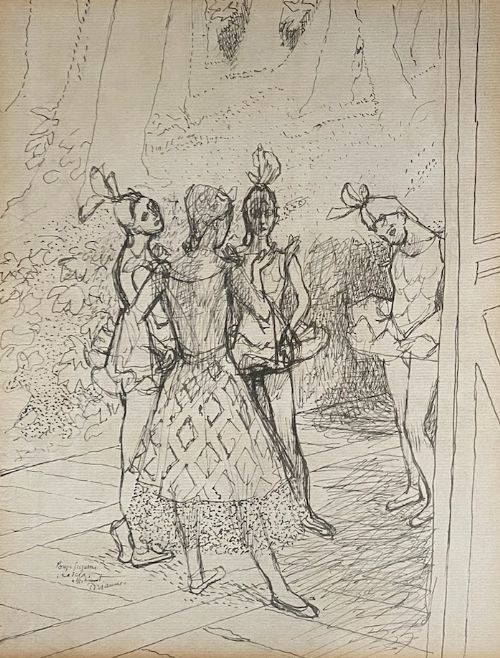
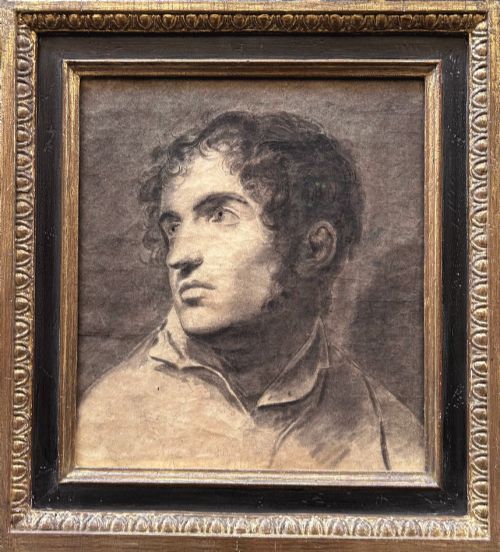
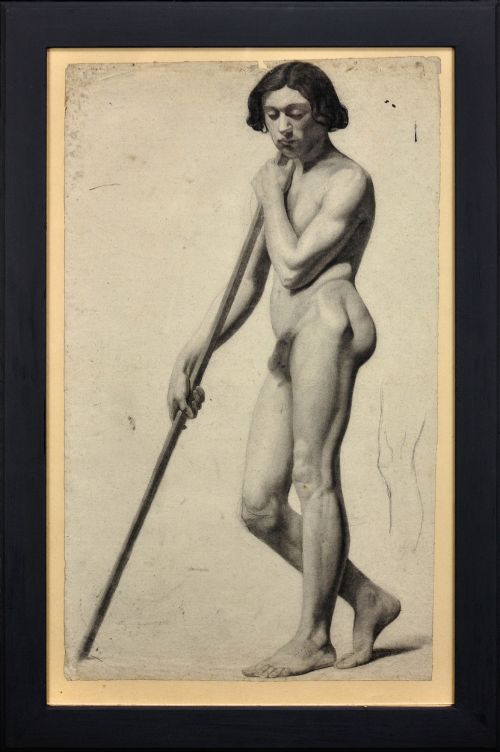
Originating primarily from French academic circles and regional schools, these works demonstrate the direct hand of the draughtsman. Each item preserves a distinct moment of observation, whether documenting rural landscapes, ballet dancers backstage, or classical figure studies.
Materials and methods
Draftsmen relied primarily on fine-grained paper as the primary support for their compositions, applying dry media such as graphite, charcoal, and pastel alongside fluid mediums like ink and watercolour. Mixed media examples combine several agents to build tonal depth and surface texture.
Execution techniques range from precise neoclassical hatching and academic life studies to loose expressionist washes. Artists utilised wooden frames and glass protection to preserve fragile pigment layers from environmental degradation.
Listings feature paper supports utilised across nineteenth and twentieth-century French schools.
Determining quality and execution
Quality rests upon the confidence of the draughtsman's line and the expressive vigour of the composition. Superior examples display decisive mark-making and sophisticated tonal modulation rather than hesitant corrections.
The preservation of the paper substrate and the stability of fugitive pigments like pastel significantly influence the integrity of the piece. Masterful works maintain strong contrast and structural balance across the sheet.
Maurice Brianchon·Henry de Waroquier·Demetrios Galanis·Mariette Lydis·Irene Lagut·Kees van Dongen·Yves Brayer
The Vintage French Art Drawing Glossary
- Charcoal
- A dry drawing medium made from burnt wood that produces deep black marks and soft tonal smudges. It allows artists to achieve rapid contrasts of light and shadow.
- Academic Realism
- A style of painting and drawing produced under the influence of European academies of art. It emphasises precise anatomical accuracy and classical subject matter.
- Deux crayon
- A drawing technique utilising two distinct coloured chalks or pencils, typically black and red, upon tinted paper to create highlights and shadows.
- Gouache
- An opaque water-based paint that provides solid, matte colour blocks. It is frequently combined with transparent watercolour in mixed media works on paper.
- Provenance
- The chronological ownership history of a work of art. Documented lineage confirms authenticity and historical significance.
Vintage French Art Drawing: Frequently Asked Questions
How do I identify a genuine period drawing?
Examine the paper quality, watermark evidence, and medium application under magnification to check for age-related oxidation and natural fibre degradation.
Authentic period works display harmonious integration between the medium and the support sheet, avoiding modern mechanical reproduction dots.
Where should I hang works on paper?
Position drawings away from direct sunlight and high humidity areas to prevent fading of delicate charcoal, pastel, and watercolour pigments.
Utilise UV-protective framing glass and acid-free mounting materials to ensure long-term preservation on interior walls.
What separates a study from a finished work?
Studies often focus on anatomical details, perspective grids, or compositional trials intended for larger canvases rather than final exhibition.
Finished pieces exhibit complete tonal development and deliberate framing within the sheet margins.