
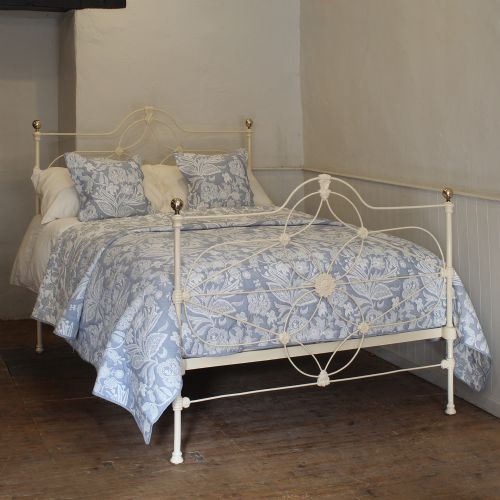
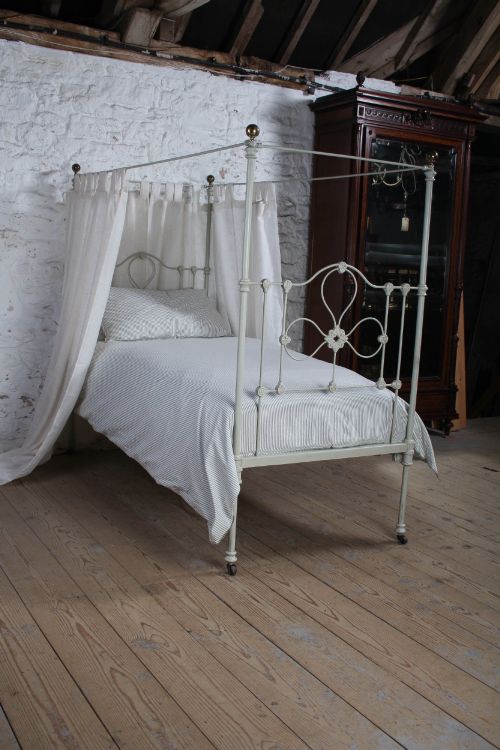
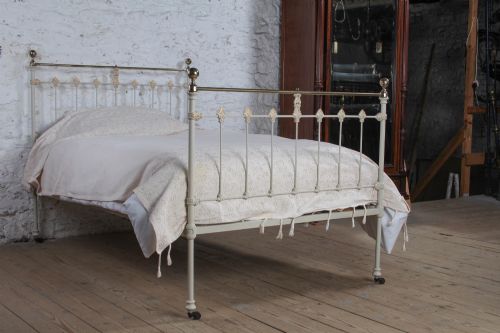
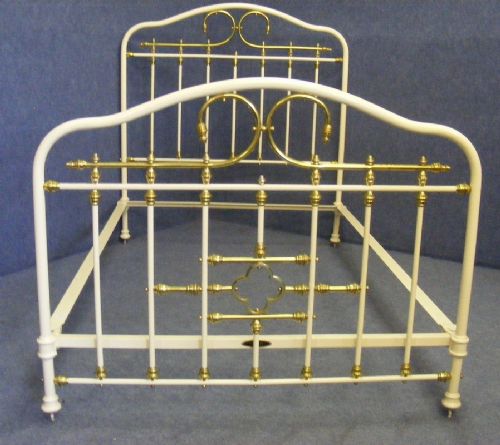


Cream Painted Metal Bed
A cream painted metal bed brings sturdy Victorian construction and romantic, soft colour together in the bedroom.
Cream Painted Metal Bed
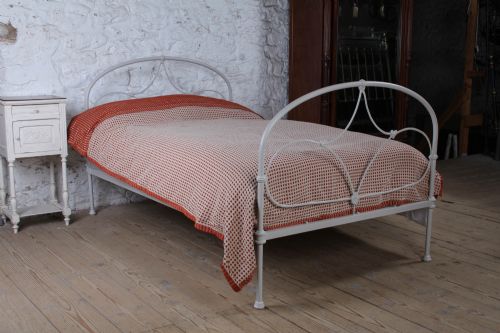
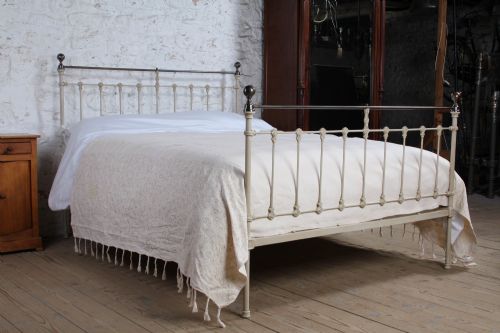
A cream painted metal bed offers robust cast iron and wrought iron frames finished in soft neutral tones suited to traditional and contemporary bedrooms alike. When you search for a cream painted metal bed, you encounter substantial Victorian and turn-of-the-century frames designed to last generations.
Origins span classic British Victorian workshops alongside French, Portuguese, and American styles imported during the nineteenth and early twentieth centuries. Most examples rely on durable cast iron and forged iron frameworks softened by pale ivory and cream paint.
Materials and construction methods
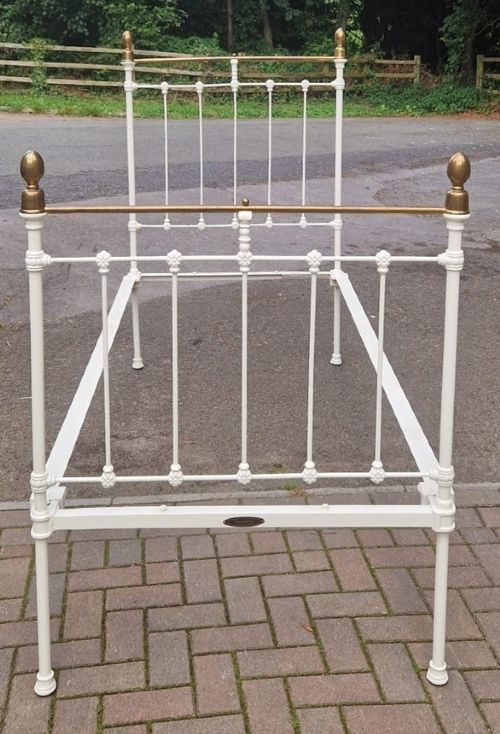
Makers utilised durable cast iron and forged wrought iron for the foundational frames, ensuring exceptional weight and longevity. These heavy structural elements are frequently accented with polished brass spindles and decorative finials.
Surfaces were prepared and painted in cream or ivory finishes that softened the industrial harshness of raw metal. Forged iron components required skilled blacksmithing techniques to shape scrollwork and secure joints before final painting.
Current listings feature Victorian and 1900s frames constructed from cast iron, forged iron, and brass.
Assessing quality in antique metal beds
Quality rests upon the crispness of the iron castings and the structural integrity of the original joints and rails. Superior examples display refined brass embellishments and well-preserved decorative details rather than plain utilitarian tubing.
The sophistication of the stylistic design distinguishes standard single frames from elaborate half tester canopies or matching pairs. Original painted surfaces that retain an honest patina hold greater integrity than poorly executed modern overpainting.
R W Winfield
The Cream Painted Metal Bed Glossary
- Bedstead
- A framework of a bed consisting of the headboard, footboard, and side rails. This term frequently appears in nineteenth-century listings for complete metal frames.
- Half Tester
- A canopy that projects from the wall or headboard over the upper portion of the bed. These frames often support decorative drapery.
- Cast Iron
- Iron poured into a mould to create complex decorative shapes and structural components. It provides the heavy foundation for Victorian bed frames.
- Wrought Iron
- Iron beaten and forged by hand into specific shapes while hot. This material offers exceptional strength for slender scrolls and structural supports.
- Platform Bed
- A frame designed to support a mattress directly upon a rigid base without traditional wooden slats. These provide a stable foundation for antique mattresses.
Cream Painted Metal Bed: Frequently Asked Questions
How do I choose the right size?
Review the specific width measurements listed for each frame, as nineteenth-century sizes often differ from modern standard dimensions. Small doubles and three-quarter sizes require careful mattress planning compared to standard double or king frames.
Check whether the bed includes original side rails that accommodate standard mattress lengths. Platform designs and extendable pairs offer alternative proportions for guest rooms.
Are antique metal beds sturdy?
Victorian cast iron and forged iron frames possess immense structural strength designed to withstand heavy daily use. The thick metal components and secure mechanical joints create exceptionally stable sleeping platforms.
Periodic inspection of the bolts and connections ensures the frame remains rigid over time. Their substantial weight prevents the wobbling often found in modern tubular steel alternatives.
Can modern mattresses fit these beds?
Most antique frames accommodate standard modern mattresses if the internal length and width match current sizing conventions. Some nineteenth-century frames require custom mattress dimensions due to historical sizing variations.
Adding appropriate modern slat systems or supportive bases ensures contemporary mattresses sit securely within the antique iron side rails.
How do I care for painted metal?
Dust the painted iron surfaces regularly with a soft, dry cloth to prevent the accumulation of airborne particles. Avoid harsh chemical cleaners that can degrade nineteenth-century paint finishes.
Preserve brass accents by using appropriate non-abrasive metal polishes sparingly to maintain their warm metallic lustre without damaging adjacent paintwork.