

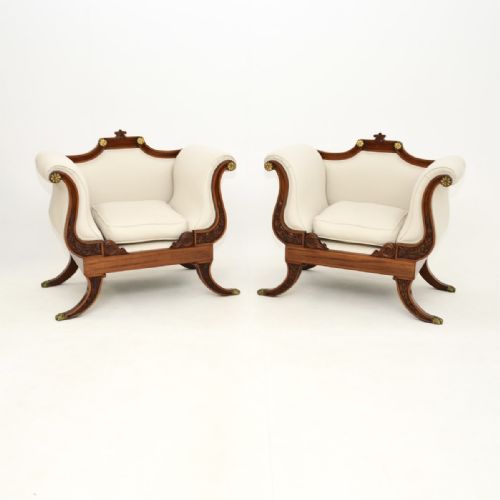
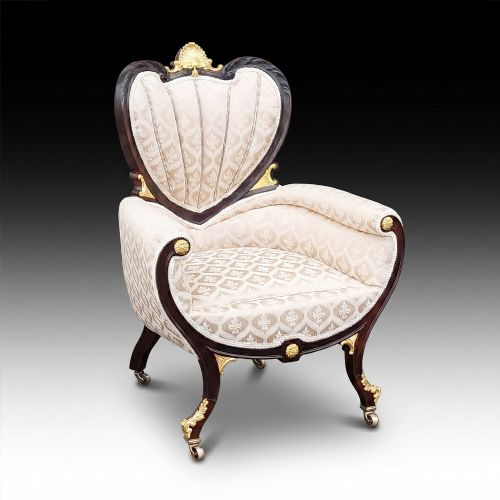


Cream Mahogany Accent Chair
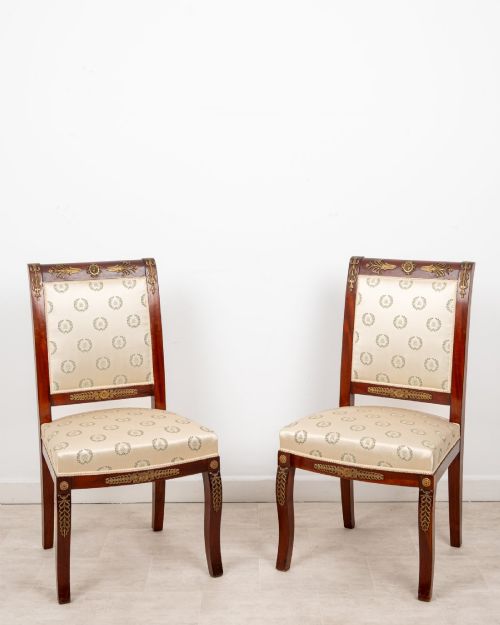
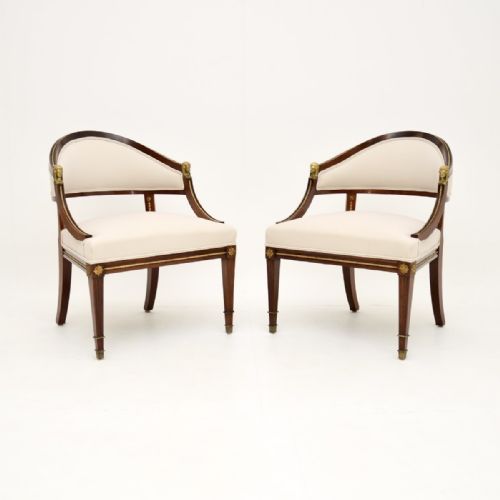
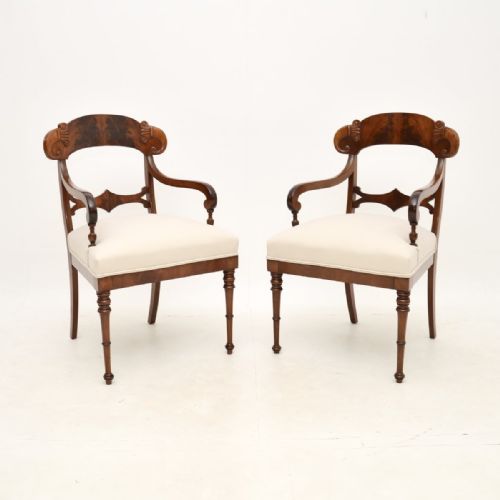
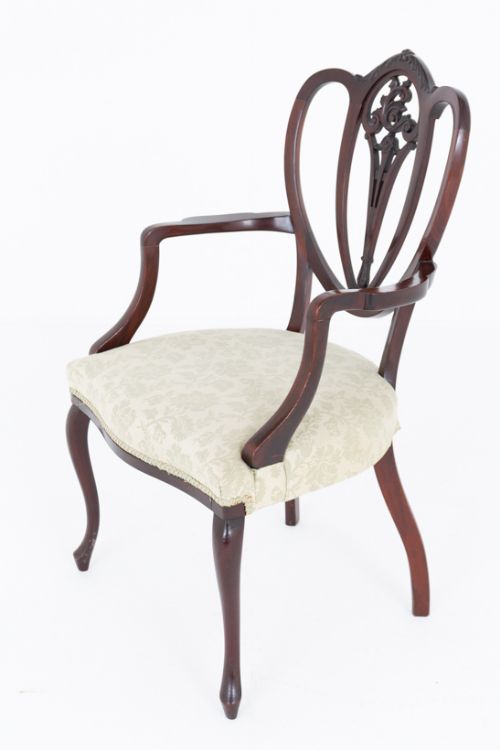
These cream mahogany accent chair pieces combine dark timber frames with pale upholstered seats, offering versatile seating options for traditional rooms.
Cream Mahogany Accent Chair
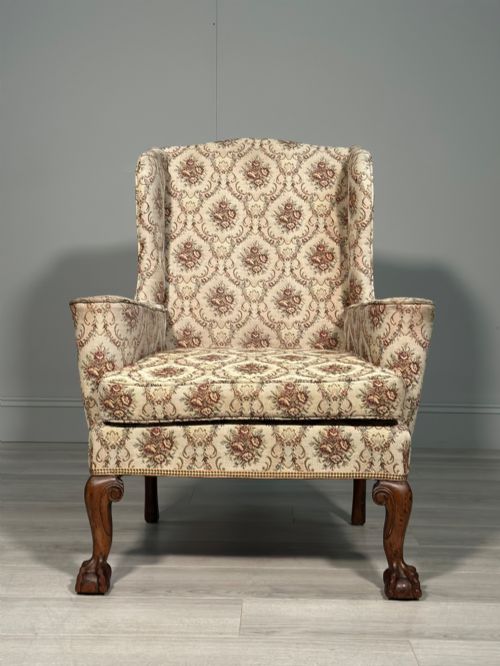
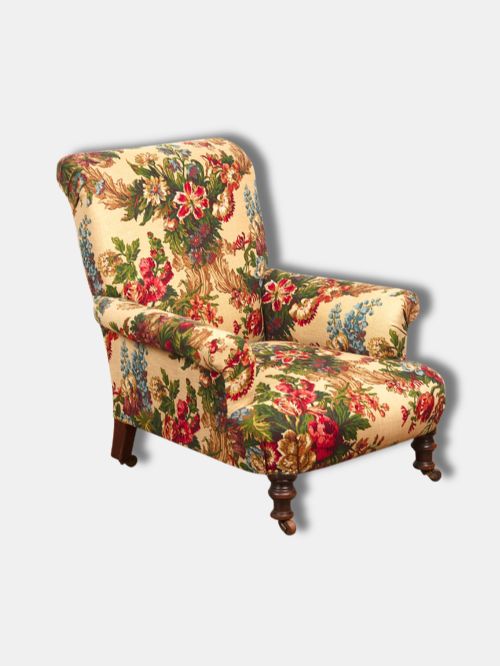
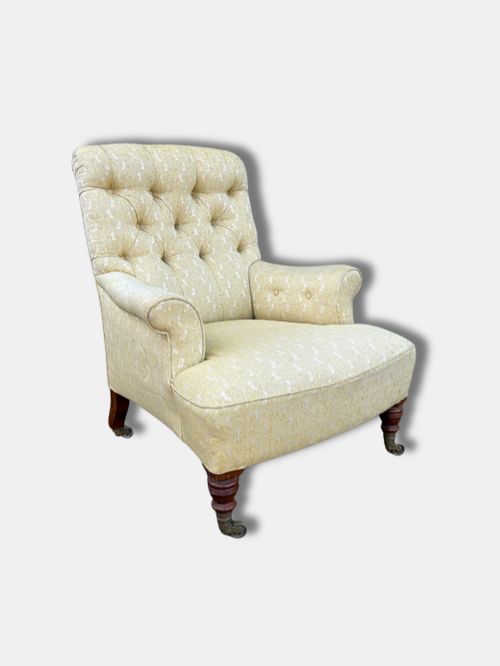
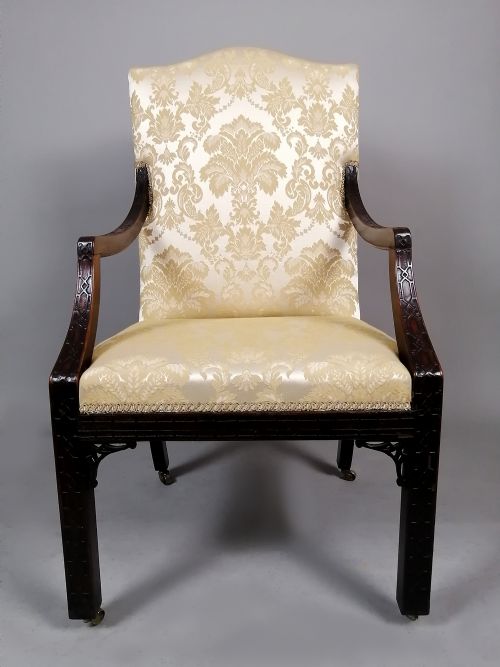
A cream mahogany accent chair search reveals a diverse selection of antique seating from the eighteenth, nineteenth, and early twentieth centuries. The listings span multiple stylistic revivals, including Georgian, Regency, Victorian, and Edwardian periods.
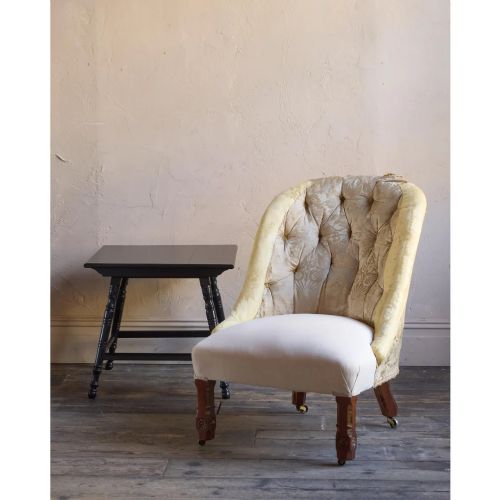
The physical forms vary widely, ranging from library armchairs and salon chairs to bedroom chairs, slipper chairs, and gossip chairs. Mahogany frames predominate, paired with various upholstery types including damask, calico, cotton, leather, and fabric.
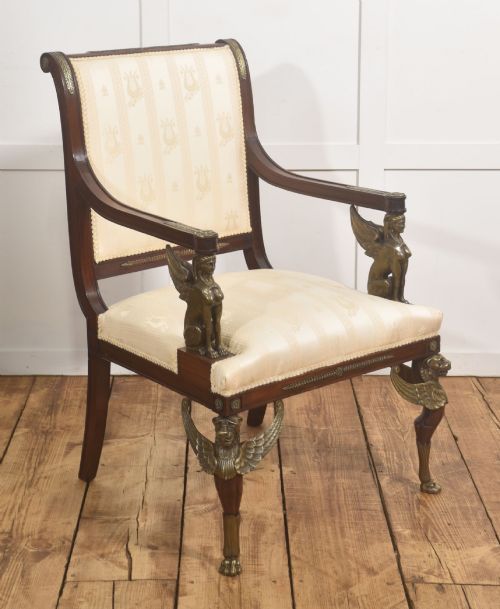
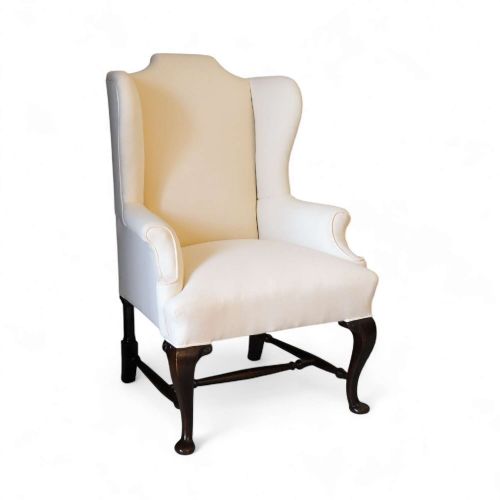
Makers and origins stretch across English, French, Swedish, and Dutch workshops, offering both side chairs and open armchairs with show frames. Many examples display specific design traits such as cabriole legs, lyre backs, or inlaid details.
What varies in quality
The distinction between standard and superior pieces rests upon the crispness of timber carving and the integration of decorative mounts. Finely carved side chairs and library chairs demonstrate superior hand-tooling on the mahogany show frame.
Proportion and structural integrity define the higher tiers of the range, seen in balanced forms like expansive library armchairs or petite bedroom chairs. Original mounts and refined upholstery choices further elevate the standing of individual seating pieces.
Cream Mahogany Accent Chair Retail Price Guide 2026
Typical asking prices for cream mahogany accent chair among the pieces listed under this phrase on Sellingantiques today, from the lower quarter to the upper quarter. They describe what is for sale here now, not the wider market.
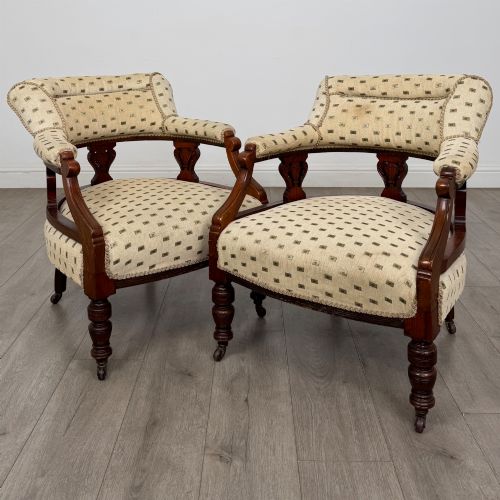
An eccentric Edwardian armchair arrives wrapped in a distinctive horse racing theme.
Howard and Sons·Wheeler Of Arncroach
The Cream Mahogany Accent Chair Glossary
- Mahogany
- A durable tropical hardwood prized for its rich reddish-brown colour and stability in furniture construction. It forms the primary structural material for these frames.
- Show frame
- A wooden structural skeleton left visible around the upholstered portions of an armchair. This design highlights the polished timber craftsmanship.
- Cabriole leg
- A furniture leg that curves outward in a convex arc and tapers inward in a concave arc, ending in a graceful foot. This feature appears frequently on Victorian examples.
- Damask
- A reversible figured fabric traditionally woven on a jacquard loom with patterns formed by contrasting warp and weft threads. It serves as an upper upholstery material.
- Carver chair
- An open armchair traditionally positioned at the head of a dining table or used as a parlour seat. These pieces match smaller side chairs in a set.
Cream Mahogany Accent Chair: Frequently Asked Questions
What periods do these chairs cover?
The pieces span from the eighteenth century through the nineteenth century up to the early twentieth century. This includes specific eras such as Georgian, Regency, Victorian, and Edwardian.
Craftsmanship styles range from early hand-carved library chairs to later revival pieces reflecting Dutch Baroque or French Empire influences.
How do I identify a library chair?
Library armchairs typically feature substantial proportions designed for comfortable reading and extended sitting periods. They often incorporate upholstered backs and arms supported by robust mahogany frames.
Many examples showcase decorative woodwork, such as carved show frames or inlaid details, distinguishing them from simpler bedroom or side chairs.
Where should I place a slipper chair?
Slipper chairs feature low seats and lack arms, making them traditionally suited for bedrooms and dressing rooms. Their compact proportions allow them to fit into tighter spaces as accent seating.
Modern placement often includes living rooms or guest chambers where a smaller profile chair complements larger armchairs and sofas.
Are these chairs newly upholstered?
Several listings note fresh upholstery work using materials like calico, cotton, or damask. This updates the seating surface while preserving the antique timber frame underneath.
Other pieces retain traditional textile coverings, allowing buyers to choose between restored fabrics and historical upholstery treatments.