
Cream Earthenware Ceramic
Cream earthenware ceramic pieces span Georgian teapots to Victorian jugs, offering durable utility and rich transfer-printed transferware history for daily display.
Cream Earthenware Ceramic
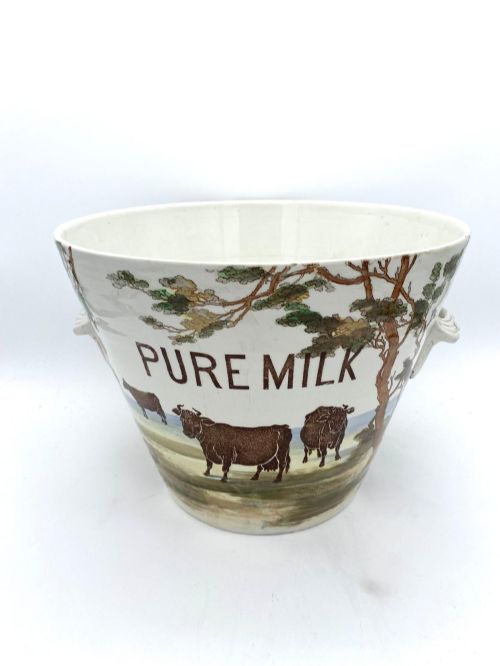
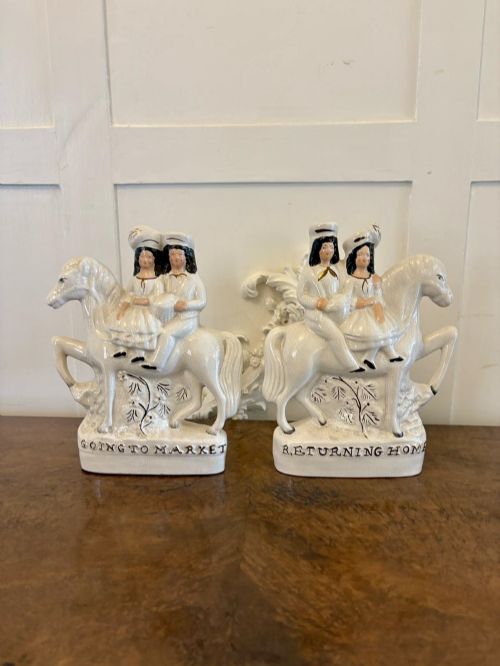
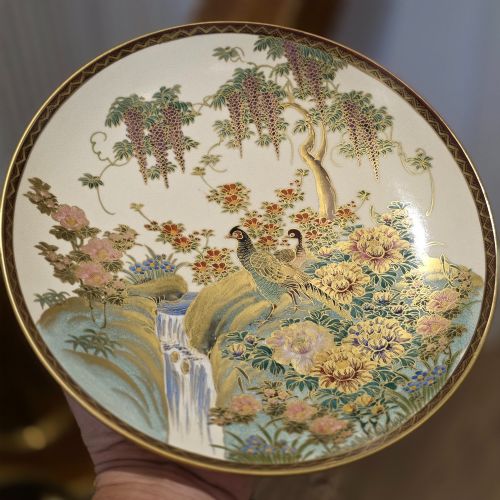
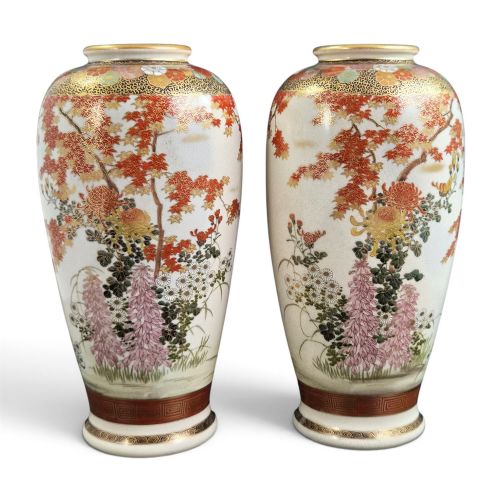
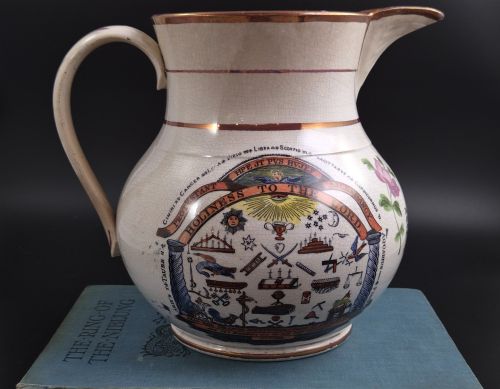
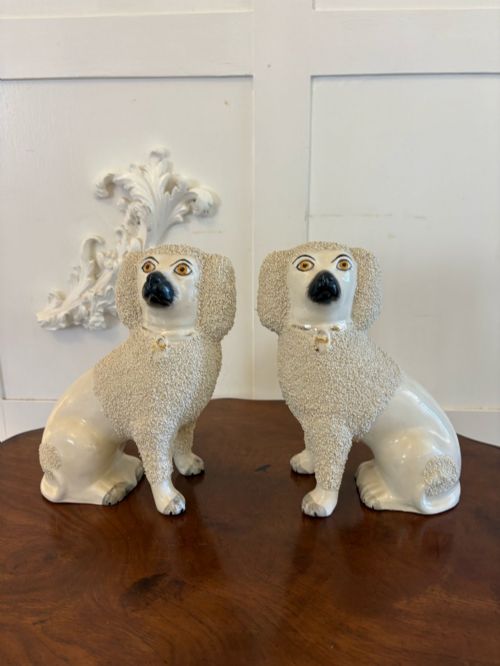
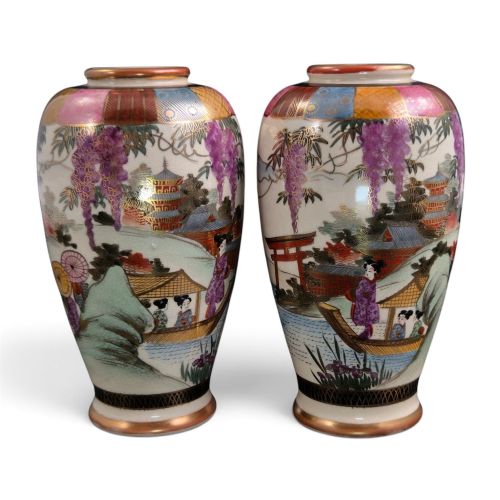
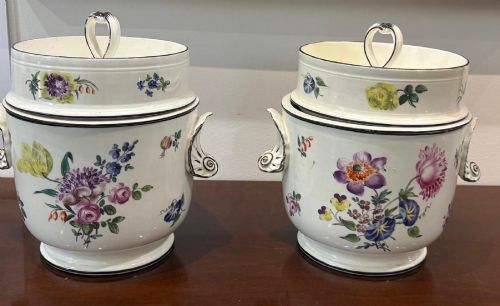
When you examine cream earthenware ceramic listings, you encounter a diverse array of domestic and decorative objects spanning the eighteenth, nineteenth, and early twentieth centuries. The selection encompasses functional tableware such as dinner plates, teapots, pudding bowls, and ice pails alongside figural groups, commemorative jugs, and dairy bowls. Georgian and Victorian English potteries dominate the offerings, augmented by Scottish wares and occasional continental examples.
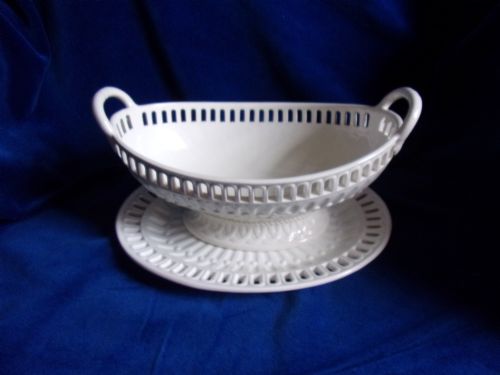
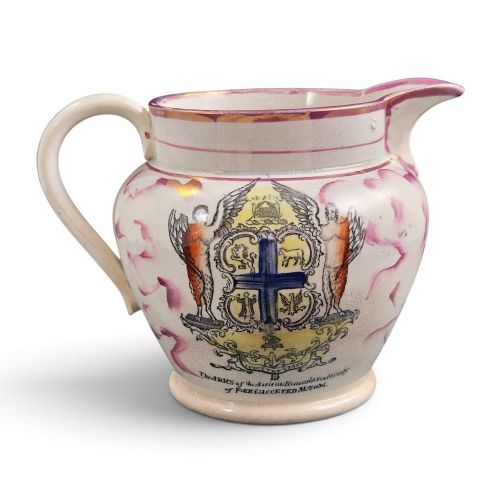
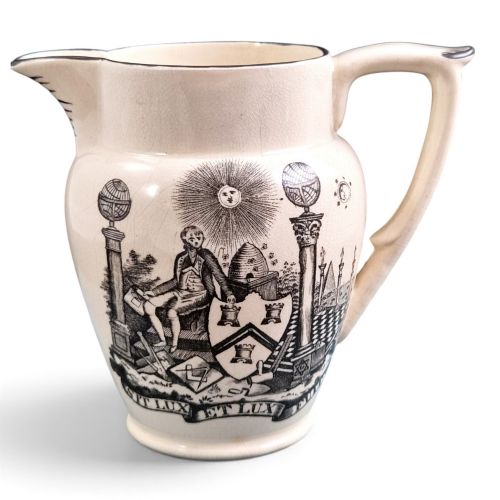
The most common forms on this page include transfer-printed pitchers, commemorative jugs bearing masonic or clipper ship motifs, and utilitarian vessels like creamware chargers and jelly moulds. English makers feature prominently, offering cream-glazed earthenware bodies shaped into baskets, ewers, and cow creamers. These utilitarian and display pieces reflect the everyday domestic requirements and commemorative traditions of past centuries.
How they were made
Makers shaped these cream earthenware ceramic objects using refined clay bodies, applying liquid lead or tin glazes to achieve smooth, pale surfaces suitable for subsequent decoration. Potters utilised hand-throwing, press-moulding, and slip-casting techniques to form hollowware vessels, teapots, and figural groups before firing them in kilns. The resulting porous earthenware bodies received protective, impermeable vitreous coatings.
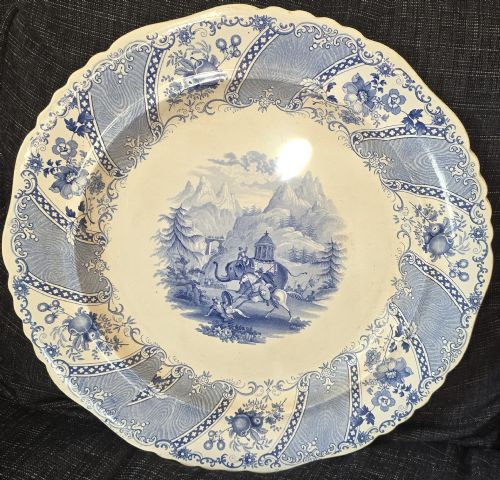
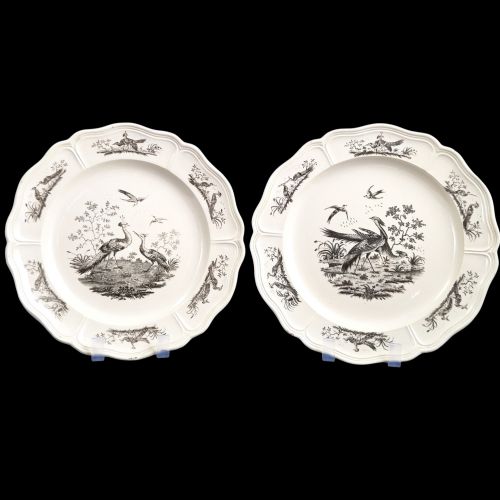
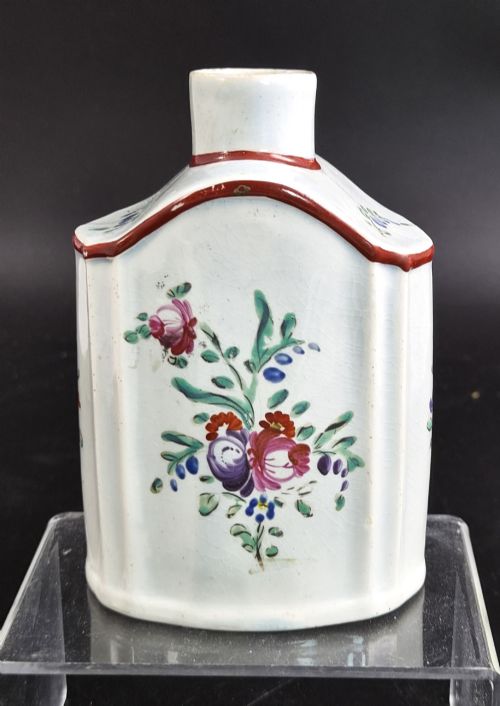
Decoration relied heavily on black and coloured transfer printing, where engraved copper plates transferred intricate designs onto the glazed or biscuit surfaces prior to a final low-temperature firing. Enamel paints and gold leaf additions occasionally provided hand-painted polychrome accents over the glaze. This combination of transfer-printed outlines and manual colour application defined much of the output from Staffordshire and northern potteries.
Some nineteenth-century Staffordshire cows were actually built to pour milk, turning your morning cuppa into a charming barnyard encounter.
What varies in quality
The standard of a cream earthenware ceramic piece rests largely on the crispness of its moulded details and the precision of its transfer-printed application. Finer examples exhibit sharp relief on figural groups and jelly moulds, whereas inferior items suffer from blurred outlines and obscured moulding caused by worn production moulds. The smoothness and even tone of the cream glaze further distinguish high-grade tablewares from heavier, utility-grade kitchen vessels.
Provenance and historical association elevate certain items, particularly armorial services and documented commemorative pottery tied to specific historical events or makers. The complexity of the ceramic form, such as pierced baskets or intricate handle mouldings, demonstrates superior potting skill. Pieces retaining vibrant hand-painted enamel overglaze details command greater appreciation than plain monochrome versions.
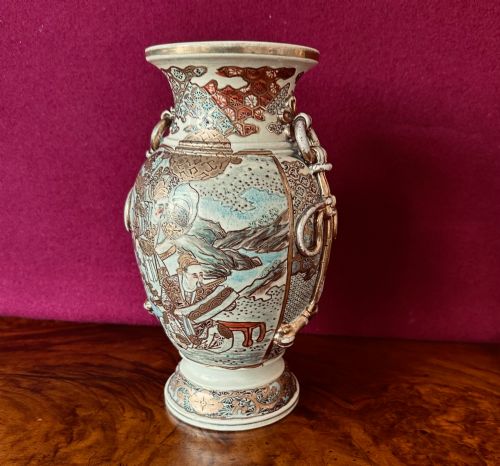
Wedgwood·Koshida·Maruni Kobe·Shozan·Seaton Pottery·Kizan·Cantagalli·Moorcroft McIntyre
The Cream Earthenware Ceramic Glossary
- Creamware
- A refined pale-coloured earthenware developed in eighteenth-century England, featuring a transparent lead glaze that yields a warm yellowish hue. Wedgwood and other Staffordshire potteries popularised this durable body for domestic dining.
- Transfer printing
- A decoration technique using an engraved copper plate to offset a design onto tissue paper, which is then transferred onto the ceramic surface. This method allowed intricate patterns to be applied rapidly before glazing and firing.
- Pearlware
- An improved earthenware body introduced in the late eighteenth century containing a small amount of cobalt in the glaze to neutralise the natural yellow tint of the clay, producing a bluish-white appearance.
- Prattware
- A type of polychrome earthenware produced in the late eighteenth and early nineteenth centuries, characterised by underglaze metallic oxide colours such as cobalt blue, ochre, and manganese brown.
- Armorial
- Ceramic tableware decorated with a family coat of arms, crest, or heraldic badge, usually commissioned by wealthy patrons for formal dining.
Cream Earthenware Ceramic: Frequently Asked Questions
How do I clean cream earthenware ceramic?
Wash these items gently in warm water using mild soap and a soft cloth to protect the historic glaze and any delicate enamel decorations. Avoid harsh scouring pads or modern dishwashers, which can crack fragile earthenware bodies and strip away old surface details.
Dry the pieces thoroughly with a lint-free towel immediately after washing. Storing them away from direct sunlight prevents the transfer-printed pigments and hand-painted enamels from fading over time.
Are these ceramic items safe for food?
Many older cream earthenware ceramic vessels contain lead within their historic glazes, making them unsuitable for regular modern food or liquid consumption. Acidic foods can leach these compounds from the porous earthenware body over extended periods.
Treat antique tableware and jugs as decorative display pieces rather than practical kitchenware. Enjoy their historical craftsmanship visually rather than risking damage to the glaze through daily culinary use.
How can I date cream earthenware?
Examine the base, glaze tone, and manufacturing marks to help determine the age of a piece. Earlier eighteenth-century creamware exhibits a rich, warm butter-yellow glaze, while later nineteenth-century versions tend towards a whiter or greyer finish.
Look for impressed maker marks, painter initials, or pattern names stamped into the clay body. Comparing the decorative motifs, such as Georgian transfer prints versus Victorian floral styles, provides additional chronological context.
What caused the cream colour in old earthenware?
The distinct yellowish tone stems from the natural iron content present in the local clays used by early potters before the invention of whiter Staffordshire bodies. Firing these clays under standard kiln conditions produced a warm, creamy finish.
Potters enhanced this natural colour by applying a transparent lead glaze over the fired biscuit body. The interaction between the iron in the clay and the glaze ingredients created the signature aesthetic of eighteenth-century tableware.