
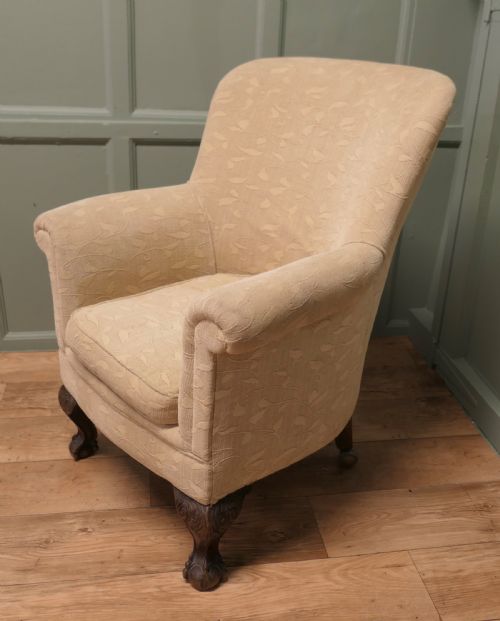
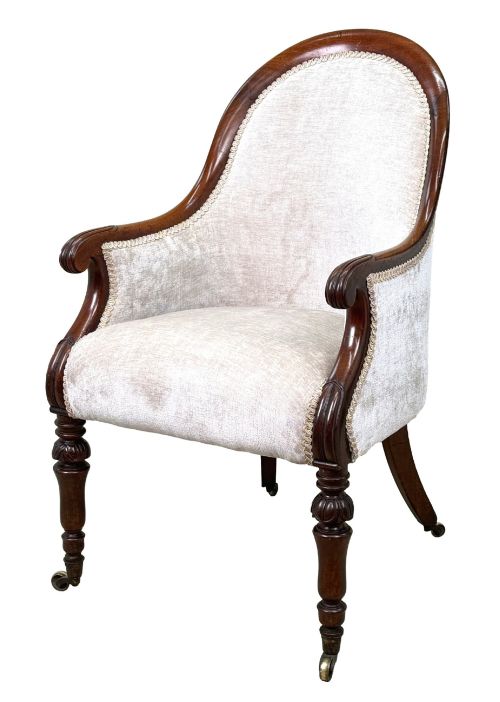
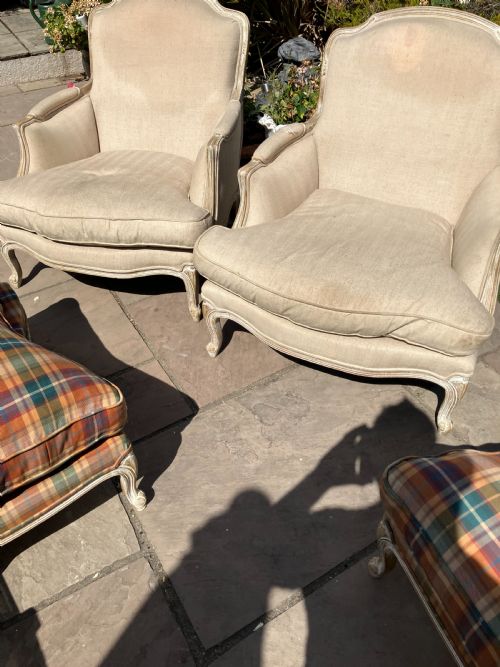
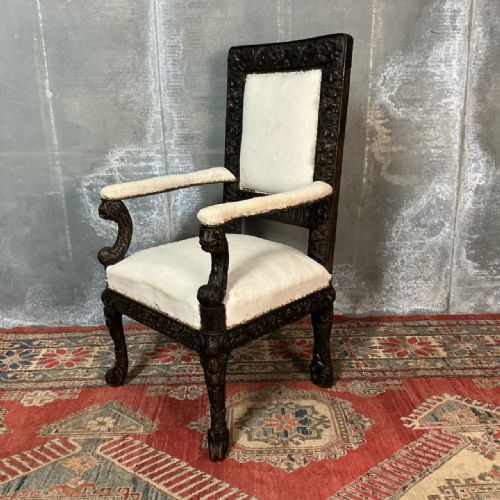
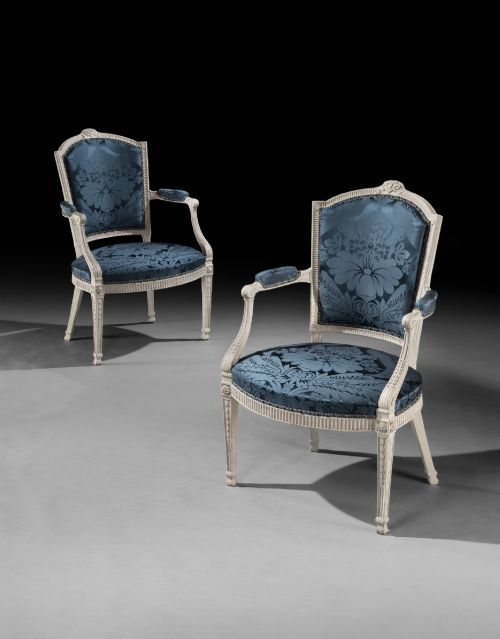
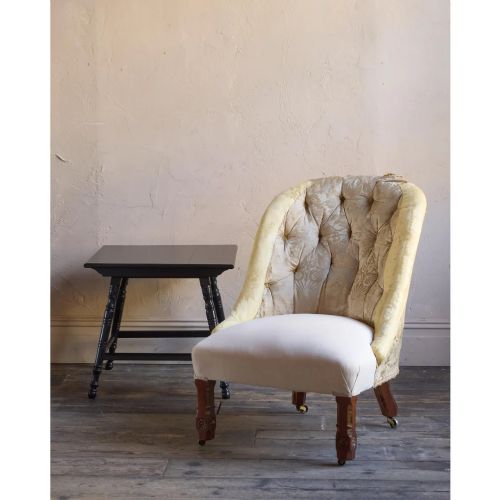
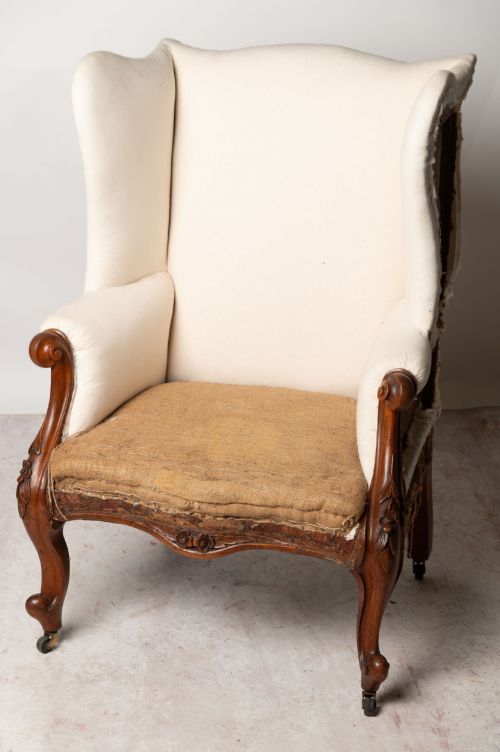
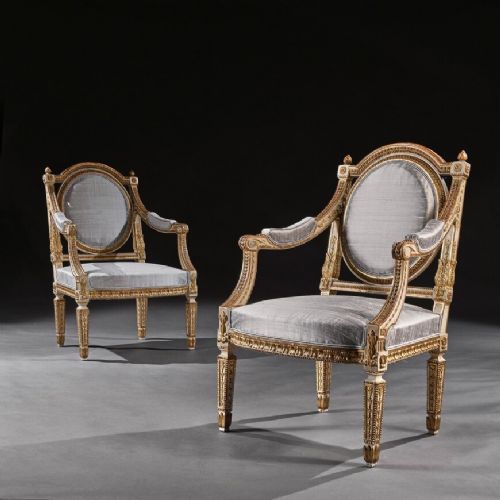
Cream Carved Armchair
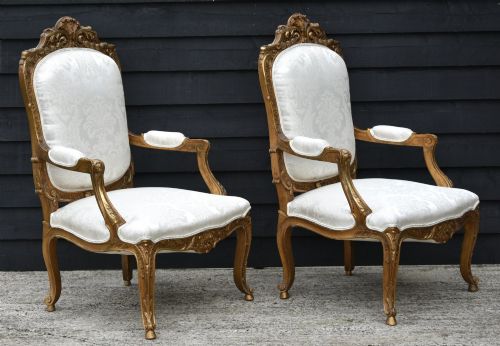
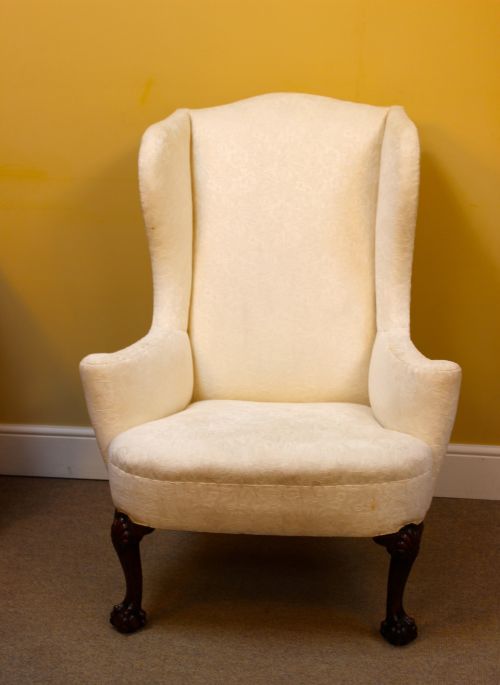
A cream carved armchair brings historic seating into a room with pale painted frames and textured upholstery.
Cream Carved Armchair
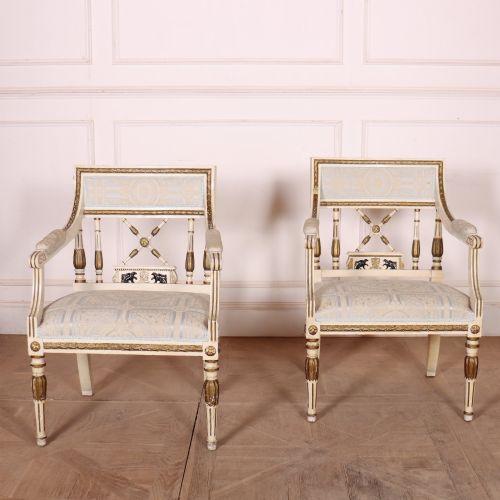
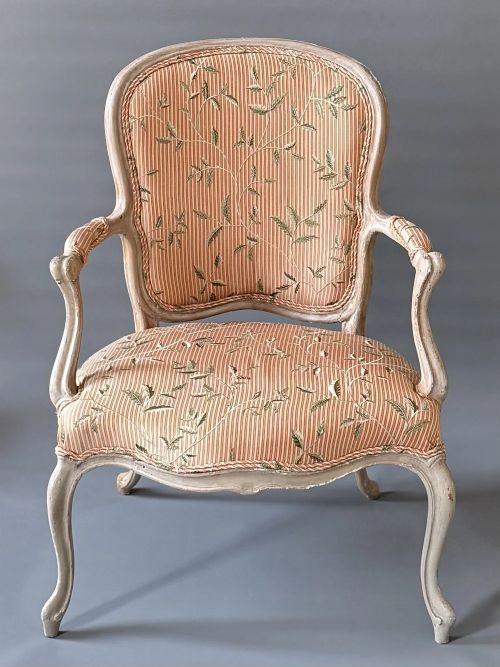
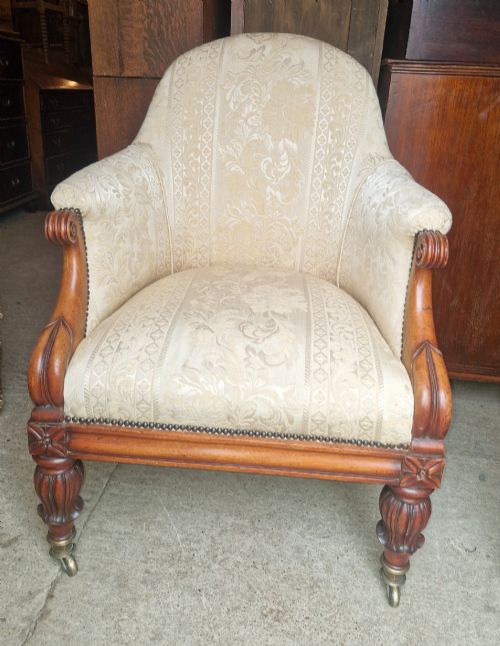
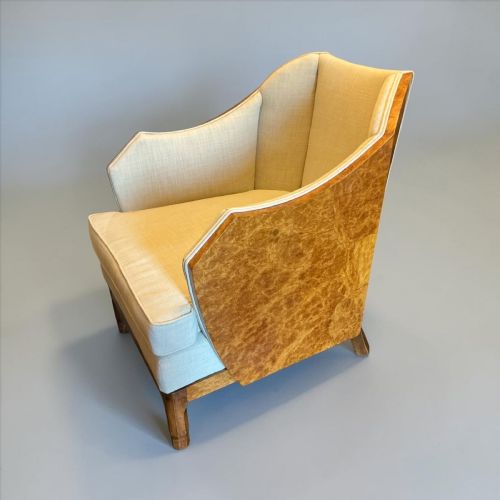
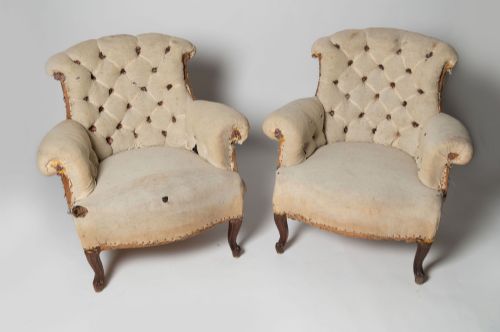
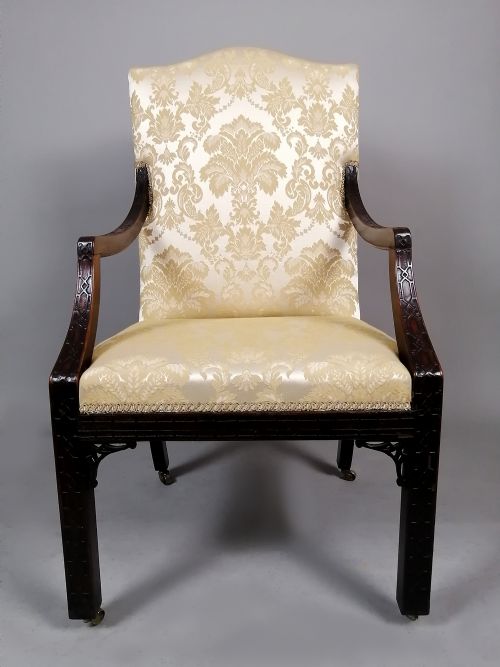
A cream carved armchair spans periods from the eighteenth century through the twentieth century, taking forms such as library armchairs, tub chairs, and salon seats. Buyers search for these pieces to add traditional seating with carved wooden frames and pale finishes to an interior.
The selection includes French styles, Regency designs, and Victorian examples alongside revival pieces. Painted wood and gilt finishes frequently appear alongside exposed mahogany and walnut frames.
Most pieces encountered on this page date from the nineteenth century or utilise revival styles inspired by earlier periods. Upholstery ranges from plain calico to patterned textiles and linen.
Materials and construction
Frames are constructed from hardwoods including mahogany, walnut, oak, and beech, which provide structural integrity for elaborate carving. Painted wood and parcel gilt surfaces create the pale aesthetic characteristic of these chairs.
Upholstery relies on traditional textiles such as linen, fabric, and calico, often supported by brass details. Carved ornamentation defines the wooden structural elements of the arms, legs, and crest rails.
Listings combine eighteenth-century pieces with nineteenth-century Victorian and Regency examples, alongside twentieth-century revival styles.
Assessing quality
Depth and crispness of the hand carving distinguish finer examples from simpler production pieces. The selection of timber and the quality of the painted or gilt finish indicate the original maker's intent.
Proportion and structural balance separate standard seating from exceptional library and salon chairs. The retention of period upholstery materials or sympathetic re-upholstery maintains the integrity of the piece.
The Cream Carved Armchair Glossary
- Bergere
- An enclosed upholstered armchair with wooden frames and woven cane or fabric sides. This French form offers substantial comfort.
- Fauteuil
- An open-framed upholstered armchair originating in France with exposed wooden arms. The design emphasises carved woodwork around the arm terminals and frame.
- Tub chair
- A curved armchair where the back and arms form a single continuous rounded enclosure. This compact form appears frequently in nineteenth-century designs.
- Parcel gilt
- A surface decoration where specific carved details receive a thin application of gold leaf over paint or wood. This technique highlights particular ornamental motifs.
Cream Carved Armchair: Frequently Asked Questions
How do I clean the painted wood?
Dust the carved frame regularly with a soft, dry cloth to prevent dirt accumulation in the recesses. Avoid harsh chemical cleaners that can damage historic painted or gilt surfaces.
Test any mild cleaning solution on a hidden area before applying it to visible parts of the chair. Professional conservation methods help preserve fragile antique finishes.
Are these chairs suitable for daily use?
Most antique armchairs function well for everyday sitting provided the internal webbing and joints remain secure. Heavier frames handle regular use comfortably.
Delicate salon chairs with extensive carving require more careful handling than sturdy library armchairs. Check the structural stability before placing a piece in a high-traffic area.
What periods do these chairs represent?
The listings encompass eighteenth-century pieces alongside nineteenth-century Victorian and Regency examples. Twentieth-century revival styles also feature prominently.
Stylistic influences span French Louis patterns, Swedish Empire designs, and English traditional forms. Each period displays distinct carving characteristics and frame proportions.
How do I choose the right upholstery?
Consider whether the chair retains historic fabric or requires new material such as linen or calico. Many pieces arrive newly upholstered for immediate placement.
Matching the textile weight to the chair's proportions ensures visual and physical balance. Traditional patterns complement antique frames while neutral fabrics highlight carved details.