
Cream Button Back Chair
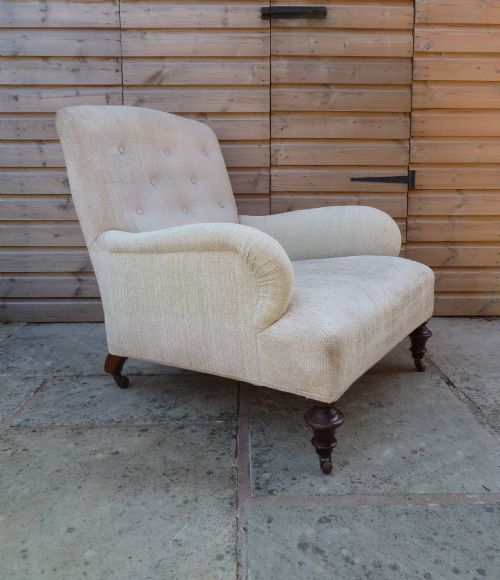
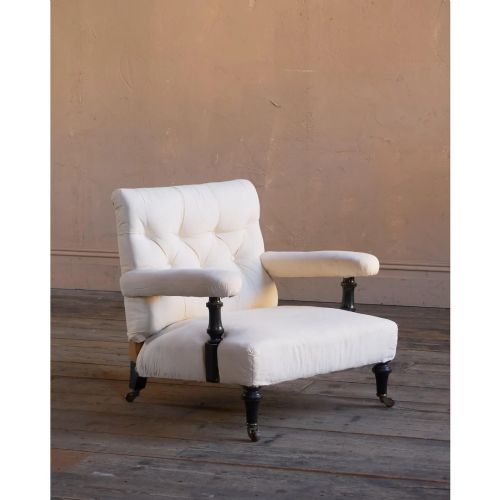
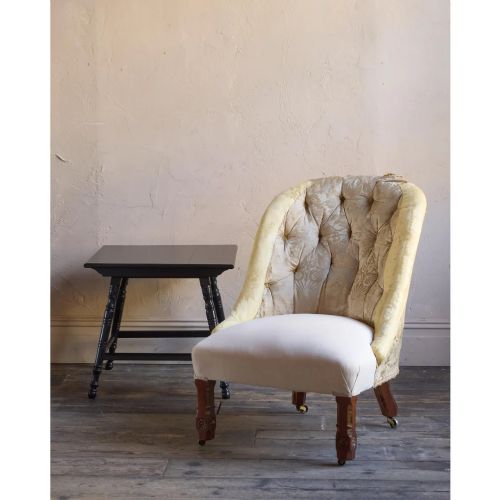
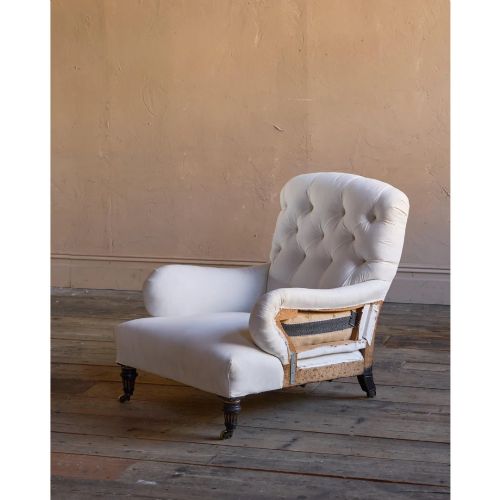
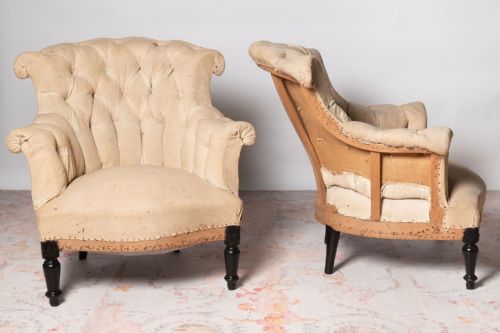
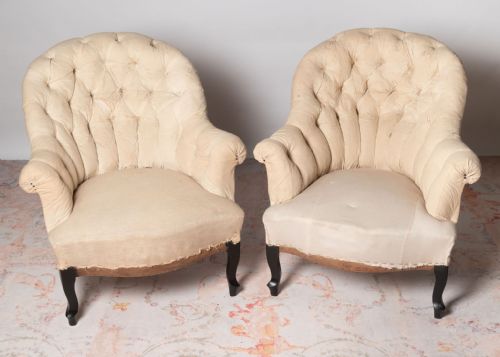
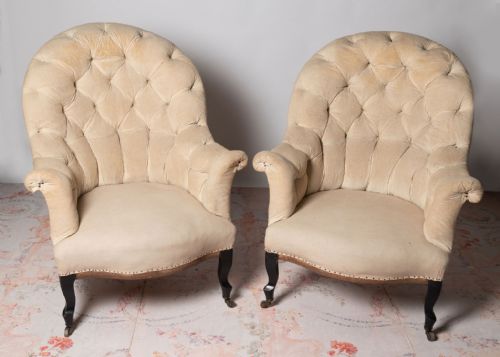
A cream button back chair offers deep upholstery and tailored tufting, bringing nineteenth-century comfort and elegance into modern drawing rooms.
Cream Button Back Chair
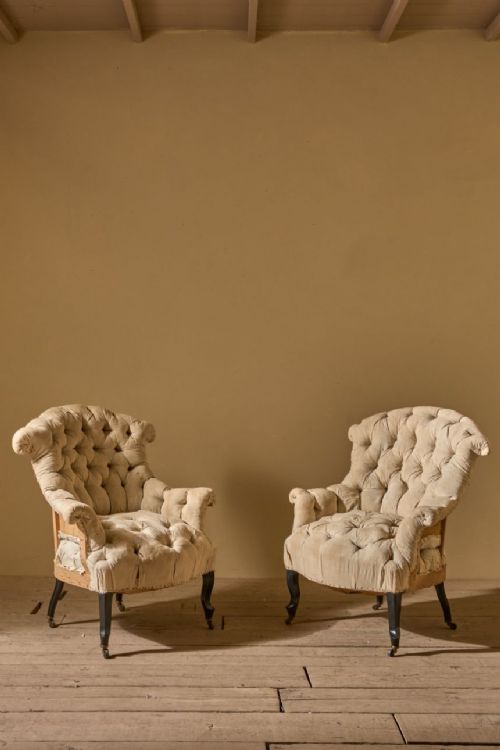
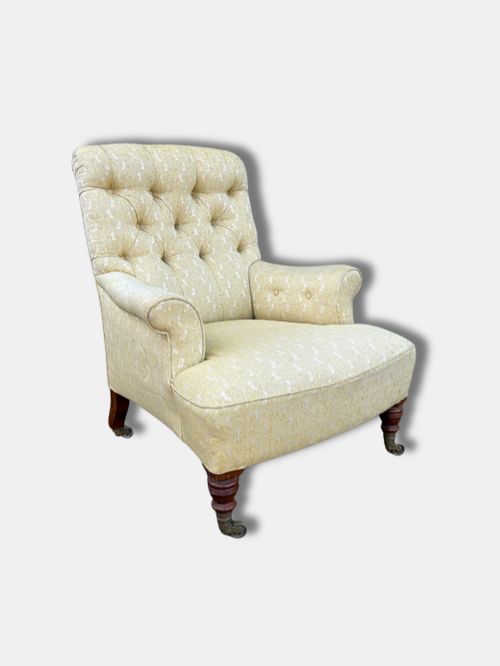
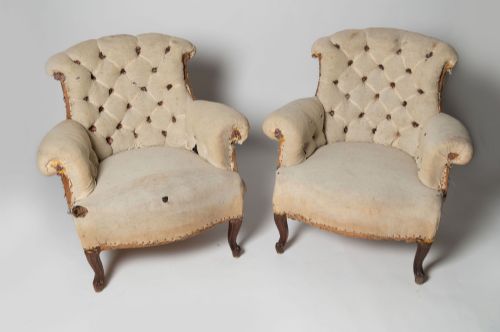
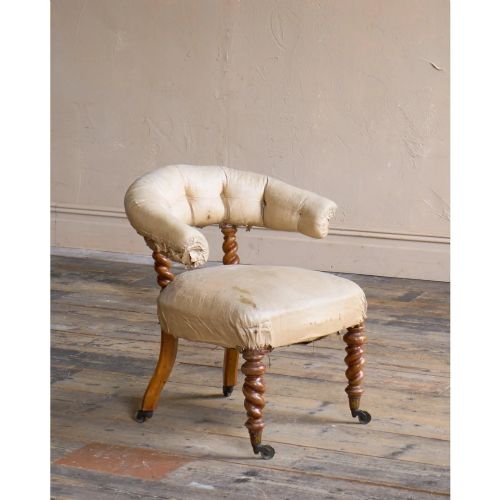
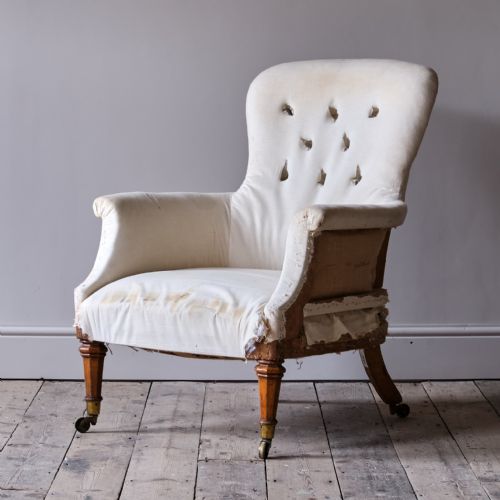
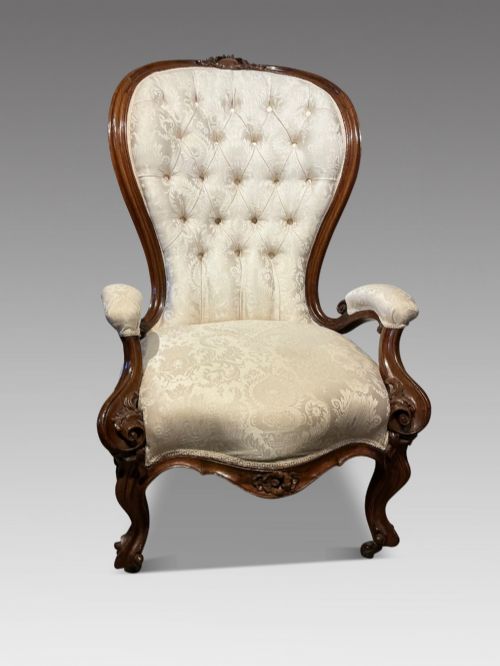
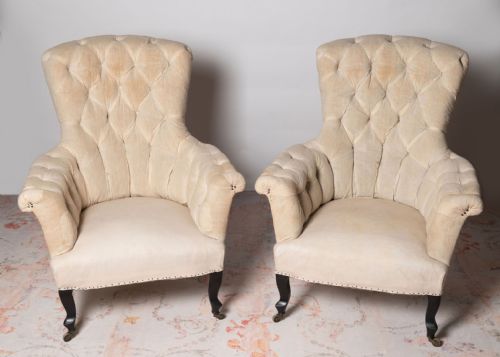
When you search for a cream button back chair, you encounter nineteenth-century seating built for drawing rooms, bedrooms, and parlours. These pieces span Victorian, Regency, and Edwardian periods, frequently appearing in French Napoleon III and English country house styles.
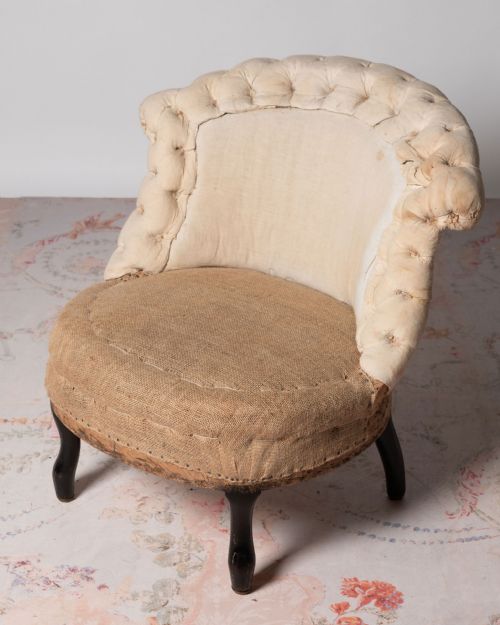
The form ranges from reading armchairs and low salon chairs to larger upholstered armchairs and chaise longues. Most examples rely on neutral fabric coverings like calico or textured textiles to highlight the deep tufting on the backrest.
Makers and workshops of the era produced these chairs in various proportions, from intimate bedroom chairs to expansive seating designed for formal reception rooms. The unifying element across these pieces remains the buttoned upholstery paired with exposed timber or brass details.
How they were made
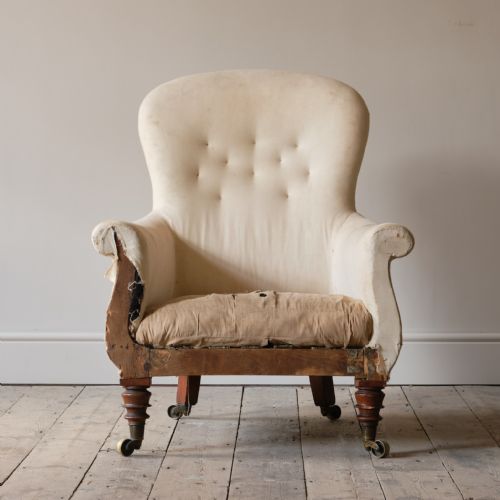
Cabinet makers and upholsterers built these frames using robust hardwoods such as mahogany, walnut, and timber to ensure structural longevity. Exposed legs often featured turned or cabriole designs, sometimes accented with brass castors.
The distinctive tufting was achieved by pulling cord or twine through thick padding and securing it to the internal webbing with buttons, creating structured tension across the backrest. Traditional fillings utilised materials like hessian beneath fabric layers such as calico and heavier decorative textiles.
Listings feature nineteenth-century seating in walnut, mahogany, and brass, spanning Victorian, Regency, and Edwardian periods.
What varies in quality
The refinement of the woodwork distinguishes finer examples, visible in hand-carved cabriole legs, ebonised finishes, or gilded details. The precision of the button tufting and the weight of the frame timber indicate the original maker's ambition.
The integrity of the internal webbing and the quality of the timber frame separate standard production seating from pieces originating in notable workshops.
Howard and Sons·C. Hindley and Sons·Hamptons and Sons·Mellier and Co
The Cream Button Back Chair Glossary
- Button back
- Upholstery style featuring recessed buttons arranged in a grid pattern to create padded diamond shapes. This technique provides both structural support and decorative texture.
- Cabriole leg
- Furniture leg featuring a double curve, typically arching outward at the knee and tapering inward toward the foot. It appears frequently on Victorian and eighteenth-century seating.
- Calico
- Plain-woven cotton fabric often used as a base layer for upholstery before applying top covers. It provides a sturdy foundation for button tufting.
- Hessian
- Coarse woven fabric made from jute fibres, traditionally utilised inside upholstered furniture for webbing and internal padding support.
Cream Button Back Chair: Frequently Asked Questions
What defines a cream button back chair?
A cream button back chair is typically a nineteenth-century upholstered seat featuring deep tufted buttons across the backrest and neutral fabric coverings. These pieces include armchairs, salon chairs, and reading chairs from Victorian and Edwardian periods.
They combine padded comfort with tailored upholstery, often supported by exposed mahogany or walnut frames.
Where were these chairs used originally?
Original placements included formal drawing rooms, private boudoirs, reading corners, and country house bedrooms. Smaller variants functioned as salon or ladies chairs, while larger armchairs provided restful seating for studies.
Their varied proportions allowed them to suit both intimate spaces and grand reception rooms.
How do I style a button back chair today?
These chairs work well as accent pieces in modern living rooms, bedrooms, or dressing areas. Their neutral upholstery allows them to blend easily with contemporary colour schemes while adding historic texture.
Pair them with simple side tables or position them near reading lamps to highlight their traditional silhouette.
How do I identify a Victorian example?
Victorian examples often feature walnut or mahogany frames with turned legs, ceramic or brass castors, and robust button-tufted upholstery. Stylistic cues include Aesthetic movement details or carved cabriole legs.
Examining the underlying timber and construction methods helps confirm the nineteenth-century origin.