


Crackle Glaze Porcelain
Crackle glaze porcelain spans centuries of kiln artistry, offering collectors distinctive surface crazing across Japanese Satsuma ware and Chinese Qing vessels.
Crackle Glaze Porcelain
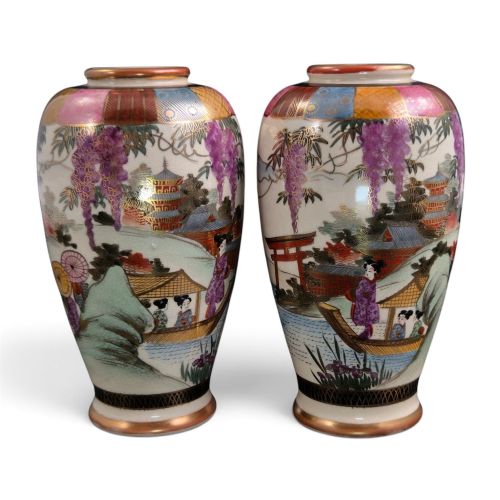
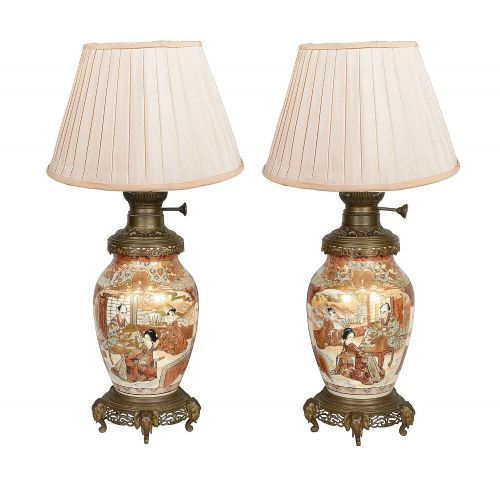
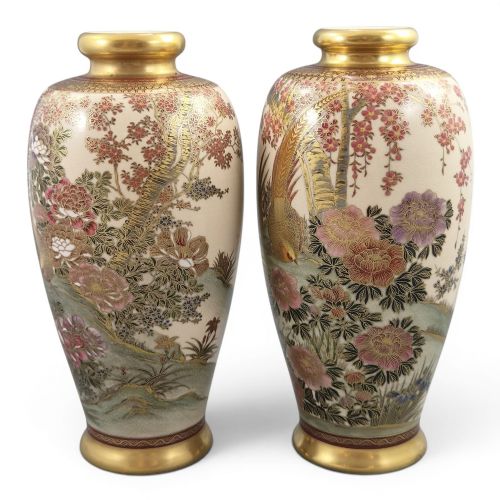
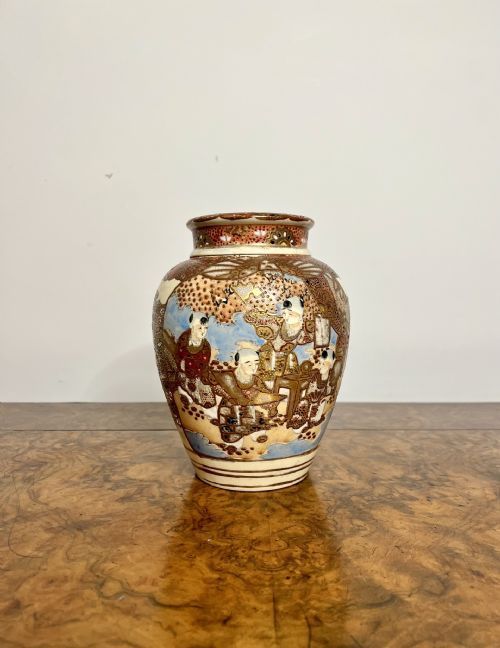
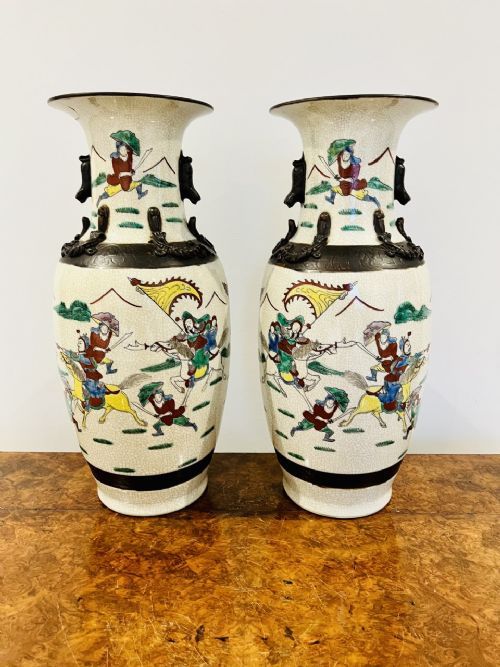
When you search for crackle glaze porcelain, you encounter a selection spanning the 18th century through to the early decades of the 20th century. The pieces are predominantly Japanese Satsuma wares from the Meiji, Taisho, and Showa periods, alongside Chinese Qing dynasty vessels and French lamps.
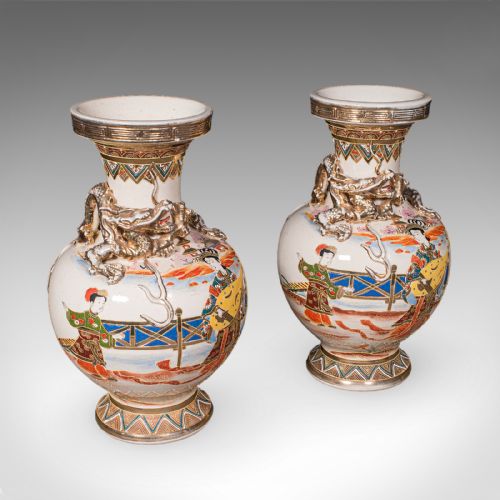
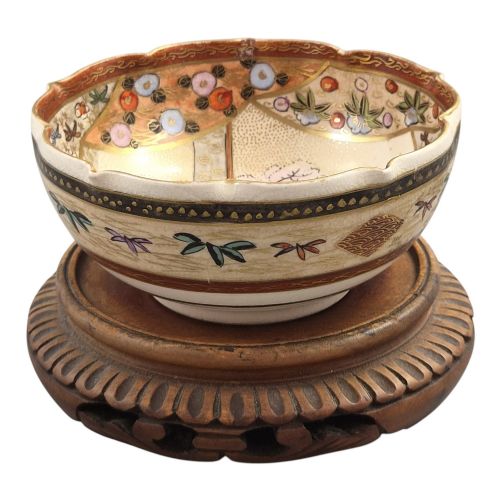
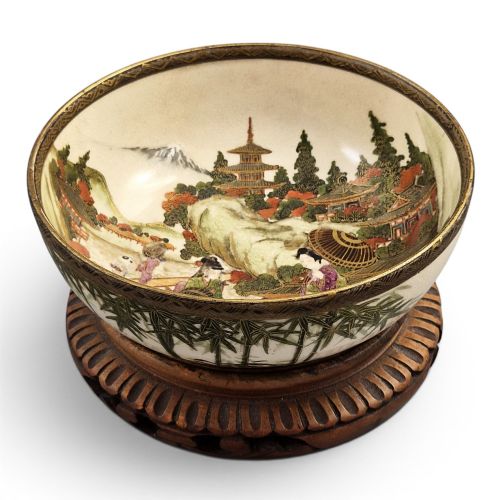
Vases, ginger jars, tea caddies, and decorative bowls form the core of the selection on this page. These items range from miniature hand-painted vases to monumental baluster urns decorated with landscapes and figural processions.
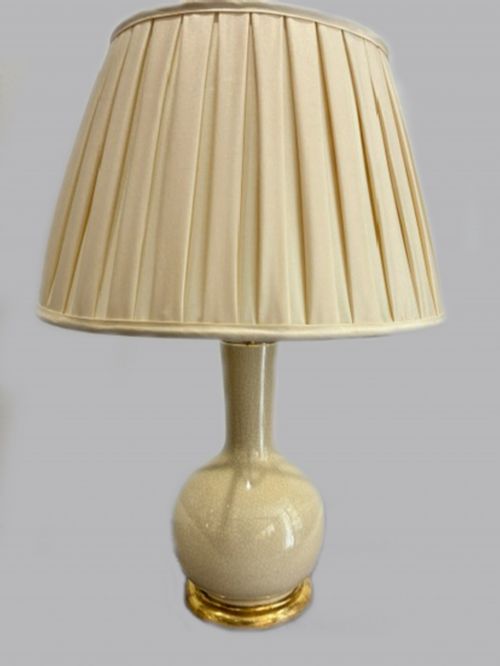
The aesthetic bridges East Asian traditions and European interiors, particularly through pieces adapted into table lamps during the Victorian and Edwardian eras. Buyers encounter everything from delicate brush washers to large pairs of display vases.
How they were made
Potters achieved the signature cracked surface through a deliberate mismatch in thermal expansion between the ceramic body and the glaze during cooling. Enamel painting, gold leaf, and cobalt blue pigments were then applied over or under the glaze depending on the workshop.
Earthenware and porcelain bodies were shaped by hand or wheel, often utilising specialised local clays from Kyoto or regional Chinese kilns. Metal mounts in brass or ormolu were frequently added later by European workshops to convert jars and vases into lamps.
An art deco ceramic pheasant sneaks into the porcelain collection, proving that even crackle glaze needs a feathered friend.
What varies in quality
Quality rests upon the fineness of the crackle network, the precision of the hand-painted enamels, and the crispness of the gilding. Master works exhibit balanced compositions and delicate brushwork that distinguish them from mass-produced export pieces.
The reputation of the studio or signed maker dictates the upper tier of the market. Pieces carrying signatures from renowned Kyoto workshops or imperial Chinese kilns command greater attention than unmarked provincial output.
Manpei·Gyokkō·Kinkōzan Workshop·Shizan·Ryuzan·Chosei·Seiko-en Chokei·Tokyo Taizan·Shozan·Hayakawa
The Crackle Glaze Porcelain Glossary
- Satsuma
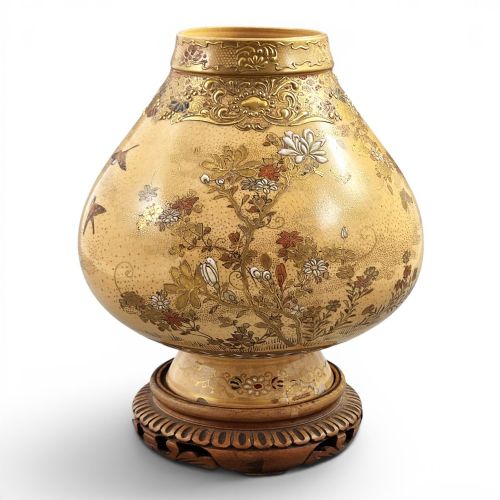
- Japanese earthenware or stoneware with a pale ivory crackle glaze, typically decorated with polychrome enamels and raised gold. It became a major export product during the Meiji period.
- Moriage
- A decorative ceramic technique using slip to build up raised dots, lines, and motifs before firing and painting. This creates a tactile, three-dimensional surface texture.
- Celadon
- A type of transparent green or grey-green glaze applied over porcelain or stoneware, often showing subtle crackle lines. It originates from ancient Chinese kiln traditions.
- Kinkōzan
- A celebrated Kyoto pottery family and workshop that produced high-quality Satsuma ware for export. Their pieces are frequently marked and sought after by collectors.
- Brush Washer
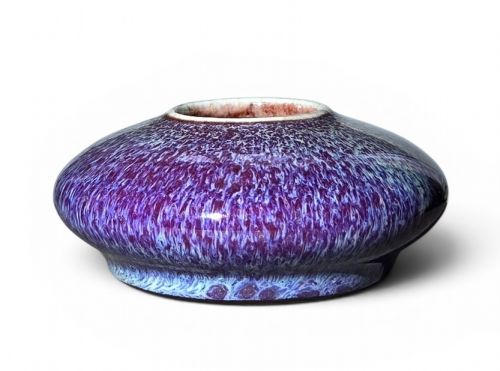
- A small scholar's vessel used for cleaning ink brushes in traditional East Asian studies. Examples in this category often feature monochrome or ge-type crackle glazes.
Crackle Glaze Porcelain: Frequently Asked Questions
How do I care for crackle glaze porcelain?
Dust the surface gently with a soft, dry cloth to protect delicate enamel and gilt details. Avoid using water or liquid cleaning agents, as moisture can penetrate the crazed glaze lines.
Keep pieces away from direct sunlight and dramatic temperature fluctuations. These precautions prevent the ceramic body and glaze from expanding or contracting unevenly.
Are these pieces waterproof?
Many antique crackle glaze vessels, particularly earthenware Satsuma pieces, are porous due to the nature of the clay and the deliberate crazing in the glaze. Using them to hold fresh flowers can allow water to seep behind the glaze layer.
Display them dry or utilise a concealed internal container if you wish to use them as vases. This protects the historic fabric of the ceramic from moisture damage.
What is the difference between Chinese and Japanese crackleware?
Chinese crackleware often follows ancient monochrome traditions, such as Ge-type or Celadon glazes, where the aesthetic relies on the subtle interplay of the crackle pattern and the tone of the glaze. These pieces date from the Qing dynasty or earlier.
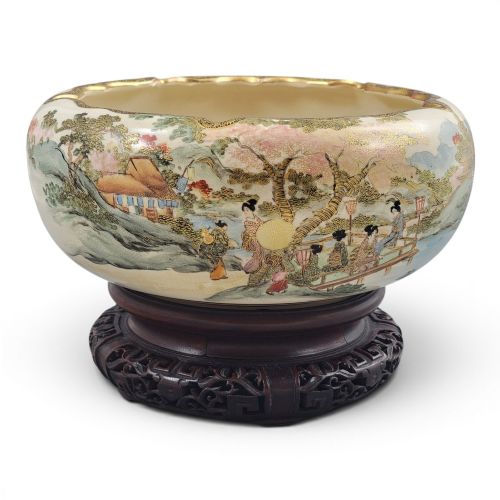
Japanese Satsuma pieces from the Meiji period typically feature busy, colourful pictorial scenes depicting court figures, landscapes, and floral motifs over the crackled surface. The decorative density is usually much higher on the Japanese export pieces.