






Covered Porcelain Vessel
A covered porcelain vessel combines utility with refined display, offering a lidded chamber for ginger, pot pourri, or chocolate that rewards close study.
Covered Porcelain Vessel
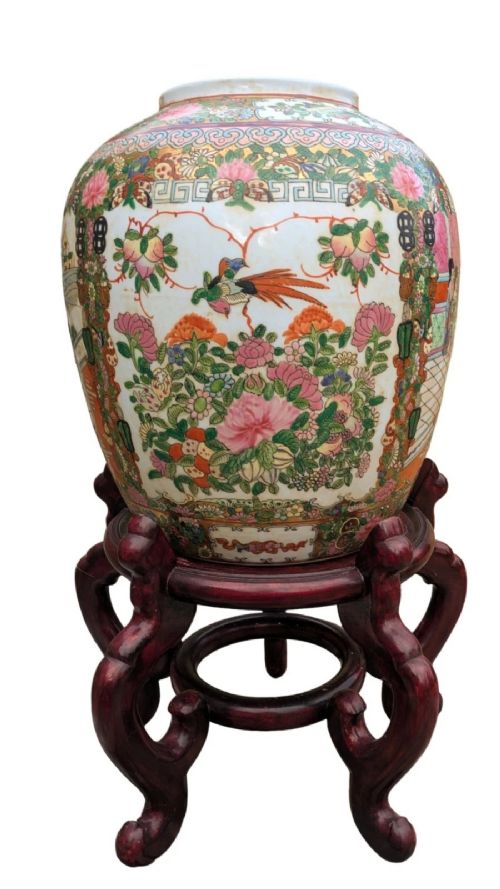
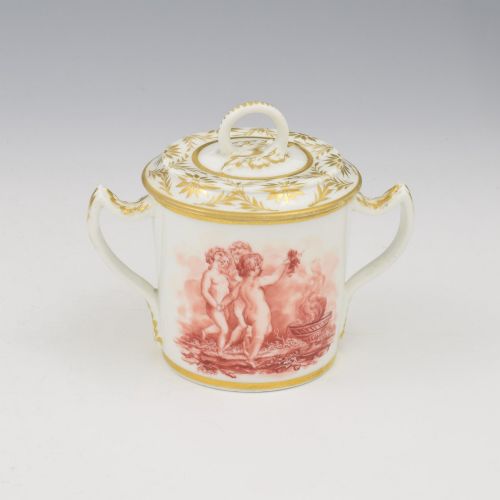
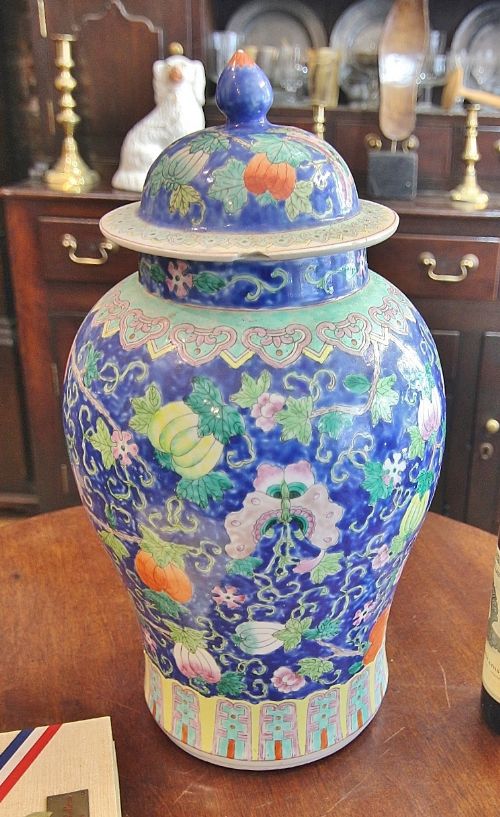
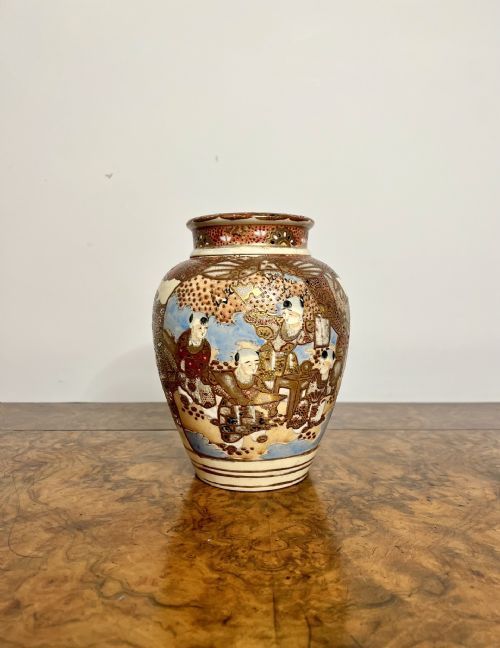
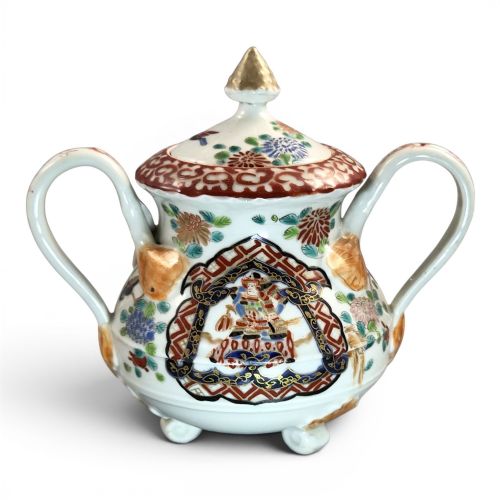
A covered porcelain vessel encompasses ginger jars, urns, sugar bowls, and chocolate cups created across multiple centuries and workshops.
Makers in China, Japan, and European porcelain houses shaped these pieces for both domestic service and ornamental display.
Visitors to this selection encounter forms ranging from massive decorative jars to delicate lidded teapots and censers.
Materials and Technique
Potters shaped fine clay bodies, bone china, and porcelain before applying cobalt blue underglazes, polychrome enamels, or gilding.
Kiln firing fused the glazes to the ceramic body, creating durable surfaces that frequently received secondary overglaze painting in workshops.
Certain European pieces integrated cast gilt bronze mounts to frame and elevate the ceramic components.
Covered Porcelain Vessel Retail Price Guide 2026
Typical asking prices for covered porcelain vessel among the pieces listed under this phrase on Sellingantiques today, from the lower quarter to the upper quarter. They describe what is for sale here now, not the wider market.
Materials represented across the selection range from traditional earthenware and bone china to gilt bronze mounts.
Execution and Detail
The refinement of the painted decoration, from hand-painted botanical scenes to precise armorial motifs, distinguishes the standard of work.
The crispness of the porcelain throwing and the exact fit of the matching cover indicate the skill of the potter.
Signatures, factory marks, and crests establish the specific origin and authorship of the piece.
Royal Worcester·Bloor Derby·Royal Crown Derby·Spode·Royal Vienna
The Covered Porcelain Vessel Glossary
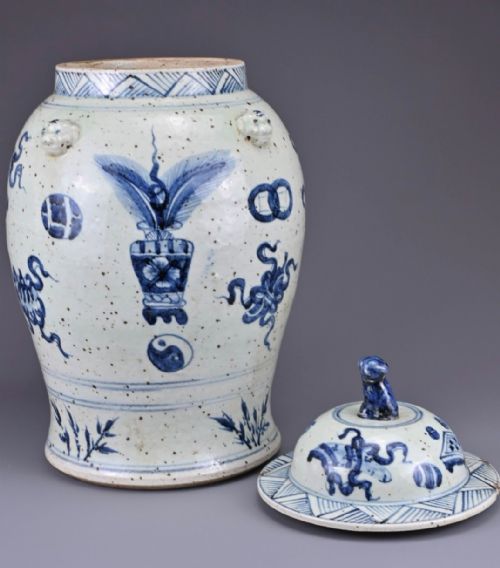
- Ginger jar
- A high-shouldered ceramic vessel originally designed for preserving spices and later produced purely for ornamental display.
- Sucrier
- A covered sugar bowl intended for the tea table, frequently produced in matching tea services by English and European factories.
- Imari
- A style of Japanese export porcelain decorated in underglaze blue, iron red, and gold, named after the port of shipment.
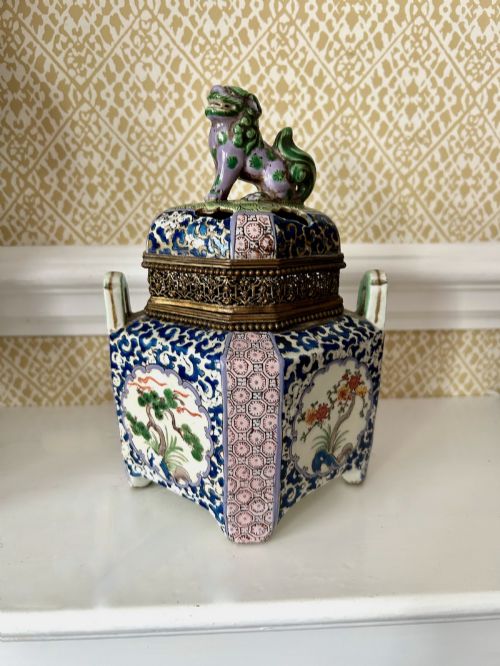
- Koro
- A Japanese incense burner typically featuring an openwork cover and supported on small feet.
- Pot pourri
- A lidded vessel perforated to release the scent of dried flowers and spices held within.
Covered Porcelain Vessel: Frequently Asked Questions
What were covered porcelain vessels used for?
Many of these lidded pieces held precious commodities such as ginger, tea, sugar, or aromatic spices in domestic settings.
Others served a purely decorative purpose as garniture vases, urns, or pot pourri containers placed on mantelpieces.
How do I identify the date of a porcelain piece?
Makers often stamped or painted factory marks, ciphers, or pattern numbers directly onto the unglazed base of the ceramic.
Stylistic indicators such as colour palettes, hand-painted signatures, and mounting techniques also point toward specific periods.
Are these vessels dishwasher safe?
Antique ceramics require careful hand washing in lukewarm water without abrasive detergents to protect delicate glazes and gilding.
Harsh cleaning methods can permanently damage historical enamel work and fragile gold leaf.
How do Japanese and European styles differ?
Japanese export wares frequently employ Imari palettes or Satsuma earthenware techniques with intricate gilt and enamel detailing.
European factories like Worcester or Sevres often adapted classical forms with painted botanical scenes or transfer printing.