



Countryside Scene Picture
A countryside scene picture brings rural life, riversides and pastoral views directly onto the wall through nineteenth and twentieth-century painting.
Countryside Scene Picture
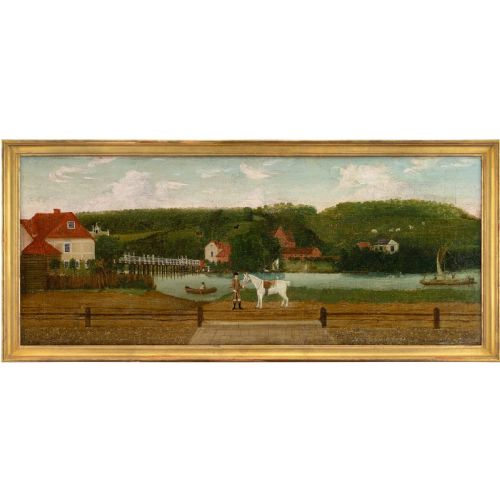
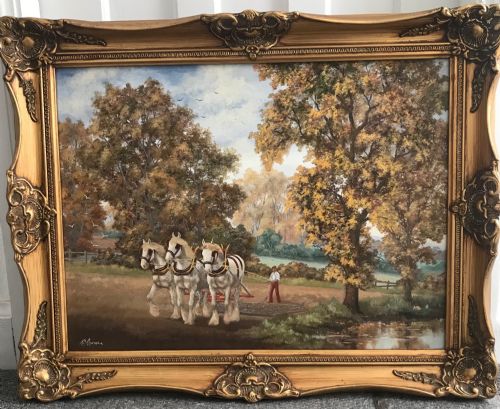
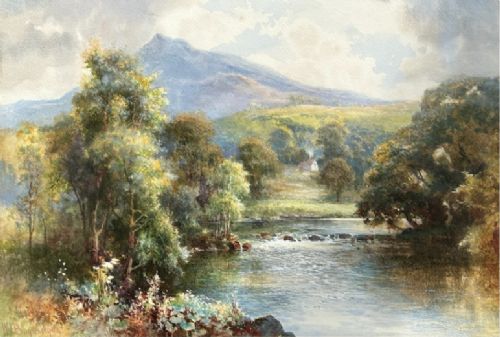
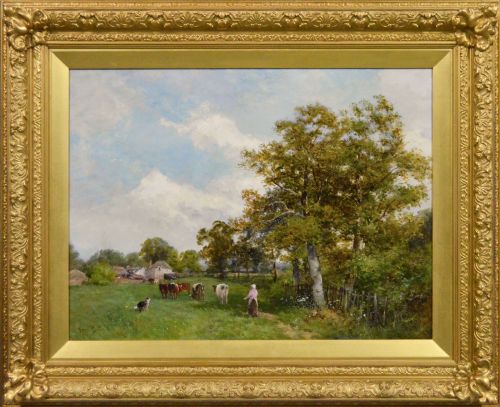
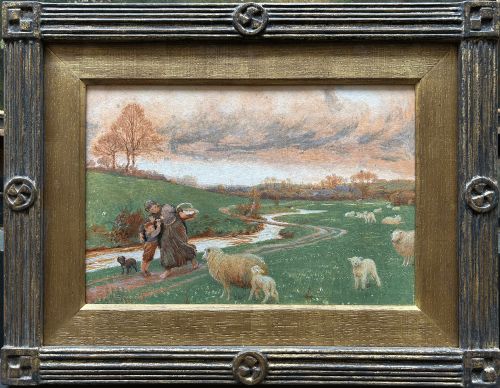
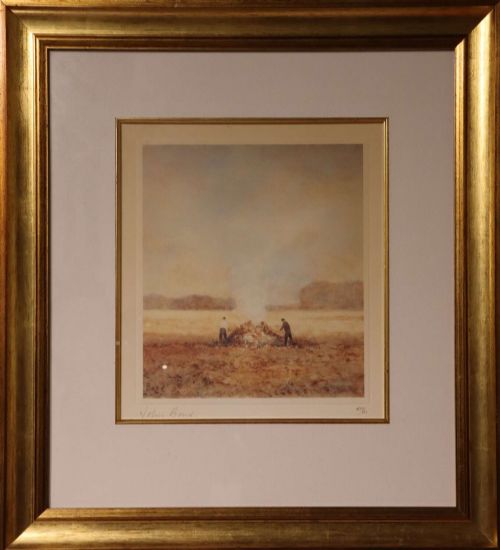
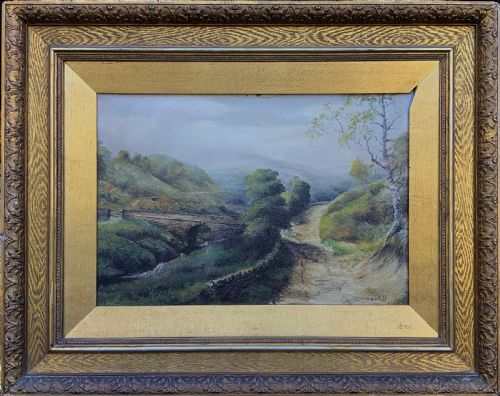
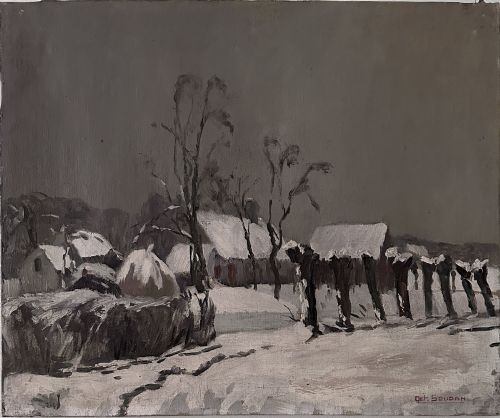
A countryside scene picture captures the fields, villages and rivers of rural Britain and beyond through traditional paintings. When searching for this phrase, buyers encounter framed works that range from intimate watercolours to large oil compositions.
The selection on this page draws primarily from nineteenth-century Victorian pastoral works through to mid-twentieth-century English traditional landscapes. Common subjects include working farms, cattle by rivers, thatched cottages and figures harvesting crops.
Mediums split between delicate paper watercolours and textured canvas or wood panel oil paintings. These pieces reflect shifting artistic approaches to open air painting across successive decades.
How they were made
Painters built oil works using pigment bound in oil on stretched canvas or prepared wood panels, allowing for rich blending and textured brushwork. Watercolours relied on fine pigment washes applied to paper to capture luminous atmospheric effects.
Substantial carved giltwood frames and decorative gesso mouldings often complete these works, providing period housing that protects the delicate paint surface. Many pieces retain their original framing from the Victorian or Edwardian eras.
Several countryside scene pictures double as impromptu farm census reports, crammed with meticulously detailed cattle, sheep and wandering domestic fowl.
What varies in quality
Quality rests upon the artist's command of light, composition and the convincing rendering of atmospheric depth within the landscape. Finer works display confident, expressive brushwork that breathes movement into foliage, water and skies rather than stiff mechanical transcription.
The preservation of the original paint surface and the harmony of the period frame significantly elevate a piece. Works that maintain their authentic untouched surface without heavy restoration retain stronger visual integrity.
William H Myers·William Joseph Boyes·David Bates·Frederick Walker·John Bond·Hubert Wellington·Samuel Timmins·Frederick Septimus Lewis·J Phipps·Robert John Hammond·Giulio Cecchini·Robert Thorne Waite·Henry Bailey·Walter J Watson·Charles Faulkner·Robert Winchester Fraser·James William Booth·Frederick Waters Watts·Henry H Parker·William Langley·Basil Bradley·John Hobson Nicholson·Arthur Charles Dodd·John Cuthbert Salmon·Gudrun Sibbons
The Countryside Scene Picture Glossary
- Oil on Canvas
- Pigments mixed with drying oils applied to woven fabric stretched across a wooden frame. This primary medium permitted rich colour saturation and longevity.
- Watercolour
- Pigments suspended in a water-soluble vehicle applied to paper. Artists utilised this medium for translucent washes and rapid outdoor sketching.
- Giltwood
- Wood carved and coated with a thin layer of gold leaf or metallic gilt. This finish provided ornate decorative framing for important paintings.
- Gesso
- A plaster-like mixture applied to wood panels or frame mouldings to create a smooth base for gilding and paint. It added structural definition to decorative borders.
- Pastoral
- An artistic style celebrating rural life, shepherds and idyllic countryside scenes. It offered urban viewers a romanticised escape into nature.
Countryside Scene Picture: Frequently Asked Questions
What periods do these paintings come from?
The available selection spans from the early nineteenth century through the Victorian era and into the mid-twentieth century. Works frequently date from the height of British landscape painting traditions.
Collectors find distinct stylistic shifts between nineteenth-century realism and early twentieth-century pastoral interpretations.
Are these paintings supplied with frames?
Many pieces retain their original period frames, including decorative giltwood and moulded gesso examples. These surrounds complement the age and origin of the artwork.
Framing details are documented in individual listings to help buyers assess the complete presentation.
How do I care for an antique oil painting?
Oil paintings require stable indoor humidity away from direct sunlight and sudden temperature shifts. Gentle dusting with a soft, dry brush preserves the canvas and paint layer.
Avoid using liquid cleaners or abrasive cloths on the delicate surface or the surrounding gilt frame.
What is the difference between oil and watercolour?
Oil paint utilises a slow-drying medium on canvas or wood panel, allowing for thick impasto texture and deep colour layering. Watercolour employs water-soluble pigment on paper, producing lighter translucent effects.
Watercolours require protective glass framing, whereas oil paintings remain exposed to the room.