

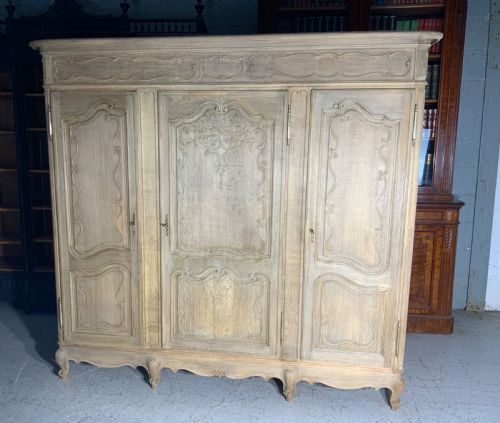
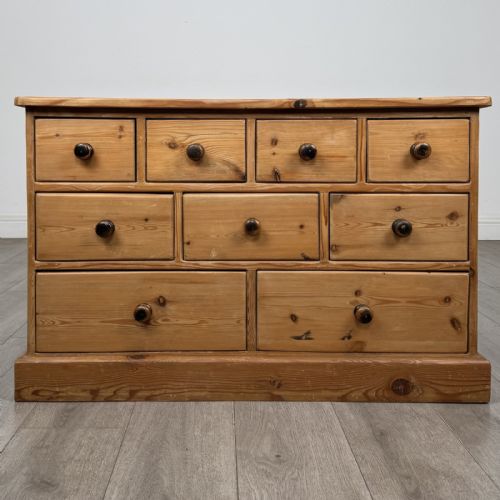

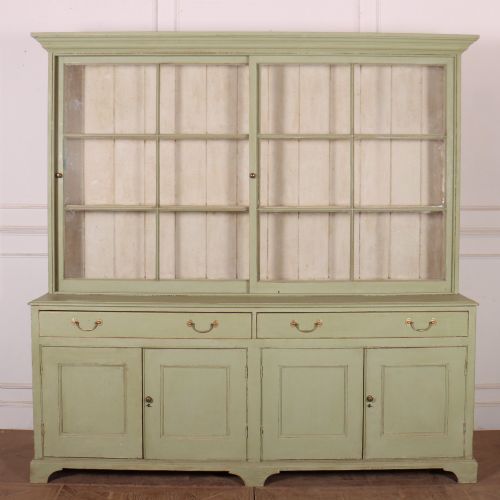
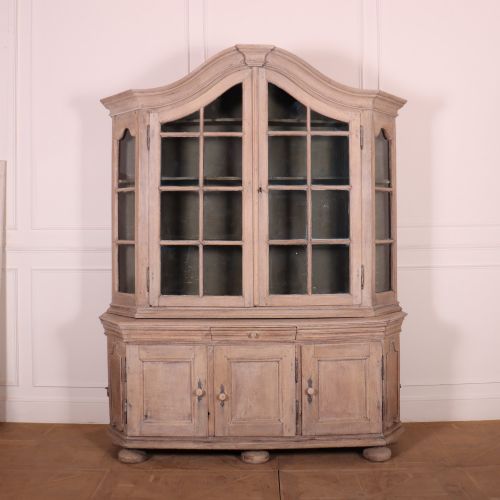
Country Style Cabinet
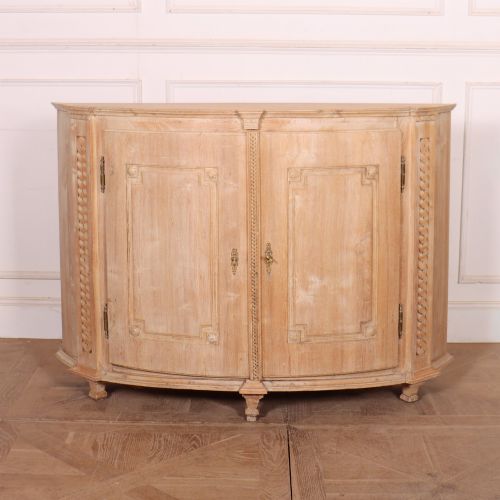
A country style cabinet brings relaxed domestic utility and regional character into a room through honest timber and unpretentious form.
Country Style Cabinet
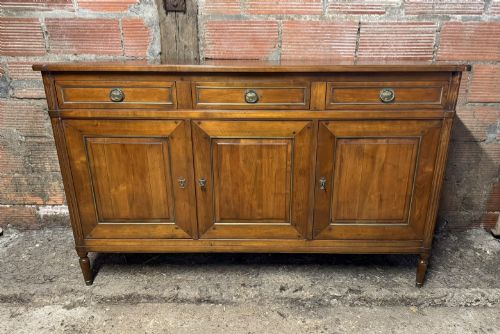
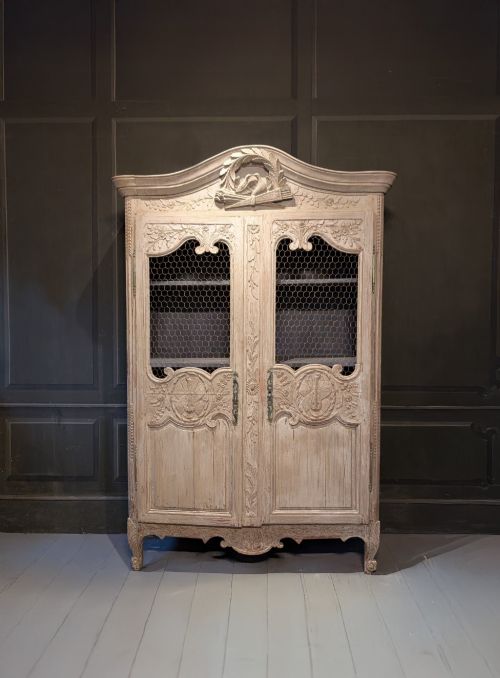
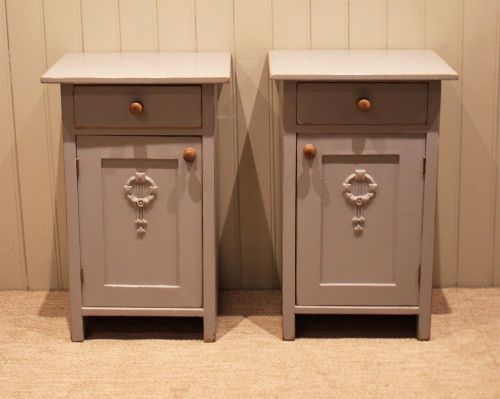
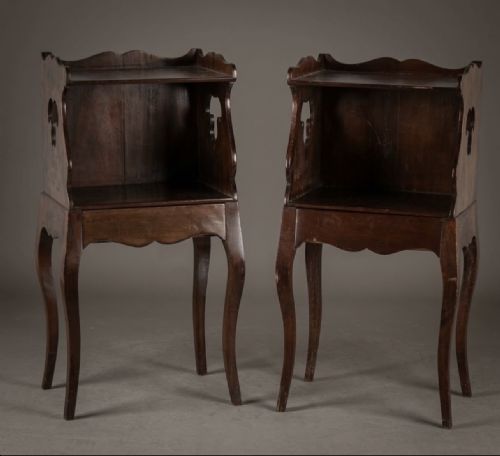
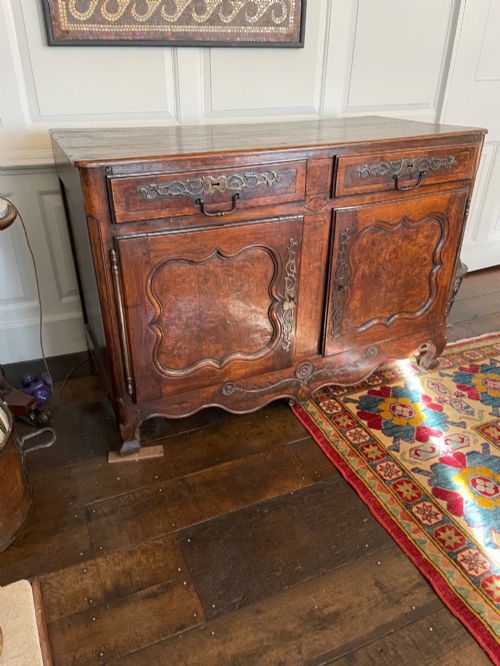
A country style cabinet encompasses diverse utilitarian forms built for regional homes, ranging from compact bedside units to large kitchen dressers and linen cupboards. These pieces reflect domestic traditions across England, France, and Scandinavia, utilising practical layouts for storage and display.
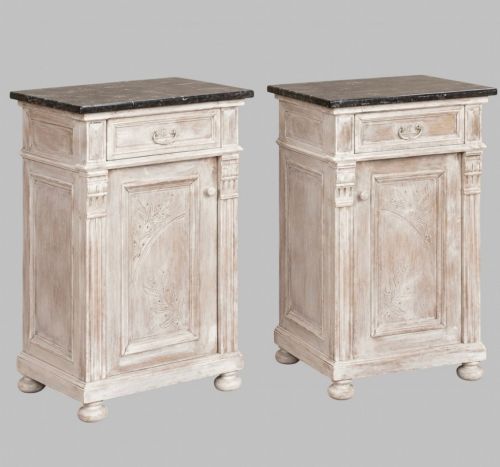
The selection on this page relies heavily on nineteenth-century examples alongside eighteenth-century formats and twentieth-century interpretations. Pine, oak, and painted wood dominate the inventory, accompanied by brass hardware and occasional marble tops.
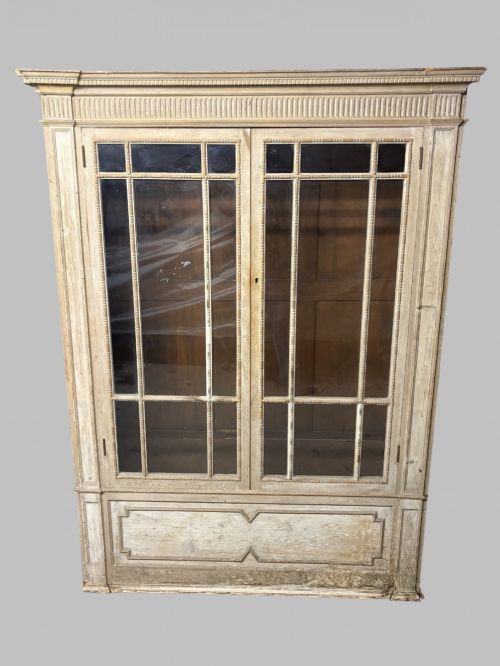
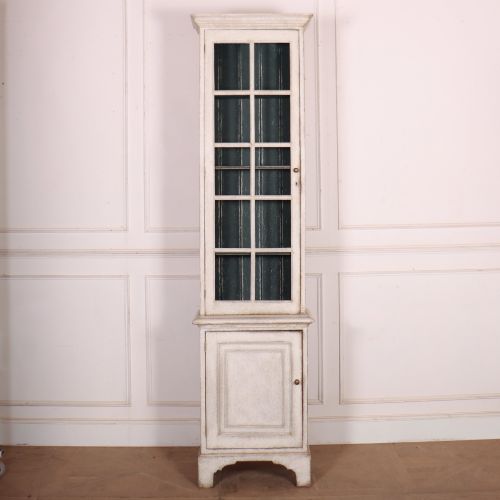
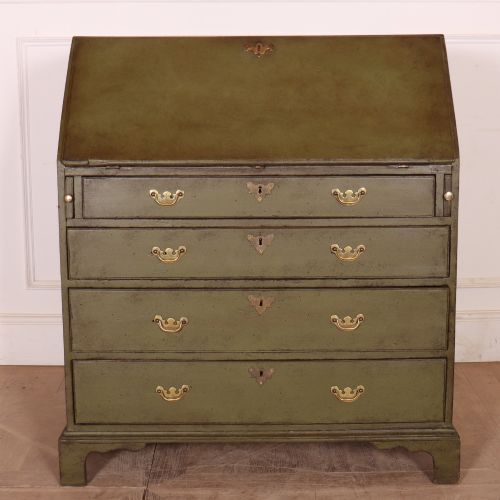
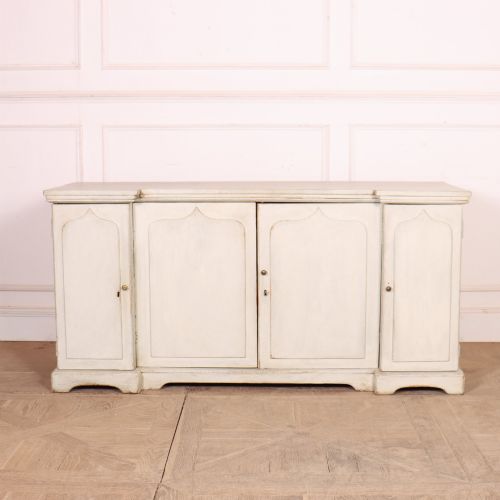
Buyers frequently encounter painted finishes, scraped paint surfaces, and waxed pine constructions that reflect everyday provincial life. Regional variations span English country furniture, Gustavian forms, and French provincial designs.
Materials and construction methods
Makers relied on native timbers such as pine and oak, often shaping them into sturdy carcasses with pegged joints and panelled doors. Softwoods like pine received protective coats of paint or wax, while hardwoods like oak remained exposed or polished to highlight the grain.
Iron and brass hardware, including hinges, pulls, and escutcheons, secured the functional doors and drawers of these domestic units. Glazed panels appeared on upper bookcase sections, while marble tops reinforced the surfaces of specific French bedside cabinets and buffets.
Country Style Cabinet Retail Price Guide 2026
Typical asking prices for country style cabinet among the pieces listed under this phrase on Sellingantiques today, from the lower quarter to the upper quarter. They describe what is for sale here now, not the wider market.
Assessing quality in provincial furniture
Quality rests upon the integrity of the original construction, the survival of early or scraped painted surfaces, and the balance of proportions. Pieces retaining their primary hardware and uncompromised timber joints command greater interest from collectors.
Finer examples demonstrate careful joinery in drawer construction and door framing, even within humble domestic contexts. The depth of the finish, whether an untouched scraped paint layer or a rich waxed patina, dictates the visual authority of the piece.
Robert Strahan, Dublin
The Country Style Cabinet Glossary
- Enfilade
- A long sideboard or cabinet designed to stand against a wall, commonly housing multiple doors and storage compartments.
- Dresser base
- The lower portion of a kitchen dresser featuring cupboards and drawers, often utilised independently as a sideboard.
- Commode
- A low chest of drawers or cabinet originating in France, frequently topped with marble in later regional interpretations.
- Gustavian
- The Swedish interpretation of French neoclassical styles, characterised by pale painted finishes and restrained carved details.
- Scraped paint
- A conservation term describing original paint layers revealed by carefully removing later overcoats to show the authentic colour beneath.
Country Style Cabinet: Frequently Asked Questions
What defines a country style cabinet?
A country style cabinet is defined by utilitarian domestic forms constructed from regional timbers like pine and oak, often finished with paint, wax, or simple carving. These pieces prioritize practical storage for kitchens, bedrooms, and halls over formal ornamentation.
Originating across English, French, and Scandinavian provinces, they reflect local building traditions and everyday household needs from the eighteenth century into the twentieth.
How do I care for a painted wooden cabinet?
Care for a painted wooden cabinet by dusting it gently with a dry, soft cloth and keeping it away from direct sunlight and excessive heat fluctuations. Harsh chemical cleaners can strip historic paint layers and damage delicate waxed or sealed surfaces.
Maintaining a stable indoor climate prevents the timber from shrinking or expanding, which helps protect both the structural joints and the fragile historic paintwork.
Where were these regional cabinets originally used?
These cabinets served utilitarian roles throughout the home, from storing kitchen provisions and tableware in dressers to holding linens in bedroom cupboards. They furnished farmhouses, rectories, and provincial townhouses where durable daily storage was essential.
Smaller formats like bedside tables and commodes functioned in sleeping quarters, while larger sideboards and enfilades anchored dining rooms and hallways.
How can I tell Swedish pieces apart from English ones?
Swedish pieces often display lighter painted finishes, such as pale greys and creams characteristic of Gustavian taste, alongside carved pine or linen cupboards. English examples more frequently feature exposed oak, waxed pine, or darker painted surfaces.
Form also provides clues, as Scandinavian pieces frequently incorporate distinctive architectural mouldings and recessed panelling distinct from West Country or breakfront English formats.