

Country Sporting Art
Country sporting art captures rural pursuits and prized animals through oil paintings, watercolours and prints from the nineteenth and early twentieth centuries.
Country Sporting Art
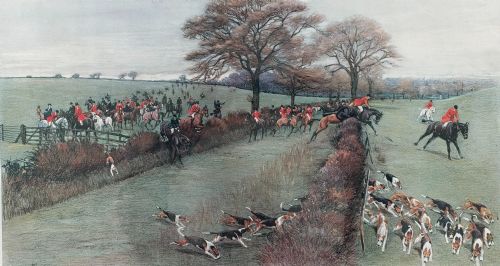
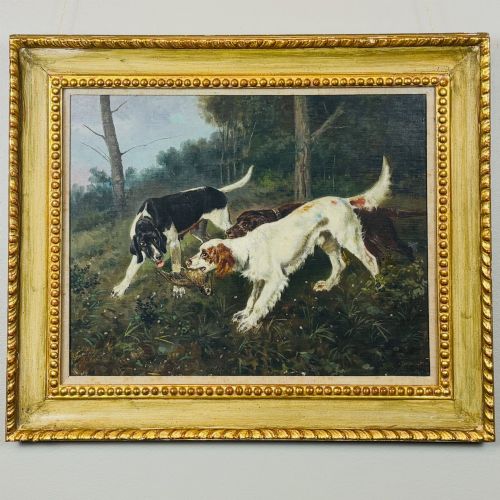
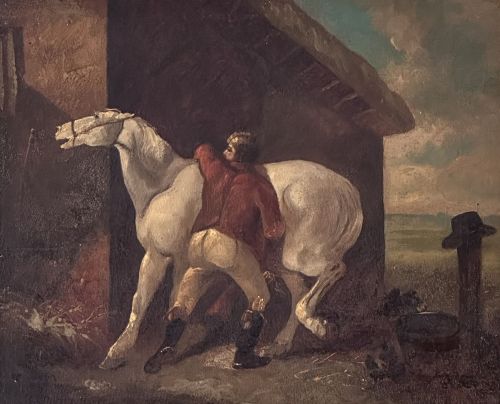
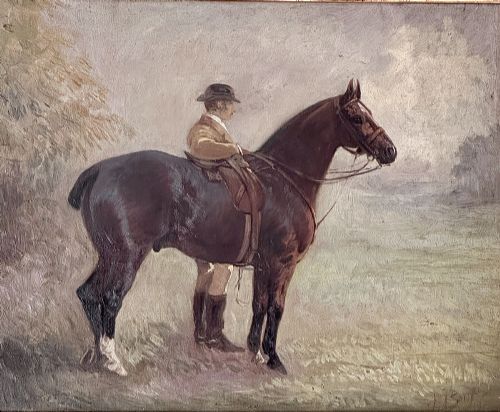
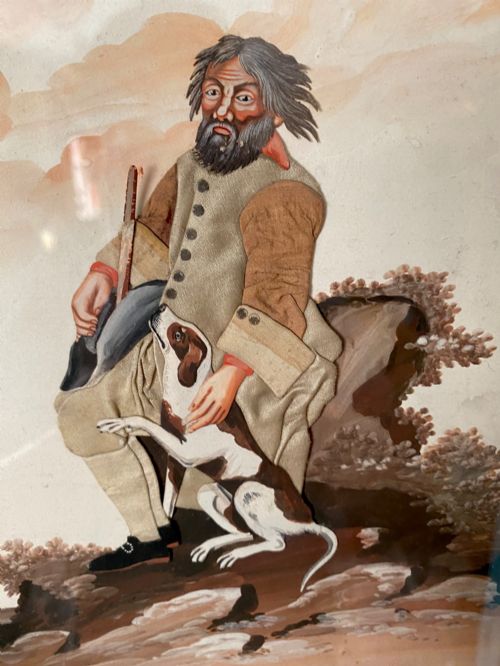
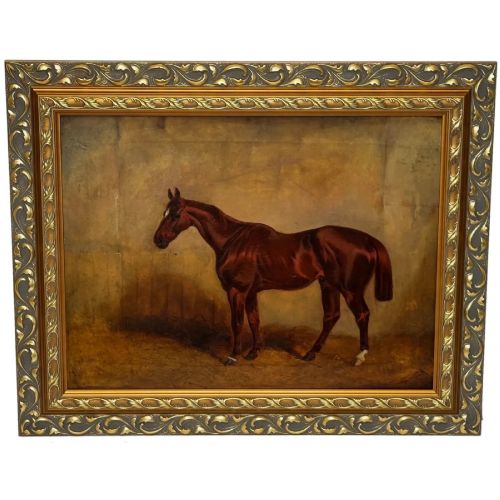
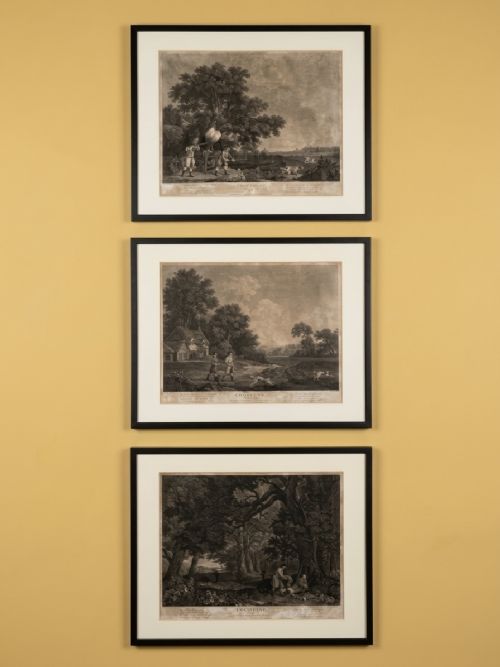
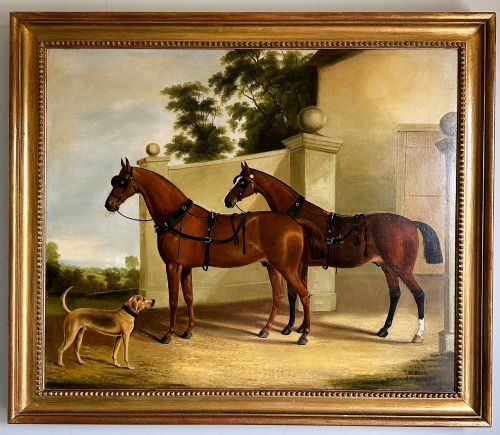
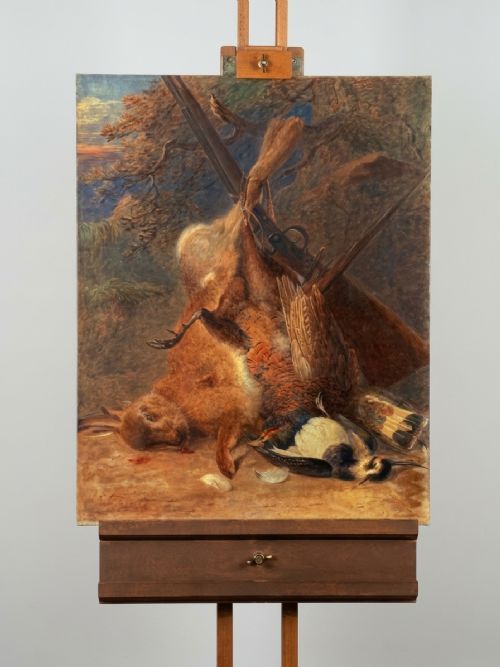
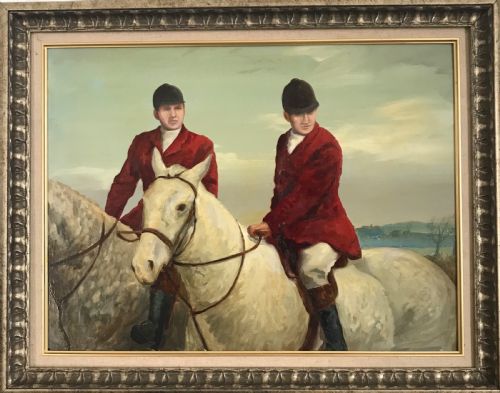
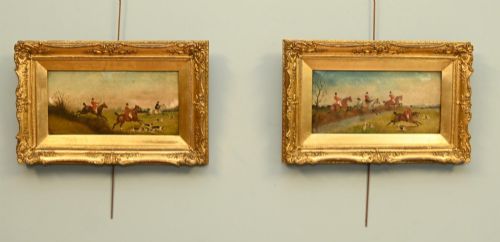
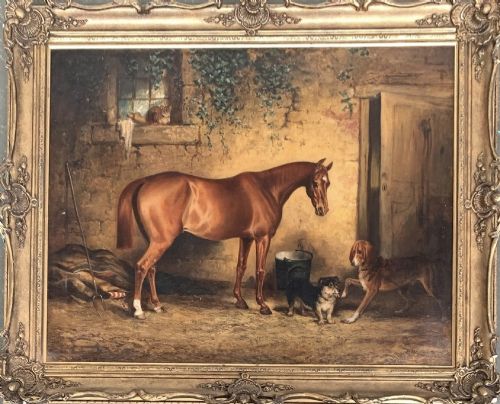
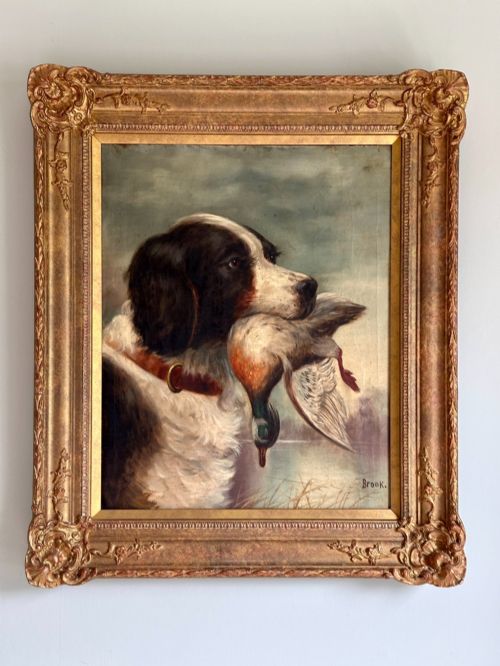
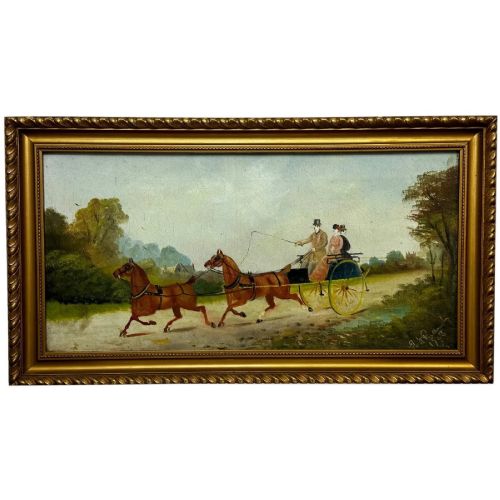
Country sporting art encompasses depictions of horses, hounds, gundogs, game birds and rural field sports like hunting and shooting. You will frequently encounter nineteenth century oil paintings in giltwood frames, alongside early twentieth century prints and watercolours.
The subjects range from individual equine portraits and working dogs with their quarry to lively coaching scenes and shooting parties. These works reflect rural British traditions, often rendered by named artists or competent regional painters of the Victorian and Edwardian periods.
Materials and methods
Painters worked primarily with oil paint on canvas or panel, building up rich layers to capture the sheen of a horse coat or the feather detail of a game bird. Watercolours and bodycolour on paper appear frequently for finer illustrative works and preparatory studies.
Printmakers utilised engraving, lithography and aquatint techniques to reproduce popular sporting subjects for wider distribution, often adding hand colouring. Frames were constructed from wood and finished with giltwood or painted moulding to complement the artwork.
Country Sporting Art Retail Price Guide 2026
Typical asking prices for country sporting art among the pieces listed under this phrase on Sellingantiques today, from the lower quarter to the upper quarter. They describe what is for sale here now, not the wider market.
Listings feature works spanning the Georgian, Victorian and Edwardian periods, executed in oil on canvas, watercolour and engraved paper.
Judging the quality
Quality rests upon the anatomical accuracy of the animals and the painter command of proportion, particularly in complex equine and canine portraits. Master hands convey muscle tone, light and movement with convincing realism, whereas lesser works appear stiff and formulaic.
The handling of backgrounds and atmosphere distinguishes superior canvases from standard decorative pieces. Original giltwood framing and clear provenance also elevate the standing of a work.
Charles Bilger Spalding·Henry Barraud·Philip H Rideout·Edmund Bristow·George Stubbs·George Sydney Shepherd·John Sargent Noble·Sir Edwin Henry Landseer·George Wright·William Albert Clarke·George Rankin·Thomas Walker Bretland·John Frederick Herring Snr·Benjamin Blake·John Arthur Lomax
The Country Sporting Art Glossary
- Aquatint
- A printmaking technique that produces tonal areas resembling watercolour washes. It was often employed to create atmospheric sporting prints.
- Giltwood
- Wood carved and covered with a thin layer of gold leaf or metal leaf. It is commonly found on traditional frames enclosing nineteenth century canvases.
- Bodycolour
- Watercolour mixed with a white pigment to make it opaque. This technique adds dense, solid highlights to works on paper.
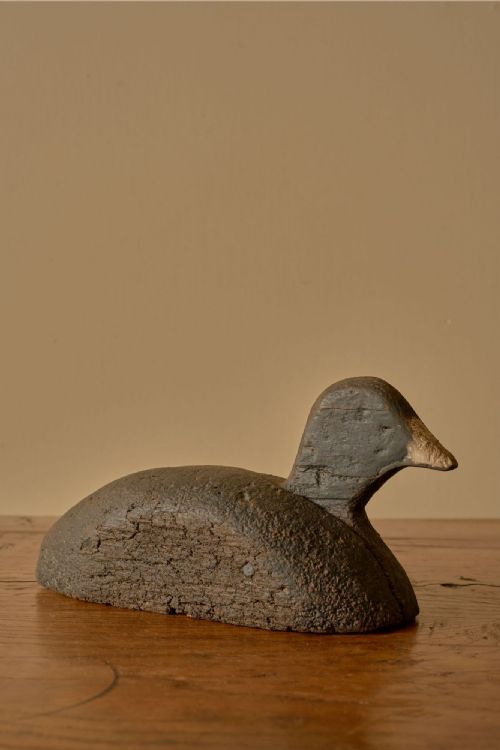
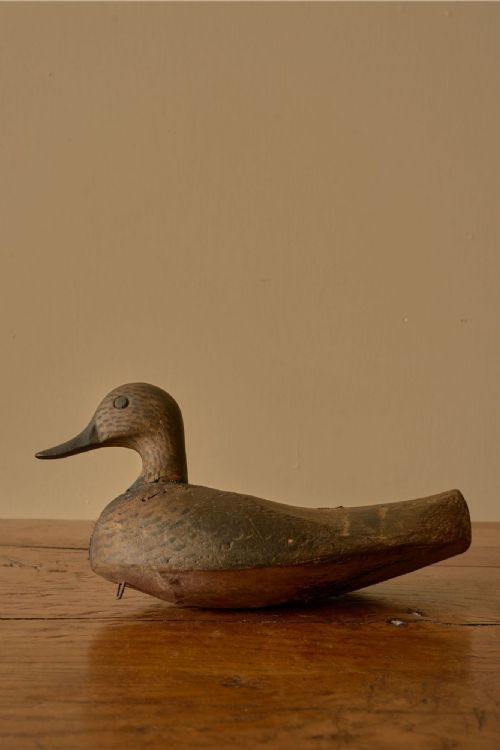
- Decoy duck
- A carved and painted wooden bird used to attract wildfowl. Examples from the early twentieth century are collected as folk art objects.
Country Sporting Art: Frequently Asked Questions
What subjects appear in country sporting art?
These works depict horses, gundogs, hounds, game birds and rural pursuits such as fox hunting, shooting and fishing.
Artists focused heavily on the bond between country gentlemen, their animals and the English countryside.
How do I date an antique sporting painting?
Examine the canvas, stretcher frames, pigment types and costume details of any figures depicted within the scene.
Stylistic markers and nineteenth century framing methods also provide reliable clues to the exact period of execution.
Where were these paintings displayed originally?
Country sporting art hung in the libraries, halls and dining rooms of country houses and rural rectories.
They celebrated family stables, prized hunting dogs and successful days out in the field.
Are prints as collectible as original oils?
Original oil paintings command higher attention, but period engravings and lithographs hold significant collector interest.
Hand coloured nineteenth century prints after notable painters offer an accessible entry point into sporting imagery.