
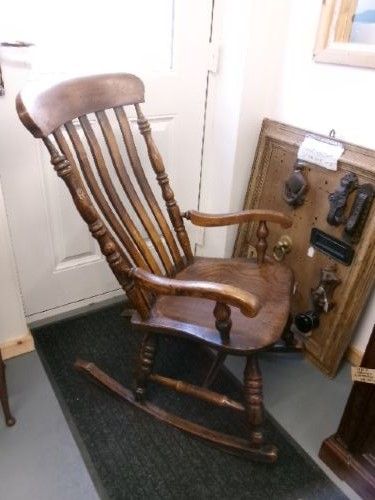
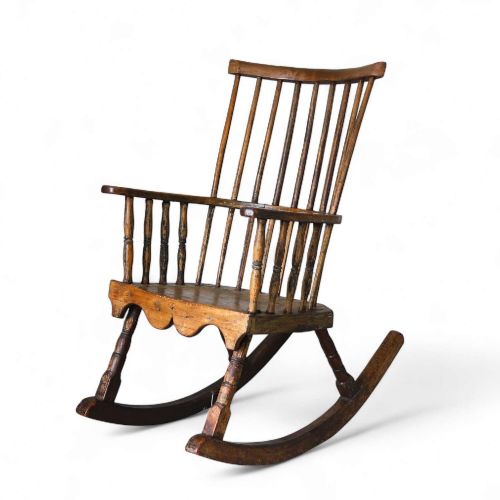
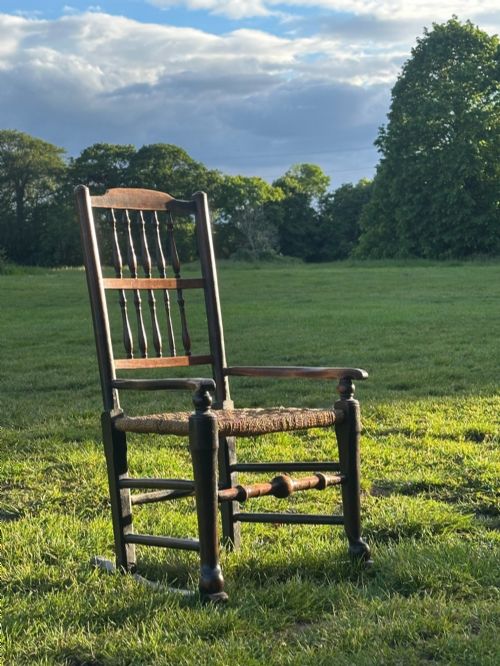
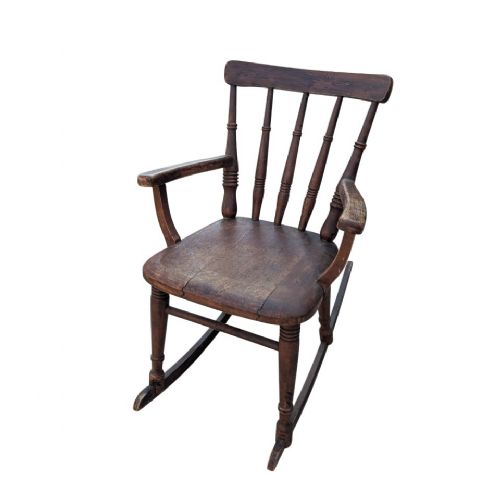


Country Rocking Chair
A country rocking chair brings vernacular character and steady movement to a fireside, shaped by local tradition from elm, oak, beech and ash.
Country Rocking Chair
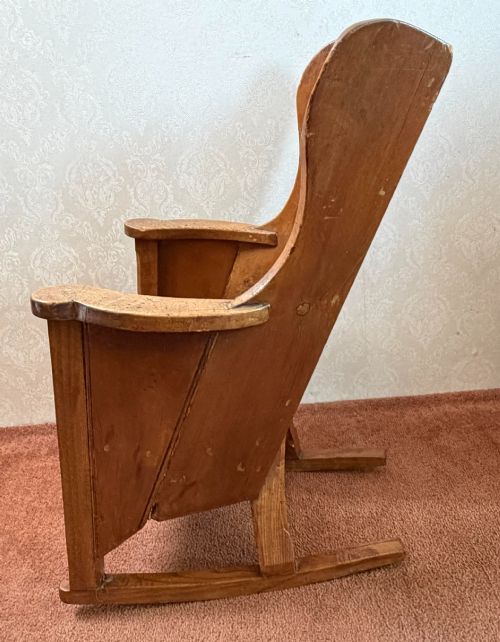
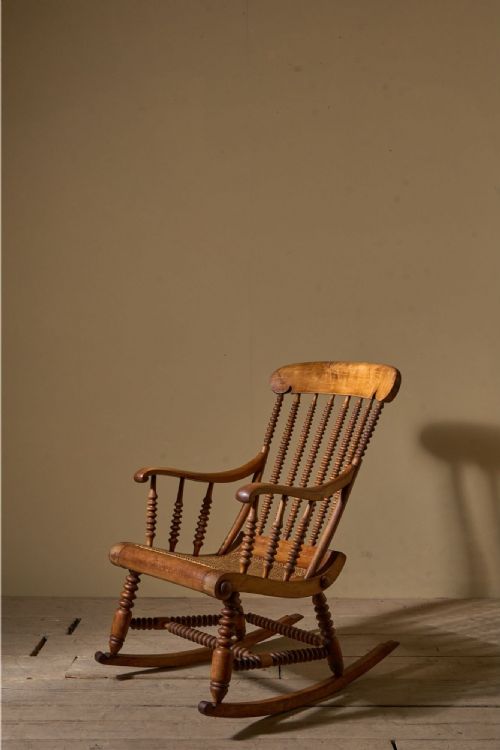
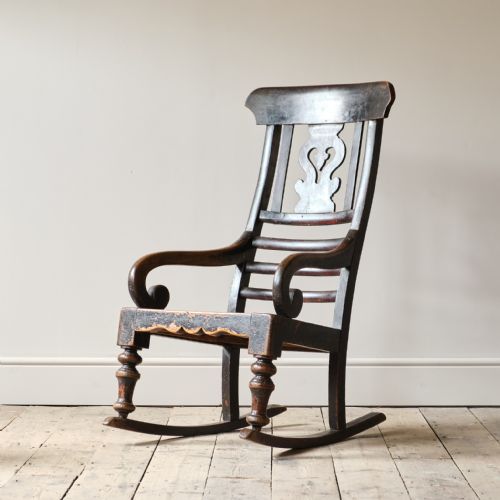
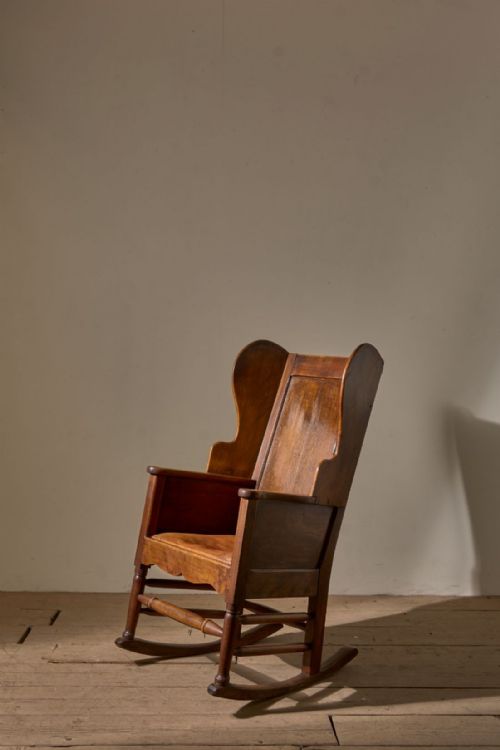
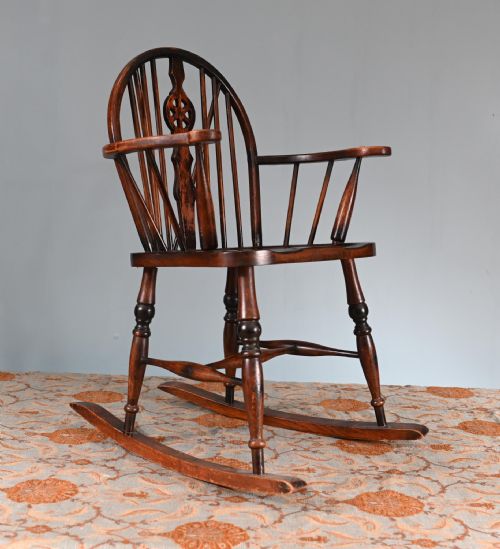
A country rocking chair is a domestic seat fitted with curved wooden rockers, appearing across the eighteenth, nineteenth and early twentieth centuries in various regional forms. These pieces include Windsor, ladder back, lambing and spindle back designs made for both adults and children.
The versions most frequently met on this page span the nineteenth century and the Victorian era, alongside Georgian examples and vernacular styles from English regions, Wales, Scotland and Scandinavia. Forms range from heavy farmhouse armchairs to low fireside seats and small children's rockers.
Makers ranged from local rural joiners to regional chair bodgers working in woodland or village workshops, producing robust seating intended for everyday farmhouses and country houses rather than grand formal parlours.
How They Were Made
Constructed primarily from native hardwoods, these chairs combine elm, ash, beech, oak and fruitwood, often pairing a durable timber like elm for the solid saddle seat with flexible ash or beech for spindles and bent parts. Some examples feature applied paint finishes or ebonised surfaces.
Techniques relied on traditional joinery such as wedged through-tenons and steam bending for comb-backs, wheelbacks and hoop frames, while seating surfaces utilised turned wooden spindles, ladder slats, rush, cane, leather or seagrass.
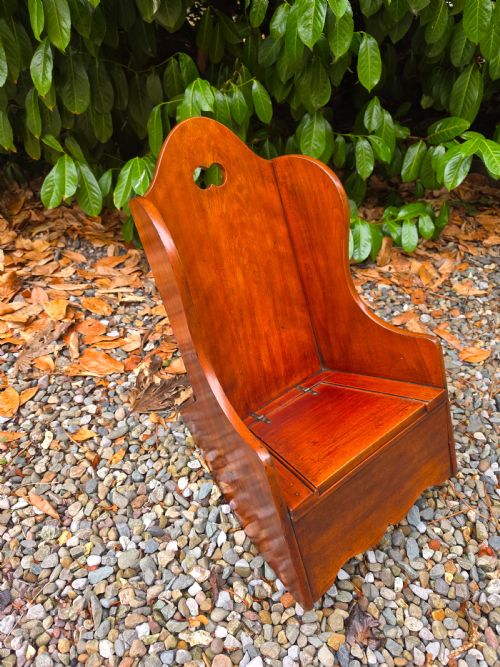
Several small chairs arrived scaled down precisely for children, proving that even toddlers required a proper fireside spot to rock.
What Varies in Quality
Quality depends on the integrity of the timber selection and the retention of original surfaces, such as early or original paint rather than later stripped finishes. Well-figured elm seats and balanced proportions distinguish finer vernacular examples from more plain utility pieces.
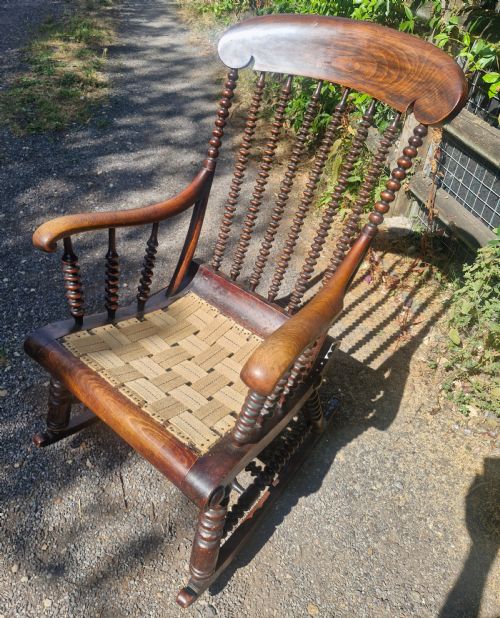
The complexity of the turning on bobbin, spindle or ladder frames also marks out better work, as does structural survival through centuries of movement on uneven flagstone floors.
The Country Rocking Chair Glossary
- Windsor
- A chair built with a solid wooden saddle seat into which the legs, back spindles and bow are independently tenoned. This construction provides great strength without heavy framing.
- Vernacular
- An object made by local craftsmen following regional traditions and functional needs rather than academic architectural styles. These pieces reflect the specific materials available in their immediate geographic area.
- Lambing chair
- A high-backed enclosed armchair designed to keep draughts away from the sitter by the hearth. Early examples often incorporate panelled or hooded sides.
- Spindle back
- A chair back constructed from multiple turned wooden rods fixed between a top rail and the seat. This method lightens the upper frame while maintaining rigid support.
- Ladder back
- A chair featuring horizontal arched slats fitted between two vertical rear posts. This style is frequently found in seventeenth and eighteenth-century vernacular seating.
Country Rocking Chair: Frequently Asked Questions
What is a country rocking chair?
A country rocking chair is a traditional wooden seat mounted on curved rockers, designed for domestic use in farmhouses and cottages. They include regional Windsor, ladder back and spindle back forms.
These pieces were made by local craftsmen using native timbers like elm and ash, prioritising practical comfort and sturdy construction over formal ornamentation.
How do I date an old rocking chair?
Dating relies on observing construction methods, timber types, and style markers such as comb-backs, wheelbacks or ladder backs. Eighteenth-century pieces often feature heavy oak or fruitwood framing, while nineteenth-century versions commonly utilise beech, ash and elm.
Tool marks, wear patterns on the rockers, and original paint or surface finishes also provide important clues to the period of manufacture.
Were rocking chairs made for children?
Yes, many small rocking chairs and potty rockers were produced for children and nursery use throughout the nineteenth century and earlier. These smaller versions mirror the full-sized adult Windsor and ladder back designs.
They served as practical household seating for infants and toddlers in farmhouse kitchens and fireside settings.
Where were these rocking chairs made?
These chairs originated in various rural regions across Britain, Ireland, Scandinavia and America, with distinct local styles emerging from areas like the Thames Valley, Lancashire and Yorkshire. Regional bodgers and village joiners utilised the woods available in their local woodlands.
As a result, chairs from specific areas display unique turning patterns, wood combinations and structural proportions.
How do I live with a wooden rocking chair?
Living with a wooden rocking chair involves placing it on stable flooring where the curved rockers can move freely without catching on thick carpets. Regular dusting and maintaining stable indoor humidity help preserve the historic timber.
They suit modern living rooms, bedrooms and reading corners as functional seating with distinct historical character.