

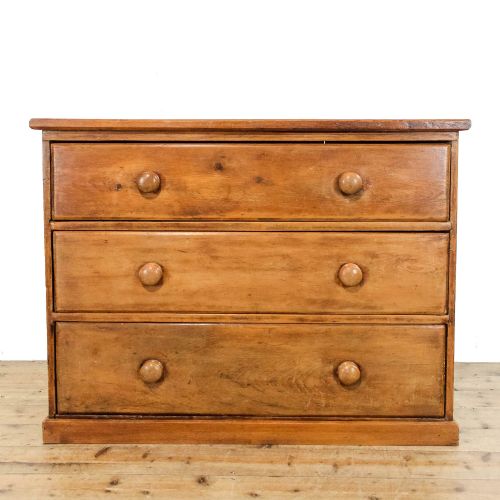
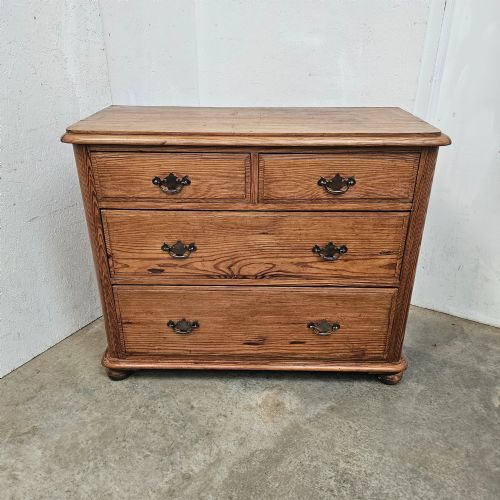
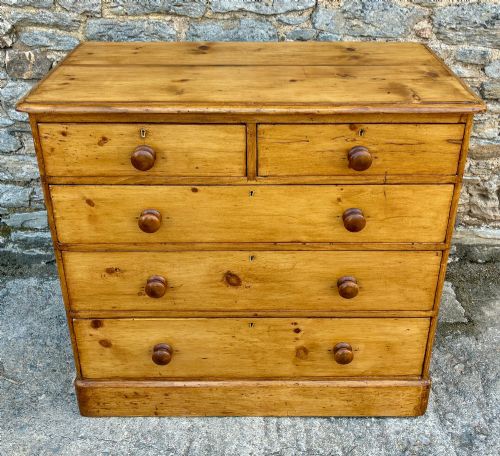
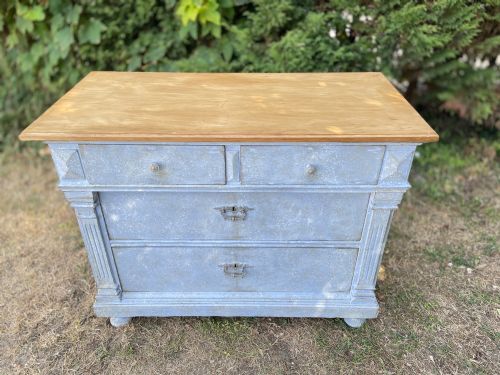
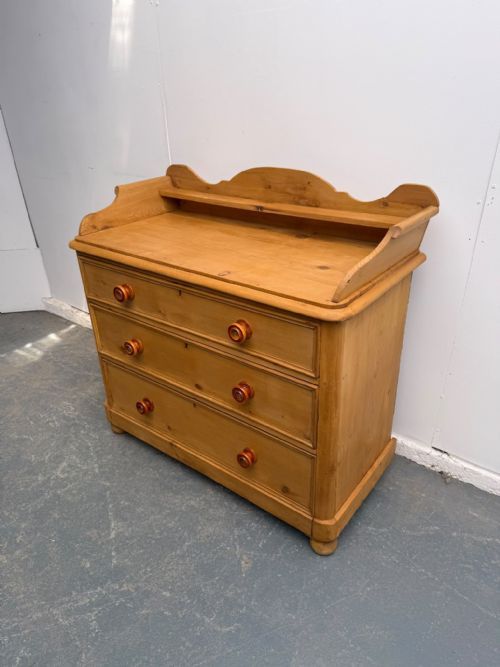
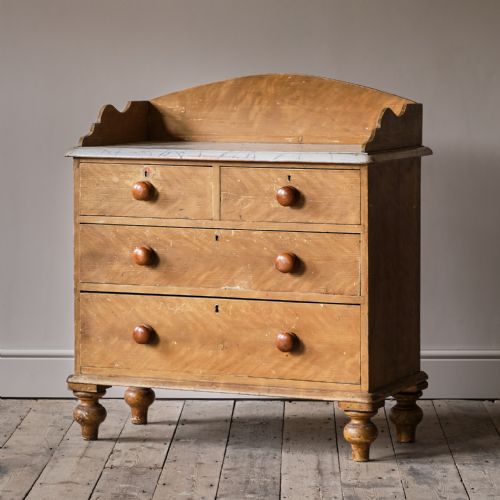
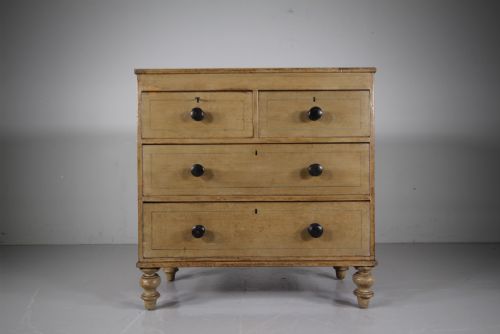
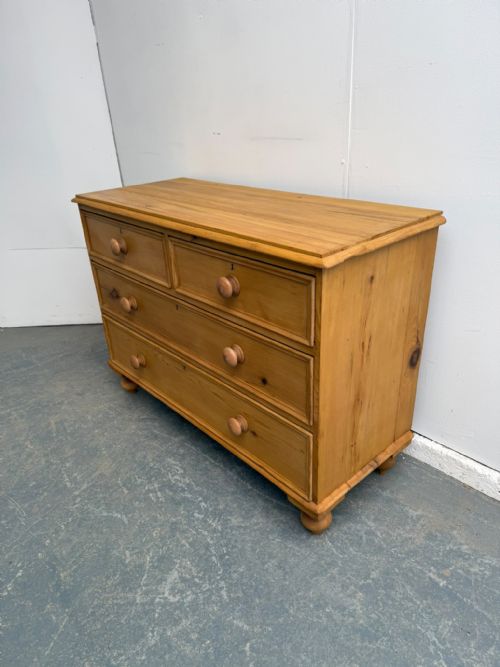
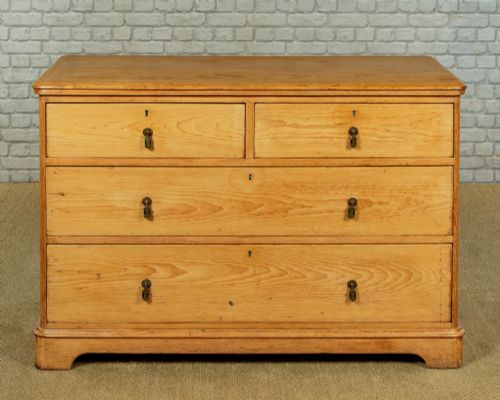
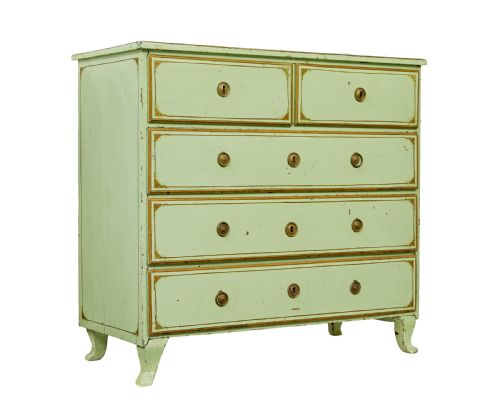
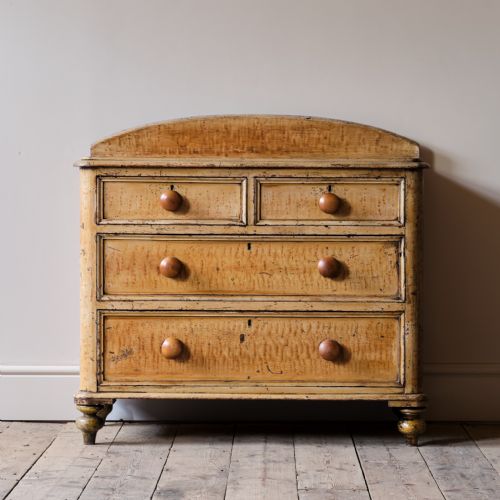
Country Pine Commode Chest
A country pine commode chest offers honest utility and tactile warmth, bringing robust storage and regional character to domestic spaces.
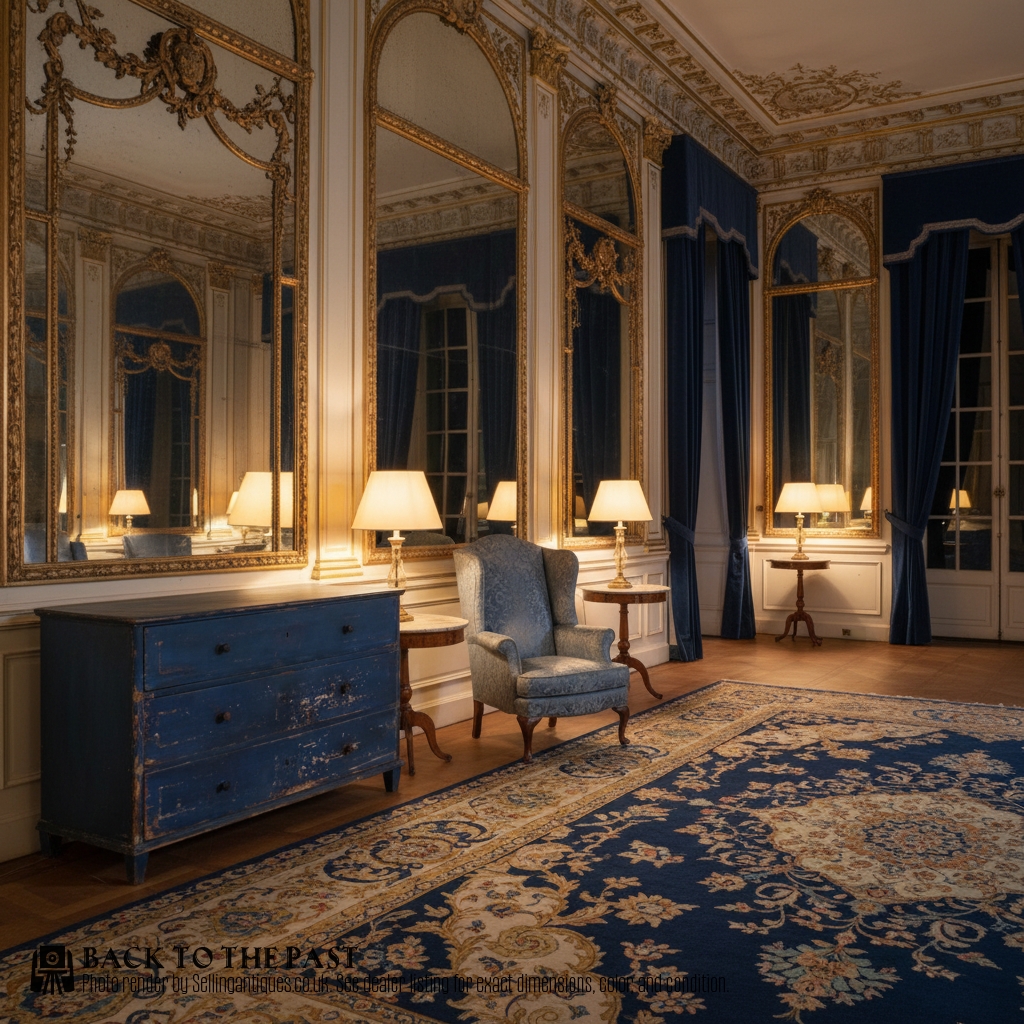
Country Pine Commode Chest
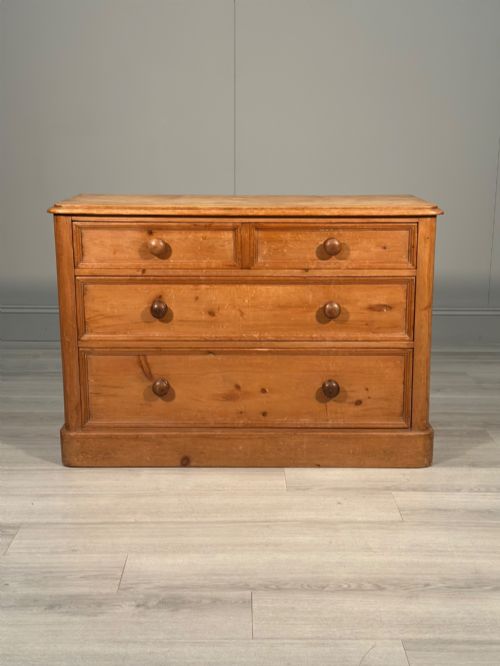
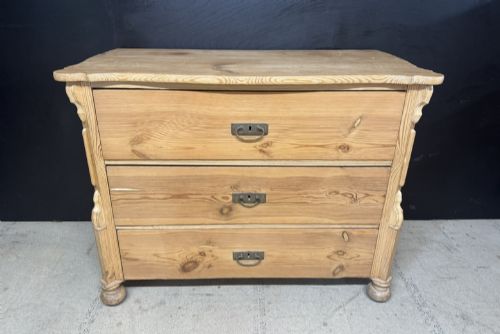
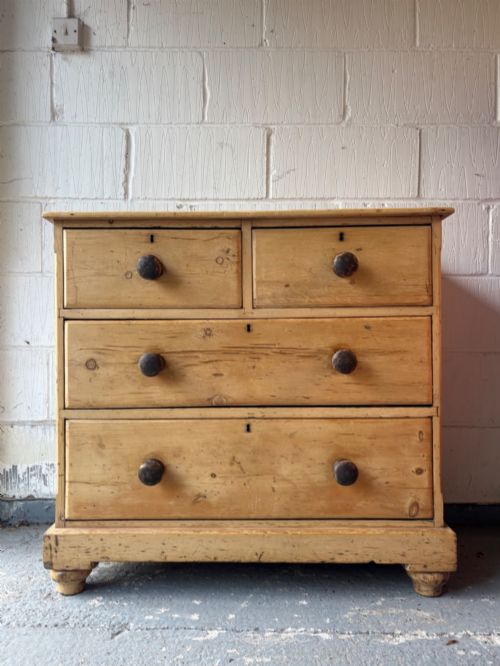
A country pine commode chest combines utilitarian storage with domestic charm, appearing across various regional traditions including English, Victorian, Scandinavian, and French Gustavian styles. Buyers seeking these pieces encounter sturdy chests of drawers ranging from low, wide formats to tall configurations with two-over-two or multiple drawer arrangements.
The pieces listed here span the Georgian, Regency, Victorian, and Edwardian eras, with nineteenth-century examples forming the core of the selection. Common regional origins include England, Ireland, Sweden, and Hungary, each imparting distinct proportions and surface treatments to the basic chest form.
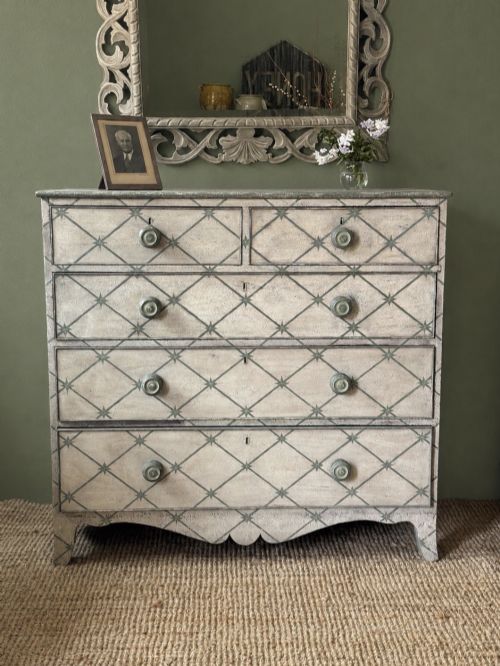
Makers utilised local softwoods to build functional furniture for bedrooms and washstands, incorporating bun handles, shaped bases, and fluted drawer fronts. Whether finished with waxed surfaces or retained in original paint and scumble, these chests serve as practical storage solutions with visible historical patination.
What varies in quality
The integrity of original surfaces distinguishes everyday items from superior examples, particularly where untouched paint, scumble, or early wax patination remains intact. Unaltered drawer construction and authentic period hardware contribute significantly to the standing of a piece.
Proportions and regional detailing dictate the character of each chest, from simple utilitarian builds to sophisticated Gustavian or fluted drawer designs. The balance between timber selection, structural robustness, and regional stylistic flourishes establishes the hierarchy within this category.
Some nineteenth-century chests bear original handwritten date inscriptions hidden inside the drawer frames.
The Country Pine Commode Chest Glossary
- Commode chest
- A low chest of drawers or cabinet designed for domestic storage, often featuring multiple drawer tiers.
- Scumble
- A translucent or opaque glaze applied over a base coat to create decorative graining or mottled surface effects.
- Pitch pine
- A durable, resinous variety of pine utilised for robust furniture construction with prominent grain patterns.
- Gustavian style
- The Swedish interpretation of French neoclassical design, characterised by pale painted finishes and restrained neoclassical ornamentation.
- Bun handle
- A rounded, protruding wooden knob fixed to drawer fronts for opening and closing.
Country Pine Commode Chest: Frequently Asked Questions
How do I date a pine chest?
Dating relies on examining construction methods, timber types, and hardware styles associated with specific periods like the Georgian or Victorian eras. Secondary woods and fastener types often provide reliable clues to the decade of manufacture.
Surface finishes and regional characteristics further narrow the timeframe, distinguishing nineteenth-century vernacular pieces from later Edwardian adaptations.
What is scumble paint?
Scumble paint is a decorative coating technique where a translucent layer is manipulated over a lighter base colour to simulate wood grain or create textured patterns. It was widely applied during the late nineteenth century to give softwood furniture a richer appearance.
Pieces retaining their original brown or coloured scumble finish offer a distinct visual record of period decorative tastes.
Are painted pine chests original?
Many country pine chests retain their original paint or decorative finishes applied decades or centuries ago, which adds historical value. Evidence of early pigment layers distinguishes factory or workshop coats from later re-painting.
Examining wear patterns around drawer pulls and edges helps confirm whether the paint surface has survived intact since the nineteenth century.
Where were these chests used?
These chests served primarily in bedrooms, dressing rooms, and washstands across rural and domestic households for storing linens and apparel. Their robust construction suited daily farm and country house life.
Regional variations reflect the domestic requirements of homes in England, Ireland, Sweden, and Hungary during the nineteenth century.
How should I care for waxed pine?
Waxed pine benefits from occasional applications of natural beeswax to nourish the softwood and maintain a protective barrier against moisture. Avoid placing these chests near direct heat sources to prevent timber splitting.
Regular dusting with a soft, dry cloth preserves the historical patina without stripping the underlying wax finish.