


Country Pine Box
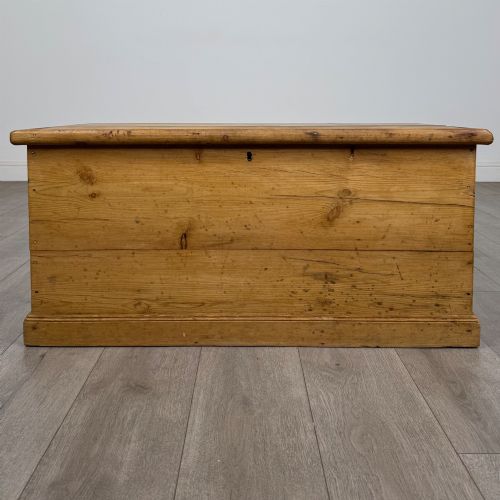
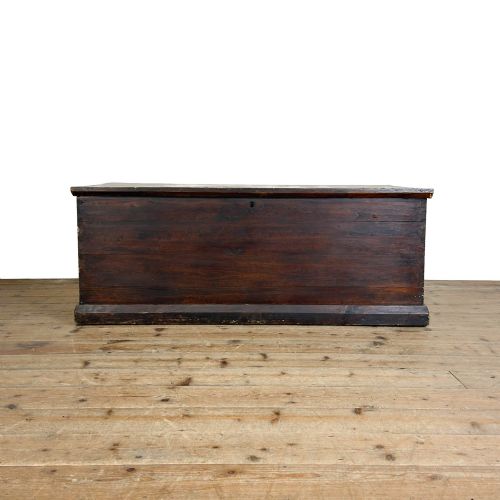
A country pine box brings honest storage and utility into a room, shaped by decades of everyday domestic service.
Country Pine Box
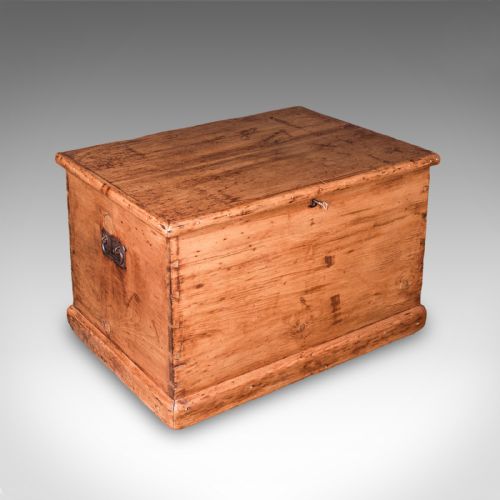
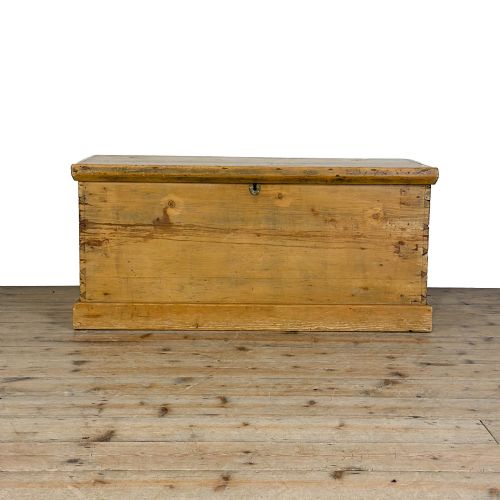
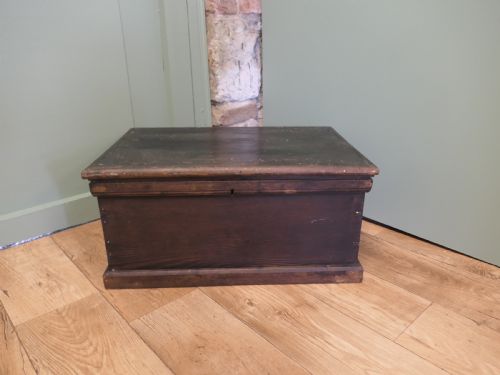
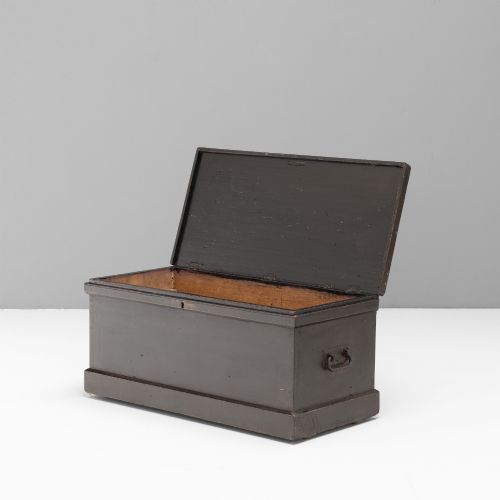
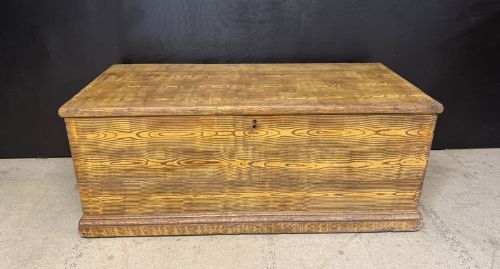
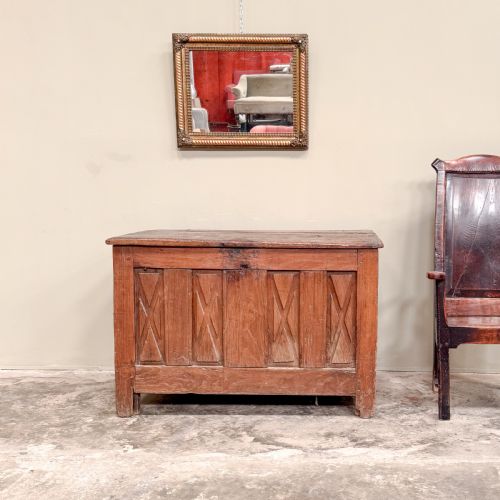
A country pine box serves as a utilitarian storage vessel, taking the form of blanket boxes, trunks, coffers, and mule chests designed for household organisation. Buyers examining this page will frequently encounter robust Victorian examples alongside earlier Georgian and 18th century pieces created for rural domestic life.
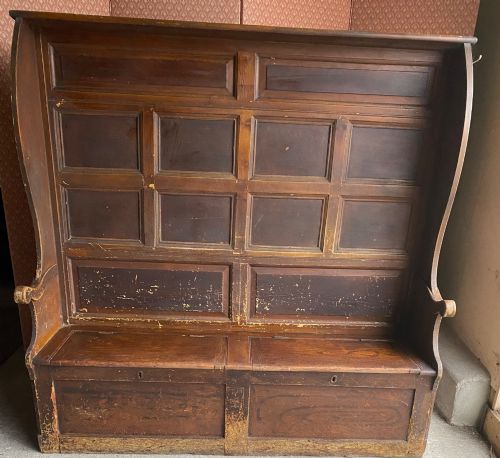
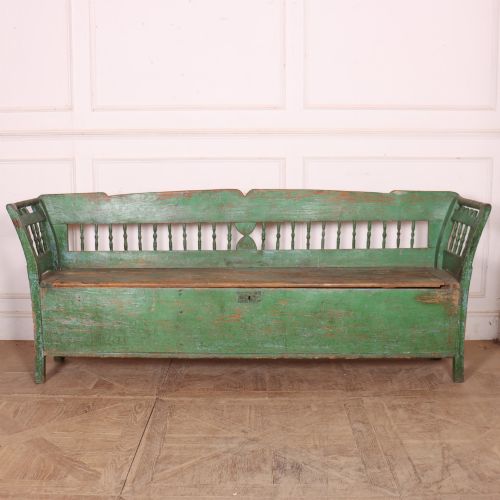
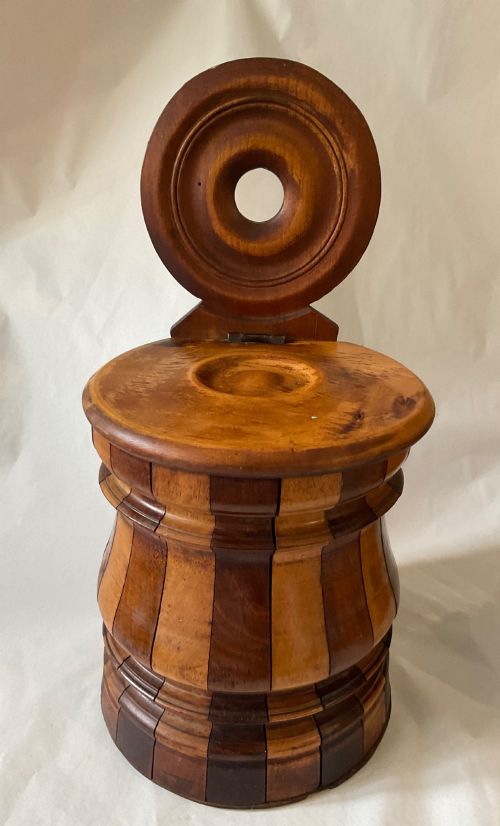
The selection extends beyond simple trunks to include functional variants such as dough bins, salt boxes, washstands, and box settles. These items originate from British, French, Scandinavian, and Hungarian workshops, reflecting diverse regional vernacular traditions.
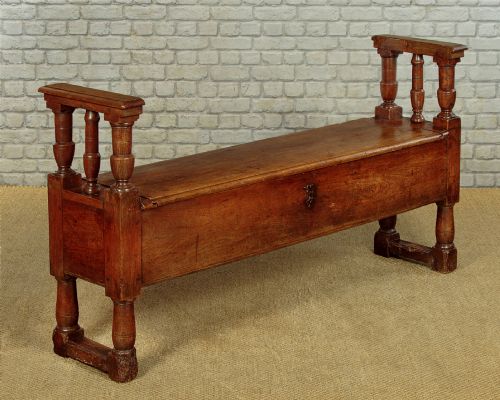
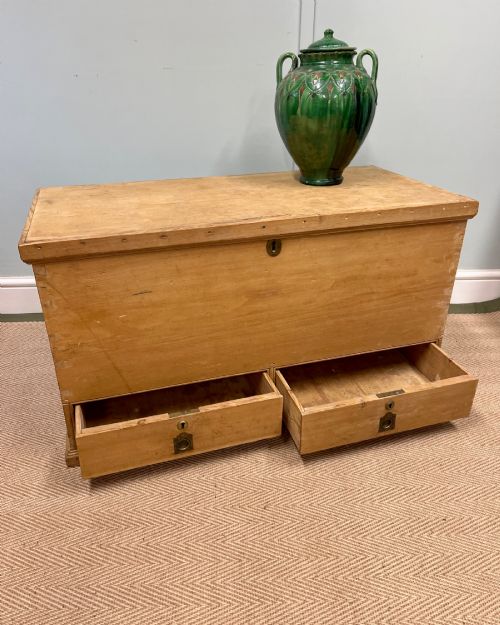
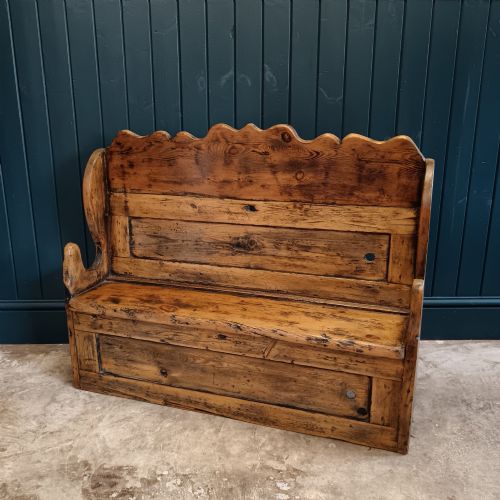
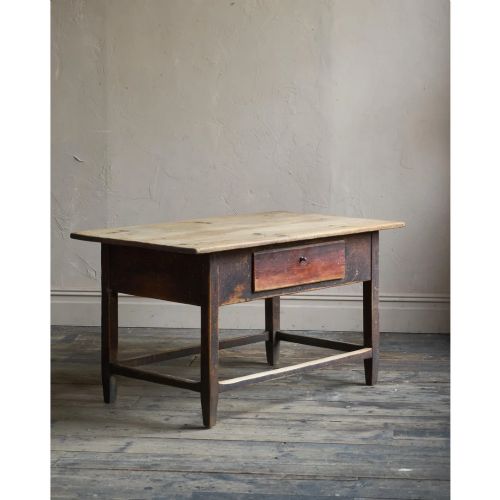
Many of these chests combine simple timber construction with integrated seating or drawer storage, functioning simultaneously as benches and receptacles. Their domestic roles ranged from linen storage to holding provisions in farmhouse kitchens.
What varies in quality
Quality rests upon the preservation of original surfaces, whether through a deep waxed finish or untouched historic paint schemes that record the passage of time. Pieces retaining their structural integrity and original ironwork command greater interest than those altered or stripped down to bare timber.
Country Pine Box Retail Price Guide 2026
Typical asking prices for country pine box among the pieces listed under this phrase on Sellingantiques today, from the lower quarter to the upper quarter. They describe what is for sale here now, not the wider market.
Some nineteenth-century country boxes double as seating for three people, hiding a family's winter blankets right beneath their knees.
The Country Pine Box Glossary
- Mule chest
- A storage chest fitted with one or more drawers beneath the main compartment. This form bridges the gap between the traditional blanket chest and the chest of drawers.
- Coffer
- A heavy wooden box traditionally used for storing valuables or documents. These pieces often feature sturdy construction and robust iron locking mechanisms.
- Dough bin
- A specialised domestic container with a sloped or removable lid used for resting and rising bread dough. They are typically raised on splayed legs or integrated into framing.
- Box settle
- A wooden bench featuring a high back and a storage compartment concealed beneath the hinged seat. They were placed near hearths to block drafts in older dwellings.
- Till
- A small internal compartment built into the interior of a box or chest for holding small valuables. These compartments often include their own tiny lids.
Country Pine Box: Frequently Asked Questions
What is a mule chest?
A mule chest combines a traditional lift-top storage compartment with one or more drawers at the base. This hybrid form emerged to provide easier access to stored textiles without unloading the entire chest.
Makers frequently produced these pieces in regional workshops during the Georgian and Victorian periods for domestic linen storage.
How do I care for waxed pine?
Maintaining waxed pine requires regular application of natural beeswax to nourish the dry timber and preserve the historic patina. Avoid placing these boxes near direct heat sources or in damp environments to prevent wood movement.
Gentle dusting with a soft cloth keeps the surface clean without stripping the accumulated character of the wood.
Are painted finishes original?
Original painted surfaces show uniform wear, appropriate craquelure, and layers that match the age of the timber beneath. Paint analysis or careful inspection around iron fixings helps determine whether a finish is period-correct.
Many Scandinavian and Hungarian pieces retain historic blue, green, or grey paint applied during the nineteenth century.
How were box settles used?
Box settles served as dual-purpose seating and storage furniture in farmhouse kitchens and hallways. The high back protected inhabitants from cold drafts while the compartment beneath the seat held fuel or blankets.
These pieces anchored the domestic space, providing communal seating around the central hearth.