
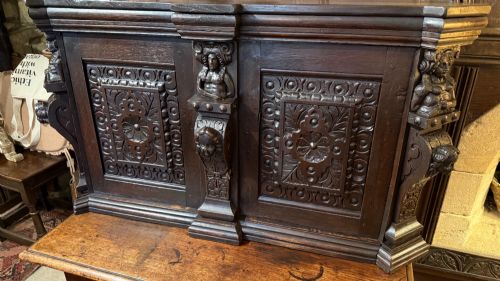
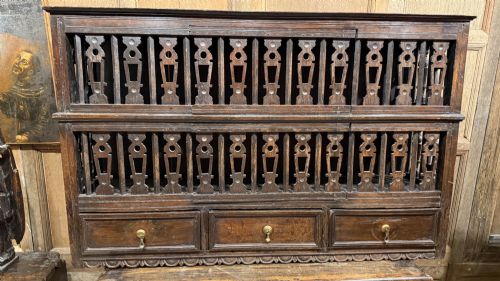
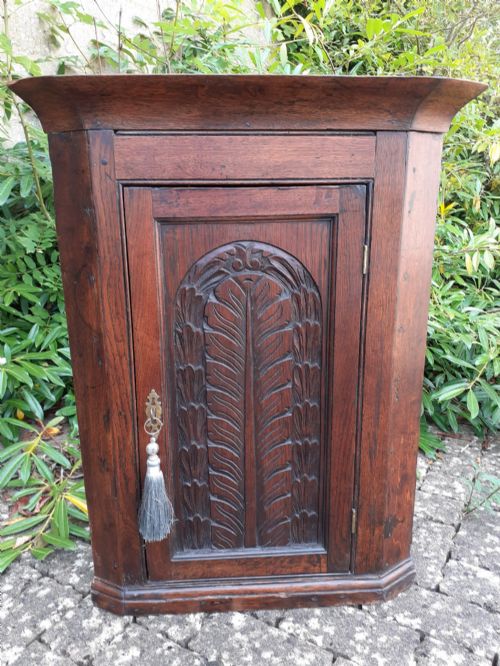
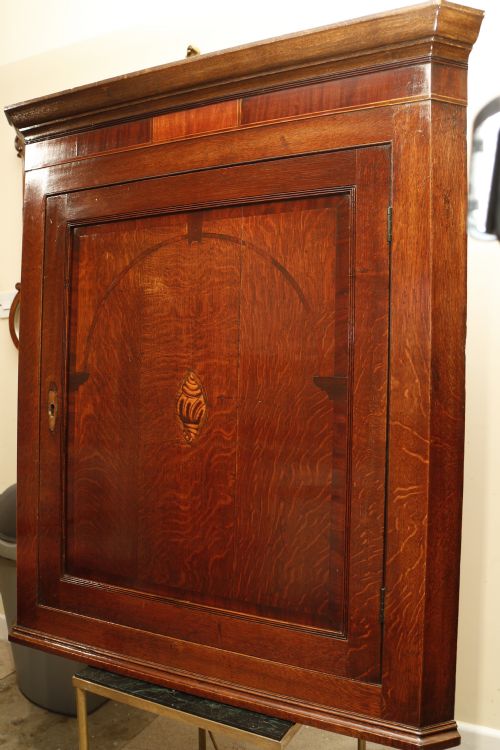


Country Oak Wall Cabinet
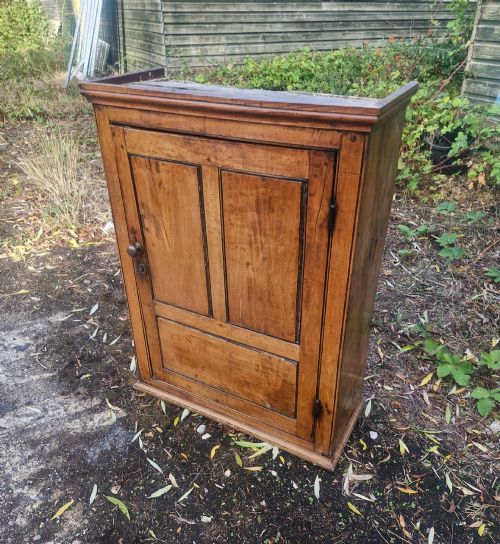
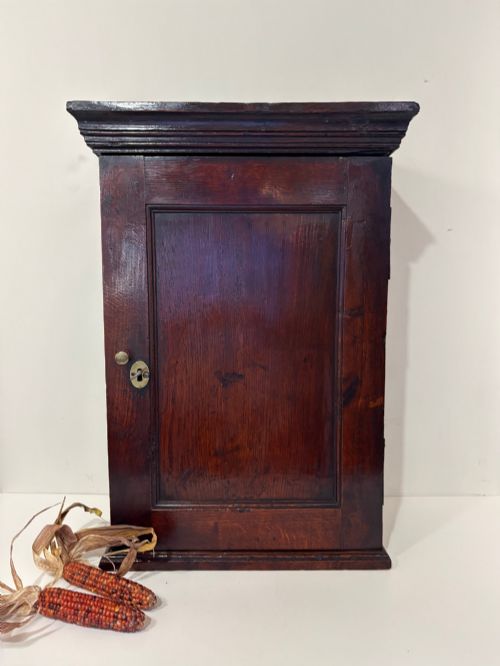
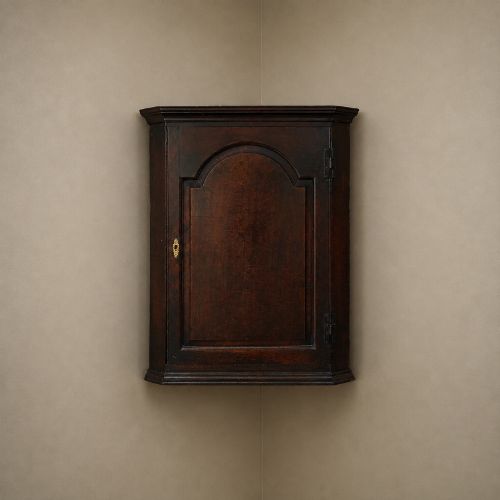
These country oak wall cabinets bring honest Georgian utility and rich timber grain to any interior.
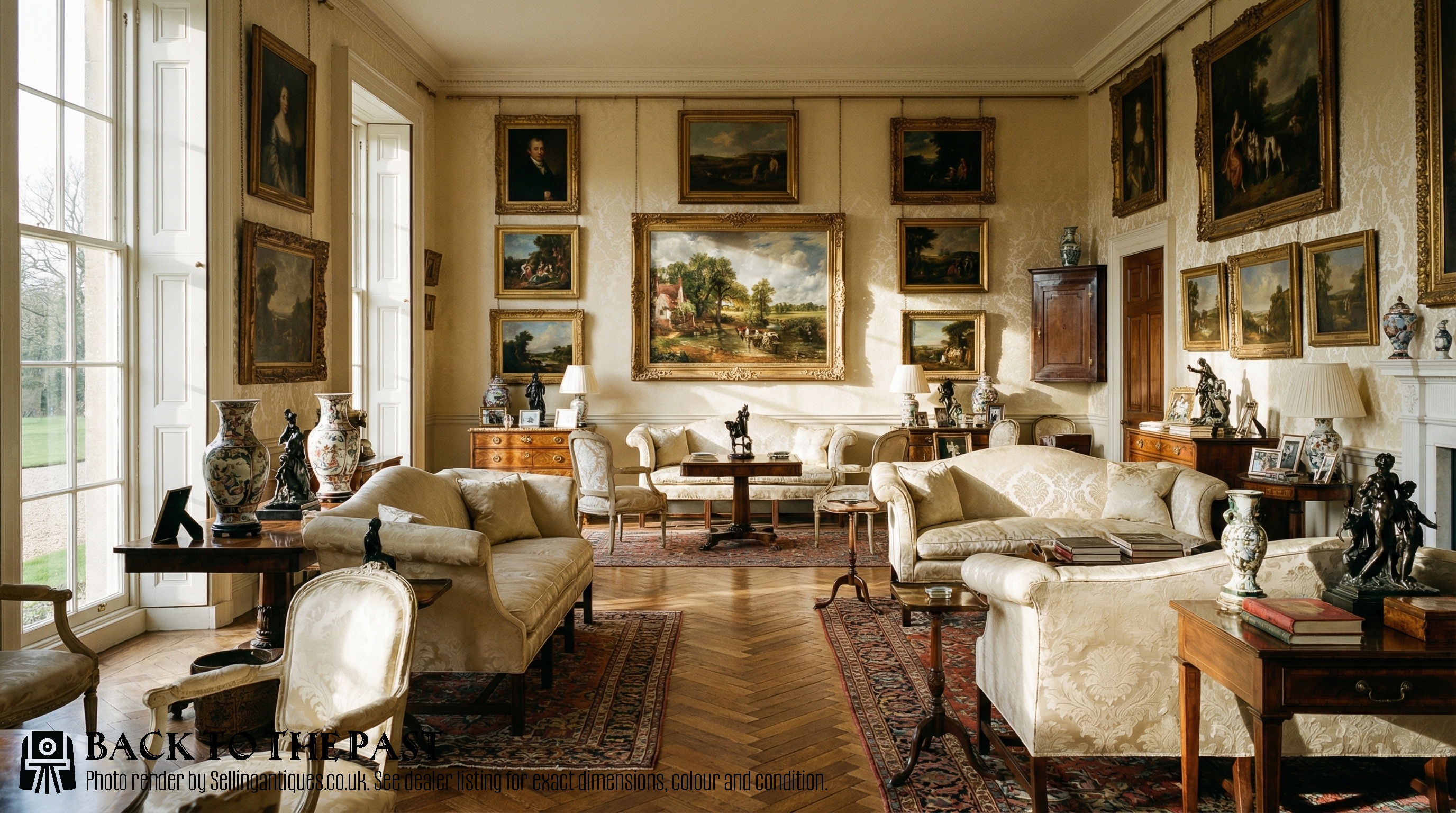
What these country oak wall cabinets are
A country oak wall cabinet provides sturdy, practical storage designed to hang securely on a room's wall. When searching for a country oak wall cabinet, buyers encounter pieces primarily originating from the Georgian period and the eighteenth century.
How they were made
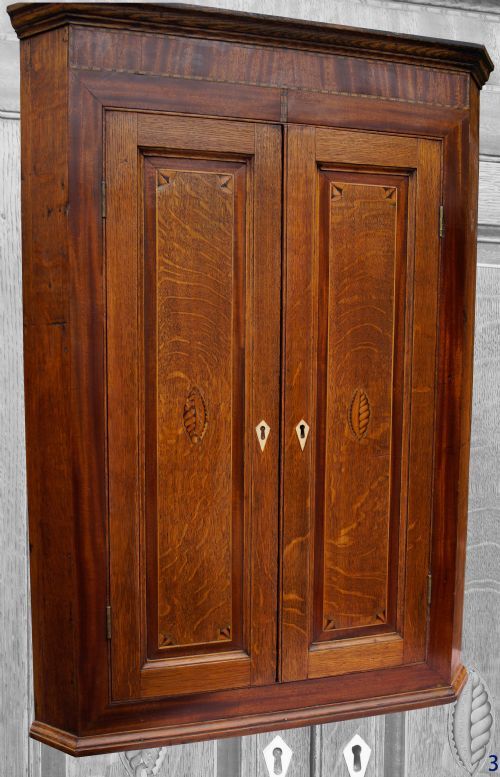
Cabinetmakers constructed these pieces predominantly using solid oak, occasionally incorporating mahogany crossbanding for decorative contrast. Structural and functional elements rely on brass and iron for hinges, escutcheons, and handles.
Joinery methods reflect traditional eighteenth and early nineteenth-century workshop practices suited to domestic furniture production. Carved details and glass elements appear on specific regional variations alongside fitted interior drawers.
Retail Price Guide 2026
Typical UK retail prices for country oak wall cabinet, calculated from the Sellingantiques database of over a million retail prices indexed since 2003. This retail price guide relies exclusively on Sellingantiques data; no external sources or auction records are used, so the figures do not describe the wider market.
Some of these little cupboards doubled as spice stores, meaning your antique wall hanging might still smell faintly of eighteenth-century nutmeg.
What varies in quality
Quality differences emerge in the selection of timber and the refinement of secondary woods like mahogany crossbanding. Better examples display careful attention to proportion, clean joinery, and the retention of original brass or iron hardware.
Simpler provincial pieces rely on straightforward construction without decorative veneers or carved embellishments. The presence of fitted interior compartments and small drawers elevates the sophistication of a piece above standard utility storage.
The Country Oak Wall Cabinet Glossary
- Crossbanding
- A border strip of veneer laid with the grain running perpendicular to the surrounding wood. This technique creates a neat framing effect around cabinet doors.
- Escutcheon
- A protective plate surrounding a keyhole, usually formed from brass or iron. It prevents the wood around the lock from splitting through repeated use.
- Georgian
- The period spanning the reigns of the first four British monarchs named George, lasting from seventeen fourteen to eighteen thirty. Furniture from this era emphasises proportion and classical restraint.
- Corner cupboard
- A specialised storage cabinet built with a triangular footprint to fit snugly into the intersection of two walls. These pieces maximise room space in smaller apartments or country kitchens.
Frequently Asked Questions
Where should I hang a wall cabinet?
These cabinets suit kitchen walls, dining rooms, or hallways where floor space remains limited. Their sturdy construction requires fixing directly into wall studs or solid masonry.
Corner versions make effective use of neglected room junctions while providing secure enclosed storage for everyday items or small collections.
How do I date a Georgian cabinet?
Dating relies on examining construction marks, timber choice, and hardware styles. Eighteenth-century pieces often feature hand-cut joints and simpler iron fittings.
Later additions from the early nineteenth century introduce different brass hinges and varied interior layouts that reflect changing domestic habits.
Can these hold heavy items?
Interior shelves safely support everyday ceramics, glassware, or spices depending on the internal depth of the specific cabinet. Solid oak provides natural strength for traditional domestic loads.
Wall mounting security depends entirely on the fixings used during installation rather than the cabinet frame itself.
What maintenance do oak cabinets need?
Regular dusting with a dry cloth keeps the surface clean without stripping the aged finish. Avoid placing timber furniture in direct sunlight or beside heat sources.
Application of occasional appropriate wax preserves the natural moisture and grain depth of old oak surfaces over time.