



Country Oak Tavern Table
A country oak tavern table brings honest timber and centuries of service straight into a modern dining room.
Country Oak Tavern Table
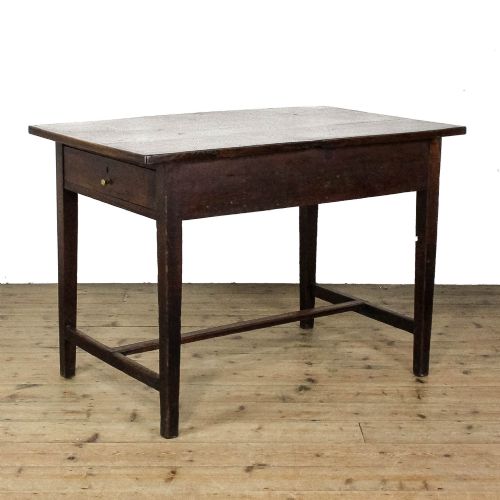
A country oak tavern table is a robust working surface built for heavy daily use in public houses, farmhouses and rural homes over past centuries. You will frequently encounter examples spanning the seventeenth, eighteenth and nineteenth centuries, often showing regional characteristics from Wales or rural England.
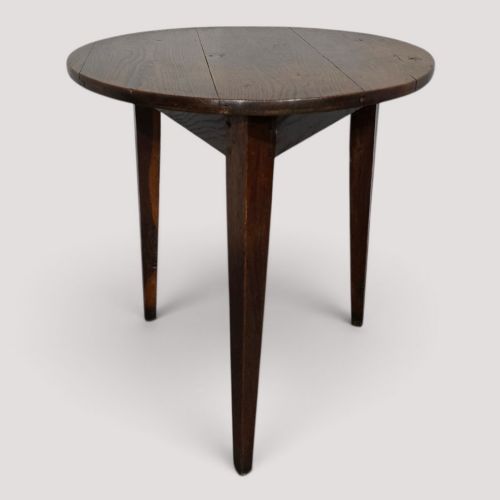
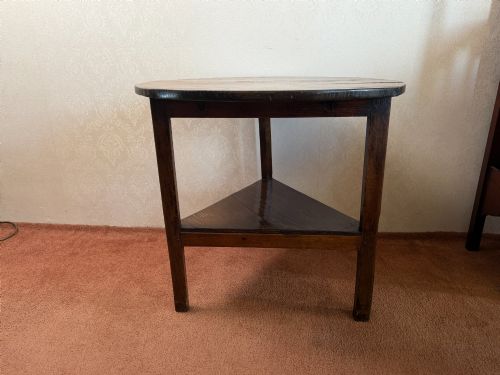
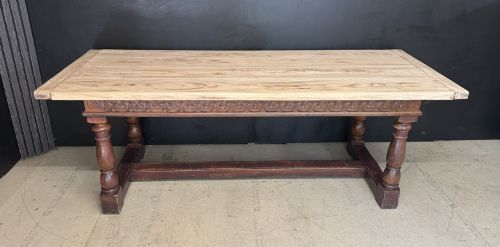
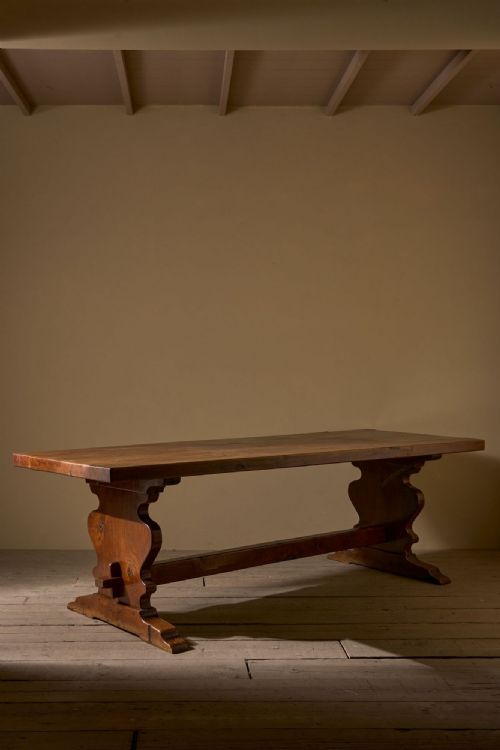
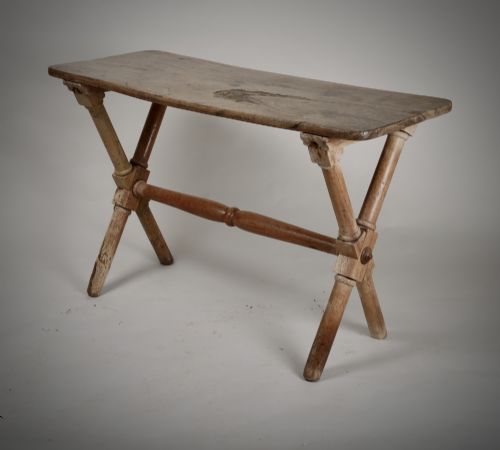
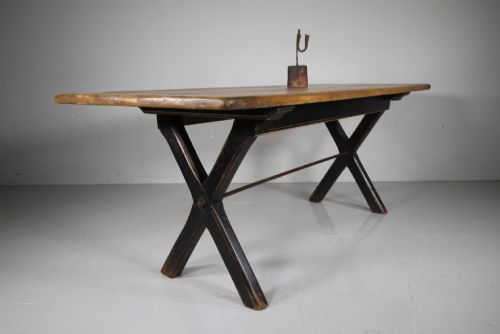
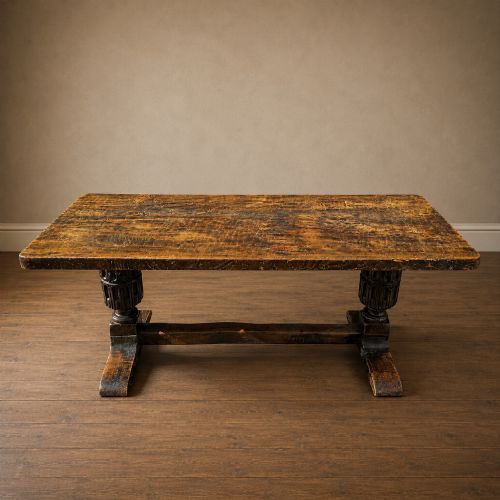
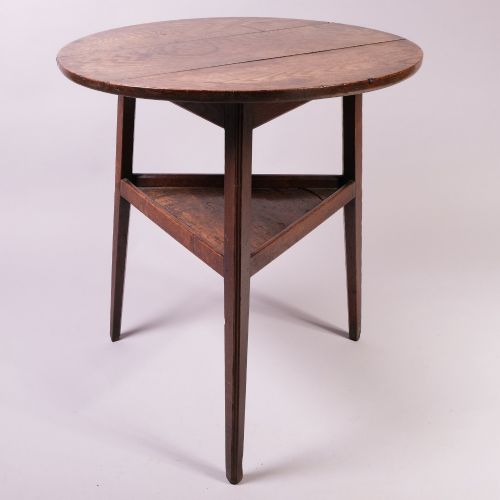
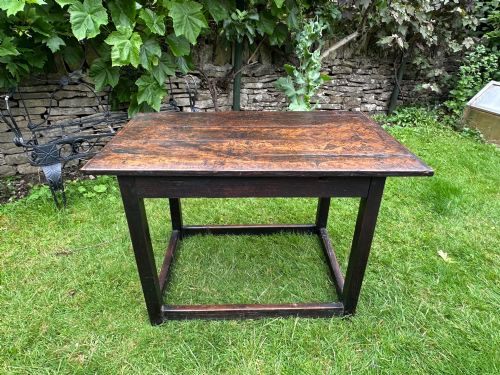
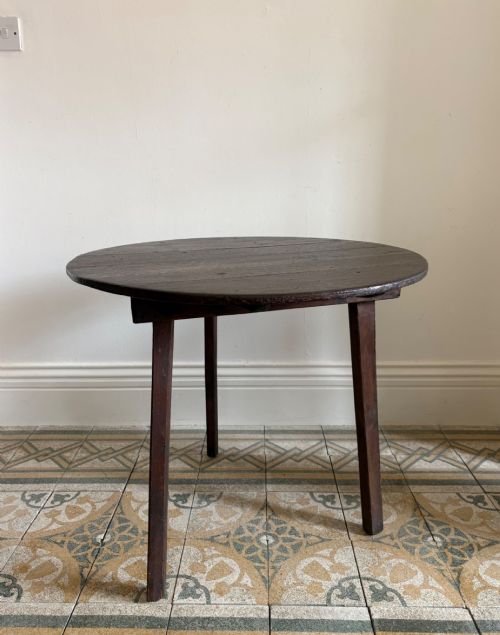
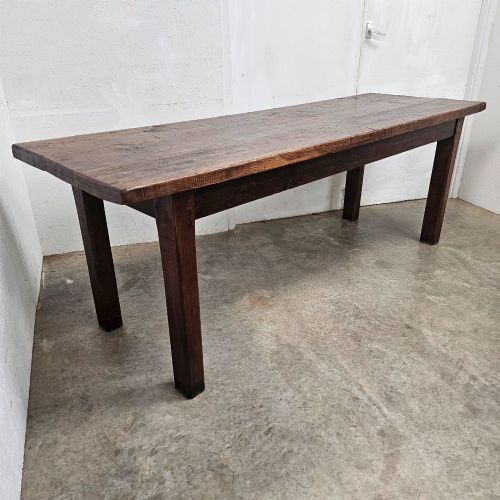
The selection here encompasses various related vernacular forms, including sturdy refectory tables, tripod cricket tables with timber tops, and long trestle designs. While formal dining furniture relied on veneered mahogany or walnut, these pieces utilise solid native woods intended for endurance.
Most pieces show simple lines rooted in utilitarian necessity rather than courtly fashion, though Georgian vernacular interpretations introduce refined proportions. They serve reliably today as kitchen dining surfaces or large side tables in spacious rooms.
How they were made
Makers constructed these tables predominantly from solid oak, supplemented by elm, ash and pine for secondary components or plank tops. Structural integrity relied on mortise and tenon joints secured by wooden pegs, which allowed the timber to expand and contract with seasonal humidity.
Tops often consist of single or multiple wide planks joined side by side, sometimes displaying natural live edges or substantial thickness. Bases feature turned baluster posts, straight legs, or trestle supports braced by heavy stretchers to prevent lateral movement.
What varies in quality
The distinction between ordinary and exceptional pieces lies in the integrity of the timber and the depth of the surface patina accumulated over generations of use. Tables retain greater appeal when their original plank tops remain unworn by aggressive modern sanding, preserving tool marks and historical surface character.
Proportion and structural balance separate standard utility tables from finer vernacular examples, particularly where leg turnings and stretcher placements exhibit thoughtful regional design. Alterations to height, shortened legs, or replaced stretchers diminish the integrity of an antique piece.
The Country Oak Tavern Table Glossary
- Cricket table
- A small, lightweight occasional table typically featuring three splayed legs and a round wooden top. This tripod design offered stability on uneven flagstone floors.
- Refectory table
- A long, narrow dining table traditionally used in monastic or communal dining halls. These pieces utilise strong underframe stretchers to support expansive plank tops.
- Plank top
- A table surface constructed from multiple longitudinal boards joined edge to edge. Earlier examples often feature remarkably wide single boards hewn from mature trees.
- Baluster post
- A turned vertical wooden support shaped like a vase or column. Makers utilised this decorative turning on table legs and gate-leg supports.
- Patina
- The surface sheen and colour developed by timber over decades of handling, waxing and cleaning. A rich patina indicates age and continuous domestic use.
Country Oak Tavern Table: Frequently Asked Questions
How do I care for a historic timber top?
Clean the surface using a slightly damp cloth and dry it immediately with a soft lint-free towel.
Apply a traditional beeswax polish occasionally to nourish the wood and maintain its natural lustre.
Are these tables suitable for daily dining?
These pieces were originally built for heavy daily use in taverns and farmhouses, making them exceptionally durable for modern meals.
Use heat mats and coasters to protect the historic finish from moisture rings and hot dishes.
What is the difference between a tavern table and a refectory table?
Tavern tables are generally more compact and were designed for smaller drinking and gathering spaces in public houses.
Refectory tables are substantially longer and narrower, engineered to seat many people along communal dining halls.
How can I tell the age of the timber?
Examine the underside and joints for hand-cut tool marks, pit-sawing striations, and pegged joinery rather than modern metal screws.
Natural shrinkage, historical surface wear, and variations in colour across the planks also indicate considerable age.