
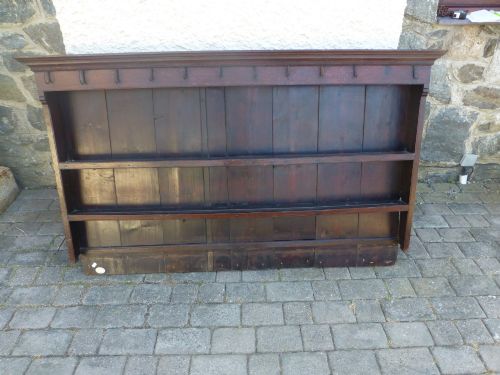
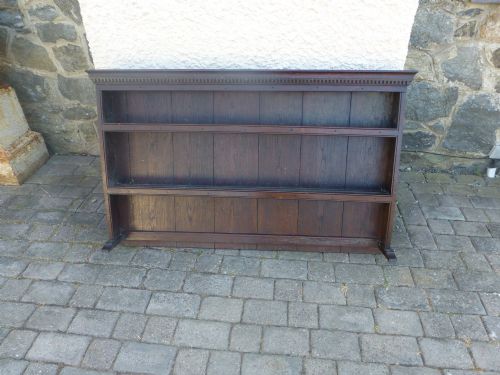
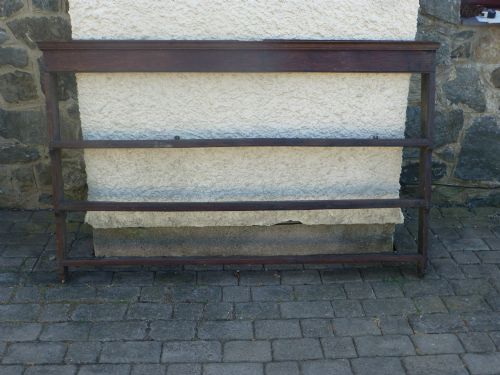
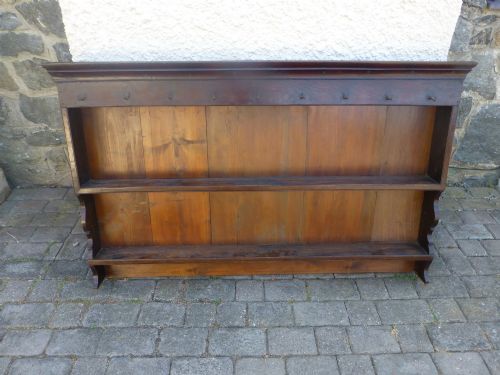
Country Oak Shelves
Country oak shelves bring honest utility and enduring warmth to a room, offering practical storage grounded in traditional craftsmanship.
Country Oak Shelves
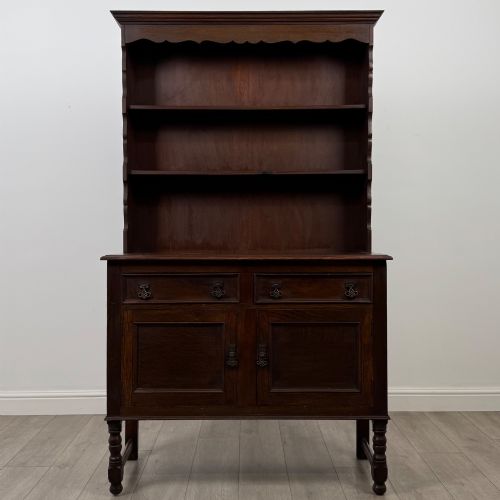
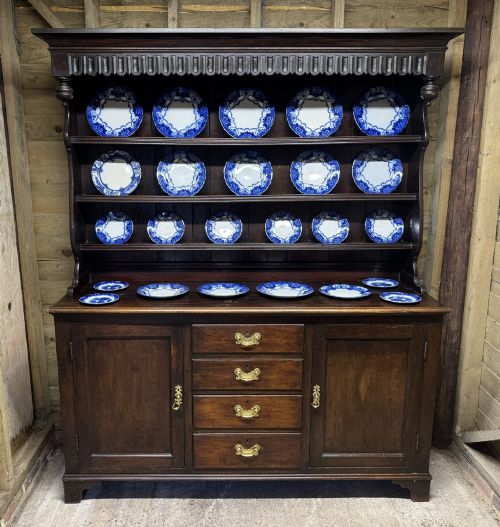
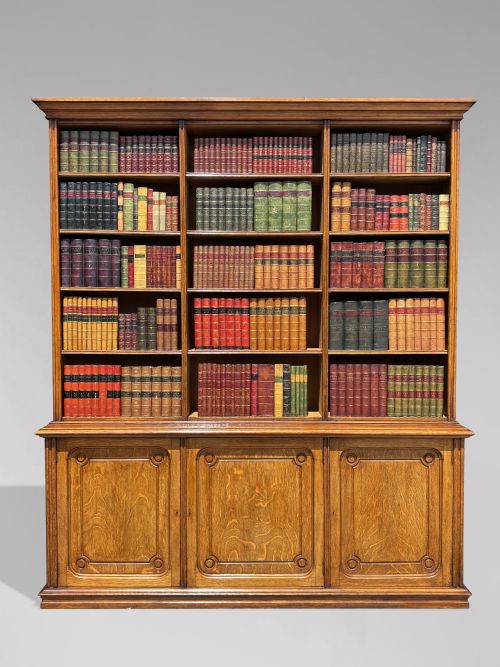
Country oak shelves encompass a robust variety of wall-mounted racks, substantial dressers with plate racks, and open bookcases designed for everyday utility. These pieces originate from periods spanning the eighteenth and nineteenth centuries, alongside early twentieth-century examples shaped by vernacular and provincial traditions.
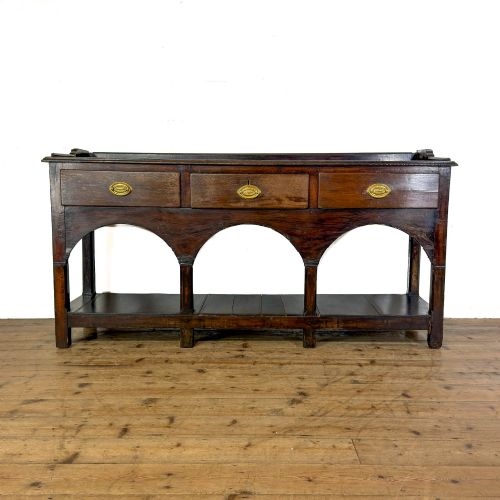
A buyer searching this phrase is most likely to encounter eighteenth-century and Georgian wall racks, nineteenth-century dresser bases paired with plate racks, and Edwardian interpretations in golden oak. Forms range from simple hanging shelves to grand Welsh dressers featuring integrated pot boards.
The aesthetic is distinctly rustic and unpretentious, drawing on English country, French provincial, and Jacobean revival styles. Construction relies heavily on solid timber, honest joinery, and practical layouts intended for displaying ceramics or storing household goods.
Materials and Construction
Makers relied primarily on solid oak, occasionally supplemented by fruitwood, pine, elm, and burr walnut, joined with traditional pegged mortise and tenon joints. Iron and brass hardware such as hinges and hooks provided essential structural reinforcement and functional detail.
Surfaces were shaped using hand planes and saws, leaving subtle tool marks that reveal the manual labour involved in their creation. Timber was selected for durability and straight grain, ensuring the shelves could bear the weight of heavy tableware and books over generations.
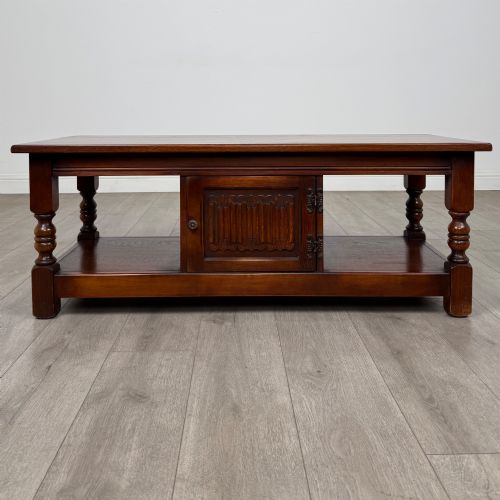
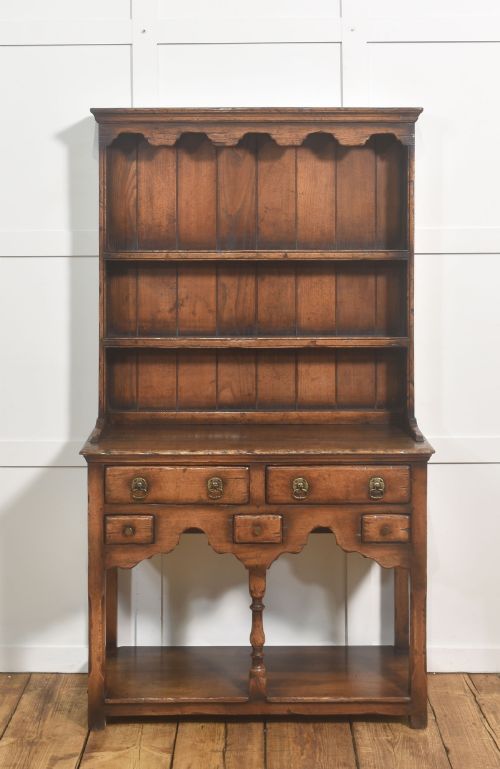
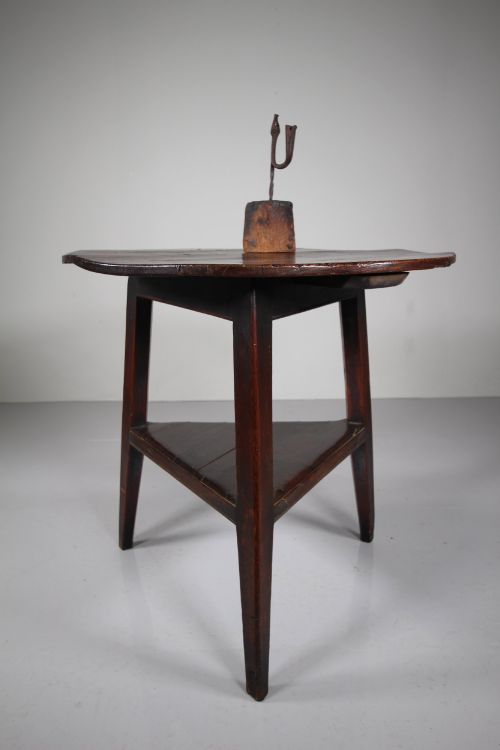
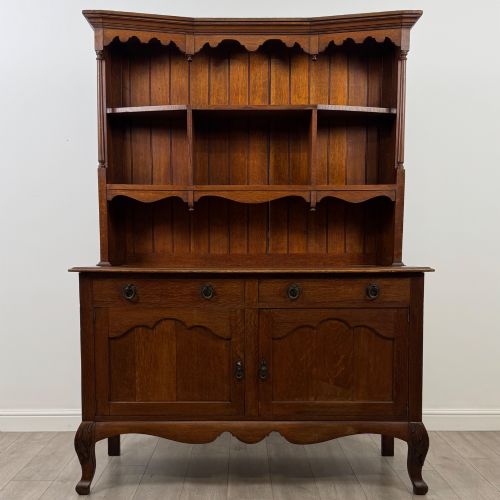
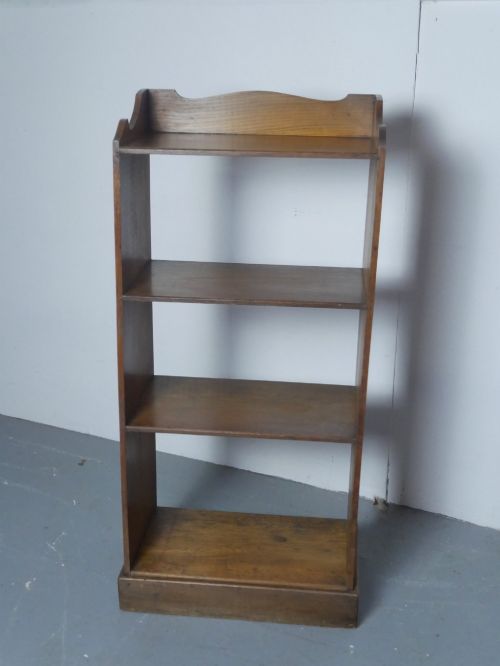
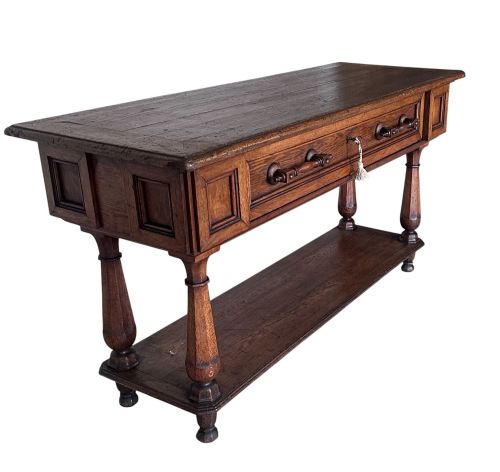
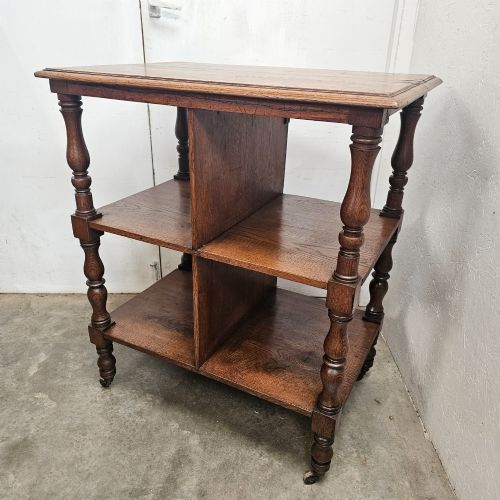
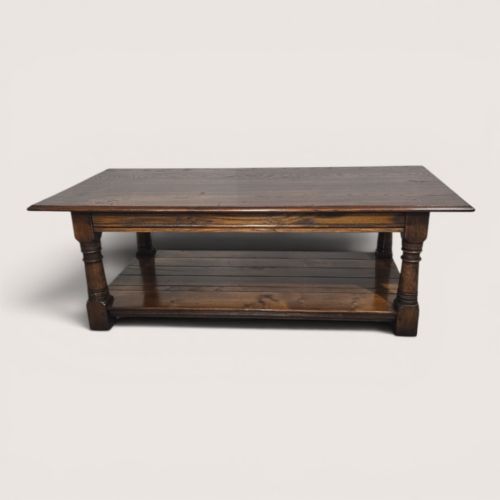
Object forms on display include plate racks, Welsh dressers, bookcases, serving tables, cricket tables, and wall-hanging shelves.
Evaluating Quality and Character
Quality rests in the integrity of the timber selection and the retention of original structural elements, such as backboards, pegging, and hanging brackets. Pieces that display patination earned through decades of domestic use hold greater visual depth than those with over-restored surfaces.
Proportion and proportion-balance dictate the success of a design, distinguishing provincial vernacular work from later revival pieces. The presence of original brass or iron fixtures and untouched surface finishes elevates the standing of an individual piece within its period.
The Country Oak Shelves Glossary
- Pot board
- A low slatted or solid shelf positioned near the floor beneath a dresser base, traditionally used for storing pots and pans. This lower tier anchors the piece visually and structurally.
- Delft rack
- A set of wall-hanging shelves specifically designed with plate grooves and shallow ledges to display tin-glazed earthenware and ceramic plates upright. They form the upper section of many traditional dressers.
- Cricket table
- A small, lightweight occasional table typically featuring three splayed legs and a round wooden top, designed for stability on uneven farmhouse floors. They represent an agile form of vernacular furniture.
- Provincial
- A term describing furniture made in the regions far from metropolitan centres, prioritising local materials and practical utility over fashionable court styles. These pieces often exhibit charming regional variations in construction.
Country Oak Shelves: Frequently Asked Questions
What is a Welsh dresser?
A Welsh dresser combines a lower base of cupboards or drawers with an upper tier of open plate racks for display. They served as the central storage hub in country kitchens for holding dining ware and provisions.
Over time, these pieces transitioned from utilitarian workspaces into decorative focal points in dining rooms and living spaces. Their regional variations reflect the timber and design preferences of different parts of Britain and France.
How do I hang antique wall shelves safely?
Hanging antique wall shelves requires locating solid wall studs or using heavy-duty fixings suited to the wall material, as solid oak timber carries substantial weight. Professional installers often utilise concealed metal brackets or secure the piece through existing structural screw holes.
It is essential to distribute weight evenly across the shelves once mounted to prevent undue strain on ancient joints and fixings. Checking the security of the original hanging points before installation ensures the piece remains safely supported.
How do I care for country oak furniture?
Maintaining country oak involves applying natural beeswax occasionally to nourish the dry wood and preserve its soft lustre. Avoid placing these pieces in direct sunlight or near heat sources to prevent the timber from warping or splitting.
Dusting with a soft, dry cloth keeps the surface clean without stripping the historic patina built up over centuries. Gentle care preserves both the structural integrity and the rich visual history of the wood.
What is the difference between an 18th-century and an Edwardian oak piece?
Eighteenth-century oak furniture was constructed by hand using green wood techniques, resulting in irregular hand-planed surfaces, pegged joints, and deep patination. These pieces were built for absolute domestic utility in farmhouses and country homes.
Edwardian pieces often reflect a revivalist interest, utilising machine-sawn timbers and cleaner internal fittings while mimicking earlier styles like Jacobean or Georgian. They tend to have a lighter golden tone and standardised hardware compared to their earlier counterparts.