
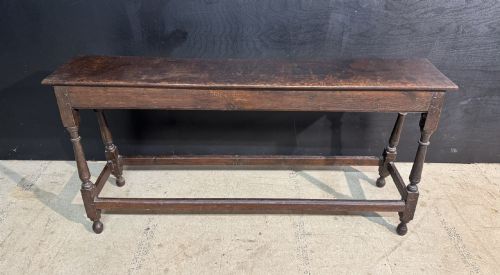
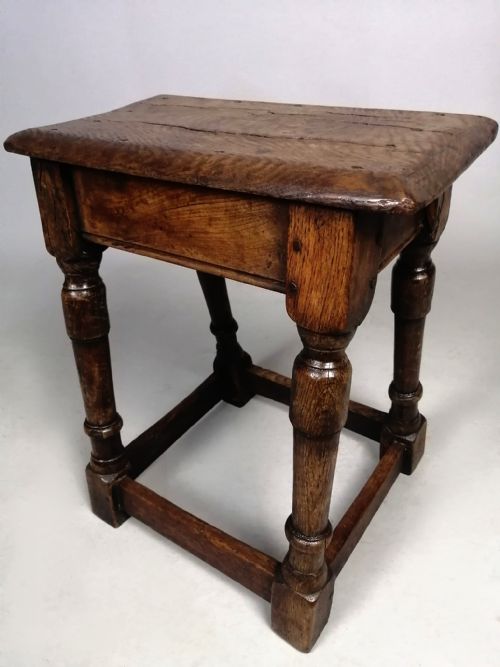
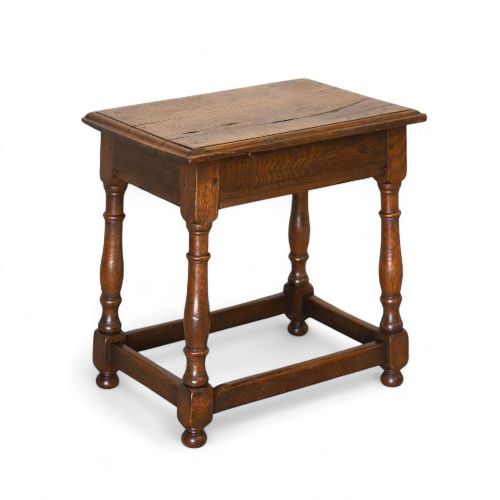
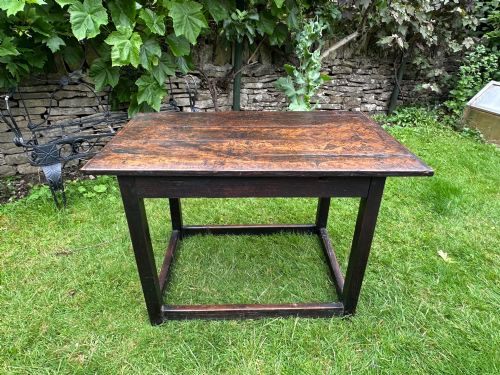






Country Oak Joint Stool
A country oak joint stool is a sturdy, pegged wooden seat built for domestic utility, prized for its honest construction and rich vernacular character.
Country Oak Joint Stool
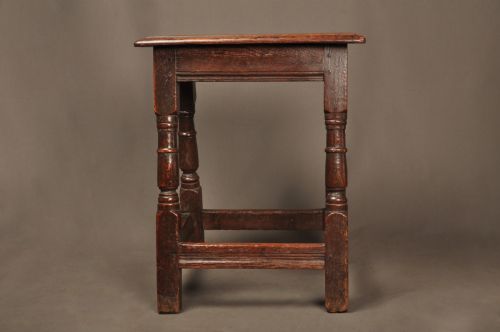
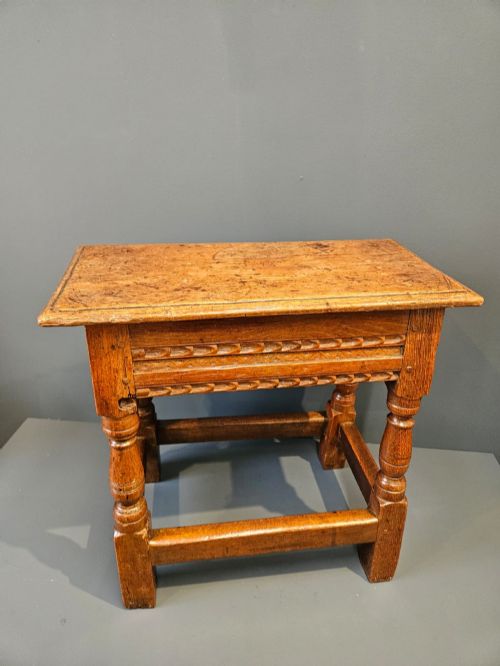
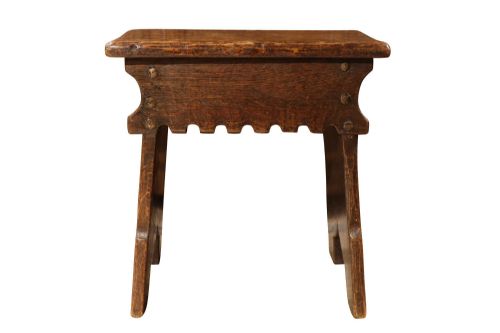
When you search for a country oak joint stool, you encounter solid wooden seating built using traditional pegged and framed joinery rather than simple nailing. These pieces range from seventeenth-century provincial examples to later nineteenth-century revivals and utilitarian forms.
The versions most commonly met on this page span the seventeenth, eighteenth, and nineteenth centuries, often manifesting as square or rectangular plank-top seats supported by turned or straight legs connected by stretchers.
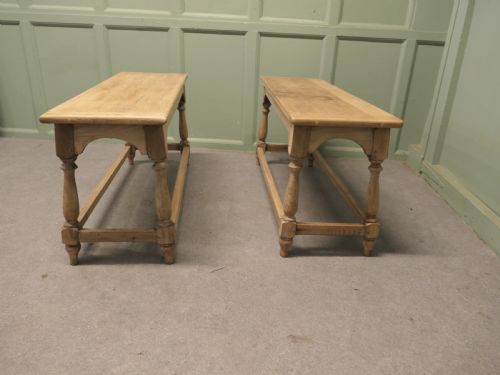
Alongside standard joint stools, the evidence includes related variants such as elm-topped pieces, yew wood examples, bleached timber variants, and low side tables or occasional tables sharing the same rigid structural DNA.
Assessing quality and character
Quality rests in the proportion of the frame, the crispness of the turning on the legs, and the retention of original timber surfaces. Early examples display hand-cut tool marks and substantial oak scantling that ground the piece visually.
The condition of the pegged joints and the extent of timber survival determine the integrity of a piece. Replacement timbers, excessive modern sanding, or altered heights diminish the historical honesty that collectors value in provincial seating.
Some provincial makers thoughtfully provided a built-in footrest stretcher so diners could dangle their feet clear of the draughty rushes on the floor.
The Country Oak Joint Stool Glossary
- Joint stool
- A sturdy wooden stool constructed from framed timbers joined together with pegged mortise and tenon joints, rather than crude nailing. This method gave the form its name.
- Plank top
- A solid wooden seat constructed from one or more boards joined flat, forming the upper surface of the stool. These tops often show shrinkage splits and wear appropriate to their age.
- Pegged construction
- A method of securing joints by driving a small wooden pin through the mortise and tenon. This held the frame rigid without relying on metal screws or nails.
- Stretcher
- A horizontal timber connecting the legs near the floor to reinforce the framework. On these stools, stretchers also served as footrests to keep feet off cold damp floors.
- Provincial
- Describing items made outside major metropolitan workshops by local craftsmen. These pieces often exhibit regional quirks and straightforward utilitarian design.
Country Oak Joint Stool: Frequently Asked Questions
What is a joint stool?
A joint stool is an early form of domestic seating constructed with tight mortise and tenon joints held together by wooden pegs. The name derives from the joined woodwork rather than any folding mechanism.
These pieces served multiple household functions, operating as seats at the dining table, portable stands, or platforms for reaching high shelves.
How old are these stools?
The pieces span from the seventeenth century through the Georgian and Victorian eras, with later revival examples extending into the twentieth century. Earlier items display hand-planed surfaces and dense English oak.
Date attribution relies on timber characteristics, tool marks, and construction methods rather than strict documentary evidence.
Where were they used?
Country oak joint stools were utilitarian furnishings used primarily in provincial homes, farmhouses, and modest domestic settings. Their robust build suited heavy-duty household tasks.
Over time, surviving examples moved from working furniture to decorative items collected for their rustic aesthetic and historical timber colour.
How do I care for an oak stool?
Maintain the timber by keeping the stool away from direct heat sources and sudden humidity changes to prevent wood splitting. Natural beeswax applied sparingly helps nourish the dry oak surface.
Avoid harsh modern cleaning chemicals that strip the accumulated historic patina and rich colour built up over generations.