


Early Oak Footstool
An early oak footstool brings immediate warmth and honest grain to a room, offering a sturdy seat or rest built to last centuries.
Early Oak Footstool
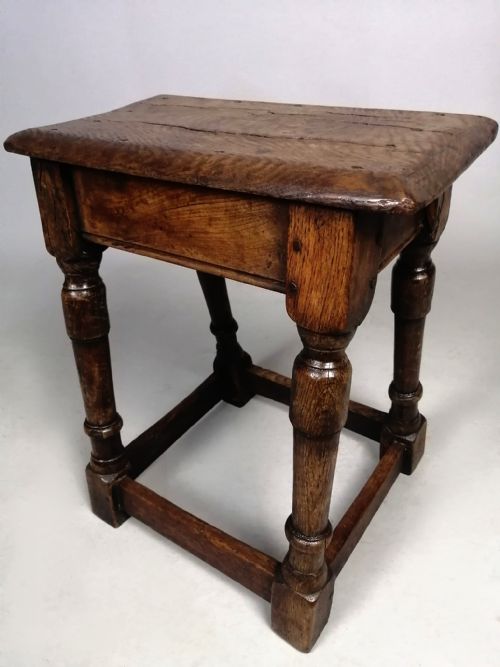
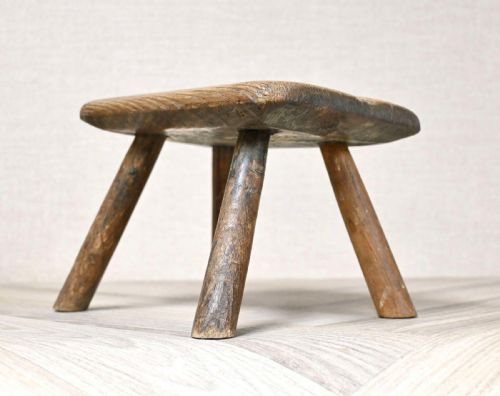
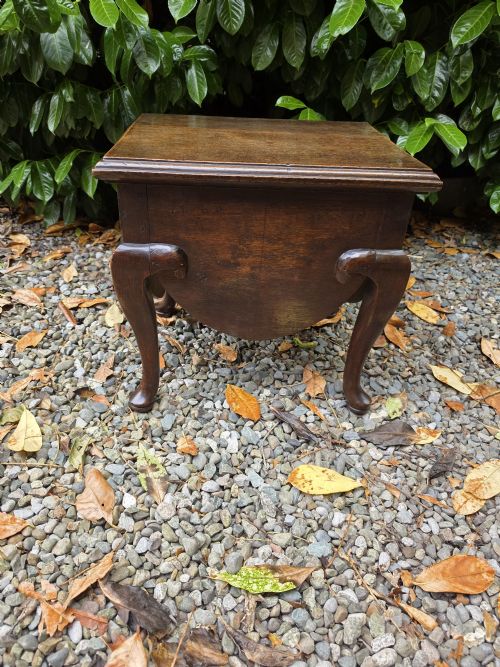
When you search for an early oak footstool, you are looking at low seating designed for resting feet or sitting near the hearth, often taking the form of a joint stool or simple framed support. The pieces on this page span several centuries, reaching from the seventeenth century through to the early twentieth century, taking in both genuine antique survivals and later revivals.
You are most likely to meet solid timber examples built with mortise and tenon joints, reflecting the heavy domestic traditions of earlier periods. Alongside these, the inventory includes primitive country forms and later revival pieces showing influences ranging from Jacobean to Queen Anne and Edwardian tastes.
Materials and construction methods
These stools are built primarily from solid oak and elm, utilising sturdy timbers that provide the foundational strength for daily domestic use. Joinery relies on traditional pegged mortise and tenon joints, creating rigid frames that survive centuries of weight and movement without metal fixings.
Surface treatments and upholstery vary according to period, incorporating materials like leather, fabric upholstery, metal studs, and occasionally cane tops. Carpenters shaped the timber using hand tools, leaving behind subtle tool marks and grain patterns unique to each piece of hardwood and timber.
One particularly royal pairing commemorates a twentieth-century coronation with miniature seating built for the grand occasion.
Understanding quality differences
The distinction between ordinary and exceptional examples rests upon the integrity of the timber and the crispness of any hand-carved detailing. Stools retaining their original surface patination and uncompromised joint structures command greater appreciation than those with excessive modern replacements.
Proportion and stylistic purity also separate the better pieces from simpler utilitarian items, particularly when cabinetmakers applied considered turning to the legs or balanced the proportions of the frame. The harmony between the oak top and the supporting stretchers dictates the visual success of the piece.
Heals of London
The Early Oak Footstool Glossary
- Joint stool
- A sturdy wooden stool constructed with pegged mortise and tenon joints rather than turned legs fitted into bored holes. Carpenters originally built these items for sitting or for serving food at the table.
- Hearth stool
- A low seat designed specifically for placement beside an open fireplace. These pieces typically feature low profiles to keep occupants beneath the smoke and close to the warmth.
- Mortise and tenon
- A traditional woodworking joint where a protruding tongue fits tightly into a matching square cavity. This method secures frame corners without relying on modern glues or metal screws.
- Patina
- The surface sheen and mellow colour developed by aged wood through decades of handling, polishing, and exposure to light. It serves as a visual indicator of genuine age and continuous use.
- Stretchers
- The horizontal rails connecting the legs of a stool near the base to provide structural rigidity. They frequently double as footrests on taller joint stools.
Early Oak Footstool: Frequently Asked Questions
What is an early oak footstool used for?
These low wooden pieces primarily served as practical seats near the hearth or as supports for tired feet after long days of labour.
Over time, owners also utilised them as small impromptu side tables or display stands for heavy ceramic vessels and candlesticks.
How do I tell a seventeenth-century stool from a revival piece?
Examining the construction marks and the nature of the timber shrinkage reveals clues about the actual age of the frame. Seventeenth-century examples display hand-cut peg holes and uneven wear patterns that differ noticeably from machine-cut twentieth-century revivals.
Wood movement over hundreds of years creates distinct undulations and shrinkage in early oak that modern reproduction workshops cannot easily replicate.
Can I use an antique footstool every day?
Solid oak and elm construction makes these pieces remarkably tough, allowing them to withstand regular weight without structural failure. Checking that the joints remain tight ensures the stool handles daily service safely.
Placing felt pads beneath the feet protects both the historic timber and modern floor surfaces from unnecessary friction and wear.
How should I care for the oak surface?
Maintaining the wood requires only occasional dusting with a soft, dry cloth to prevent grit accumulation in the grain. Avoid modern liquid polishes containing silicones, which can dull the historic patina and soften the surface waxes.
Applying a traditional beeswax paste once or twice a year nourishes the dry timber and preserves the natural lustre of the oak.