
Country Oak Furniture
Country oak furniture carries the grain, weight and utility of centuries past into everyday modern rooms.
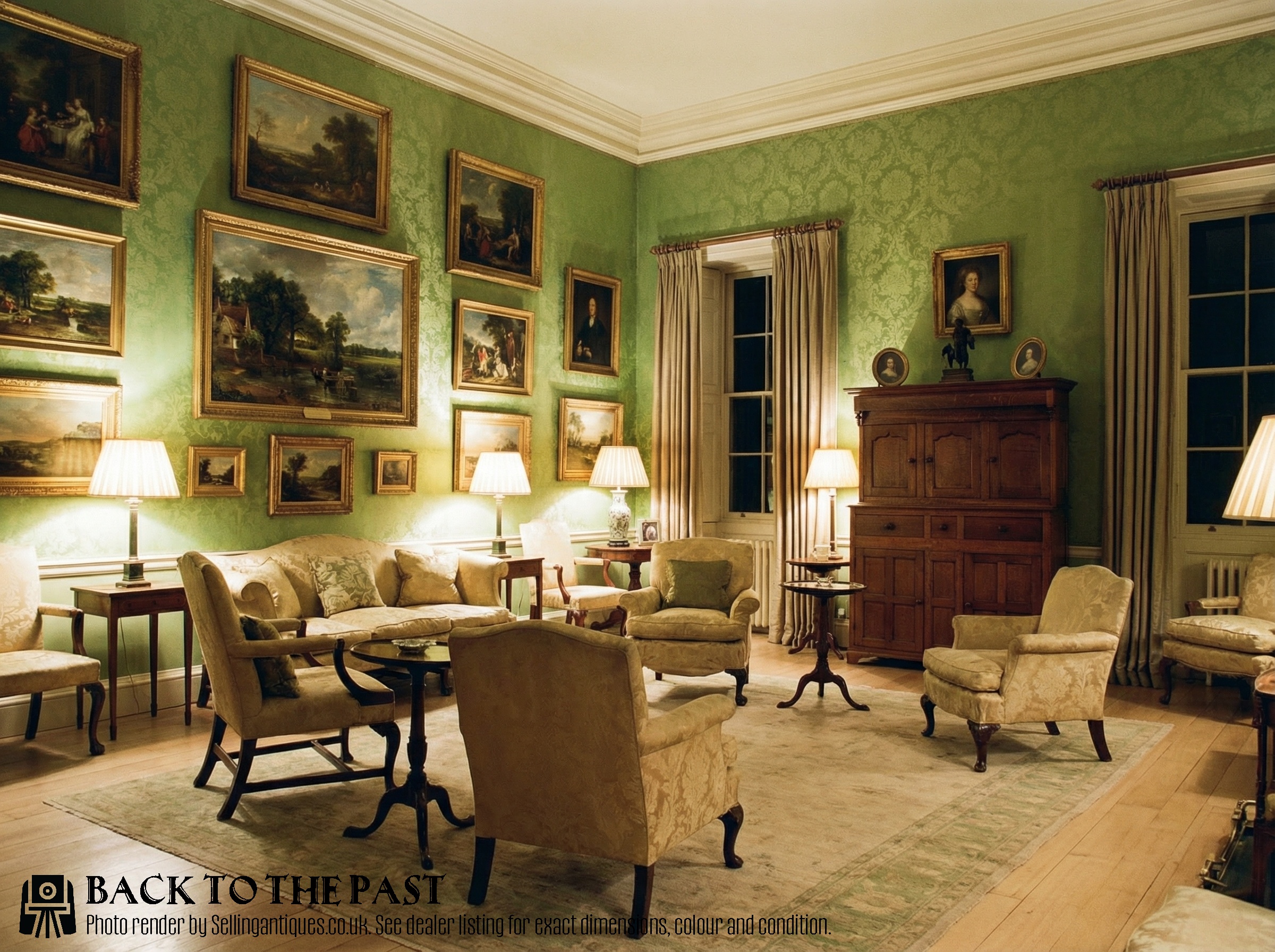
Country Oak Furniture
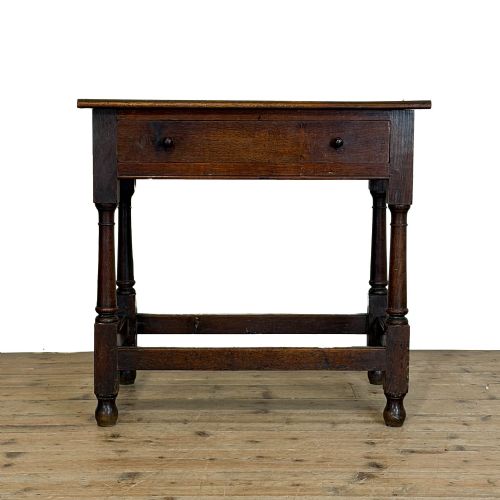
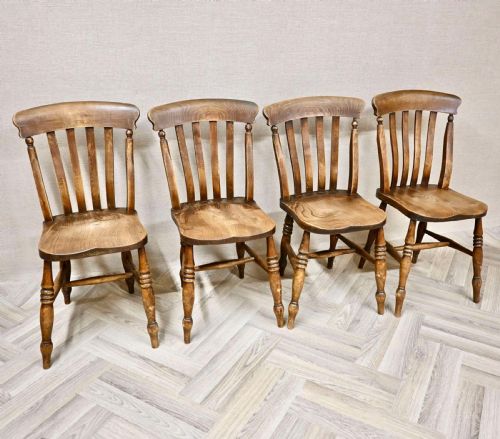
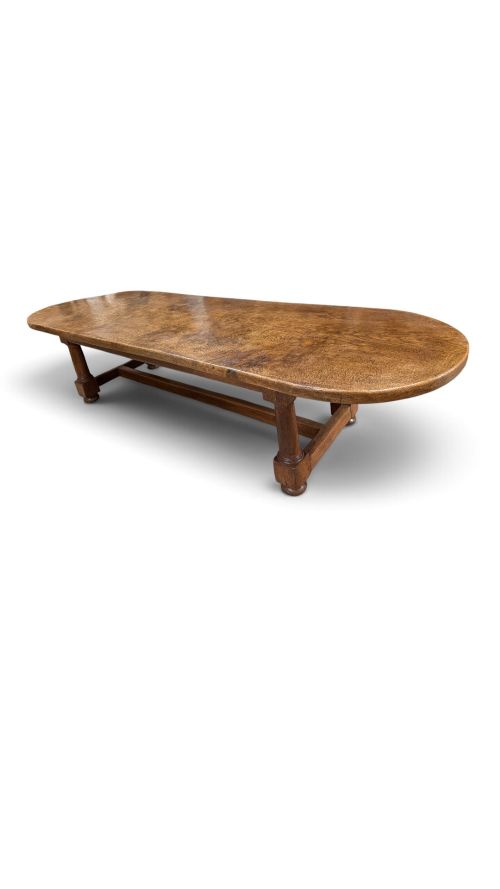
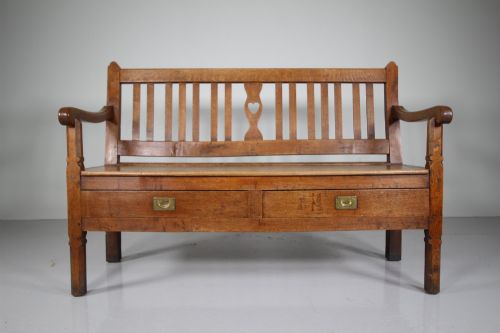
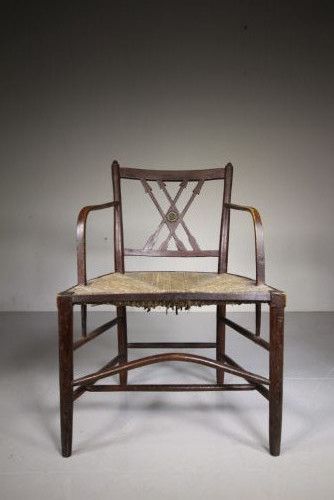
When buyers search for country oak furniture, they encounter sturdy domestic objects built for daily use rather than formal court display. These pieces originate primarily from the seventeenth, eighteenth and nineteenth centuries, spanning vernacular styles from English, Welsh and French regional traditions.
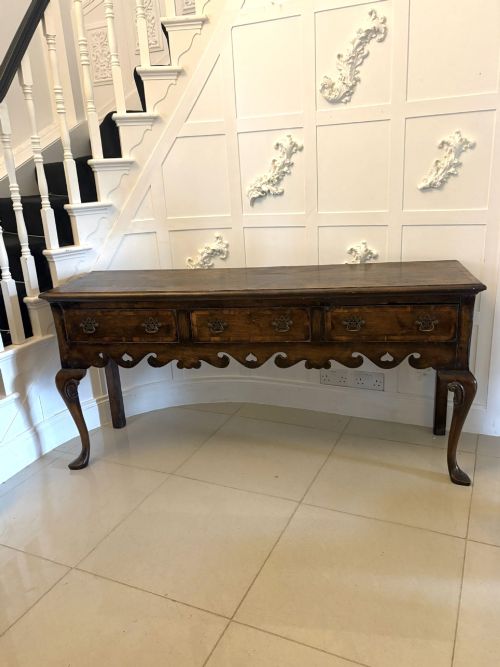
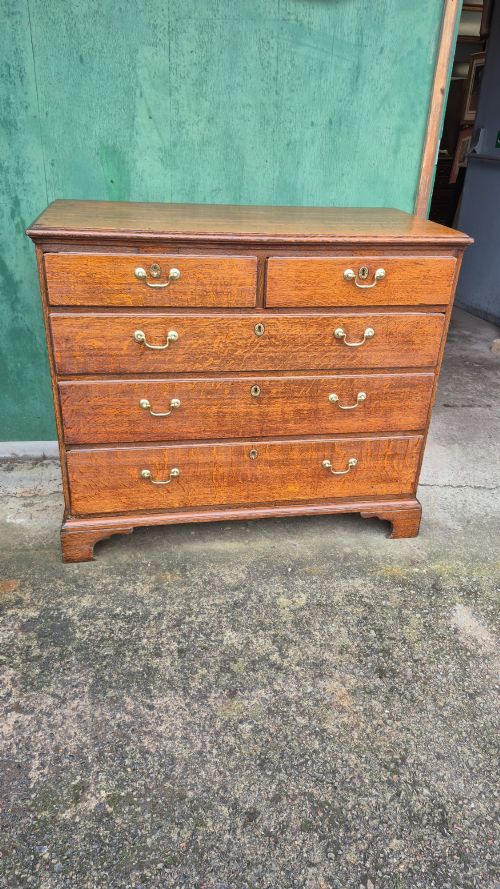
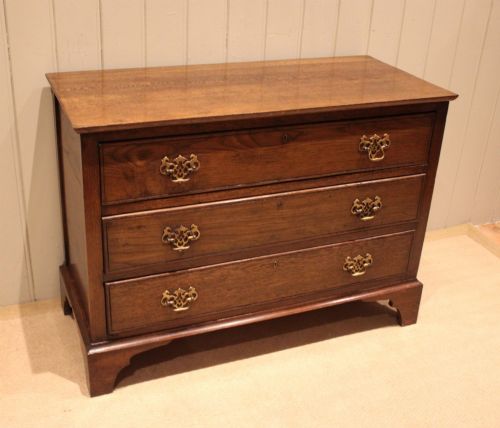
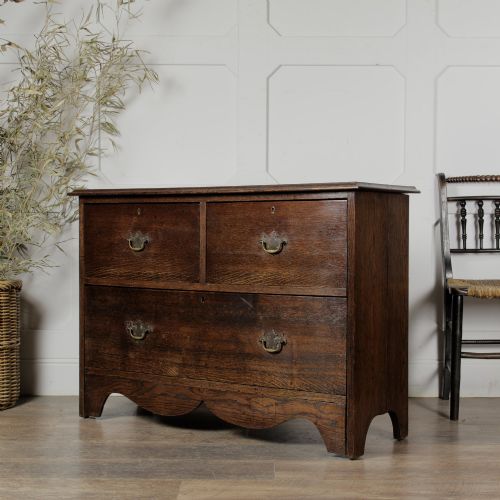
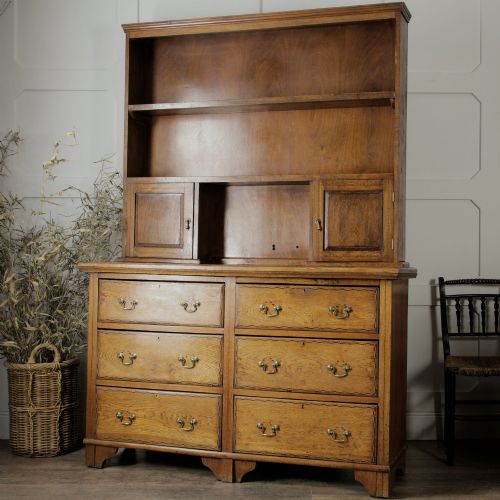
The selection commonly includes dining tables, dressers, settles, chests of drawers and stools designed for farmhouse kitchens, rural cottages and provincial townhouses. Simplicity of form and regional character define these survivals, which often bear the marks of local makers utilising native timbers.
Materials and Construction
Joiners and country carpenters relied heavily on solid oak for its durability, frequently supplementing it with secondary woods such as elm, fruitwood, ash and sycamore for legs, secondary boards and structural framing. Panels were typically edge-joined and left to float within grooved frames to accommodate seasonal expansion and contraction.
Hardware such as brass handles and iron hinges were forged locally or added later, while surfaces were finished with wax, oil or plain scrubbed finishes rather than heavy varnish. Construction methods relied on pegged mortise and tenon joints, dovetails on drawers and turned supports shaped on simple pole lathes.
Country Oak Furniture Retail Price Guide 2026
Typical asking prices for country oak furniture among the pieces listed under this phrase on Sellingantiques today, from the lower quarter to the upper quarter. They describe what is for sale here now, not the wider market.
The listings span pieces dated across the seventeenth, eighteenth, nineteenth and early twentieth centuries, constructed from solid oak, elm, ash and fruitwood.
Assessing Quality and Proportion
Quality in these rural pieces rests upon proportion, original surface patination and the integrity of the structure. Well-proportioned examples with balanced heights and widths command greater interest than awkward or heavily altered proportions.
The presence of untouched surfaces, original boards and minimal replacement timber elevates a piece above those with extensive modern repairs or stripped finishes. Original fixings, feet and hardware contribute significantly to the authenticity and visual depth of the object.
The Country Oak Furniture Glossary
- Coffer
- A large wooden chest used for storage, typically constructed with heavy boarded or panelled sides and a hinged lid. Early examples often feature carved decoration and robust pegged joints.
- Dresser base
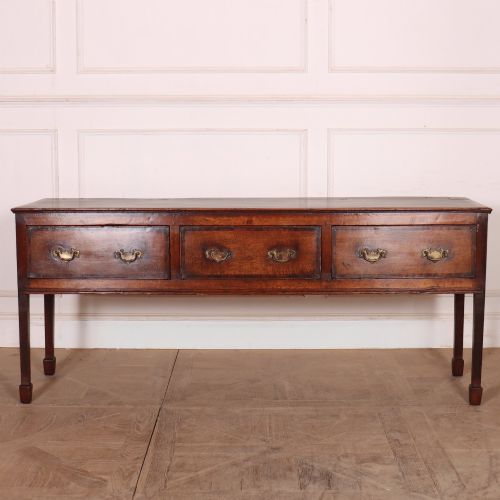
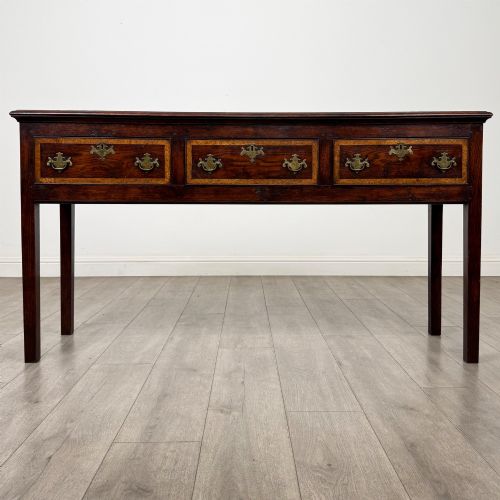
- A low sideboard fitted with drawers, sometimes incorporating cupboards or open potboards beneath the main counter. These formed the practical workspace of the country kitchen.
- Cricket table
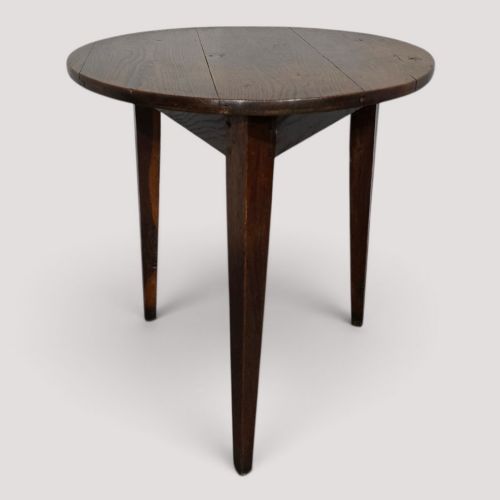
- A small, lightweight occasional table supported on three legs, traditionally designed to stand steady on uneven flagstone floors. They frequently feature triangular tops and simple pegged stretchers.
- Settle
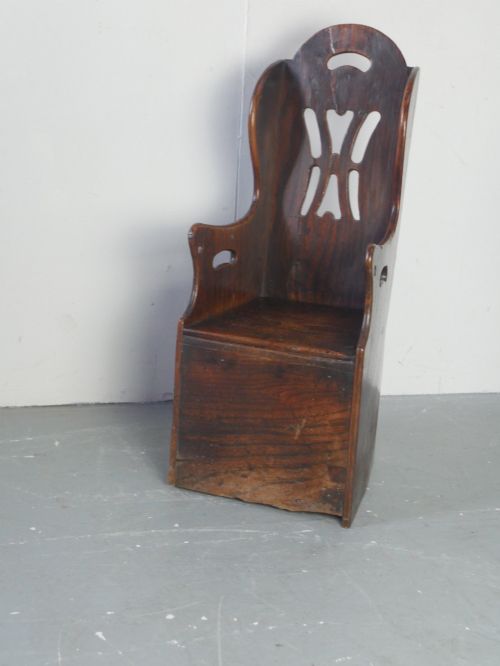
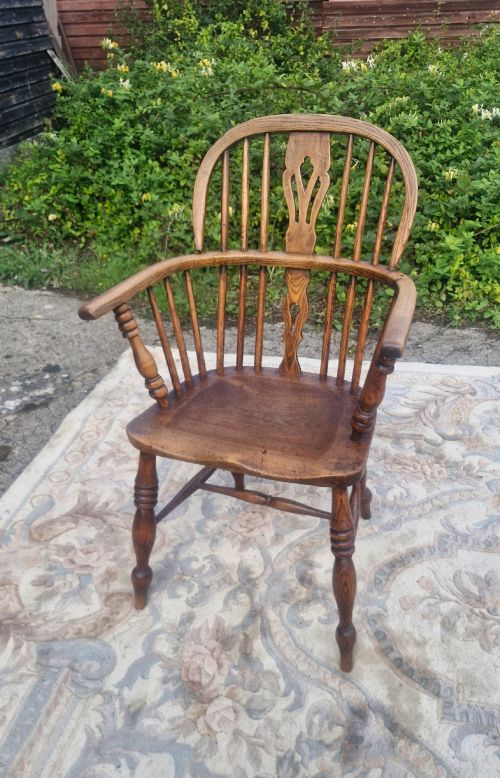
- A high-backed wooden bench with solid sides and a storage box beneath the seat, designed to shield occupants from draughts. They served as central seating furniture in farmhouse kitchens and taverns.
- Cwpwrdd tridarn
- A traditional Welsh three-tier cupboard featuring enclosed compartments and display shelving. These monumental pieces represent some of the most ambitious works of regional vernacular cabinet making.
- Lowboy
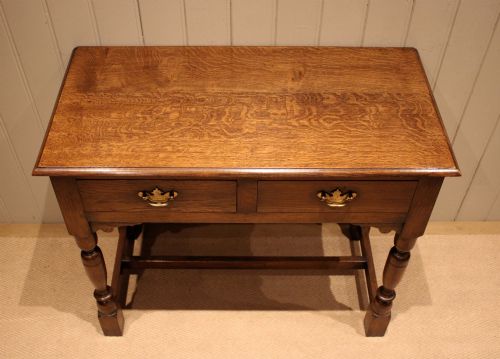
- A small side table or dressing table fitted with one or more rows of drawers beneath a rectangular top. They typically stand on slender cabriole or turned legs.
Country Oak Furniture: Frequently Asked Questions
How do I clean country oak furniture?
Dust surfaces regularly with a soft, dry cloth to prevent the accumulation of grit within the grain. Apply a traditional beeswax sparingly when the wood appears dry, buffing it gently to maintain a soft natural sheen.
Avoid using modern silicone sprays, harsh chemical detergents or water on antique timber surfaces. Moisture can raise the grain and damage the historic patination accumulated over centuries of use.
Are these pieces suitable for modern homes?
These practical domestic items integrate easily into contemporary interiors due to their understated forms and durable construction. Dining tables, chests and sideboards provide functional storage and surface space while adding warmth and historical texture to a room.
Keep wooden items away from direct heat sources such as radiators and fireplaces to prevent the timber from splitting or warping. Stable room temperatures and moderate humidity preserve the structural integrity of older furniture.
How can I tell an eighteenth-century table from a later copy?
Examine the underside and joints for hand-cut tool marks, pegged tenons and uneven board widths that indicate older hand-working methods. Genuine period examples often display natural wear patterns, shrinkage cracks and cumulative patination around frequent touchpoints.
Check for consistency in the timber species and construction techniques across the entire object. Modern machine-cut screws, uniform sanding and uniform colouration frequently suggest later manufacture or substantial restoration.