

Country Oak Drawers
Country oak drawers bring the solid warmth of domestic utility into a room, offering practical storage fashioned from native timber.
Country Oak Drawers
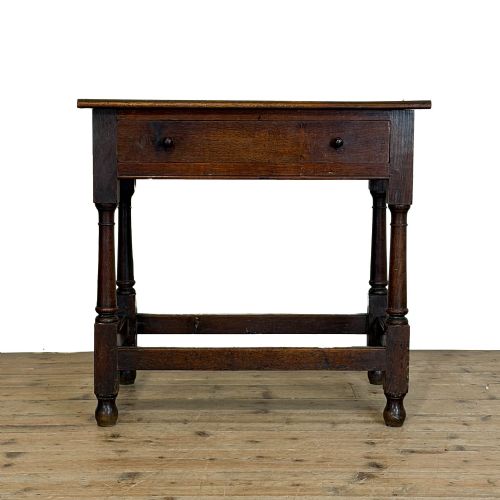
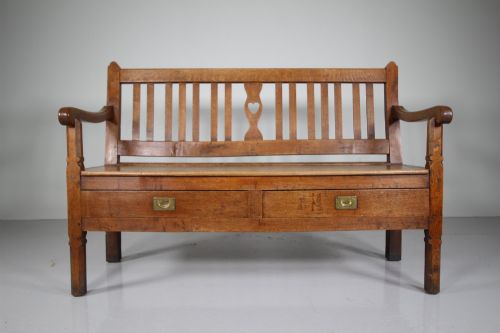
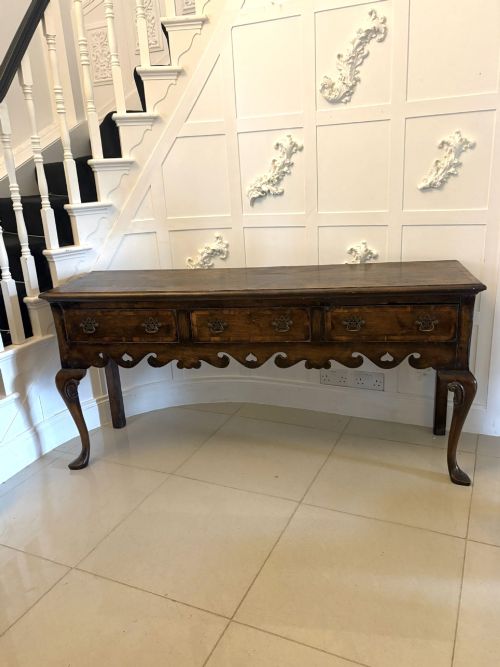
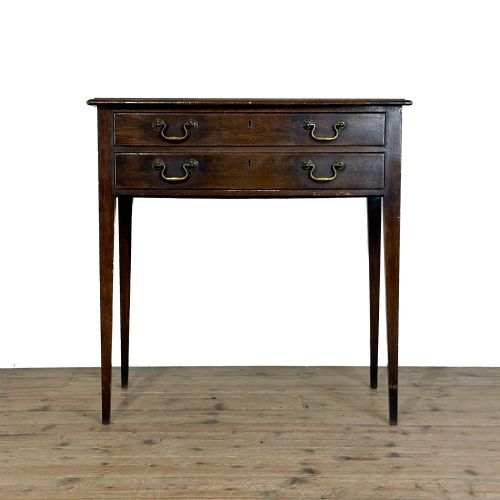
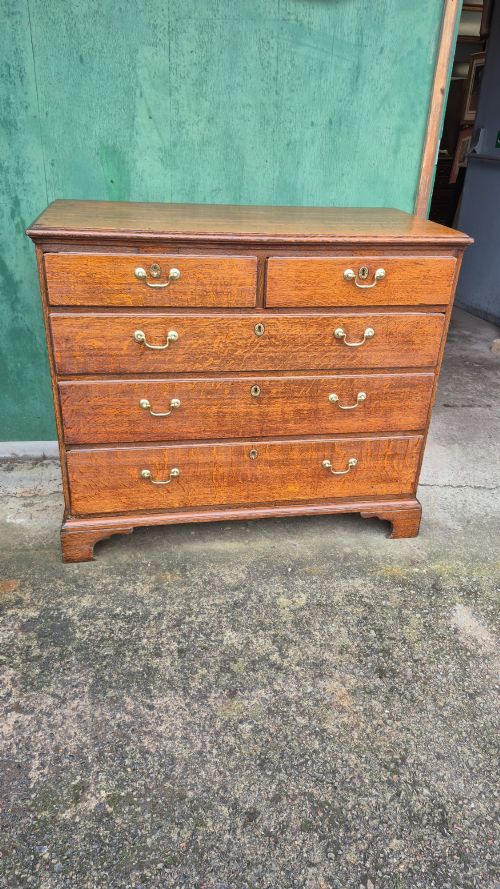
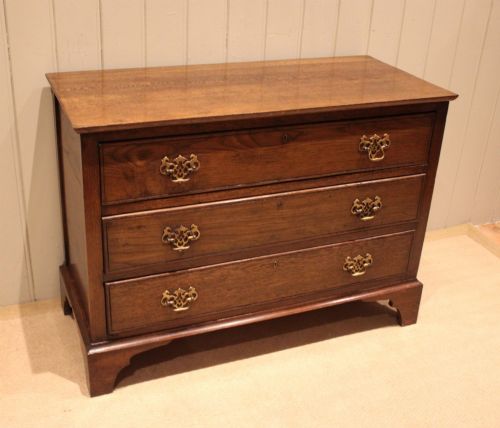
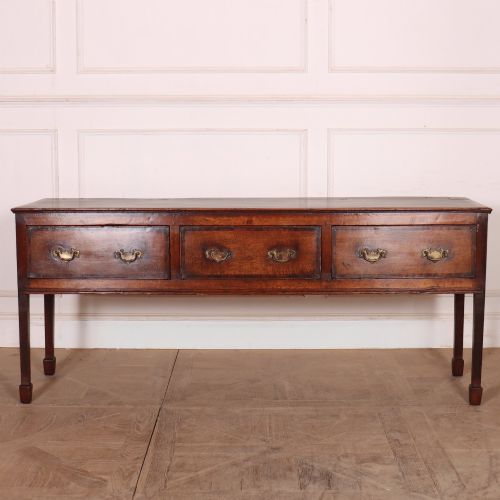
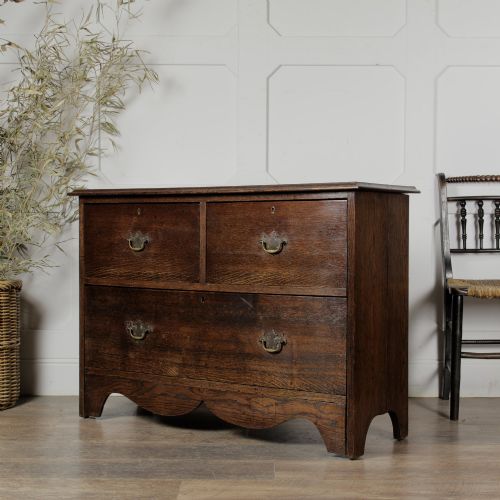
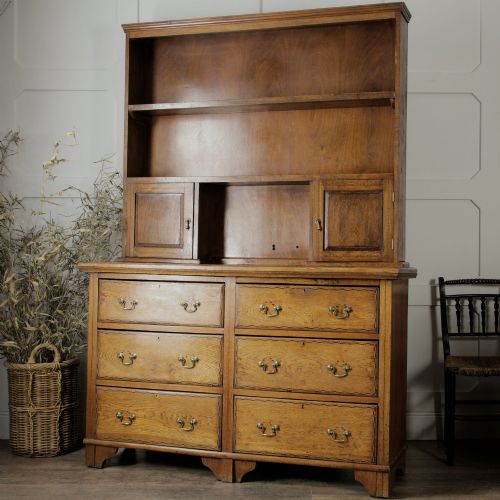
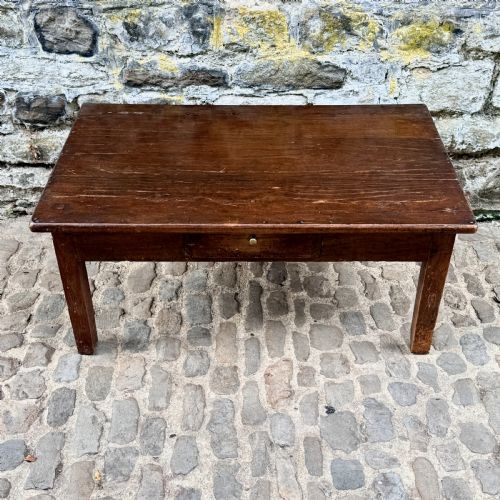
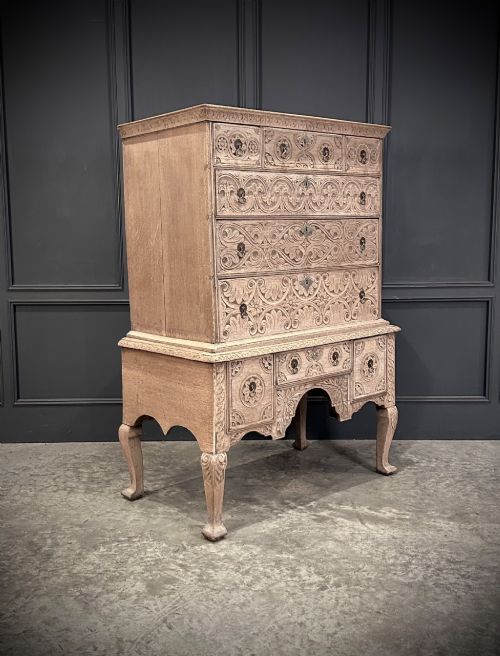
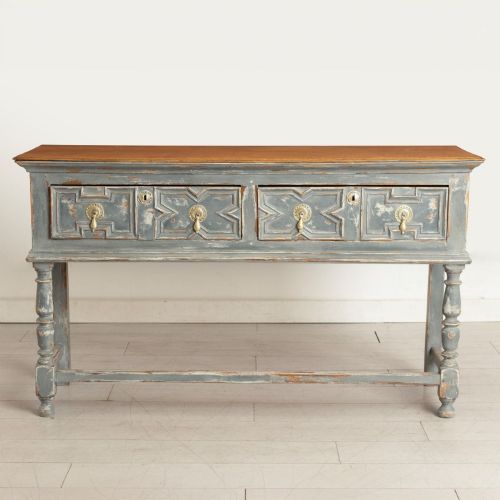
When searching for country oak drawers, buyers encounter substantial chests of drawers, dresser bases, and sideboards originating from domestic workshops rather than urban cabinet-making houses. These pieces span the eighteenth, nineteenth, and early twentieth centuries, reflecting the enduring utility of regional furniture construction.
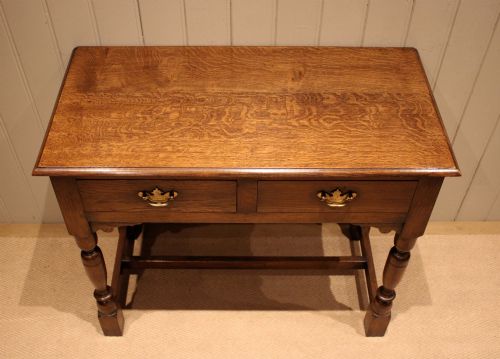
The most common versions met on this page are Georgian and George III chests of drawers alongside later Edwardian iterations, frequently exhibiting the straightforward proportions characteristic of rural English and Welsh making. Alongside standard chests, the inventory includes lowboys, dressers, and side tables that incorporate functional drawer space into everyday household forms.
These items were built for daily domestic service in farmhouses, country houses, and provincial homes, prioritizing robust storage over elaborate ornament. The survival of such pieces demonstrates the practical strength inherent in their construction.
Materials and Construction
The primary material across these pieces is solid oak, supplemented locally by secondary timbers such as pine, fruitwood, chestnut, and occasionally walnut. Cabinet makers utilised these native hardwoods for their durability, selecting planks that could withstand decades of heavy domestic use.
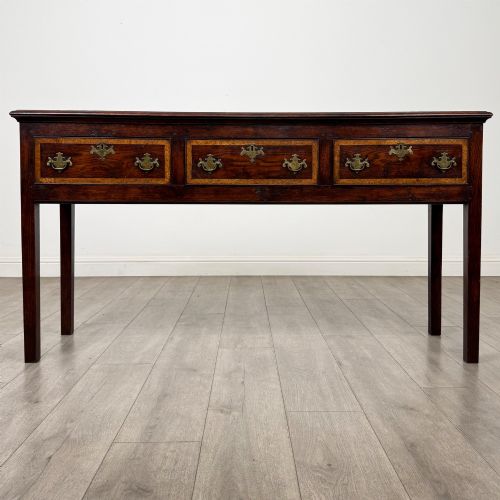
Hardware played an essential functional role, with brass handles and iron fittings secured to drawers that frequently featured hand-cut joinery. Surfaces were finished simply, sometimes displaying the natural grain or later bleaching, while crossbanding in mahogany occasionally appeared on more refined regional examples.
Listings feature oak alongside supplementary pine, fruitwood, and chestnut across pieces spanning the eighteenth to the early twentieth century.
Distinctions in Quality
Quality in these pieces rests upon the integrity of the timber selection and the proportionality of the design, where regional workshops achieved a balance between utility and visual harmony. Superior examples display carefully matched grain across drawer fronts and tight, enduring joinery that resists the shifting of the wood over centuries.
The distinction between standard provincial output and finer work often lies in the refinement of the drawer linings, the retention of original brass hardware, and the subtlety of mouldings. Pieces that maintain their original surface patination without aggressive restoration sit securely at the upper end of the range.
The Country Oak Drawers Glossary
- Crossbanding
- A decorative technique where a thin strip of veneer is applied across the grain of the primary wood to form a contrasting border around drawer fronts.
- Dresser Base
- The lower section of a Welsh or country dresser, functioning as a sideboard with multiple drawers and often a potboard shelf beneath.
- Lowboy
- A small, low table featuring one or more rows of drawers, commonly used as a dressing table or side table in eighteenth-century interiors.
- Potboard
- An open slatted or solid lower shelf built into the base of a dresser, originally intended for storing heavy pots and domestic utensils.
- Patina
- The surface sheen and mellowing developed by wood and metal over centuries of handling, exposure to light, and waxing.
Country Oak Drawers: Frequently Asked Questions
How do I date a country oak chest?
Dating relies on examining the construction methods of the drawer linings, the type of timber used for secondary parts, and the style of the brass hardware. Hand-cut dovetails and regional variations in timber offer primary clues to the decade of manufacture.
Early pieces from the eighteenth century typically feature deeper colour and hand-sawn boards, whereas Edwardian and later reproductions often show standardised machine milling and lighter oak tones.
Were these drawers made exclusively in England?
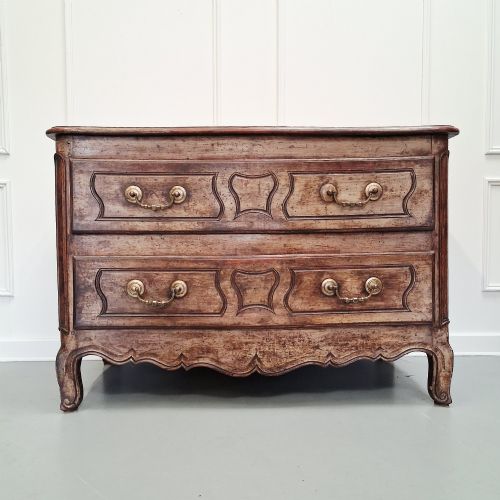
While many examples originate from English and Welsh country workshops, the broader category includes pieces from French provincial makers. Regional styles varied according to the local timber available and domestic storage requirements.
French pieces often incorporate fruitwood or chestnut alongside oak, displaying distinct regional moulding profiles that separate them from British farmhouse furniture.
How should I care for antique oak furniture?
Maintaining solid oak requires placing pieces away from direct heat sources and sudden temperature fluctuations to prevent the timber from splitting. Regular application of traditional beeswax helps nourish the wood and preserve its surface patination.
Avoid modern silicone polishes, as they build up a residue that attracts dust and softens the historical finish of the oak.
What is the difference between a dresser base and a sideboard?
A dresser base originally formed the lower part of a larger kitchen dresser, featuring drawers above cupboards or an open potboard. Sideboards were typically designed for the dining room as dedicated serving surfaces with integrated storage.
In country contexts, the terms often overlap as dresser bases were repurposed into freestanding sideboards for domestic dining spaces.