

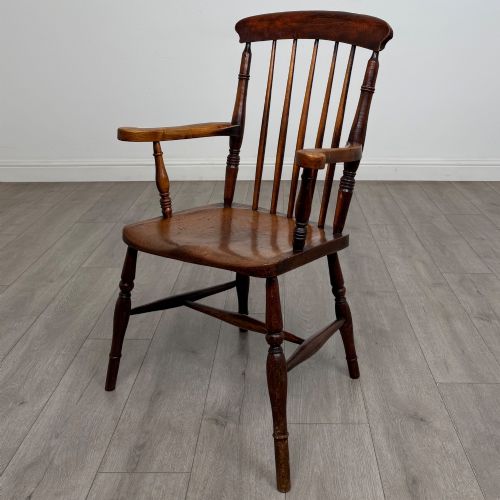
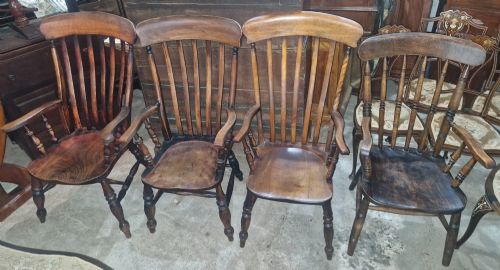
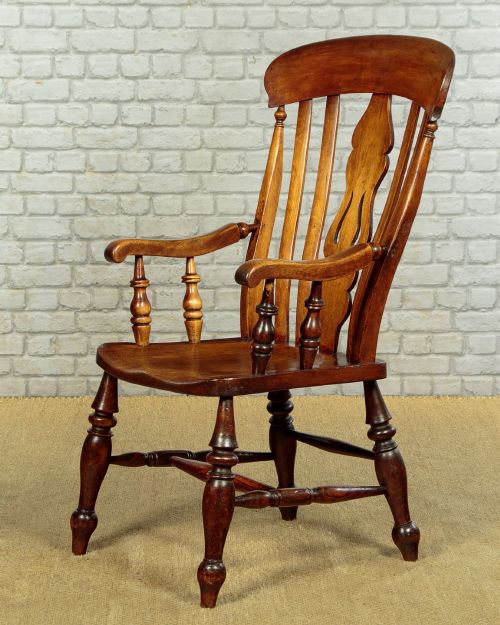
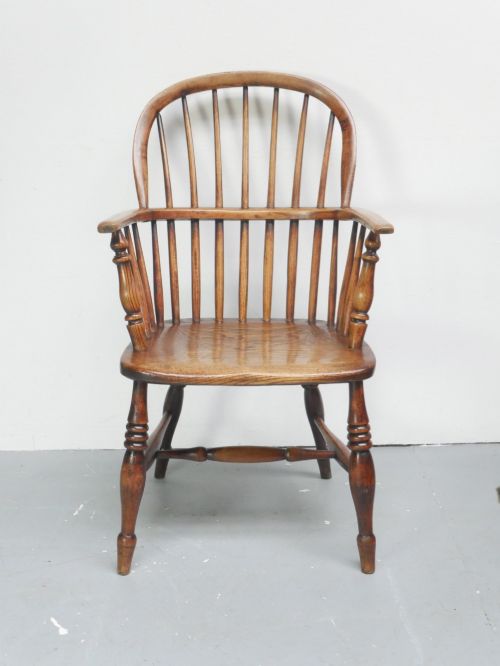

Country Kitchen Armchair
A country kitchen armchair offers honest vernacular seating, shaped by regional makers from resilient native timbers to serve domestic life.
Country Kitchen Armchair
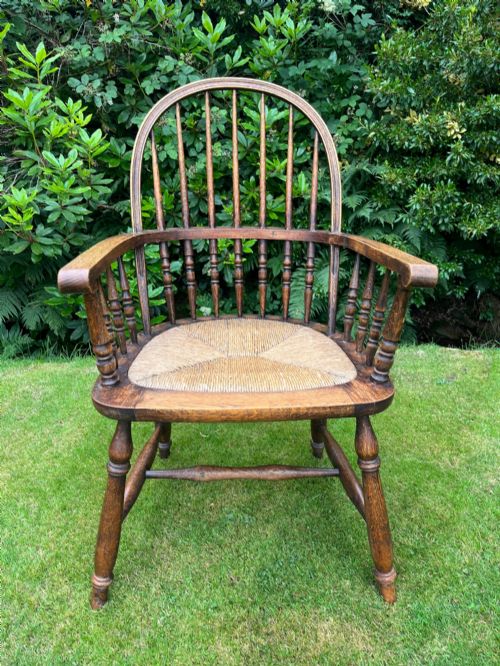
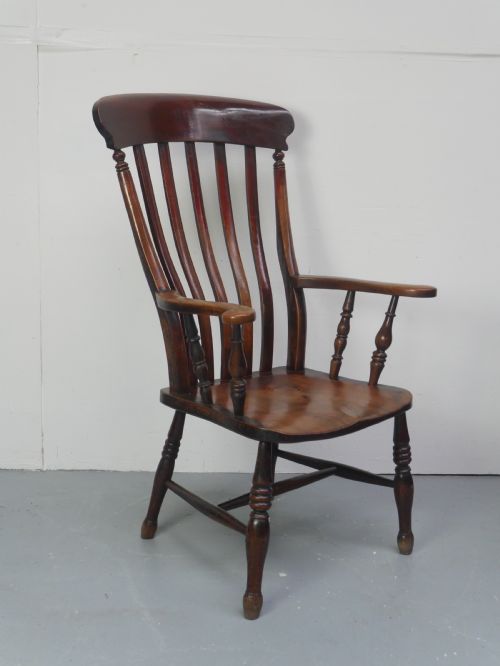
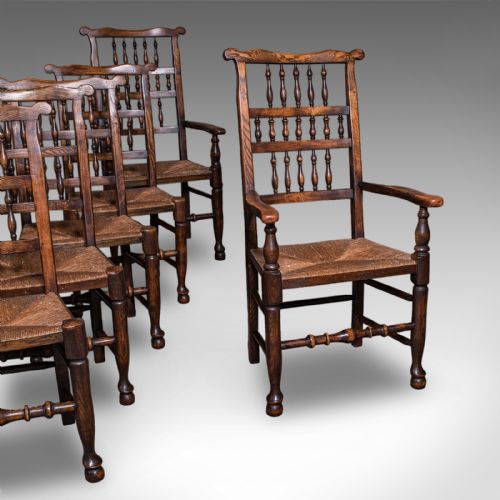
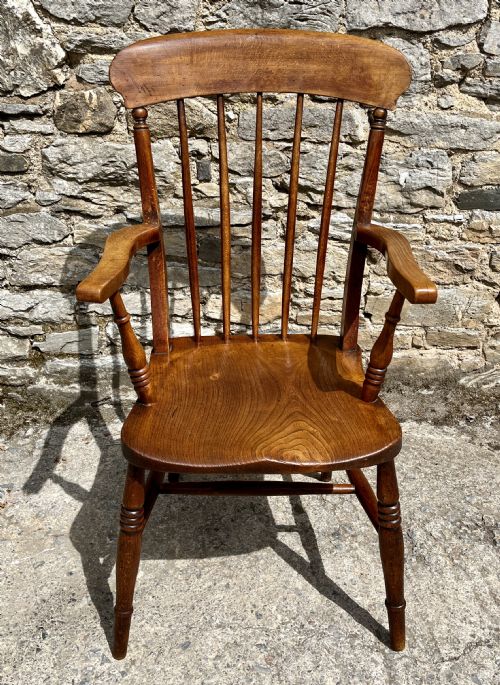
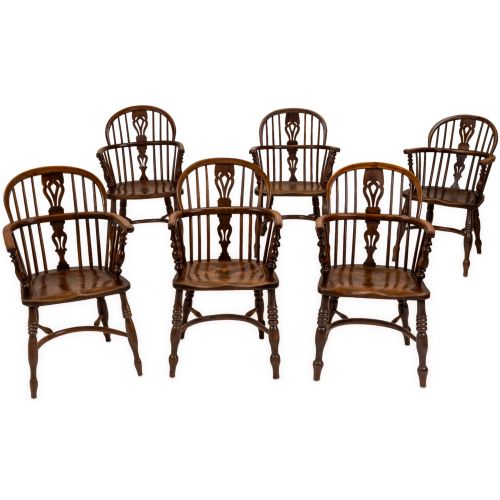
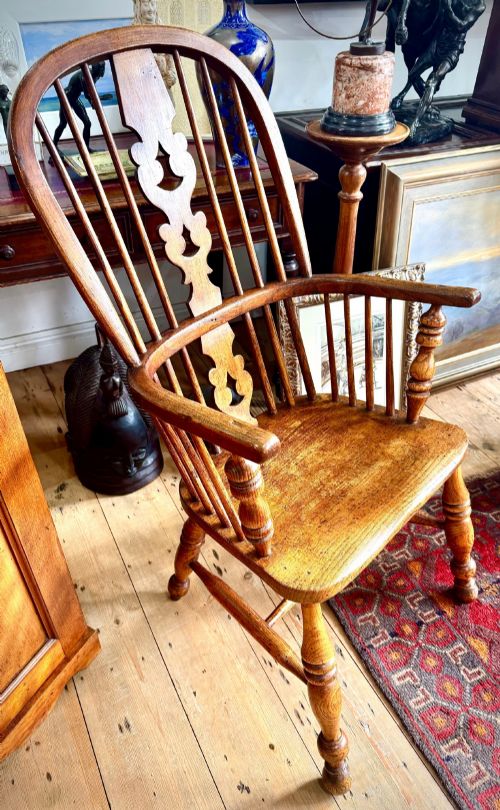
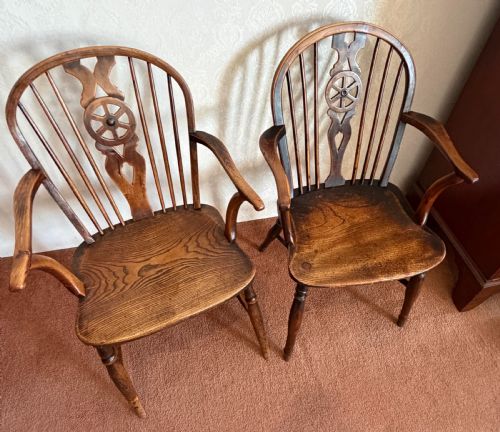
A country kitchen armchair provides robust seating rooted in nineteenth-century domestic traditions, frequently taking the form of a Windsor or ladderback construction. These pieces emerge from English, Scottish, and Irish rural workshops to handle everyday farmhouse use.
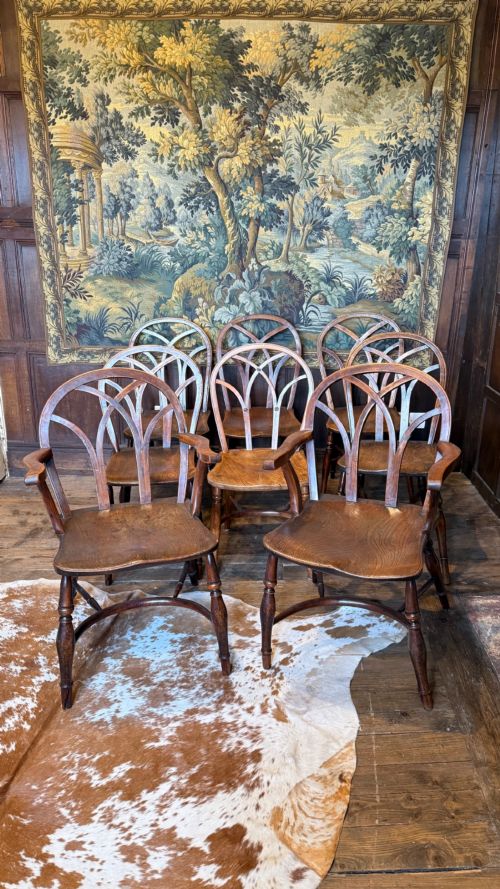
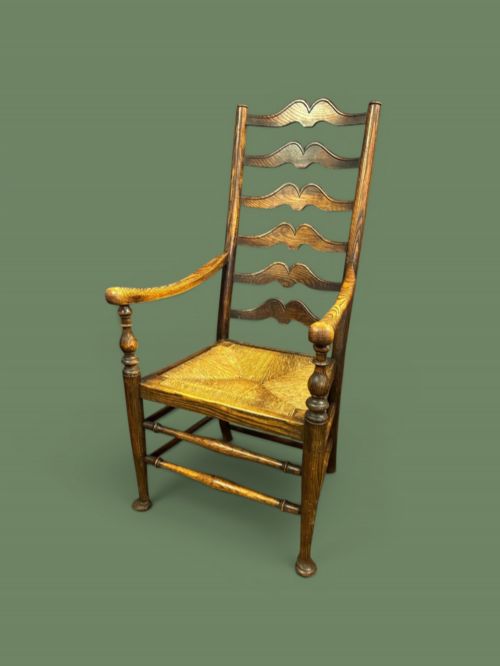
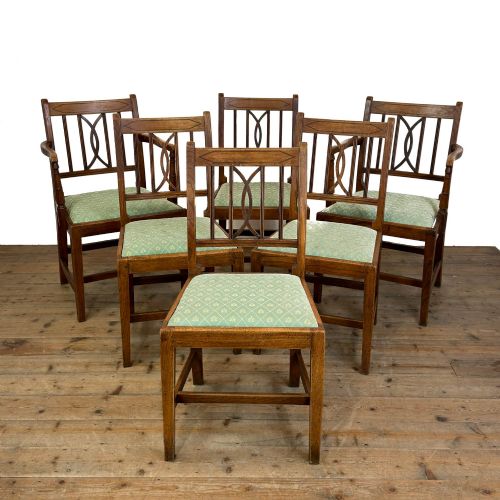
Buyers also encounter ladderback and spindleback formats fitted with rush seats, alongside occasional rocking chairs and matched dining carvers. These chairs transition easily from farmhouses to modern kitchen settings without losing their utility.
Materials and Construction
Makers select native hardwoods for specific structural demands, pairing elm seats with ash or beech for spindles, legs, and bending parts. Elm provides a tough, interlocking grain for solid, unyielding seats that resist splitting under pressure.
Turned components rely on greenwood working techniques, utilising pole lathes to shape spindles and legs that tighten permanently as the timber seasons. Steam bending forms the characteristically curved wooden bows and armrests found on Windsor frames.
Rush seating involves twisting dried marsh grasses around sturdy hardwood rung frames to create a supportive, woven platform. Traditional construction methods dispense with excessive metal fixings, depending instead on wedged tenons and precision joinery.
Country Kitchen Armchair Retail Price Guide 2026
Typical asking prices for country kitchen armchair among the pieces listed under this phrase on Sellingantiques today, from the lower quarter to the upper quarter. They describe what is for sale here now, not the wider market.
Gradations in Quality
Quality rests primarily in the timber selection and the harmony of the timber's grain pattern across the seat and back bow. Superior pieces display carefully matched woods that show deep, timeworn patination built through decades of use.
Structural integrity depends on the precision of the undercarriage turnings and the tightness of the wedged joints connecting the legs to the thick wooden seat. Finely balanced proportions, elegant spindle profiles, and comfortable, wide saddle seats distinguish exceptional examples from heavier, utilitarian variants.
The Country Kitchen Armchair Glossary
- Windsor chair
- A chair built with a heavy solid wooden seat into which the legs and back spindles are separately bored and wedged. This design forms the backbone of vernacular country seating.
- Crinoline stretcher
- A curved metal or wooden brace linking the legs below the seat to provide additional lateral stability. The name derives from its resemblance to nineteenth-century hoop skirts.
- Wheelback
- A Windsor chair variation featuring a pierced wooden splat shaped like the hub and spokes of a cart wheel. This decorative motif became popular during the Victorian era.
- Rush seat
- A woven seating surface made from dried marsh rushes wound tightly around wooden stretchers. This technique yields a resilient, slightly springy pad.
- Stick back
- A minimalist chair back constructed from simple unshaped wooden rods inserted directly into the seat and top rail. These components offer clean structural lines.
Country Kitchen Armchair: Frequently Asked Questions
What is a Windsor armchair?
A Windsor armchair is a seat built by boring legs and back spindles directly into a thick, carved wooden saddle. This method creates a sturdy, unified frame without needing a traditional box underframe.
These chairs serve as reliable kitchen seating, offering ergonomic support through shaped wooden seats and steam-bent back rails.
How do I date a country armchair?
Dating relies on observing construction marks, timber wear, and turning styles across nineteenth and early twentieth-century examples. Hand-turned spindles and distinct adze marks on the underside of seats often point toward earlier rural production.
Comparing regional variations in wood combinations, such as yew and elm or ash and beech, helps narrow down the manufacturing period.
Can I use these chairs daily?
These pieces were originally built for heavy daily labour in farmhouses and kitchens, making them exceptionally durable for modern dining use. Solid hardwood construction handles regular sitting without structural compromise.
Routine maintenance involves keeping wooden surfaces clean and ensuring rush seats remain dry and protected from excessive moisture.
What woods were used?
Makers relied on native British hardwoods harvested locally, utilising elm for comfortable, resilient seats that resisted cracking. Ash and beech provided strength and flexibility for steam-bent bows and slender turned spindles.
Occasional pieces incorporate yew or oak, adding distinct grain patterns and greater structural weight to the finished frame.