



Country House Writing Desk
A country house writing desk brings domestic utility and understated charm into a room, spanning modest pine work tables and grand mahogany bookcases.
Country House Writing Desk
A country house writing desk encompasses a diverse range of forms designed for practical use in large estates, manor houses and rural residences. When searching for a country house writing desk, buyers encounter functional pieces intended for estate management, personal correspondence and household administration.
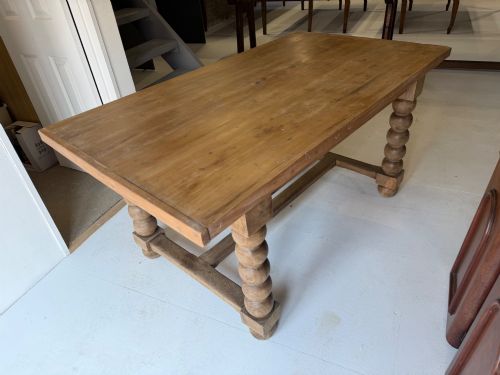
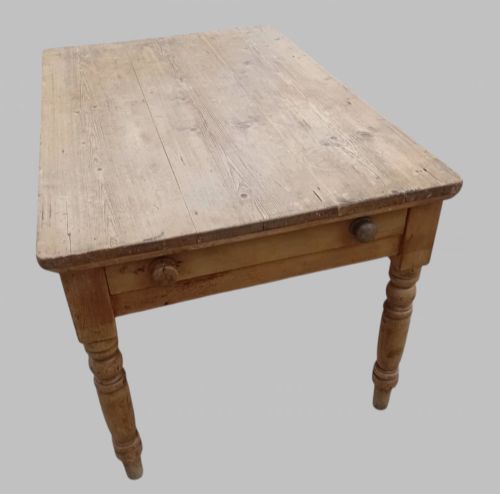
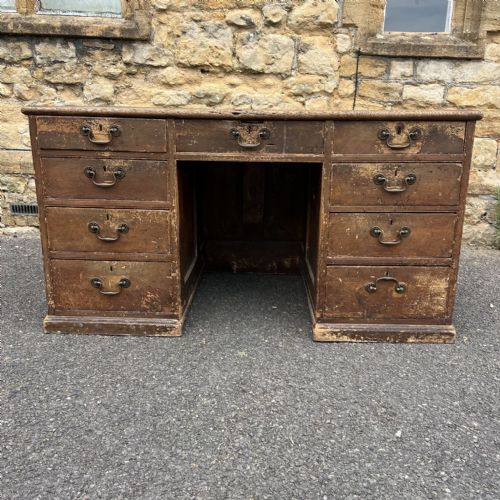
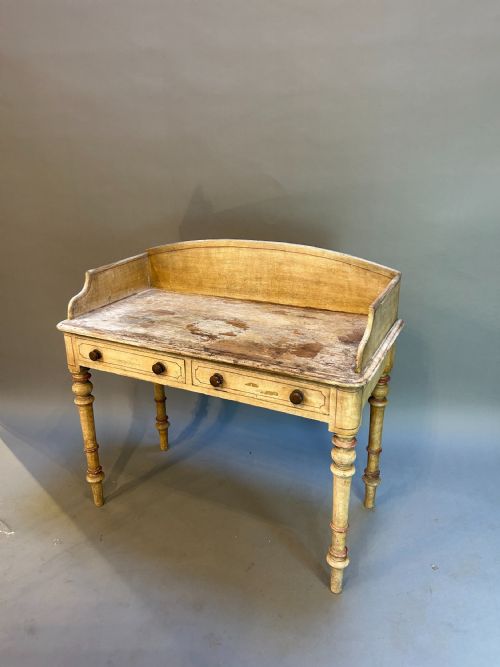
The selections span simple side tables, lowboys and scullery tables adapted for writing, alongside substantial kneehole desks, partners desks and bureau bookcases. These items originate from periods including the Georgian and Victorian eras, with the 19th Century and 18th Century heavily represented among the offerings.
Materials and Construction
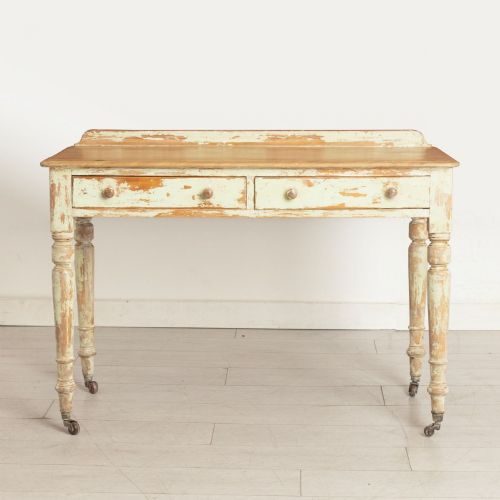
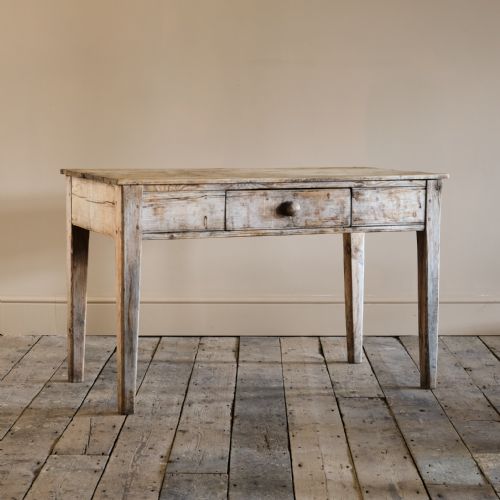
Makers utilised timber available locally or favoured for durability, constructing carcases and tops primarily from oak, mahogany, pine, birch, elm, cherrywood, fruitwood and yew wood. Painted finishes appear frequently, often on pine or softwoods, alongside unpolished surfaces that reveal the grain of the wood.
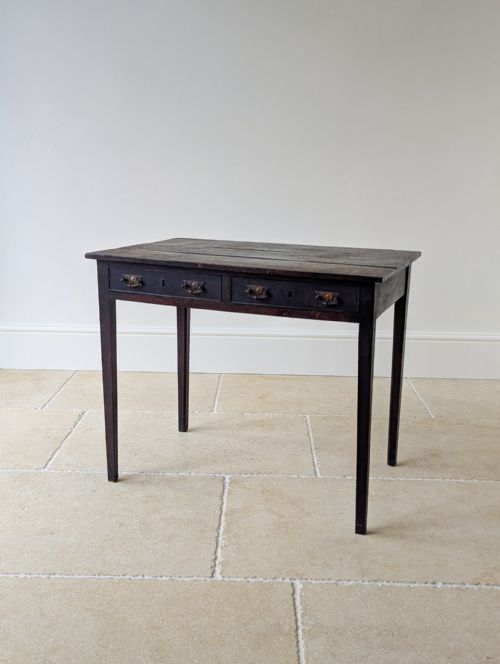
Hardware and functional elements incorporate brass for handles, locks and pen wipes, while writing surfaces often integrate inset leather panels. Joinery techniques reflect the practical requirements of daily use in estate settings, ranging from sturdy farmhouse construction to finer cabinetmaking.
Unusual accessories include an antique silver pheasant pen wipe and an ink well fashioned from a pony's hoof.
Assessing Quality and Character
Quality in these desks rests upon the integrity of the timber selection and the honesty of the construction, where mature grain patterns in oak, mahogany or yew distinguish finer pieces from utilitarian alternatives. The harmony between the primary wood and secondary framing timbers dictates the structural longevity of the desk.
Surface preservation marks another distinction, separating pieces retaining original paintwork, patinated leather and untouched brass hardware from those altered by modern intervention. The balance of proportions, from simple side tables to complex bureau bookcases, determines the visual weight a desk holds within a room.
Gillows of Lancaster
The Country House Writing Desk Glossary
- Lowboy
- A small kneehole dressing table or side table featuring one or more rows of drawers, commonly produced in the 18th Century using timbers such as oak and fruitwood.
- Bureau
- A sloping desk that opens to reveal a fitted interior of pigeonholes and small drawers, standing upon bracket feet or a frame.
- Partners Desk
- A large double-sided pedestal desk designed to allow two people to work opposite one another, frequently fitted with drawers on both faces.
- Scullery Table
- A robust utilitarian table constructed from pine or oak, originally intended for domestic service tasks rather than formal reception rooms.
- Bobbin Leg
- A turned furniture leg shaped to resemble a series of bobbins or spools threaded end-to-end, seen on 19th Century tables.
Country House Writing Desk: Frequently Asked Questions
What is a country house writing desk?
A country house writing desk is a functional piece of furniture originating from historic estates, encompassing forms from simple pine side tables to grand mahogany partners desks.
These items were built for estate management, study, and daily correspondence, reflecting the practical needs of large rural homes across the Georgian and Victorian periods.
How do I date an antique desk?
Dating relies on examining the timber species, construction methods, hardware, and overall stylistic traits associated with periods like the 18th Century or Victorian era.
Secondary woods, drawer linings, and the presence of original painted finishes or brass handles provide physical evidence of the decade of manufacture.
Where were these desks used?
These desks served in various rooms across large country properties, including estate offices, libraries, sculleries, and private chambers.
Their placement depended on their function, ranging from the estate manager's paperwork hub to casual writing spots in lamp tables and side tables.
What woods were commonly used?
Makers constructed these desks from native and imported timbers, with oak, mahogany, and pine appearing most frequently in surviving examples.
Finer pieces utilised yew wood, cherrywood, and fruitwood, while painted finishes were regularly applied to pine and softwoods.