


Country House Wooden Armchair
A country house wooden armchair brings honest domestic craftsmanship and tactile warmth into a room, offering sturdy seating with an aged patina.
Country House Wooden Armchair
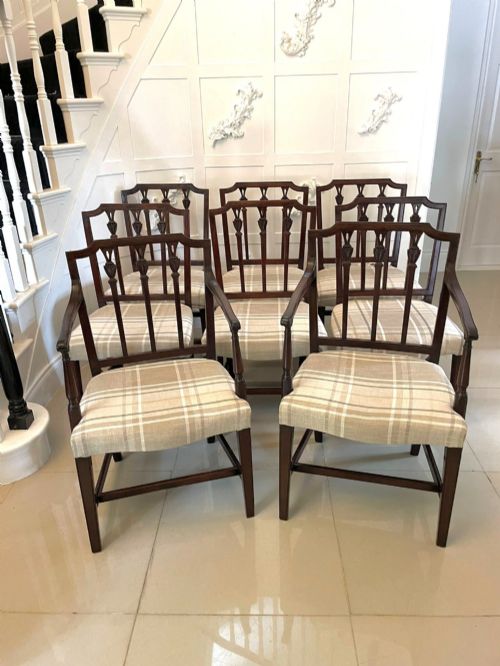
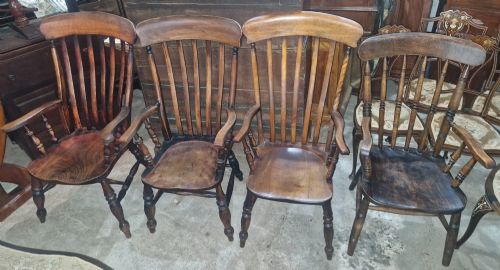
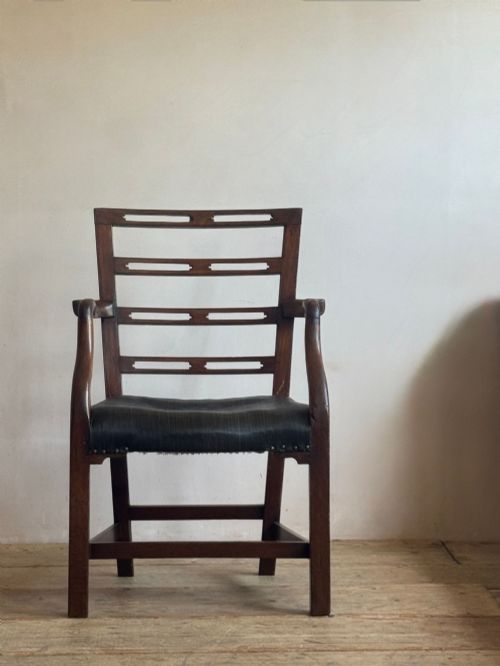
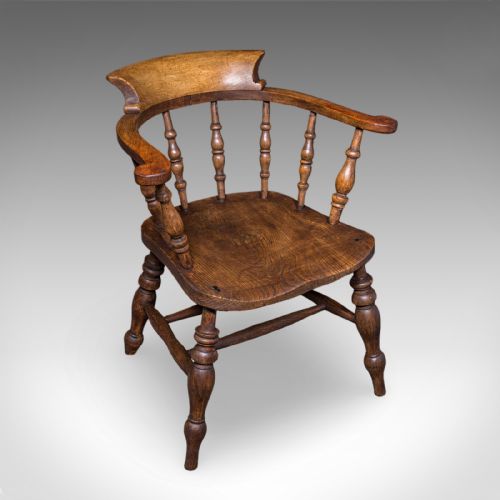
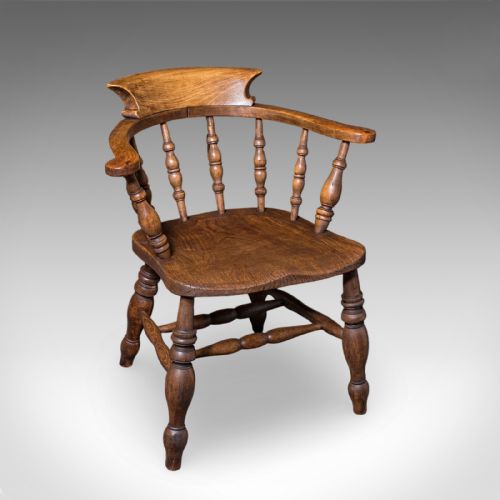
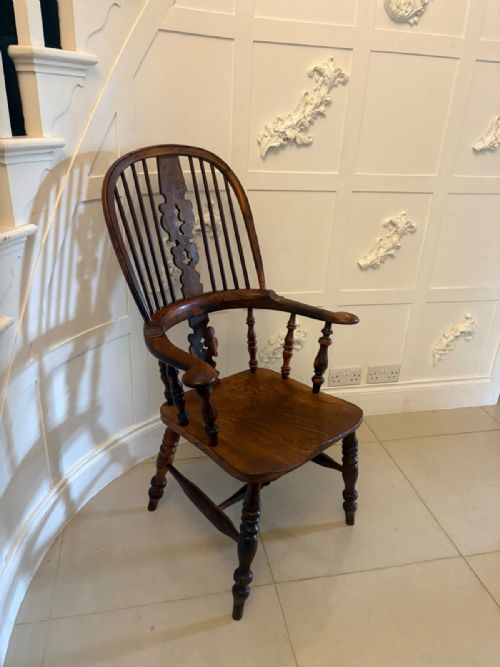
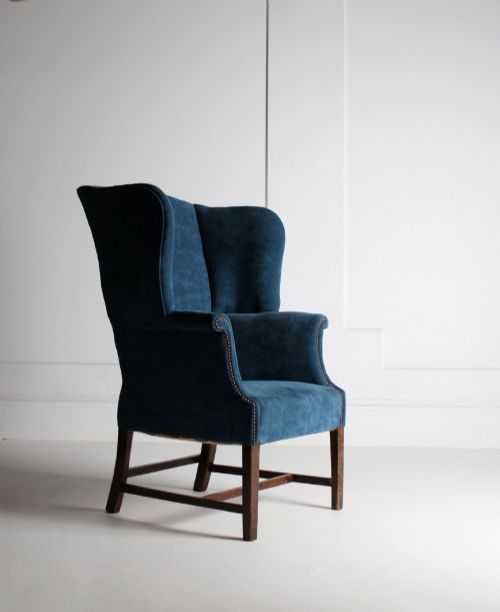
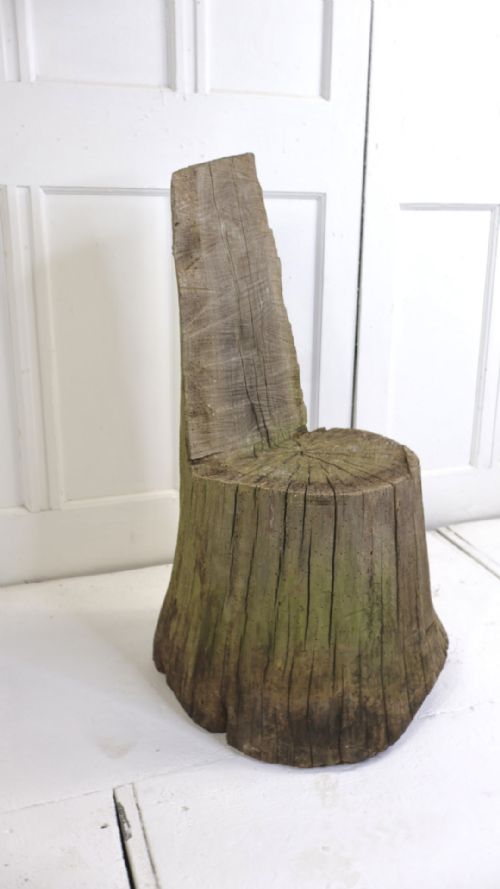
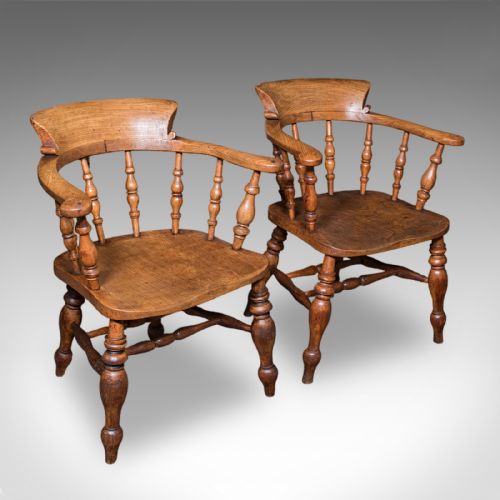
A country house wooden armchair encompasses robust seating forms shaped by provincial cabinet makers and rural joiners over several centuries. Buyers searching for a country house wooden armchair encounter vernacular designs ranging from early elm ladderbacks and smoker's bows to Thames Valley Windsor chairs and substantial Georgian carvers.
The selections span distinct periods including the eighteenth century, the Victorian era, and the Edwardian period, often constructed from native hardwoods. Traditional formats such as Windsor chairs, Captain's chairs, and spindleback armchairs dominate the inventory, reflecting centuries of practical domestic utility.
Regional variations appear frequently, from Yorkshire and Lancashire designs to Welsh oak examples and Thames Valley models. These chairs served various household roles, functioning in kitchens, parlours, libraries, and conservatories across British country houses.
What varies in quality
Proportion and structural balance define the finer examples, where turned spindles, well-shaped arm bow supports, and crisply carved details remain unaltered by heavy restoration. The depth of the wood's aged colour and the absence of intrusive structural replacements separate everyday utilitarian seating from collector pieces.
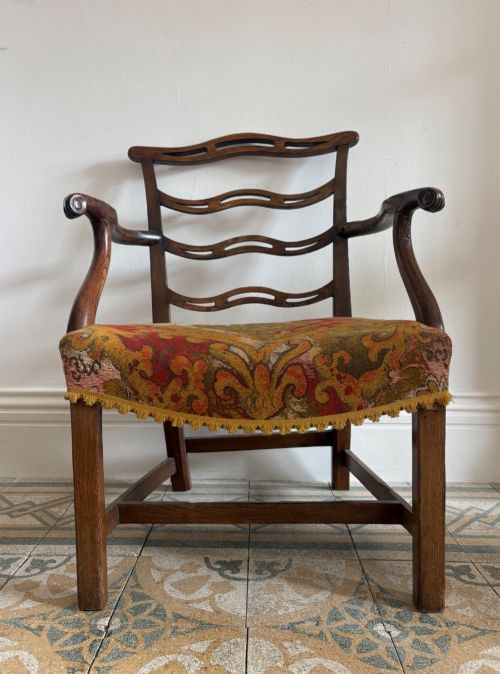
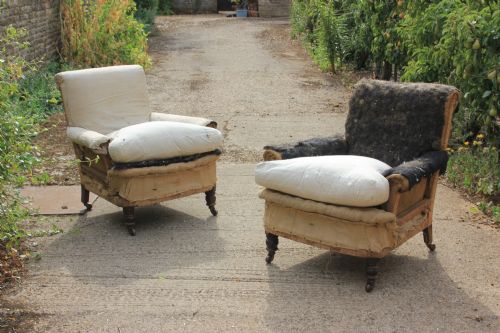
Several armchairs incorporate comfortable tapestry seats or sea grass pads, ensuring eighteenth-century squires and Victorian smokers sat in relative luxury.
Howard And Sons·Wheelers of Arncroach
The Country House Wooden Armchair Glossary
- Windsor chair
- A chair built with a solid wooden seat into which the legs and back spindles are separately inserted. This construction method creates a sturdy, enduring frame typical of rural production.
- Smoker's bow
- A low-backed Windsor-style armchair featuring a continuous curved arm rail supported by turned spindles. These chairs were common in smoking rooms and country house libraries.
- Ladderback
- A chair back constructed with horizontal rails or slats positioned between two upright posts. This traditional form dates back centuries and appears frequently in elm and ash.
- Carver chair
- An armchair designed in a similar style to a set of dining chairs, often used at the head of a table. They frequently appear in pairs or singly within country house settings.
- Spindleback
- A chair back featuring numerous slender turned uprights set between the seat and top rail. This design lightens the visual weight of the frame while maintaining structural support.
Country House Wooden Armchair: Frequently Asked Questions
Where were these armchairs used?
These armchairs served multiple purposes throughout large country estates, appearing in kitchens, libraries, smoking rooms, and conservatories. Their robust construction suited heavy daily use by family members and staff alike.
Over time, many transitioned from working household roles into principal reception rooms and studies as appreciation for vernacular furniture grew.
How do I care for wooden armchairs?
Maintaining these chairs involves keeping them away from direct heat sources and sudden humidity changes to prevent timber shrinkage or cracking. Regular dusting and occasional application of traditional wax help preserve the aged surface patination.
Avoid harsh chemical cleaners that strip the historic finish and dry out the grain of ancient hardwoods.
How can I tell the period?
Dating relies on observing construction marks, timber choice, tool traces, and stylistic shifts from Georgian curves to Victorian proportions and Edwardian comfort. Eighteenth-century models often display hand-carved details and deeper patination, while later Victorian and Edwardian examples utilise machine-assisted turning.
Comparing the joinery methods and overall silhouette against documented vernacular types helps establish the approximate decade of manufacture.