





Carved Yew Wood Seat
A carved yew wood seat brings tactile warmth and vernacular character to a room, offering robust seating shaped by generations of English rural tradition.
Carved Yew Wood Seat
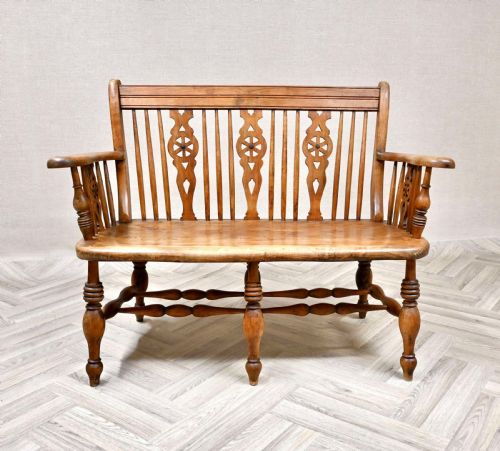
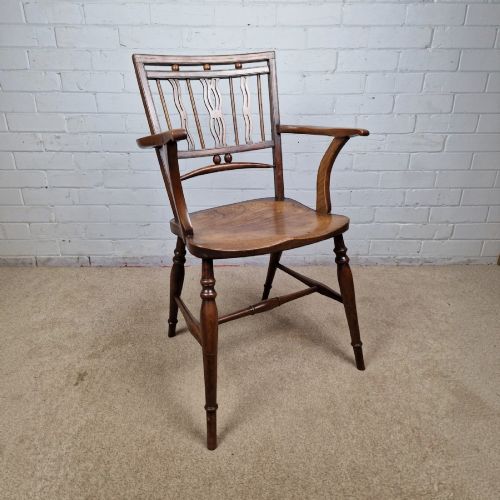
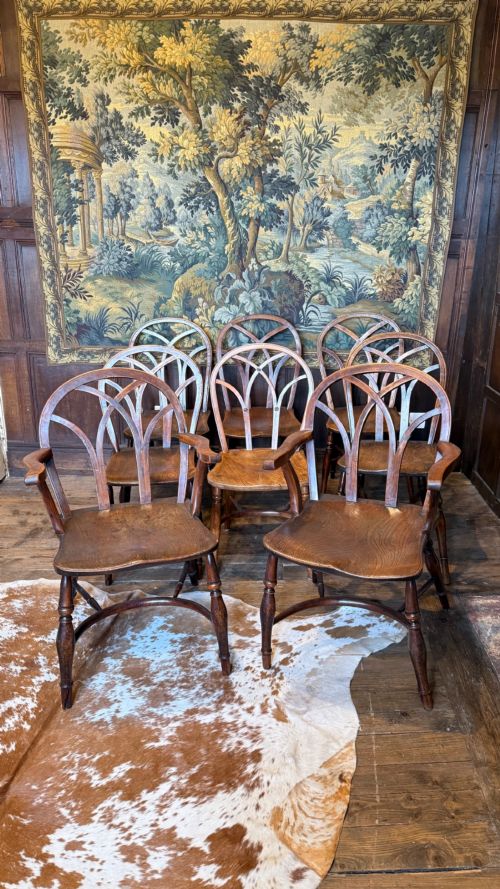
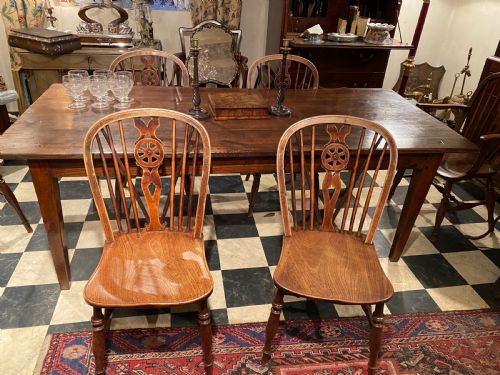
When you search for a carved yew wood seat, you encounter traditional seating that spans from the seventeenth century through the Victorian era. These pieces primarily manifest as Windsor chairs, armchairs, benches, and settles originating from English country workshops.
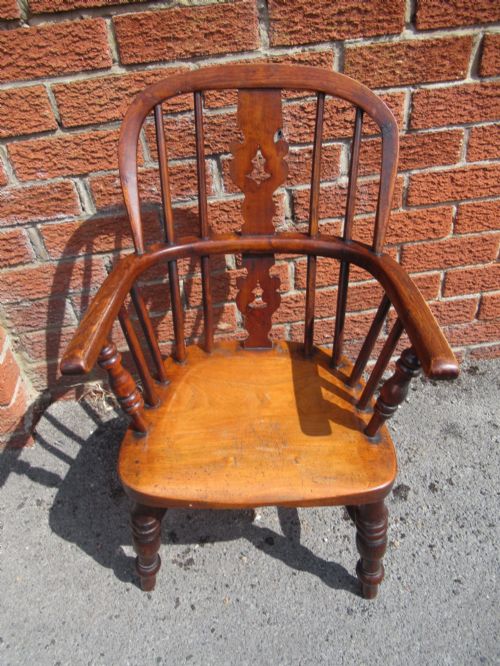
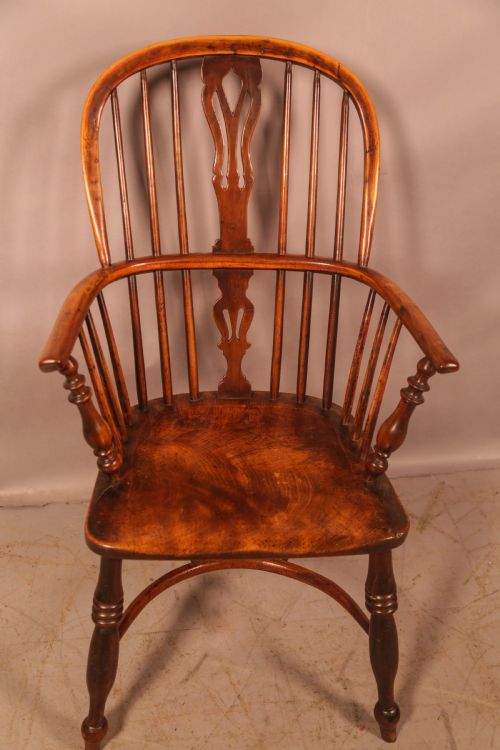
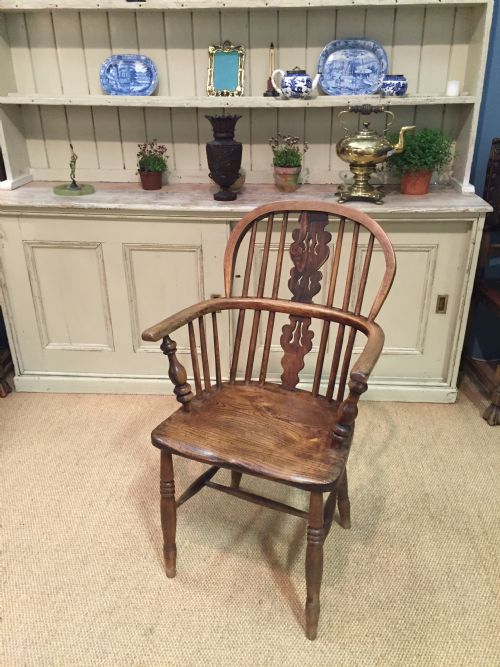
The version you are most likely to meet on this page is the nineteenth century Windsor chair, often featuring a high back or broad arm construction. These regional variants demonstrate the enduring appeal of native timbers shaped for daily domestic utility.
Makers of these vernacular seats combined structural ingenuity with local timber availability, creating sturdy forms such as Captains chairs and Mendlesham chairs. Such pieces reflect distinct regional practices across English shires, from Thames Valley workshops to Welsh valleys.
Materials and methods
Craftsmen utilised native British hardwoods, frequently pairing yew wood with elm for seats and ash or beech for spindles and legs. This multi-timber construction allowed makers to deploy each wood according to its specific mechanical properties, such as the tensile strength of ash for steam-bent components.
The characteristic saddle seat of a Windsor form was typically carved from a single solid block of elm or yew, hollowed out for comfort. Turned components relied on pole lathes, while steam-bending secured the characteristic arched backs and armbows.
Listings here span the seventeenth century through the Victorian period, featuring regional styles like Gothic Revival and English Country.
Assessing quality
Quality in these rural seats rests upon the harmony of proportions and the fidelity of the timber selection. Superior examples display rich figuring in the yew wood grain and balanced turning in the spindle work, rather than purely decorative carving.
The integrity of the construction dictates the standing of a piece, observable in the tightness of wedged tenon joints and the retained thickness of the carved wooden seat. Better examples maintain their original structural components without excessive timber replacement.
The Carved Yew Wood Seat Glossary
- Windsor chair
- A chair built with a solid wooden seat into which the legs and back spindles are separately socketed. This construction method creates a sturdy, skeletal frame typical of English country furniture.
- Armbow
- The continuous curved wooden piece forming the arms and back rail of an armchair. In regional vernacular seating, this element was often steam-bent from a single piece of timber.
- Saddle seat
- A wooden chair base sculpted into a concave, contoured shape resembling a riding saddle. This ergonomic shaping provided comfort in vernacular seating before the widespread use of upholstery.
- Spindle
- A slender, turned wooden rod forming part of the chair back or undercarriage. These elements provided structural support while keeping the piece relatively lightweight.
Carved Yew Wood Seat: Frequently Asked Questions
What is a Windsor chair?
A Windsor chair is a distinct form of seating where the legs and back components are fitted directly into a thick, solid wooden seat rather than a traditional frame. This method produces a robust and durable piece characteristic of English country furniture.
Such chairs evolved through various regional styles across Britain, incorporating local timbers like yew, elm, and ash to meet domestic and commercial needs.
How do I care for yew wood?
Yew wood furniture benefits from stable indoor humidity and protection from direct sunlight, which can dry out and fade the natural grain. Regular dusting with a soft cloth maintains the surface without the need for heavy chemical polishes.
Applying a traditional beeswax occasionally helps nourish the timber and preserves the historic patina developed over centuries of handling.
Are these seats comfortable?
These seats offer surprising ergonomic comfort due to the traditional practice of dishing or saddling the solid wooden base. The contoured surface distributes weight effectively even without upholstered cushions.
High backs and supportive armbows further enhance the seating experience, designed by vernacular makers for sustained daily use in domestic and kitchen settings.
How do I identify regional styles?
Regional styles reveal themselves through specific turning patterns on the legs and spindles, as well as the choice of secondary woods. Workshops in areas like the Thames Valley or Mendlesham developed distinct local characteristics that set their output apart.
Examining the undercarriage construction and the shaping of the armbow helps connect a piece to its likely geographic origin and period of production.