


Country House Sporting Painting
Country house sporting painting captures the vigour of estate life, spanning hounds, horses and field sports through centuries of British brushwork.
Country House Sporting Painting
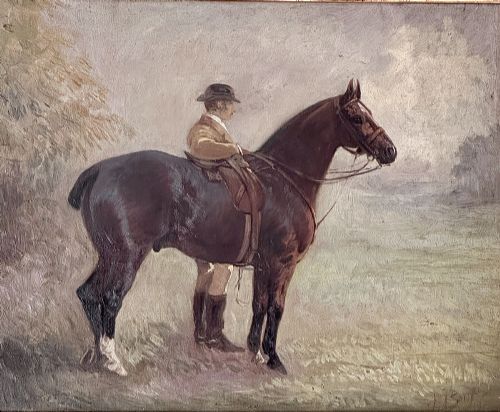
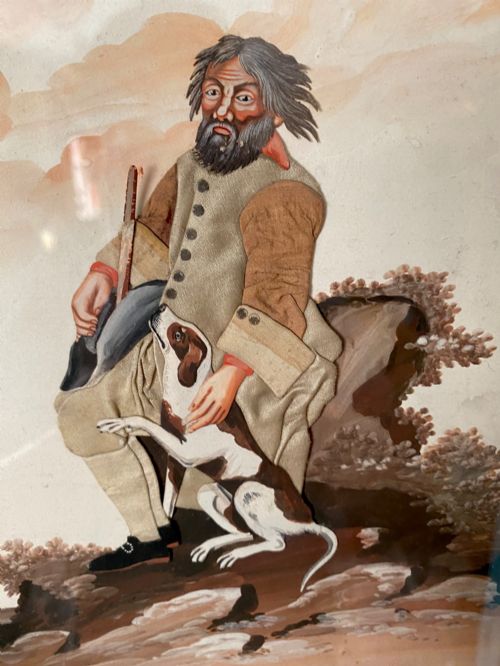
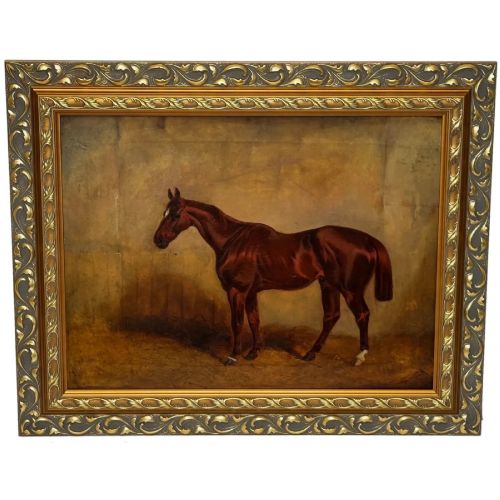
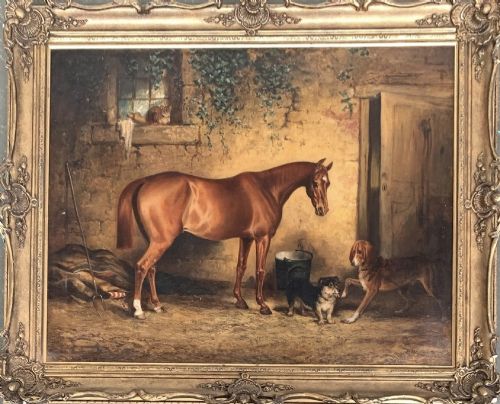
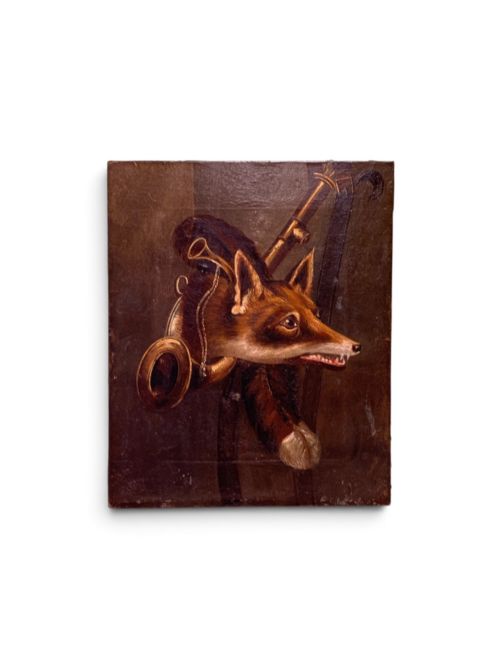
A country house sporting painting typically records the prized animals, hunts and rural pastimes associated with historic estates. These works span the nineteenth century into the mid twentieth century, encompassing Victorian and Edwardian periods.
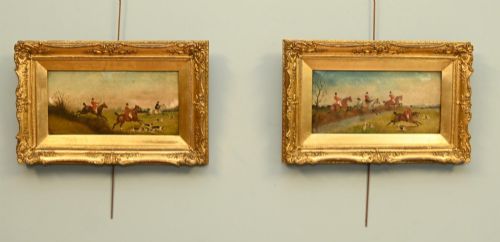
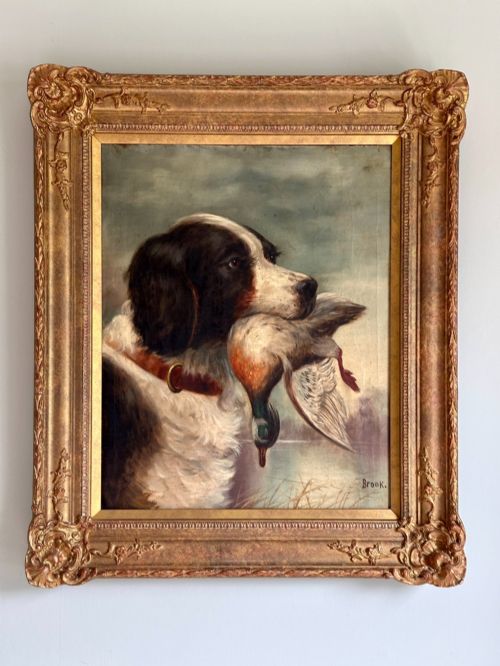
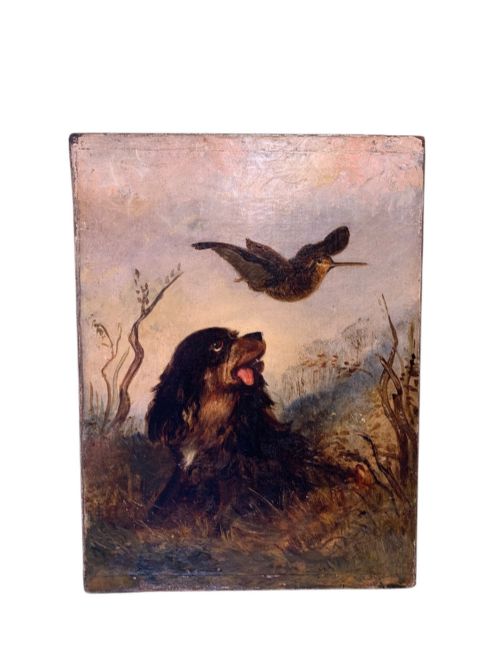
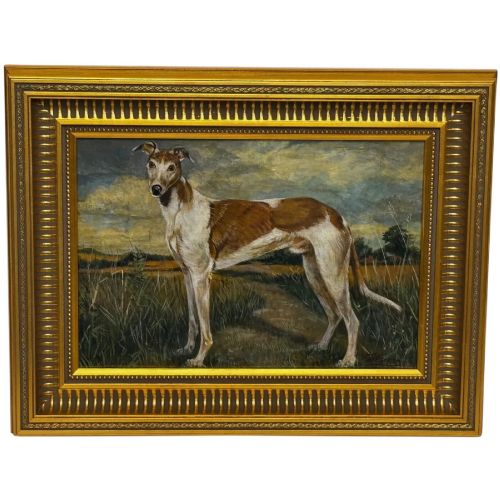
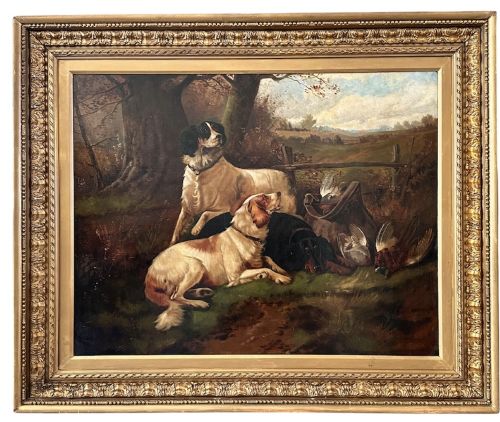
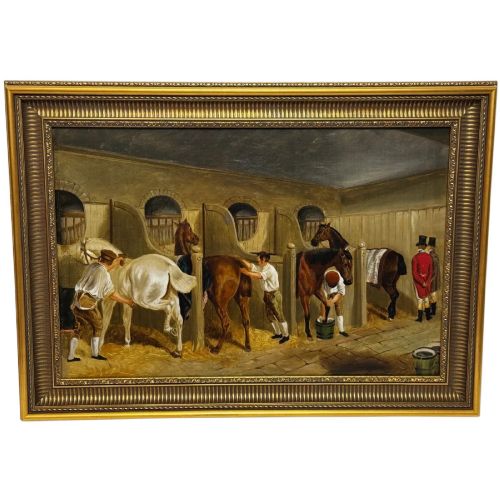
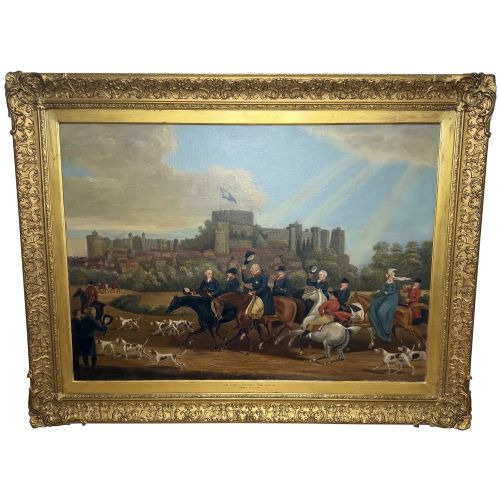
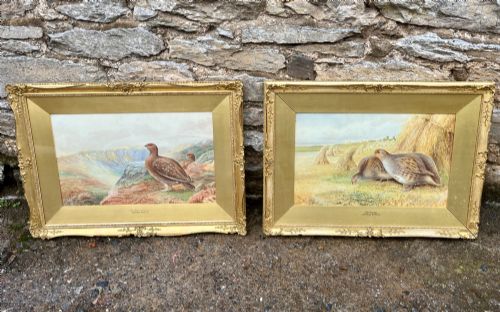
Buyers encounter oil on canvas and oil paint works alongside watercolours and painted prints. Subjects range from gun dogs and lurchers to equestrian scenes, racing, and expansive hunting parties.
The aesthetic reflects British sporting art traditions, showing horses, hounds, game birds and country gentlemen in rural landscapes. Many pieces bear attribution to established artists of the British school or their followers.
Materials and methods
Canvas and oil paint form the foundation of the majority of these works, applied to capture the texture of animal coats and the light of open landscapes. Wood supports and paper watercolours also appear across the selection.
Giltwood and gilt frames frequently enclose the oil paintings, providing the traditional heavy border suited to estate interiors. Painters utilised layered oil pigments to build depth in landscape backgrounds and animal subjects.
Country House Sporting Painting Retail Price Guide 2026
Typical asking prices for country house sporting painting among the pieces listed under this phrase on Sellingantiques today, from the lower quarter to the upper quarter. They describe what is for sale here now, not the wider market.
The listings span the Victorian, Edwardian and mid-twentieth-century periods, using oil on canvas, watercolours and giltwood frames.
Distinctions in execution
Quality rests upon the artist's command of animal anatomy, movement, and the atmospheric rendering of the countryside. Superior examples demonstrate precise draughtsmanship in the depiction of horses and hounds, whereas lesser works rely on formulaic compositions.
The handling of light and texture within the oil medium distinguishes accomplished canvases from standard decorative pieces. Provenance and attribution to named painters further elevate the standing of individual works.
John Sargent Noble·George Rankin·John Frederick Herring Snr·John Arthur Lomax·Samuel Raven·Philip Henry Rideout·George E Sharpe·Colin Graeme Roe·Valentine Thomas Garland·Samuel Spode·Clifton Tomson·Alfred Duke·John Atkinson·John Emms·Guillaume Urban Régamey·John Frederick Herring
The Country House Sporting Painting Glossary
- Oil on canvas
- Pigment mixed with drying oil applied to a stretched woven fabric support. This combination permits rich blending of colour and enduring longevity.
- Giltwood
- Timber carved and surfaced with a thin layer of gold leaf. It frames many traditional sporting canvases.
- Watercolour
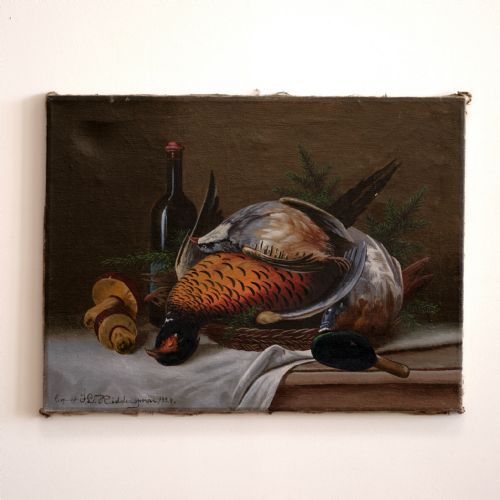
- Paint consisting of transparent pigment suspended in a water-based solution. It appears on paper supports in game bird studies.
- British School
- A loose grouping of artists working in Britain across various centuries. The term connects works sharing national stylistic traditions.
Country House Sporting Painting: Frequently Asked Questions
What subjects feature in country house sporting painting?
The subjects centre on rural estate life, predominantly featuring horses, hunting dogs, game birds and equestrian scenes. Hounds, lurchers and terriers frequently appear alongside riders and country gentlemen.
Compositions often document specific hunts, racing events or quiet kennel portraits set within pastoral landscapes.
How do I date an oil painting from this group?
Dating relies upon stylistic markers, costume details, and framing styles associated with Victorian, Edwardian or Georgian periods. Nineteenth-century works often employ heavier giltwood frames and darker palettes.
Signatures, inscriptions on the reverse, and attribution to known artists provide further chronological anchors for individual pieces.
Where were these paintings originally hung?
These works hung in the reception rooms, libraries and halls of country estates. They celebrated the sporting achievements and livestock of the landowners.
Today, buyers place them in similar traditional or contemporary interior settings to bring rural character to a room.
What mediums besides oil on canvas exist here?
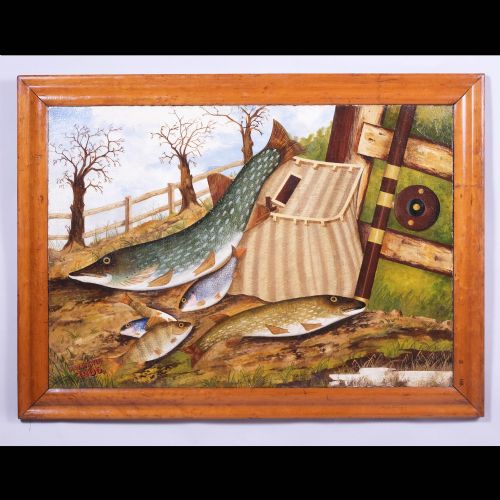
While oil on canvas dominates, the selection includes watercolours on paper and painted prints. Oil board is also utilised by artists for smaller panel studies.
Frames incorporate giltwood and wood constructions to complement the primary picture surface.