
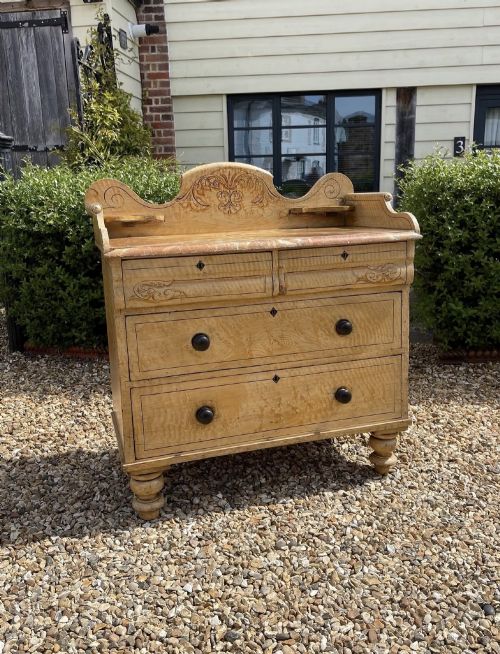
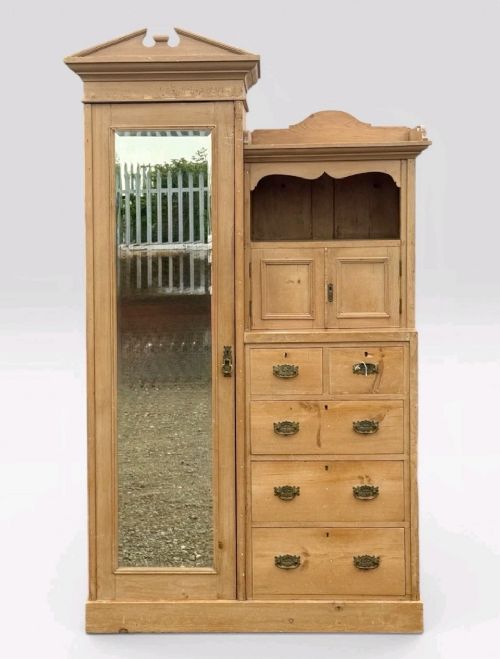

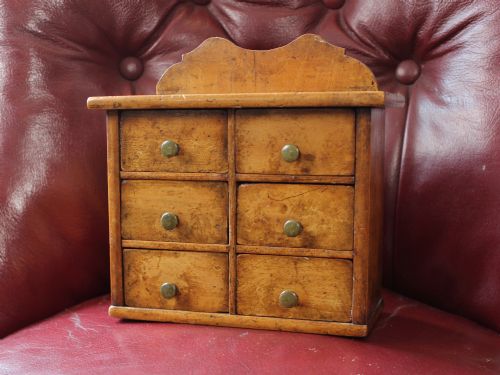
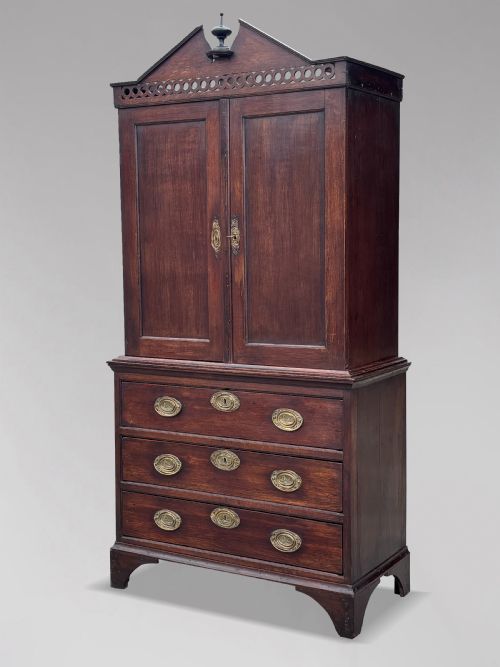
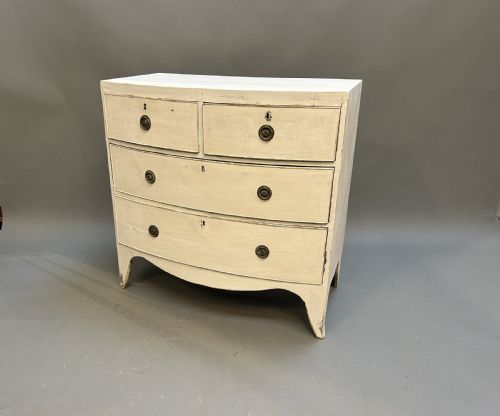
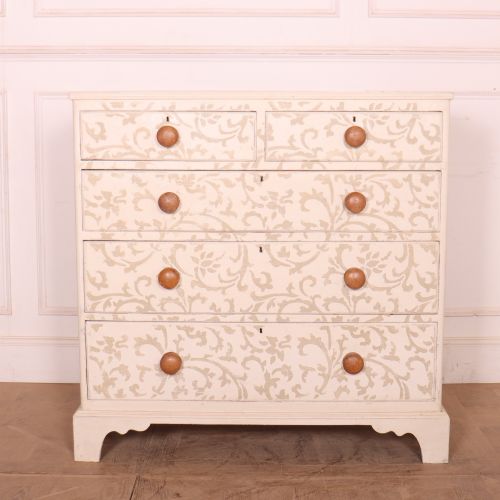
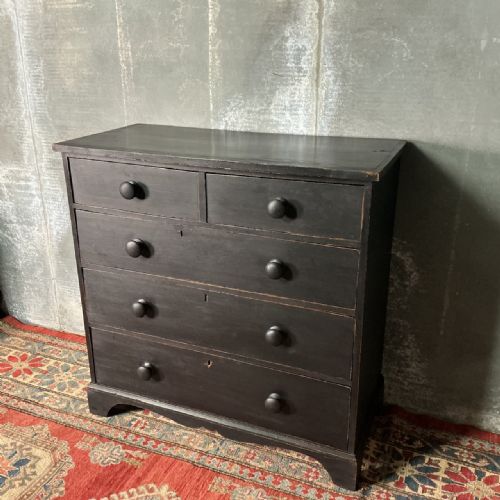
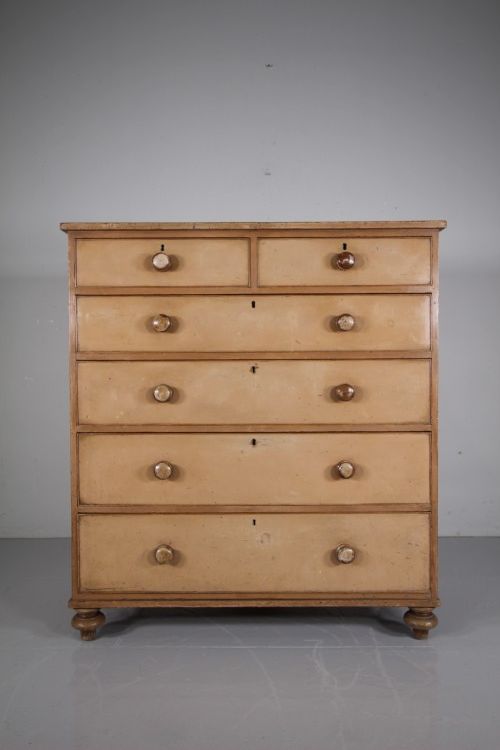


Country House Chest Drawers
When you search for a country house chest drawers, you are looking at substantial storage furniture shaped by decades of domestic use in large historic estates.
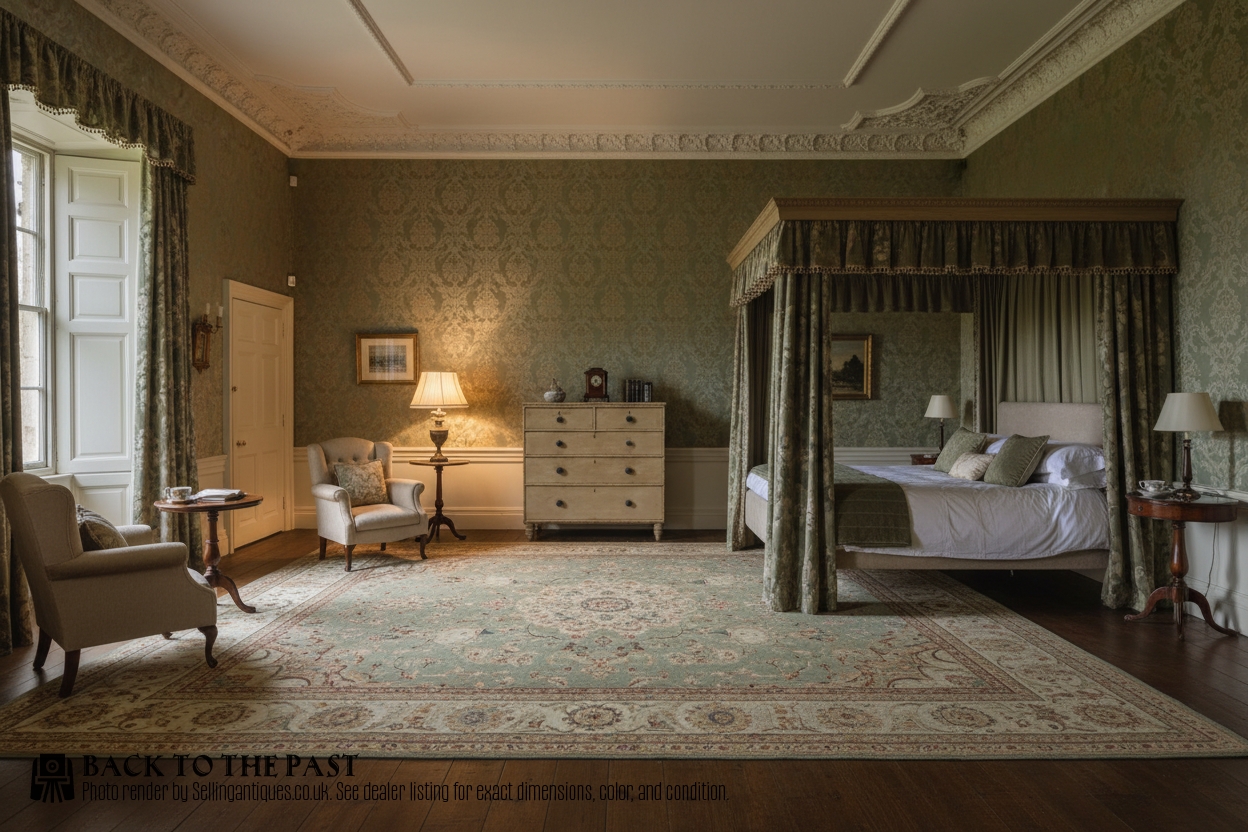
Country House Chest Drawers
A country house chest drawers represents practical storage shaped by provincial taste and major domestic requirements across centuries of English and European history. You will frequently encounter sturdy timber pieces from the Georgian and Victorian periods, alongside earlier oak examples and later painted pine variations.
These items range from modest spice drawers and bedside cabinets to grand mahogany tallboys, mule chests, and marble-topped commodes. Their forms reflect the diverse daily functions of large rural estates, servant quarters, and principal bedchambers alike.
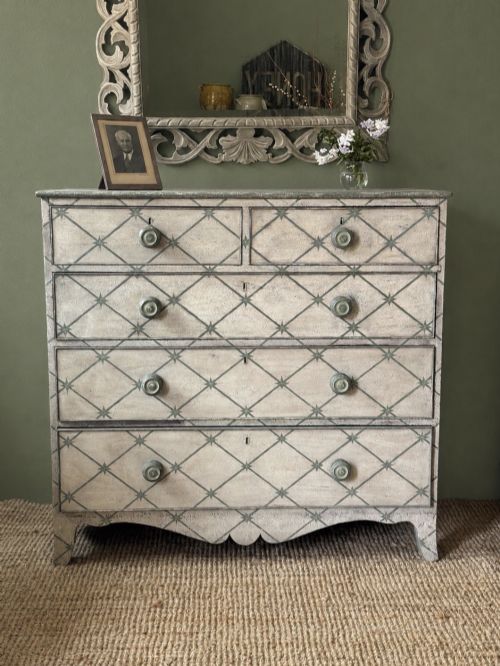
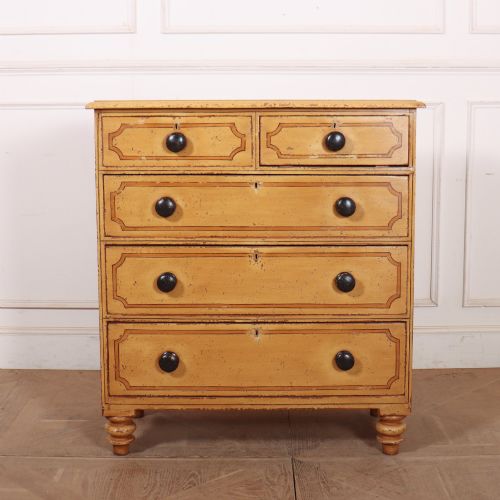
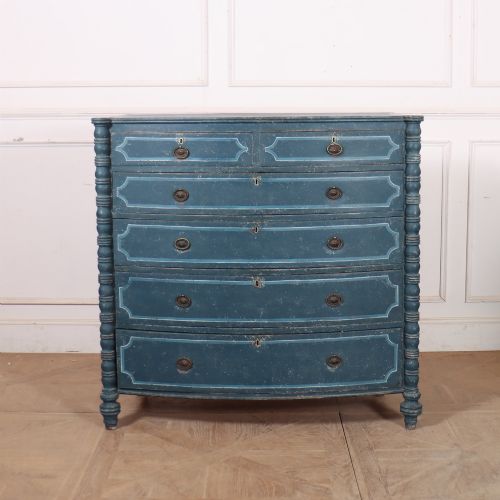
The aesthetic leans towards functional utility over metropolitan refinement, often displaying honest proportions and straightforward utility. Many survivors show the marks of household adaptation, carrying layers of original paint, scumble finishes, or patinated fruitwood.
Materials and Construction
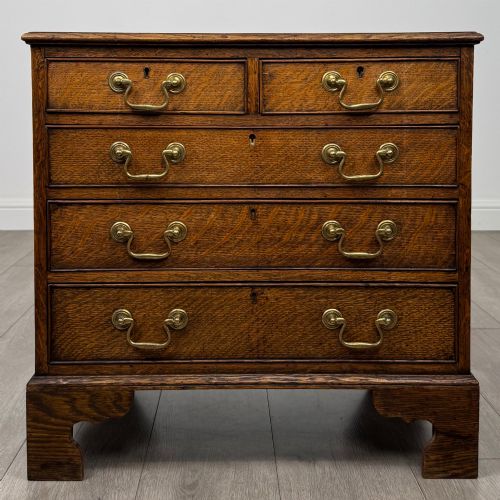
Cabinet makers utilised dense hardwoods such as oak, mahogany, walnut, and fruitwood alongside domestic softwoods like pine for internal framing and carcass construction. Drawer linings often reveal secondary timbers, while exterior surfaces display clever veneers or decorative painted finishes including simulated maple and ash.
Construction methods prioritised durability, employing solid dovetailed drawer boxes, heavy brass hardware, and sturdy panelled sides designed to withstand generations of heavy use. Surface treatments varied from wax polish on figured mahogany to protective coats of paint and scumble glaze.
Assessing Quality and Character
Quality rests in the integrity of the timber selection, the crispness of the drawer joinery, and the retention of original surface finishes. Pieces featuring unblemished brass mounts, well-figured grain, and untouched original paint or patination sit firmly at the upper end of the scale.
Proportion and scale dictate the desirability of an item, with narrower widths or unusual functional forms commanding greater interest than standard utilitarian storage. The presence of documented estate provenance or untouched regional timber variations elevates a piece beyond everyday domestic utility.
Gillows
The Country House Chest Drawers Glossary
- Mule chest
- A storage chest featuring one or two functional drawers built into the base beneath the primary compartment. This hybrid form bridges the evolution between traditional blanket boxes and modern drawer chests.
- Scumble paint
- A decorative glazing technique applied over a base coat to imitate the appearance of more expensive figured woods or rich grain patterns. It was frequently used in provincial settings to elevate simpler pine or hardwood furniture.
- Tallboy
- A tall storage unit composed of a chest of drawers stacked beneath or upon another section, creating substantial vertical capacity. These pieces were historically designed for principal bedrooms to hold extensive wardrobes.
- Commode
- A decorative low cabinet or chest of drawers, often featuring marble tops in French or continental influenced designs. They served functional and display purposes in formal drawing rooms and bedchambers.
- Bowfront
- A curved cabinet front where the central portion projects outward in a smooth convex arc. This style gained particular popularity during the Georgian and Regency periods to soften rigid room angles.
Country House Chest Drawers: Frequently Asked Questions
What is a country house chest of drawers?
A country house chest of drawers is a durable storage piece originating from large rural estates, built from robust timbers like oak, mahogany, or pine.
These items were designed for heavy daily use in bedrooms and hallways, combining practical utility with regional stylistic variations.
How do I date an antique chest?
Dating relies on examining construction techniques, timber choices, and hardware styles across periods from the eighteenth century onward.
Early pieces often feature hand-cut dovetails and solid oak construction, while later Victorian examples introduce softwoods and machine-made components.
Where were these chests used?
They stood in principal bedchambers, nurseries, and service quarters of large country houses, fulfilling varied storage needs.
Their robust construction allowed them to withstand decades of relocation within sprawling estate environments.
Are painted finishes original?
Many pieces retain historic layers of paint, scumble glazes, or simulated wood finishes applied during the nineteenth century.
Original paint adds significant character and historical value compared to later, modern decorative overhauls.