

Country House Cabinet
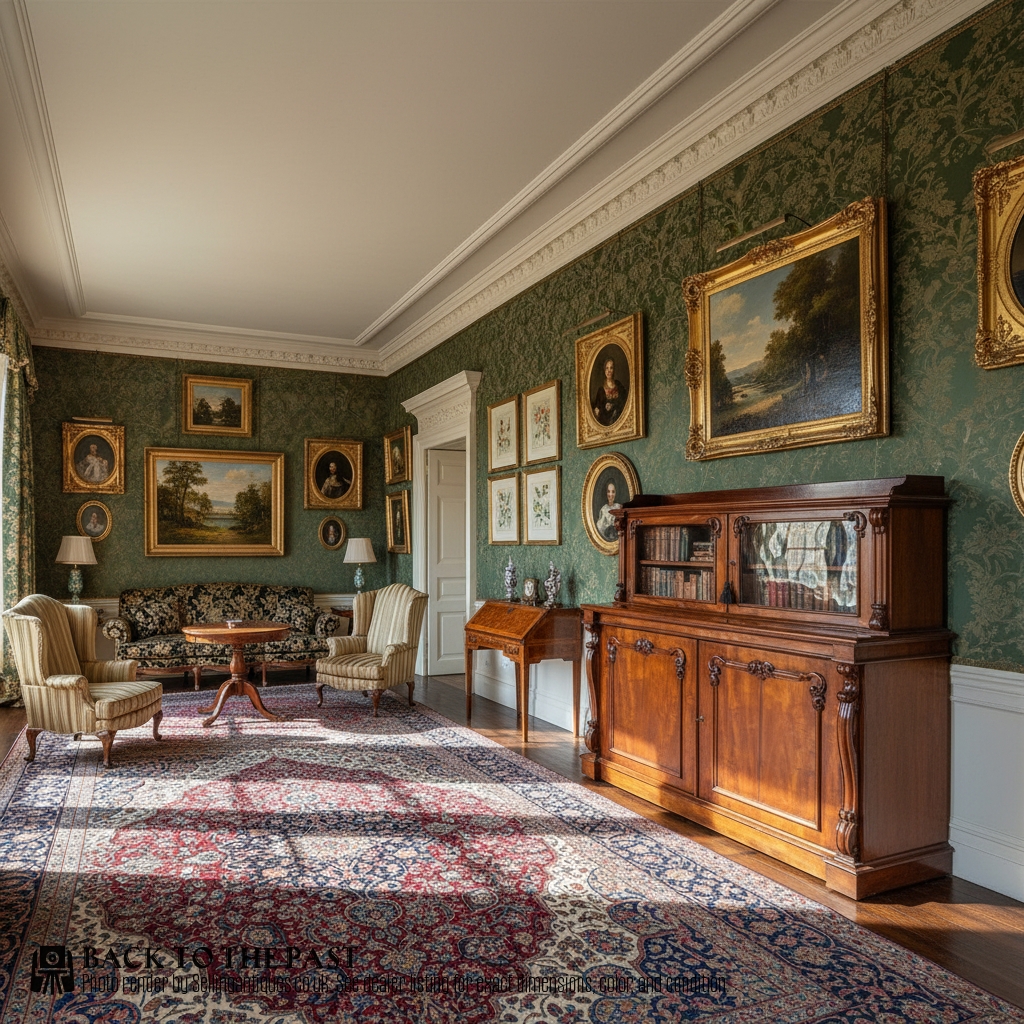
A country house cabinet is a robust storage piece built for utility, offering generous proportions and regional vernacular charm.

Country House Cabinet
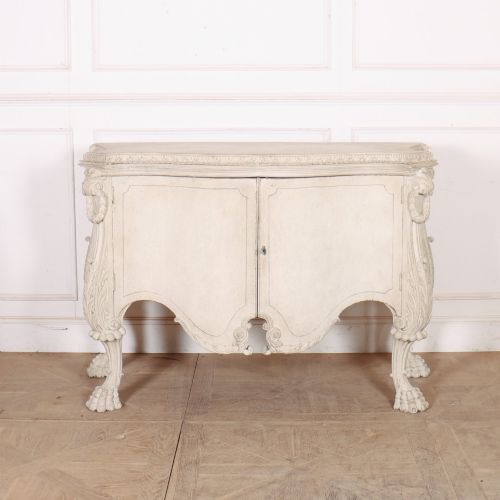
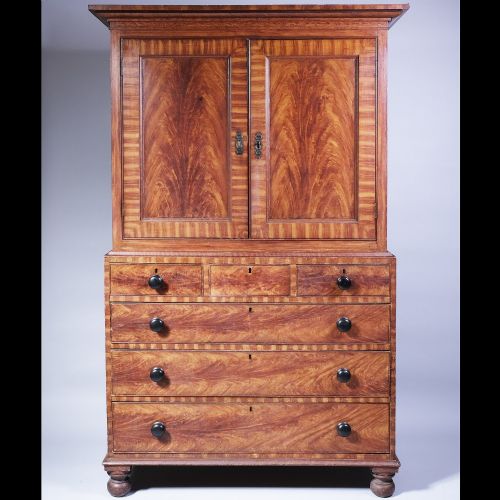
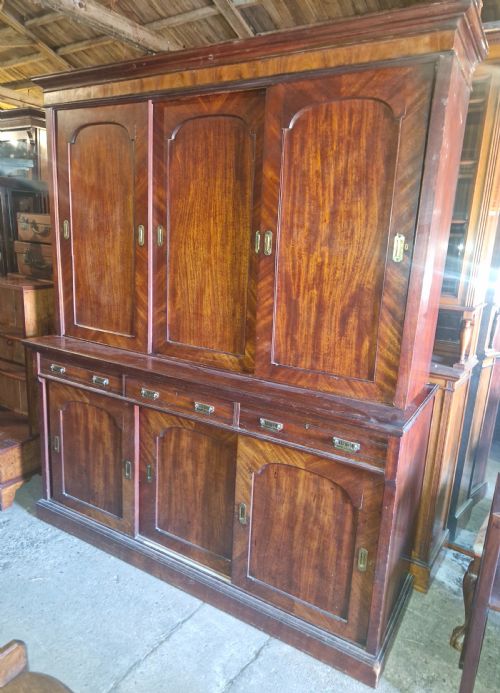
When you search for a country house cabinet, you encounter a diverse group of storage furniture designed for large domestic interiors and provincial settings. These pieces span the eighteenth and nineteenth centuries, originating from English, Scottish, Welsh, French, Italian, Scandinavian, and Hungarian workshops.
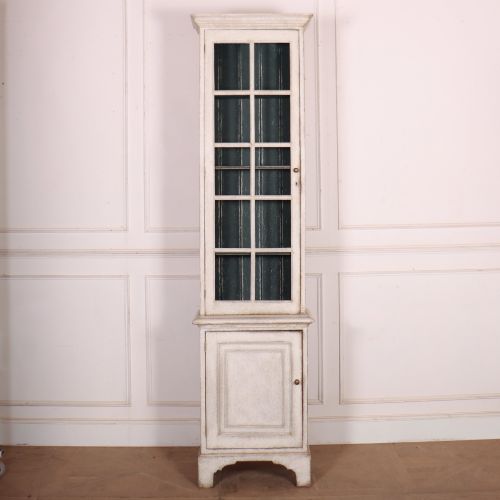
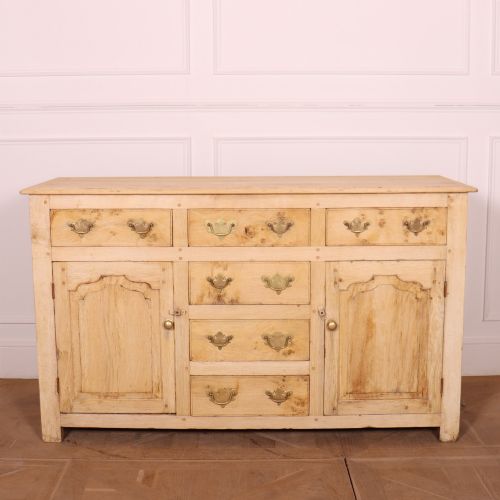
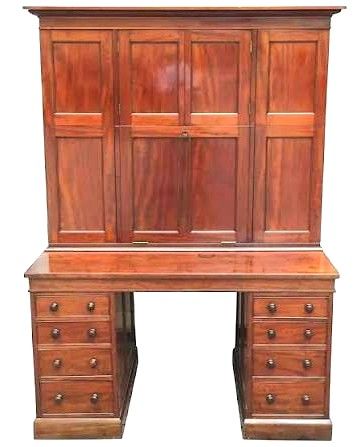
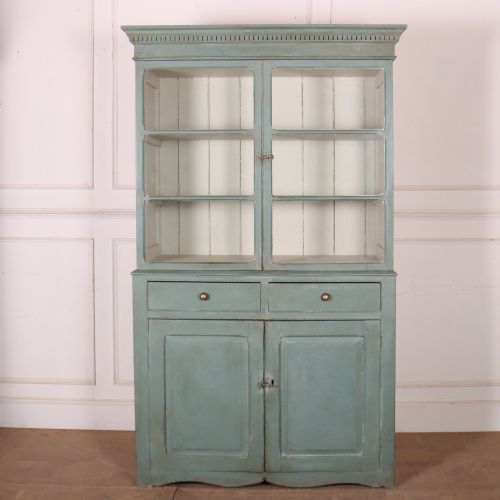
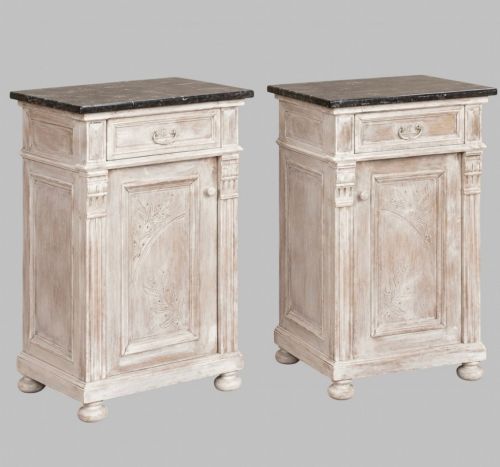
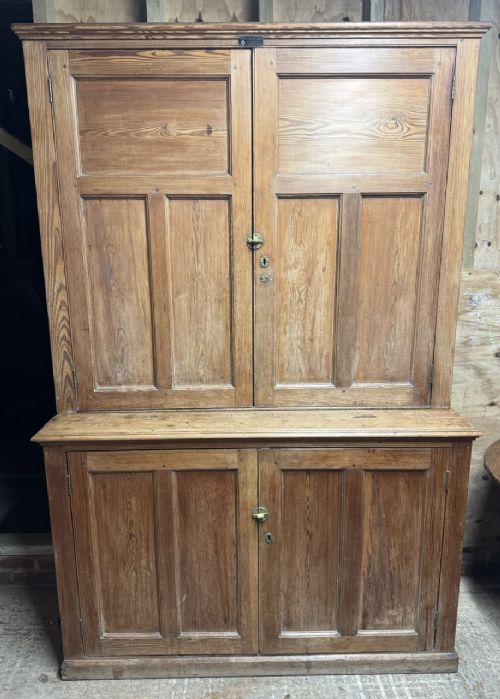
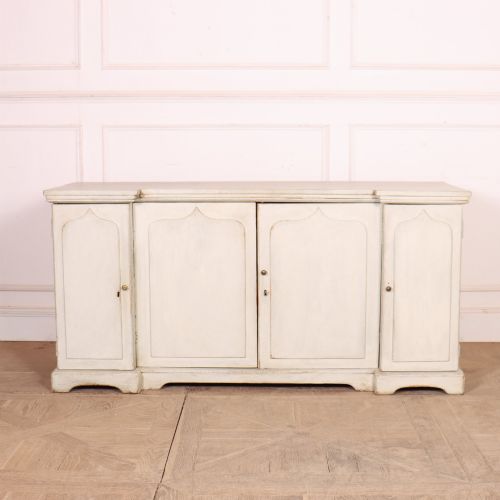
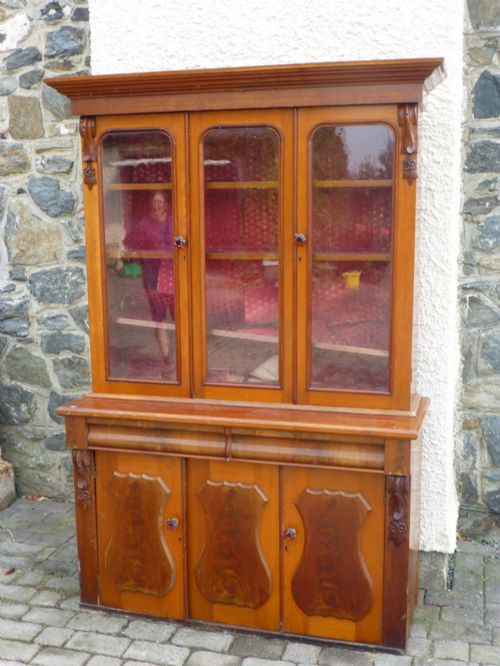
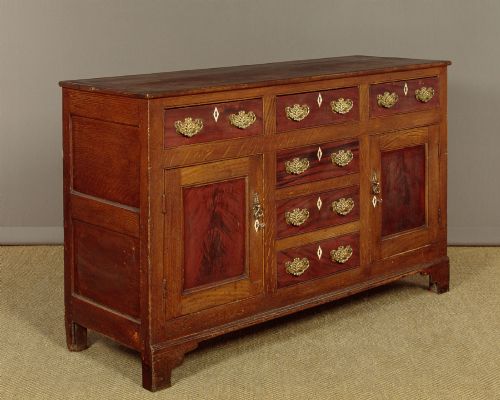
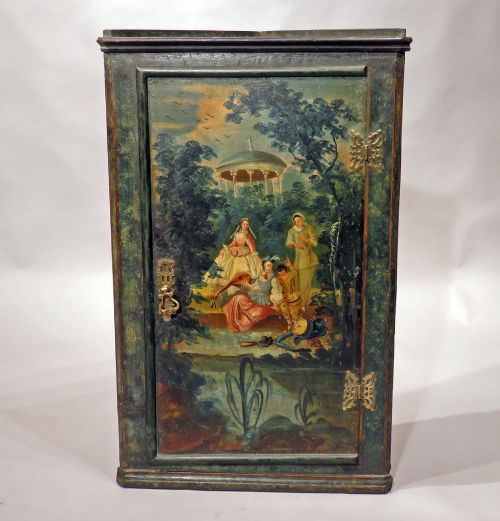
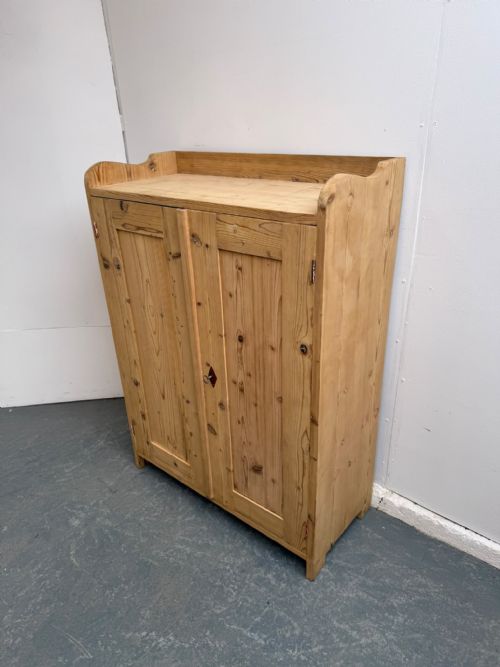
The most frequent examples on this page are kitchen dressers, housekeeper cupboards, sideboards, corner cupboards, and glazed bookcases. Their forms range from simple pine school cabinets and wall-hanging shelves to large oak breakfront cupboards and multi-part estate office pieces.
Regional variations display distinct local character, from Welsh vernacular dressers to French provincial fruitwood cupboards and Scottish oak library pieces.
Materials and Construction
Cabinet makers relied primarily on native timbers such as oak, pine, fruitwood, ash, and walnut, frequently combining primary woods with secondary timbers for internal drawers and backing boards.
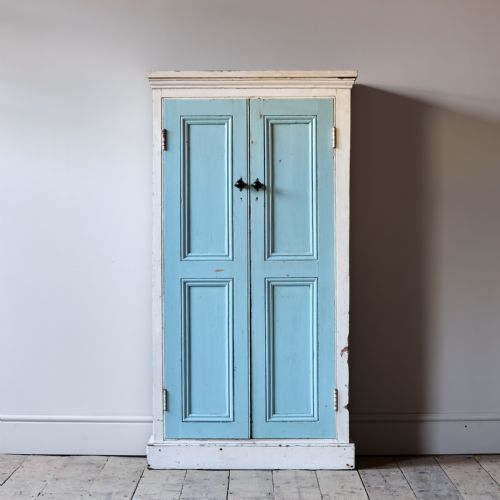
Surface treatments play a defining role, with many examples retaining original paint finishes, scumble glaze, or wax, alongside exposed natural grain polished over generations.
Construction details include hand-cut dovetails, applied mouldings, and utilitarian iron or brass hardware such as blacksmith-made locks and hinges.
Country House Cabinet Retail Price Guide 2026
Typical asking prices for country house cabinet among the pieces listed under this phrase on Sellingantiques today, from the lower quarter to the upper quarter. They describe what is for sale here now, not the wider market.
Listings feature oak, pine, fruitwood, and painted surfaces across eighteenth and nineteenth-century forms.
Assessing Quality
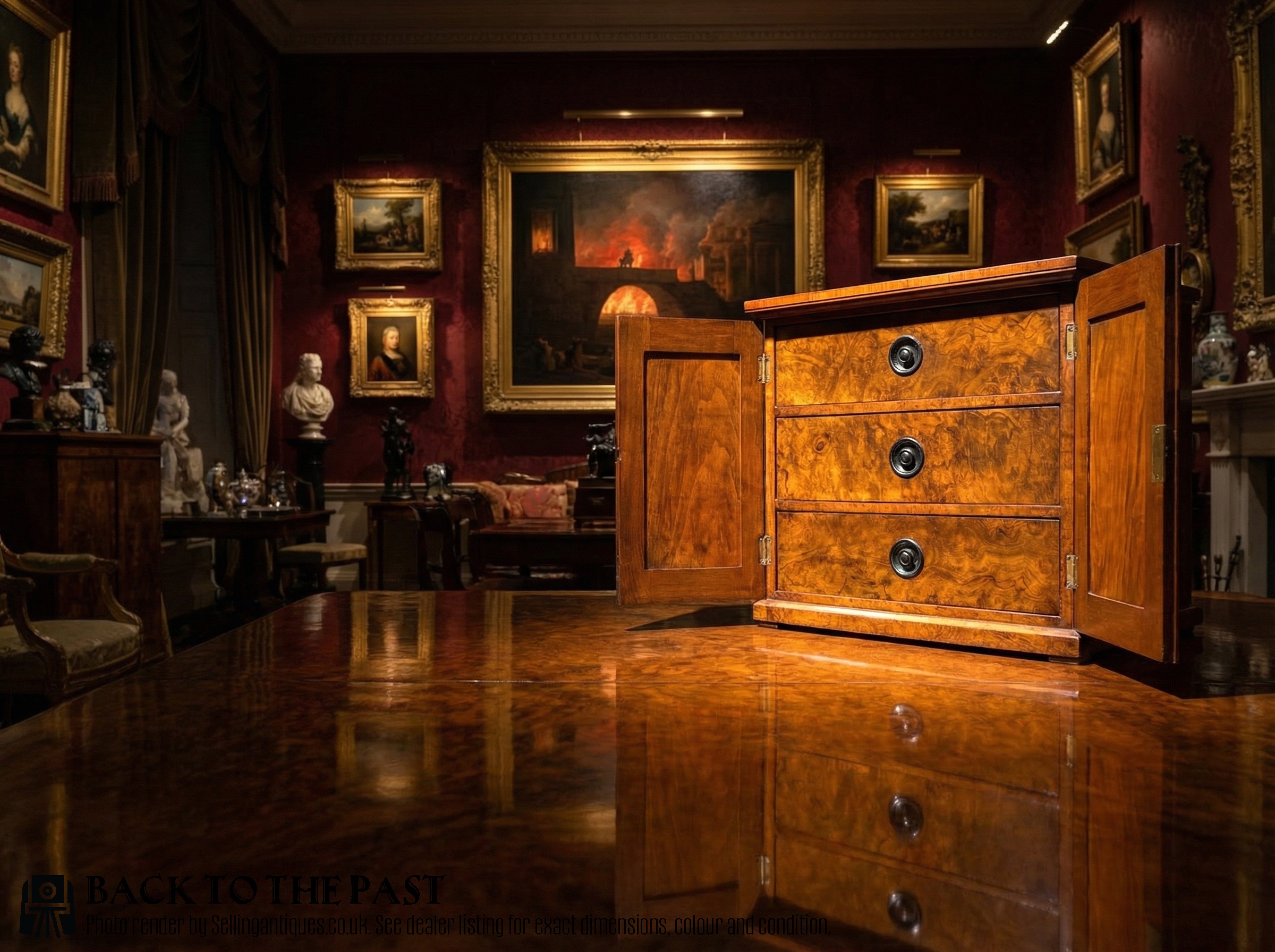
Quality rests upon the integrity of the timber selection and the retention of original surface treatments, whether historic paint or aged polish.
Finer examples demonstrate considered proportion and joinery detail, such as pegged joints and robust framing that withstands centuries of daily use.
Morison and Co·Holland and Sons
The Country House Cabinet Glossary
- Breakfront
- A piece of furniture where the central section projects forward from the flanking outer sections. This configuration adds architectural depth to large cabinets and bookcases.
- Dresser Base
- A low sideboard or cabinet featuring drawers and cupboards beneath a solid top surface. These utilitarian pieces formed the foundation of busy estate kitchens.
- Scumble Paint
- A decorative technique where a translucent top layer of paint is manipulated with combs or rags to simulate wood grain or texture. It appears frequently on nineteenth-century vernacular furniture.
- Enfilade
- A long suite of cabinets or a long sideboard with multiple doors in a continuous line. This form originated in grand European domestic architecture.
- Buffet Deux Corps
- A tall two-part storage piece consisting of a lower cupboard section surmounted by an upper cabinet. This French provincial form provides substantial vertical storage.
Country House Cabinet: Frequently Asked Questions
What is a country house cabinet?
A country house cabinet is a utilitarian storage piece originating from large domestic estates, farmhouses, and provincial homes. These items include cupboards, dressers, and bookcases built to withstand heavy daily use.
They reflect regional woodworking traditions and materials, ranging from humble pine school cupboards to grand oak estate office furniture.
How do I identify the period?
Period identification relies on construction methods, timber choice, and surface finishes. Eighteenth-century pieces often feature pegged oak joinery and hand-wrought iron hardware.
Nineteenth-century examples frequently utilise pine, machine-sawn elements, and scumble paint or historic glazed doors.
Are painted finishes original?
Many pieces retain historic or original paint layers, which survive beneath later overpainting. Traces of early green, white, or scumble finishes indicate vernacular domestic taste.
Original paint surfaces add significant character and are prized by collectors for their untouched patination.
Where were these cabinets used?
These cabinets served functional roles across domestic and estate spaces, including kitchens, sculleries, estate offices, libraries, and bedrooms. Housekeeper cupboards stored linens and dry goods.
Kitchen dressers held crockery and provisions, while apothecary and wall cabinets kept medicines and small items organised.