


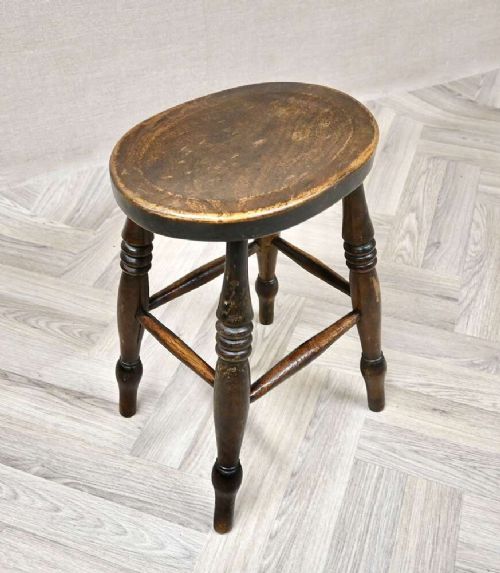
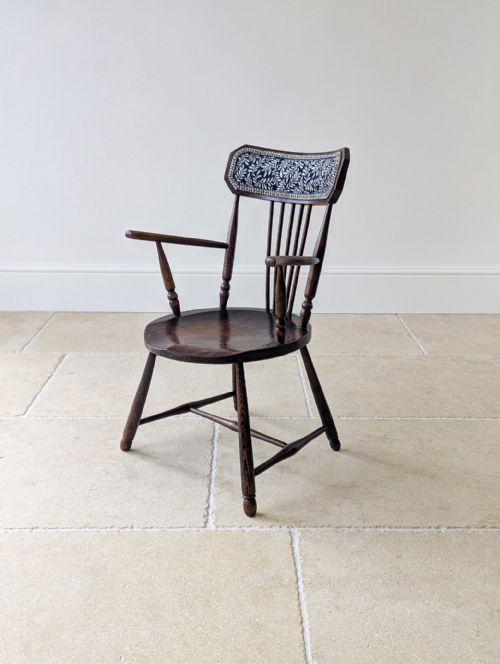
Country Elm Seat
When you search for a country elm seat, you are looking at honest vernacular seating built from sturdy domestic timber.
Country Elm Seat
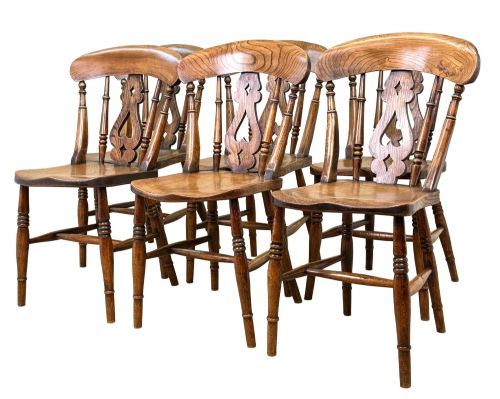
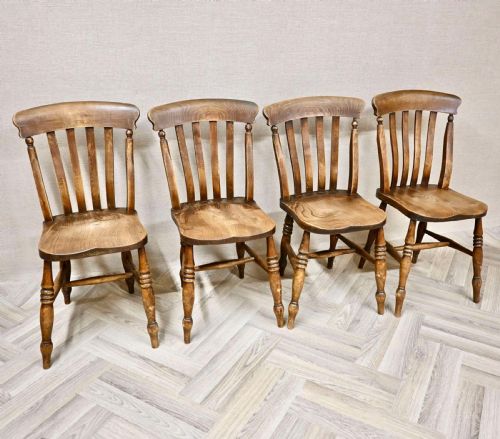
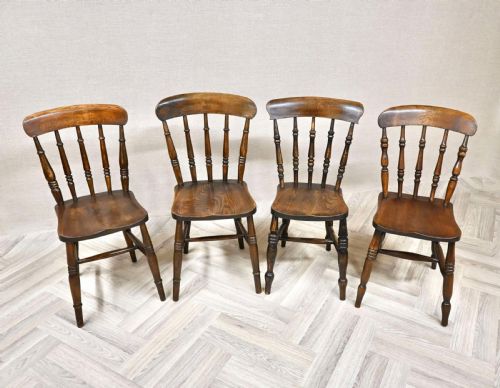
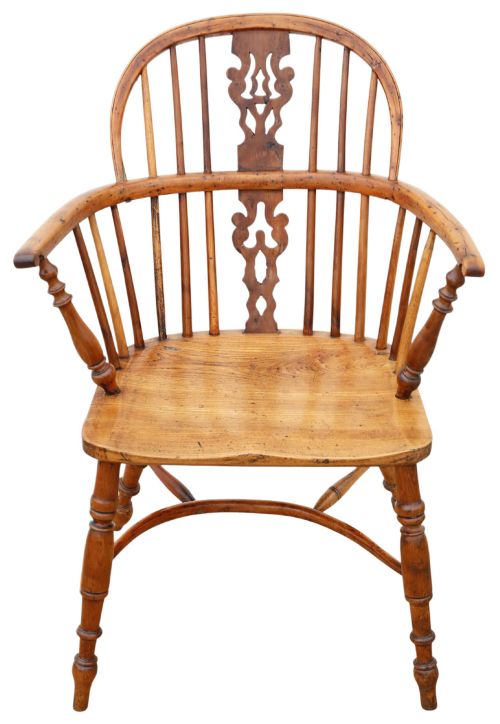
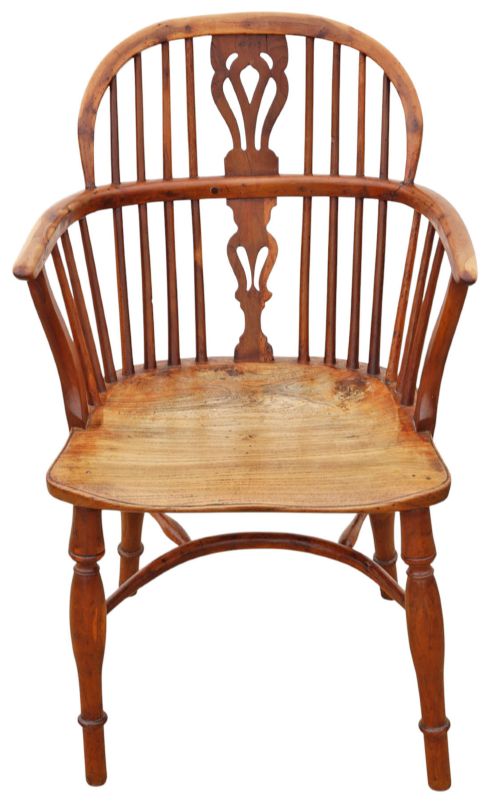
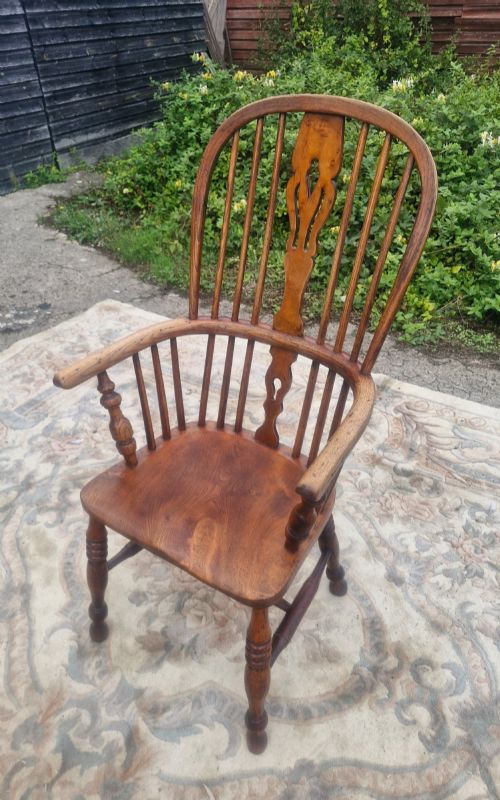
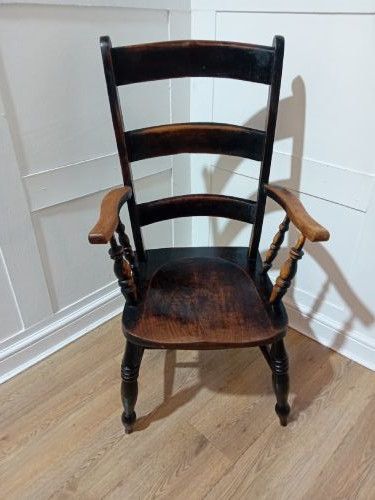
A country elm seat brings together domestic seating forms originating from rural workshops, cottages, and farmhouses across the 18th and 19th centuries. Buyers searching this phrase typically encounter Windsor armchairs, ladderbacks, spindle backs, and simple milking or lace makers stools.
The material identity rests heavily on solid elm, frequently paired with ash, beech, or yew for structural stability in spindles and legs. Pieces span Georgian, Victorian, and Edwardian periods, ranging from single child's chairs to matched sets of dining chairs.
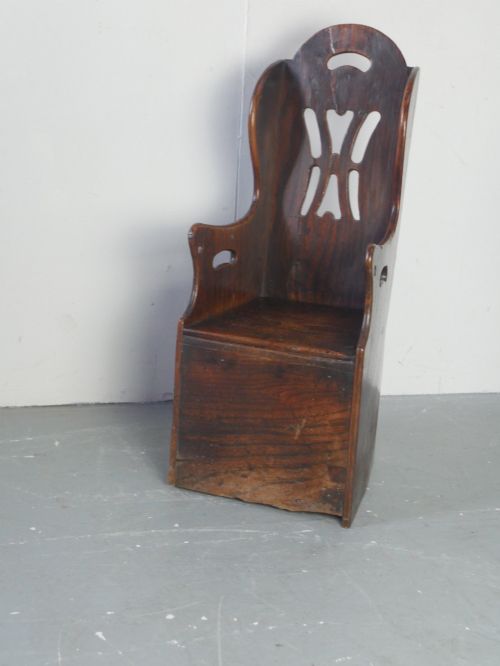
Forms include benches, settles with storage boxes, captain's chairs, and high-back Windsor armchairs designed for farmhouse kitchens and vernacular interiors. The selection balances sturdy utility with regional variations in turning and back design.
Construction and Material Selection
Makers utilised solid elm for plank seats due to its interlocking grain, which resists splitting when pegged and bored with legs and spindles. Ash and beech provided reliable strength for turned legs, bows, and stretchers, while yew added rich figure and resilience to high-grade Windsor arms.
Construction relied on traditional green woodworking techniques, saddle-shaping the timber seats for comfort before inserting wedged tenons and spindles. Surface finishes typically evolved through decades of wax polishing, developing deep patinas without modern synthetic varnishes.
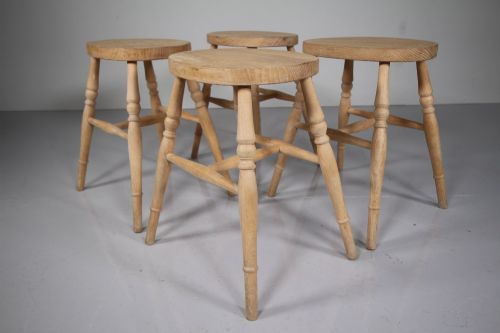
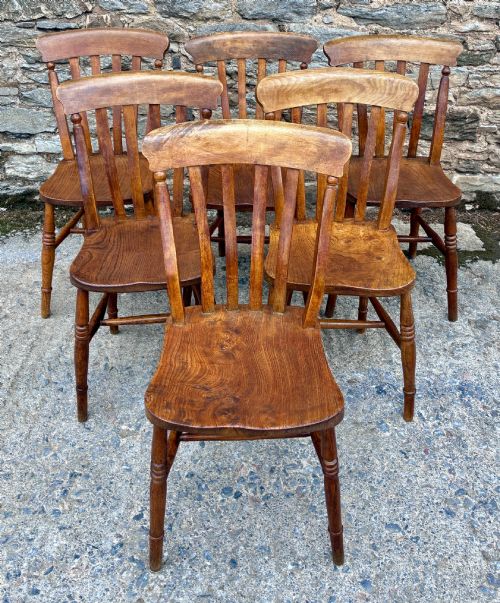
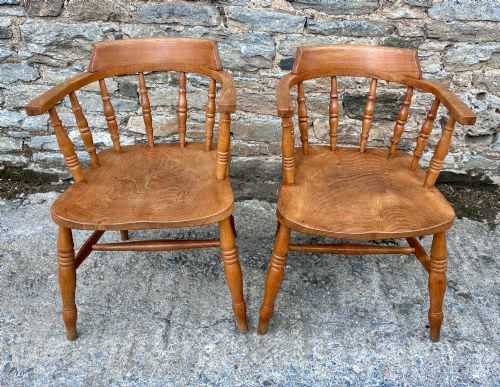
The object forms on this page include Windsor armchairs, ladderbacks, settles with storage boxes, and low milking stools.
Distinctions in Quality and Execution
Quality separates through the depth of the saddle-shaping on the solid seat and the balanced proportion of the turned spindles and legs. Superior examples retain original timber surfaces with well-developed patinas, avoiding excessive sanding or inappropriate structural replacements.
The integrity of the structural joints and the choice of secondary timbers also define the better tier of pieces. Higher-grade items incorporate figured yew wood in the bow or arms rather than standard utility hardwoods.
The Country Elm Seat Glossary
- Windsor chair
- A wooden chair built with a thick solid timber seat into which the legs and back spindles are directly inserted. This construction method creates a durable, light frame characteristic of vernacular furniture.
- Saddle seat
- A wooden seat base carved into a concave, contoured shape resembling a riding saddle. This traditional shaping improves comfort on solid wood forms.
- Smoker's bow
- A low-backed Windsor armchair featuring a continuous curved wooden rail serving as both armrest and backrest. These are commonly found in domestic and tavern settings.
- Rush seat
- A seating surface woven from dried marsh rushes around a wooden frame. This technique appears frequently on ladderback and spindle-back country chairs.
- Patina
- The surface sheen and colour acquired by wood through decades of handling, light exposure, and polishing. Collectors prize undisturbed patinas for their historic authenticity.
- Spindle back
- A chair back constructed from vertical turned wooden rods pegged into horizontal rails. This design distributes weight evenly while maintaining a lightweight frame.
Country Elm Seat: Frequently Asked Questions
What defines a country elm seat?
A country elm seat refers to vernacular wooden seating featuring a carved solid elm plank base, most commonly seen in Windsor and spindle-back chairs from the 18th and 19th centuries.
These pieces were produced for everyday domestic utility in farmhouses and cottages, relying on regional British joinery traditions rather than urban cabinet-making styles.
How do I care for antique elm furniture?
Keep elm seating away from direct heat sources and drastic humidity changes to prevent the solid timber planks from splitting or warping.
Apply a microcrystalline wax sparingly when the wood appears dry, buffing gently with a soft cloth to maintain the historic surface finish.
Are these chairs comfortable for daily use?
Many examples feature deep saddle-shaping carved directly into the solid wood seat, providing ergonomic support designed for long hours of use.
Adding loose cushions can improve comfort further while preserving the original wooden structure of the chair.
How can I tell the period of a Windsor chair?
Dating relies on observing construction details such as the thickness of the arm bow, the turning style of the legs, and the method used to wedge the spindles through the seat.
Earlier 18th-century pieces often display broader proportions and native yew components, whereas later Victorian examples show tighter machine turnings and standardised parts.