
Corner Display Cupboard Stand
A corner display cupboard stand turns empty room junctions into focal points, holding china or books within tall timber frames.
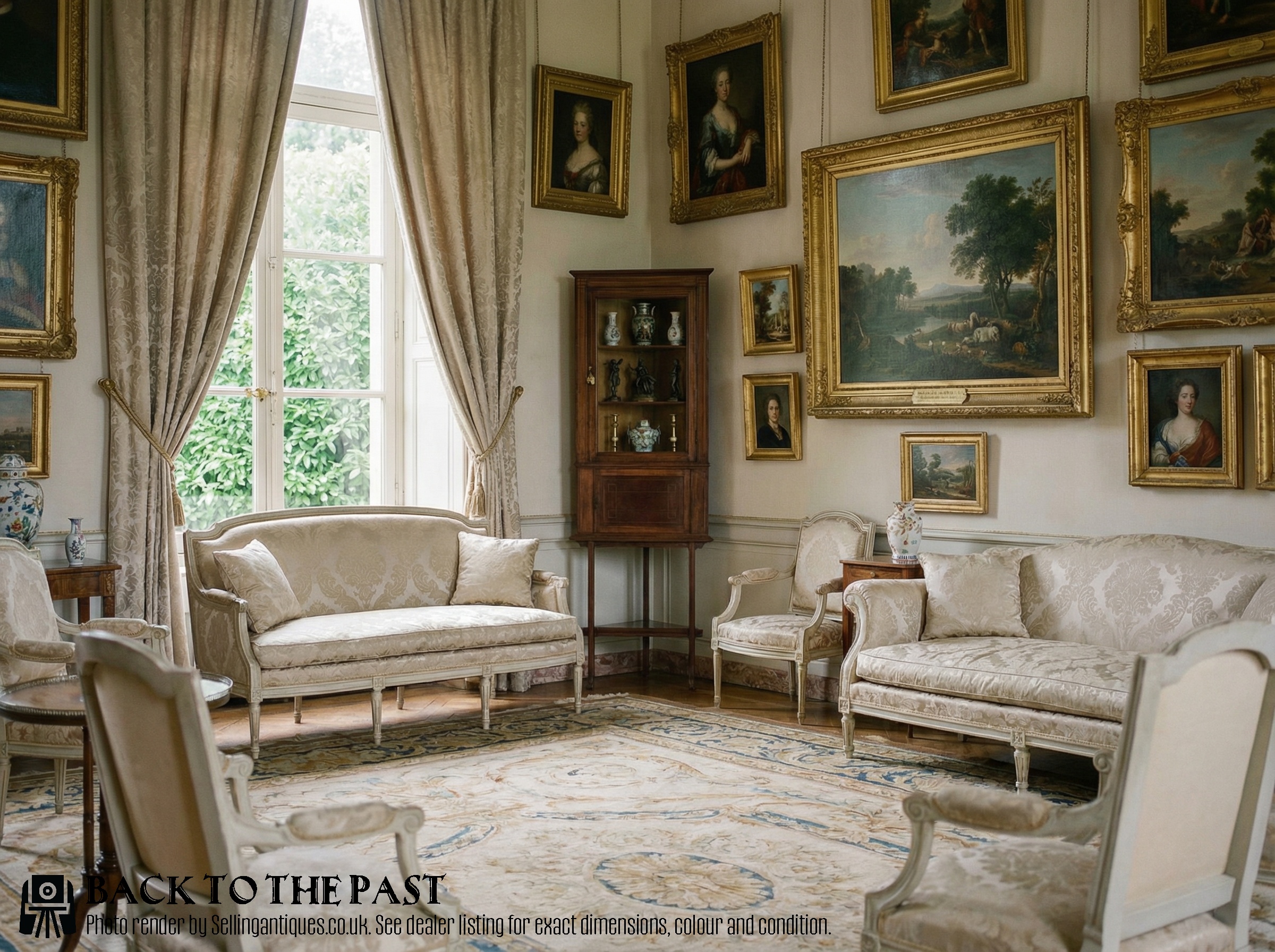
Corner Display Cupboard Stand
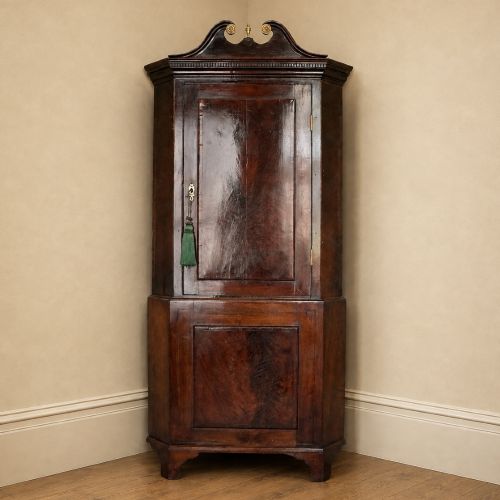
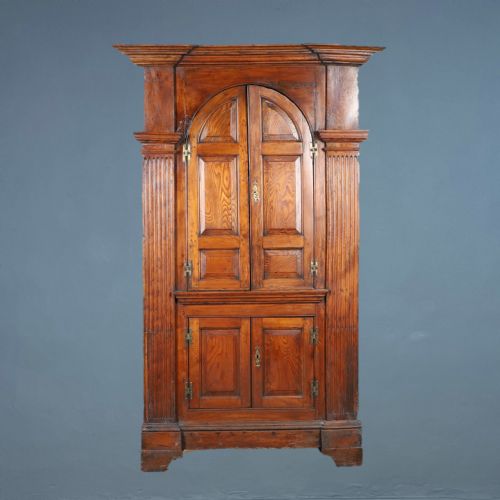
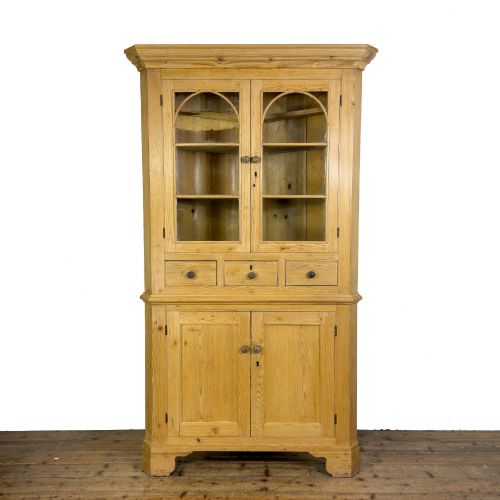
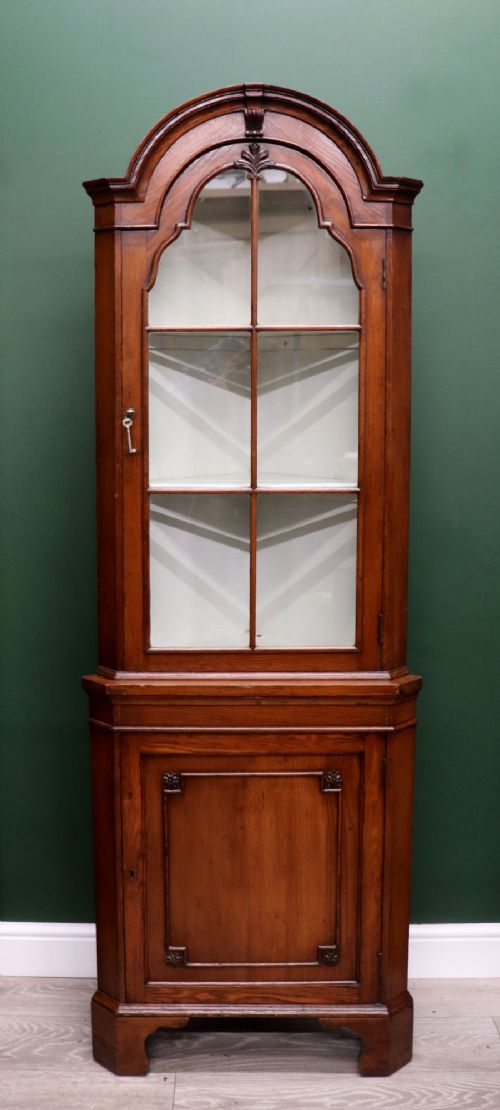
A corner display cupboard stand unites upper visibility with secure lower storage, fitting precisely into domestic angles. These architectural pieces occupy vertical room without crowding floor space, functioning as both storage units and display stages.
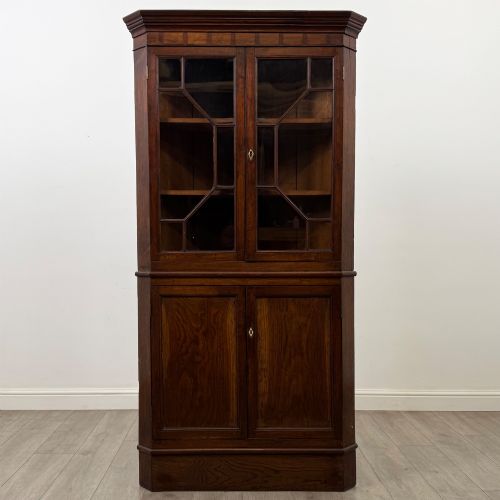
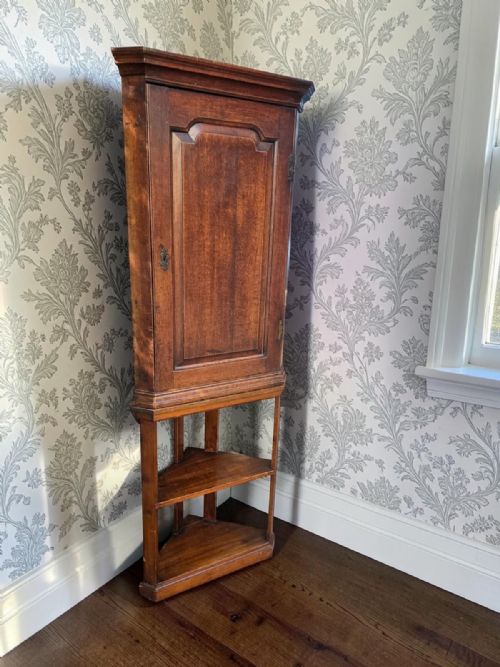
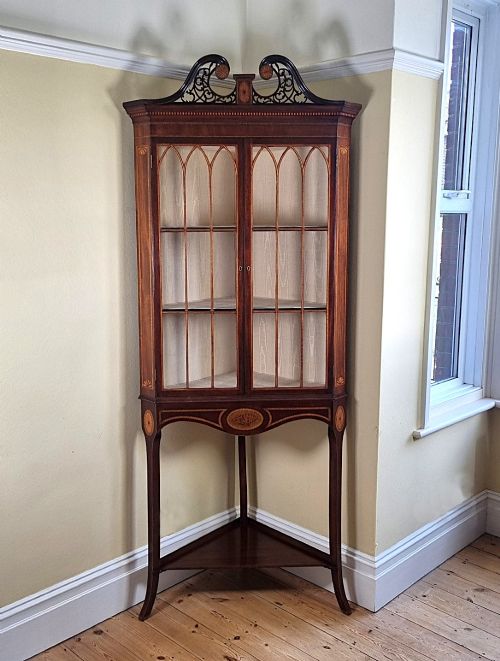
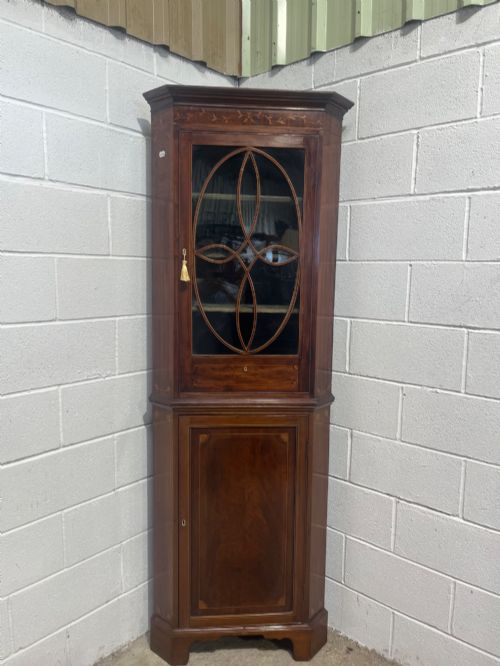
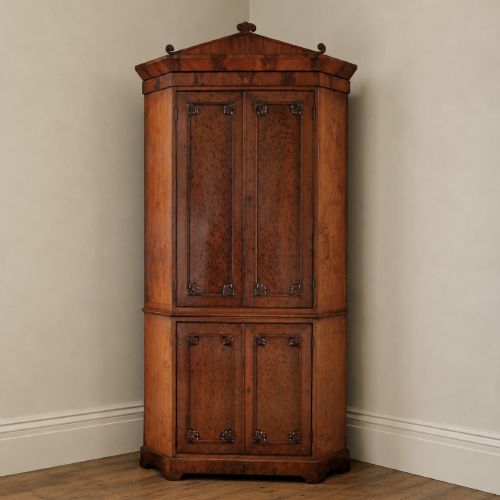
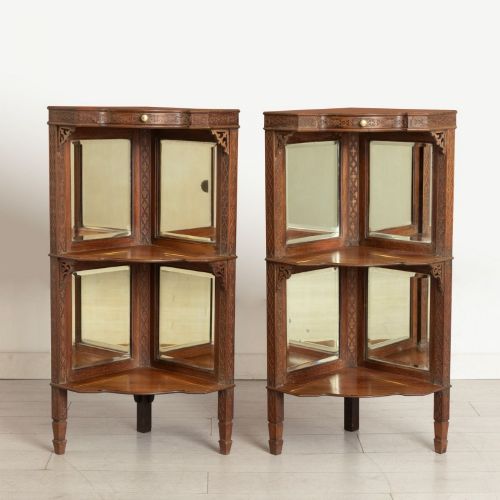
The selections span eras from the 18th century through the Georgian, Victorian, and Edwardian periods up to 1930. Floor-standing forms dominate the group, alongside two-part configurations and pieces raised on dedicated stands.
How They Were Made
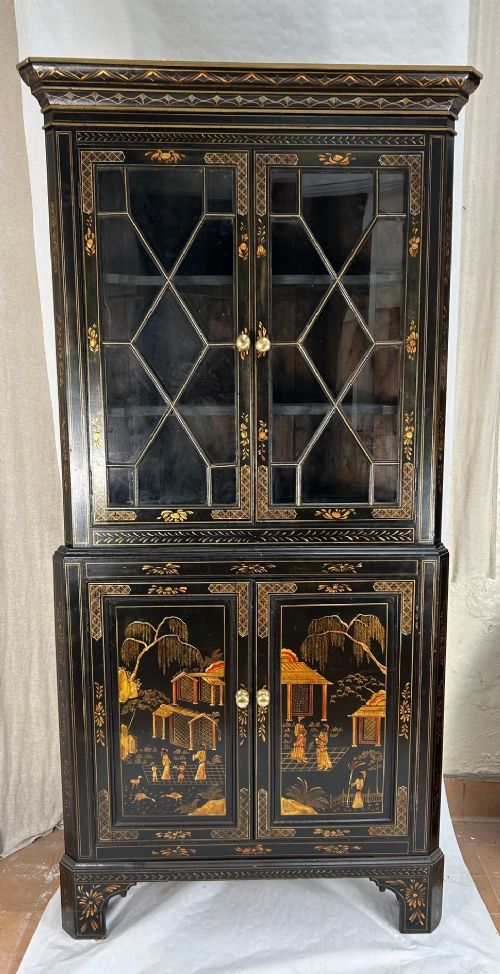
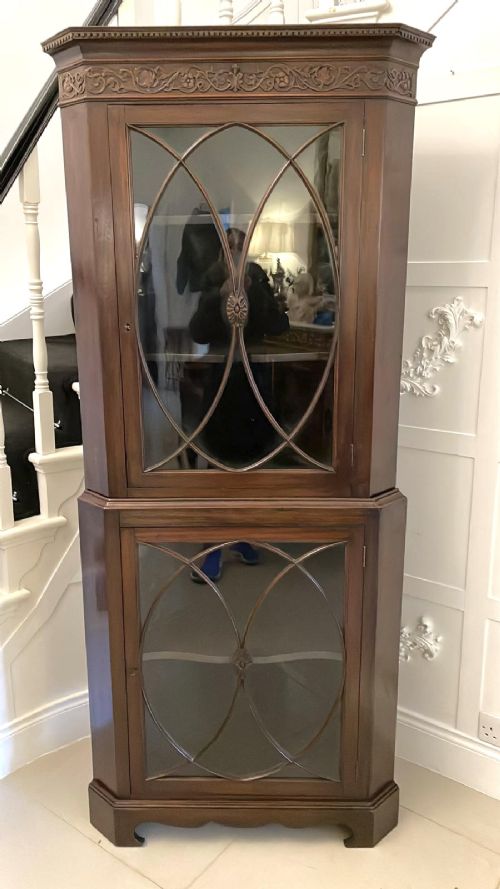
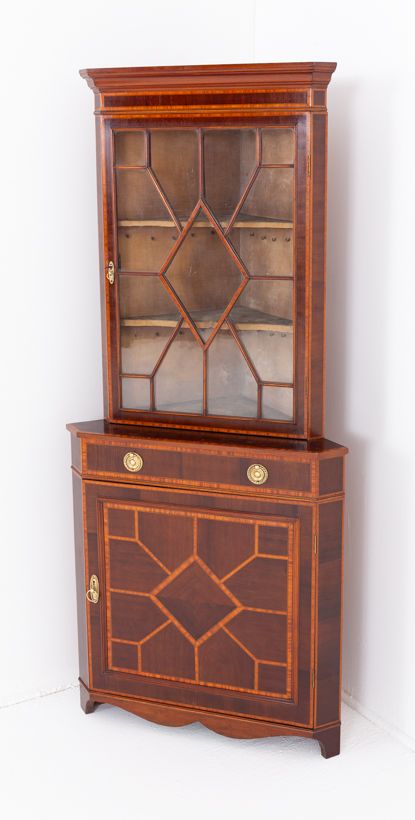
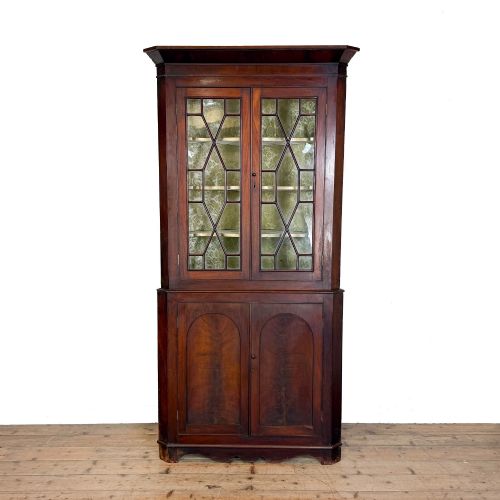
Craftsmen utilised timbers such as mahogany, oak, walnut, pine, and satinwood, often embellishing surfaces with satinwood inlay or lacquer. Glazed upper doors utilised glass panes held by astragal bars, while brass provided keyplates and hinges.
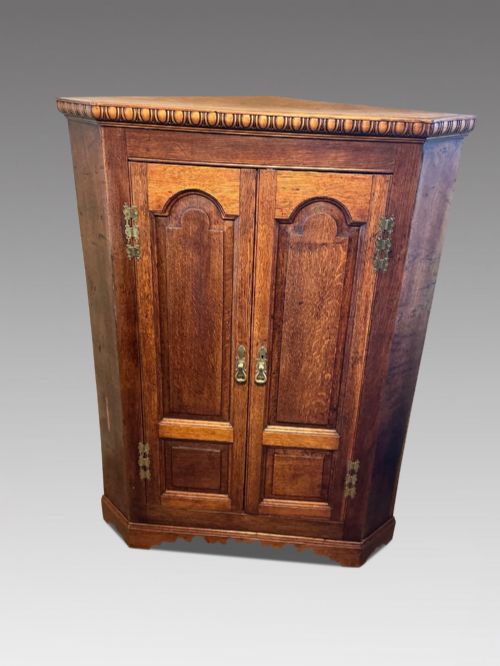
Construction methods involved panelled framework, dovetailed joints, and two-part stacking systems for taller floor-standing editions. Carved architectural details and curved bow fronts required precise woodworking skills.
Several cupboards arrive complete with their original working keys, saving future owners from a locksmith's visit.
What Varies in Quality
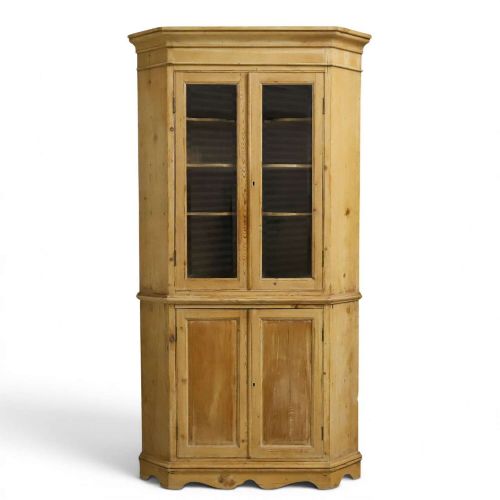
Material selection dictates the initial tier, moving from utilitarian pine to figured plum pudding mahogany, burr walnut, and fine Cuban timber. The choice of primary wood sets the baseline for the cabinet's presence in a room.
Execution of detail separates workshop output, seen in delicate inlay work, carved ornamentation, and fine astragal glazing bars. Original brass hardware and keys complete a higher grade of manufacture.
Edwards and Roberts
The Corner Display Cupboard Stand Glossary
- Astragal glazed
- Glass doors divided into small panes by narrow wooden bars. This technique allowed makers to secure glass safely before large sheets were common.
- Two-part form
- Cabinets constructed in separate upper and lower sections that stack together. This facilitated transport of tall furniture.
- Bow front
- A convex curved cabinet face that softens angular room corners. It requires advanced timber-bending or carving techniques.
- Inlay
- Contrasting woods or materials set flush into the surface to create decorative patterns. Satinwood is frequently employed for this contrast.
- Chinoiserie
- European decorative style imitating Chinese artistic traditions. Lacquered surfaces often display this distinct aesthetic.
Corner Display Cupboard Stand: Frequently Asked Questions
How do I place a corner cupboard?
These cabinets slide directly into ninety-degree room intersections, making use of awkward junctions. They anchor larger rooms and provide display height without blocking walkways.
Ensure the floor is level so the doors hang true against the frame. Allow adequate clearance for opening glazed doors into the room.
What is a two-part corner cupboard?
A two-part corner cupboard consists of a distinct upper display section resting upon a lower base cabinet. This construction method helped tradesmen transport tall furniture through narrow doorways.
The sections separate for moving and lock together securely when installed. It also defines the proportions between the glazed upper shelves and the enclosed lower storage.
How do I identify Georgian pieces?
Georgian examples often feature rich mahogany timbers, fielded panels, and understated architectural cornices. Proportions remain balanced and classical.
Look for hand-cut dovetails and pegged joints inside the carcass. The joinery and timber quality typically reflect 18th-century workshop standards.
What woods were used?
Makers utilised local and imported timbers, predominantly mahogany, oak, walnut, and pine. Walnut and mahogany appeared in formal rooms, whilst oak and pine served rustic or regional functions.
Satinwood and lacquer provided decorative contrast through inlay and painted scenes. Plum pudding mahogany offered highly figured grain patterns on select cabinets.