




Edwardian Standing Corner Cupboard
An Edwardian standing corner cupboard makes clever use of neglected room perimeters while providing polished display space.
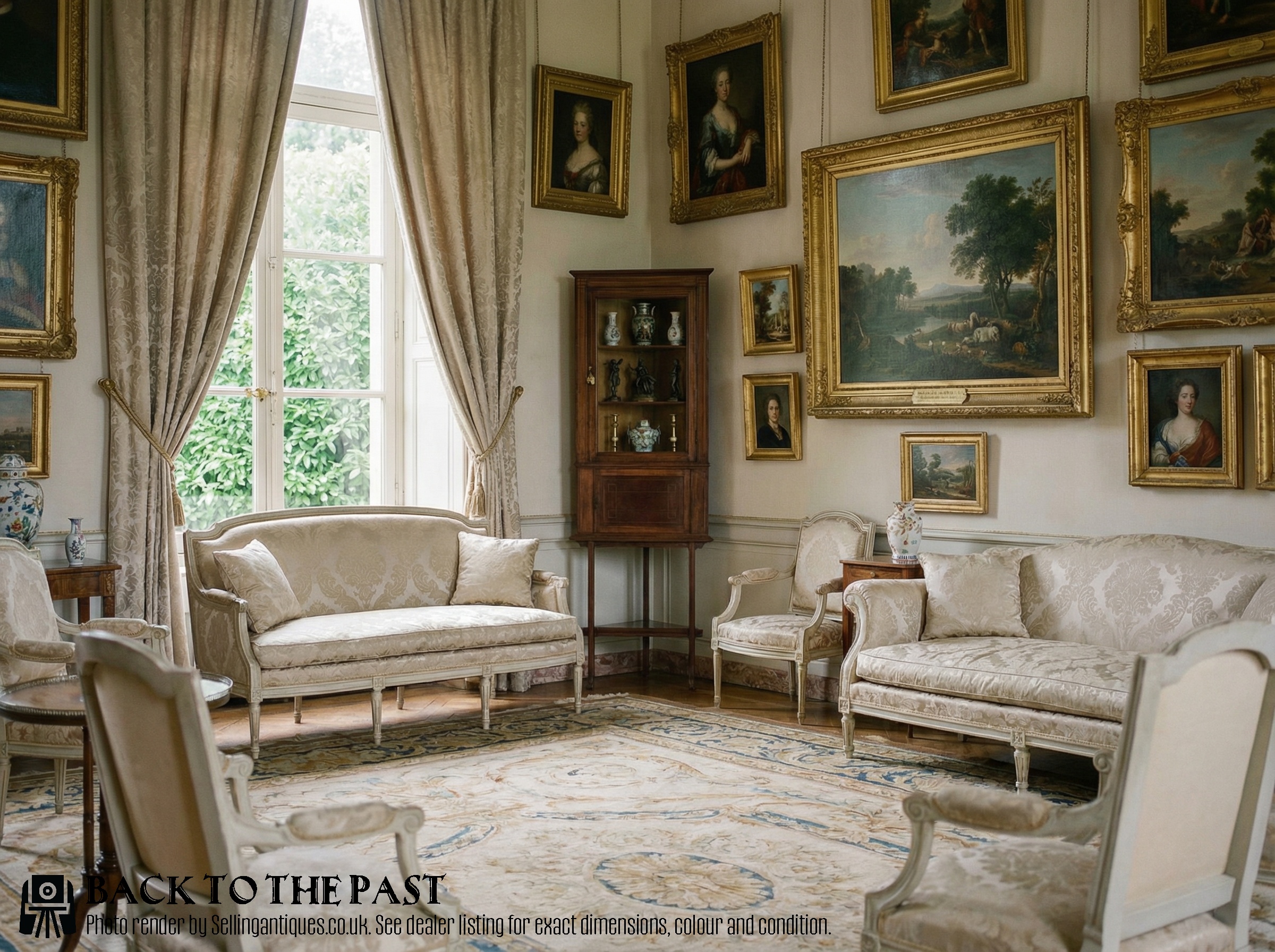
Edwardian Standing Corner Cupboard
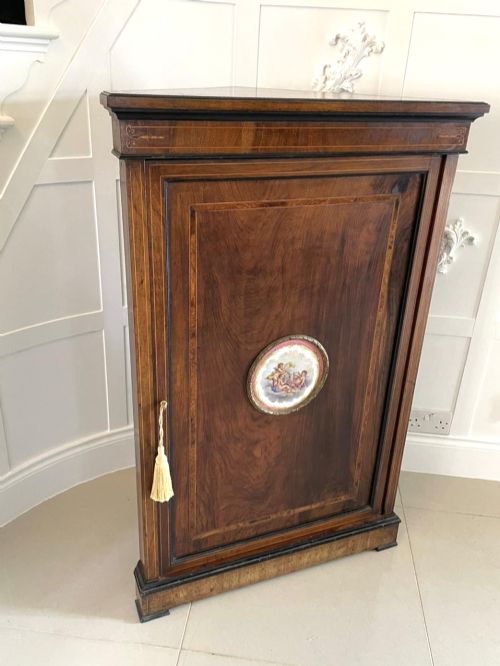
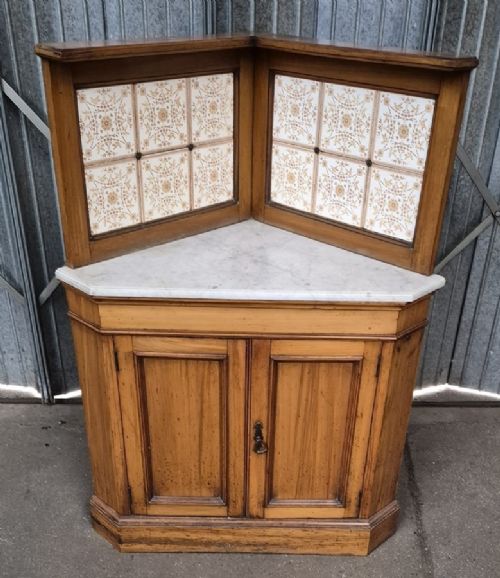
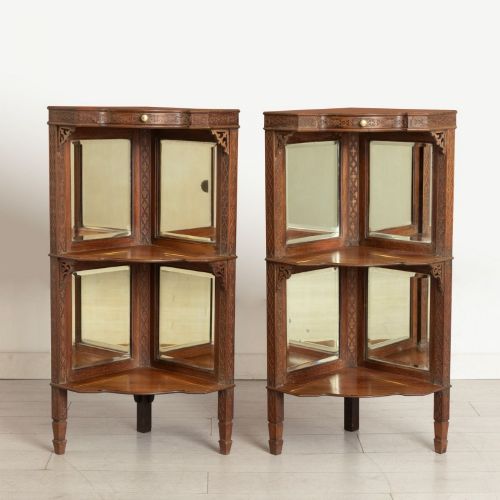
An edwardian standing corner cupboard is designed to fit snugly into room angles, maximising floor space without cluttering interiors. The pieces on this page lean heavily toward Edwardian production and the year nineteen hundred, drawing on earlier Georgian Revival tastes.
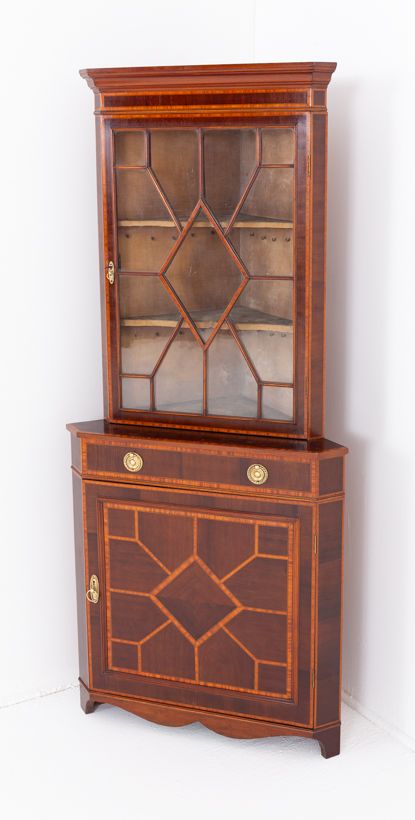
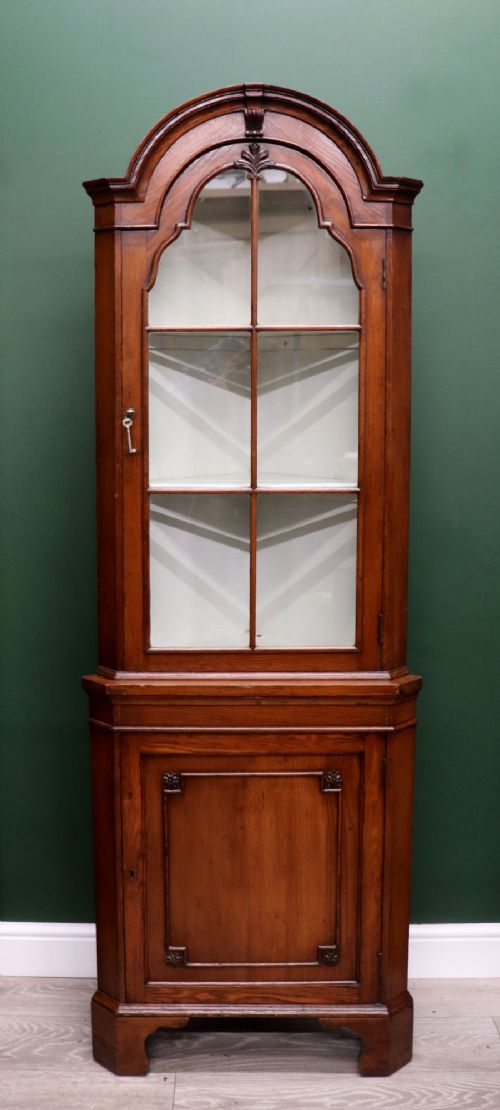
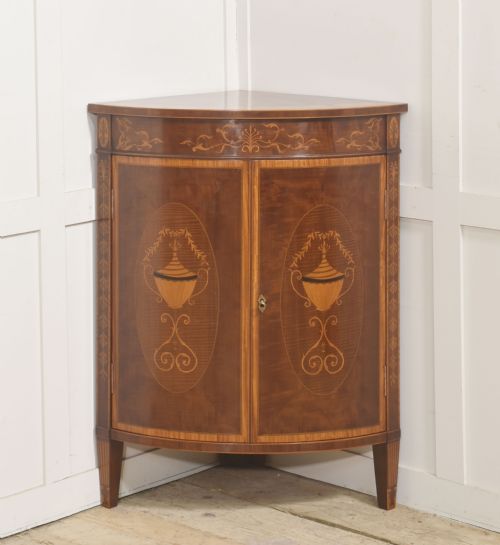
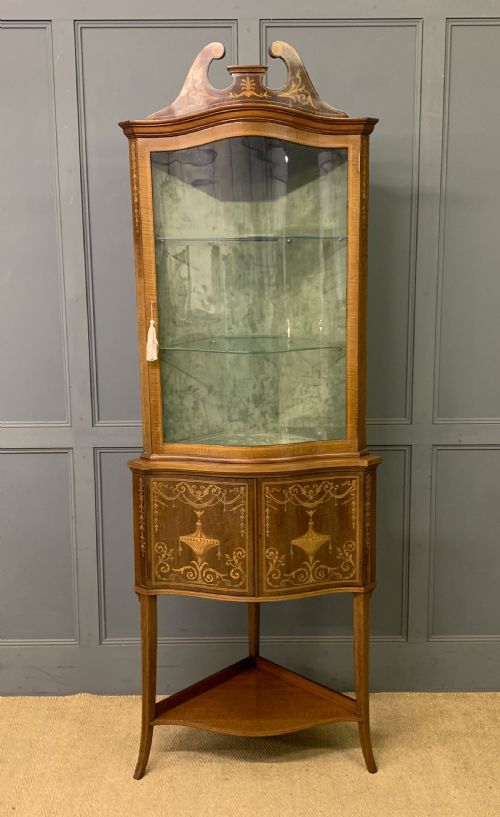
Most examples found here take the form of floor-standing corner cabinets and double-height display units with glazed upper sections. Mahogany forms the backbone of these pieces, frequently enriched with satinwood inlay and marquetry work.
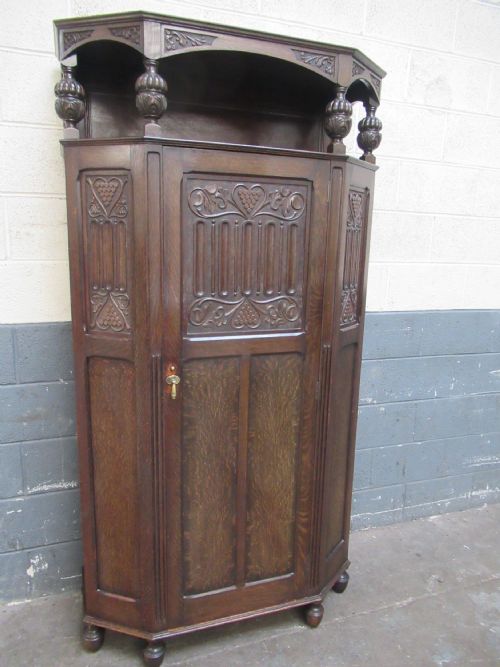
Makers of the period also utilised oak, walnut, and rosewood, producing both single-piece tall cupboards and two-part corner cabinets. Bow front and serpentine shaped profiles appear regularly among the selections, offering softer lines than strict right-angled designs.
Construction materials and techniques
Cabinet makers relied primarily on solid mahogany and oak as structural timbers, applying fine veneers for decorative exterior surfaces. Satinwood inlay and intricate marquetry provide contrasting geometric or floral patterns across door panels and friezes.
Glass panels are fitted into wooden frames for display doors, whilst brass hardware secures the closures and hinges. Secondary woods provide internal shelving and structural support within the two-part standing units.
Listings feature mahogany predominantly, complemented by oak, walnut, and rosewood across Edwardian and Victorian periods.
Judging quality and craftsmanship
Quality rests heavily on the crispness of the inlaid satinwood details and the choice of figured timber veneers. Superior double-height examples show careful grain matching and precise joinery where the upper and lower sections meet.
Heavier marquetry work and serpentine shaped fronts distinguish finer workshop output from standard production pieces. The clarity of the glazed doors and the weight of the brass fittings further separate ordinary items from exceptional ones.
Edwards and Roberts·Walker and Sons
The Edwardian Standing Corner Cupboard Glossary
- Marquetry
- Decorative veneer work forming pictures or patterns using various woods. It appears frequently on cabinet doors from this era.
- Bow front
- A convex, curved front section that projects outward. This shape softens the angular appearance of corner furniture.
- Serpentine
- A curved front line concave in the centre and convex at the ends. It demands high joinery skill to execute properly in a corner unit.
- Glazed door
- A wooden frame fitted with glass panes. This allows contents to be displayed while protected from dust.
- Two-part cabinet
- A piece constructed in separate upper and lower sections stacked together. This facilitated transport and placement in tall rooms.
Edwardian Standing Corner Cupboard: Frequently Asked Questions
How do I clean the glass panels?
Use a soft cloth and mild glass cleaner applied directly to the cloth rather than the wood. This prevents moisture from damaging the surrounding mahogany or satinwood inlay.
Take care around delicate glazing bars and antique putty which can loosen over decades of handling.
Are these pieces stable on uneven floors?
Most standing corner cupboards possess sufficient weight to remain steady against walls, but older floors can cause slight rocking. Small wooden shims hidden beneath the base moulding provide a discreet level fix.
Ensuring the piece sits plumb prevents distortion in the door hinges and keeps glazed panels closing true.
Can I polish the mahogany finish safely?
Apply a traditional beeswax polish sparingly with a soft cloth and buff gently along the grain. Avoid modern silicone sprays which build up and attract dust over time.
Regular light waxing feeds the dry timber and maintains the natural lustre of the Edwardian finish.