


Copper Wash Tub
These copper wash tub examples bring industrial warmth and honest utility into modern rooms as striking planters and log buckets.
What copper wash tub pieces are
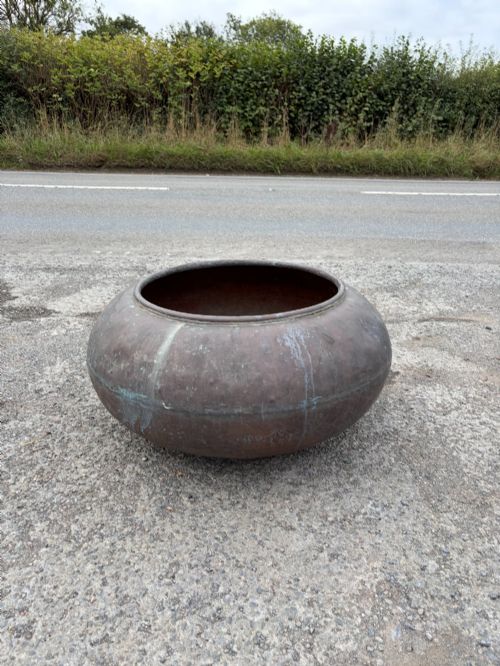
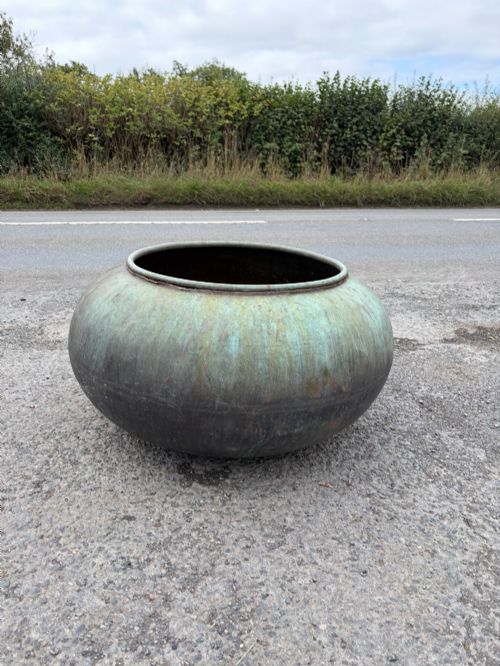
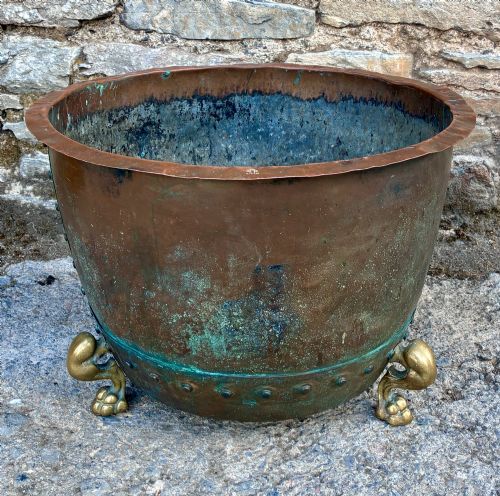
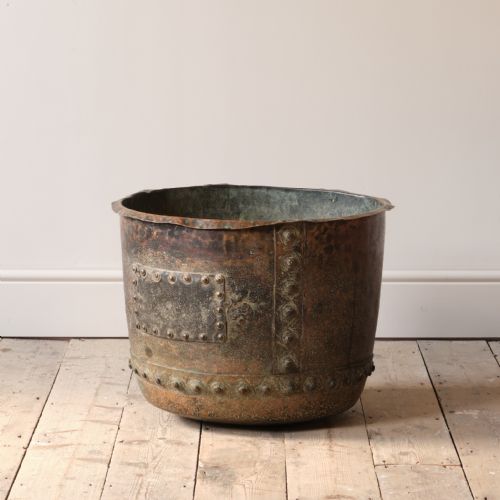
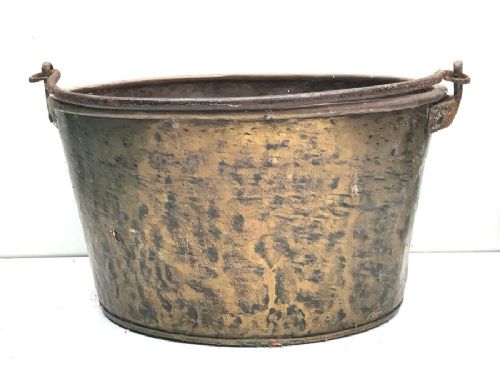
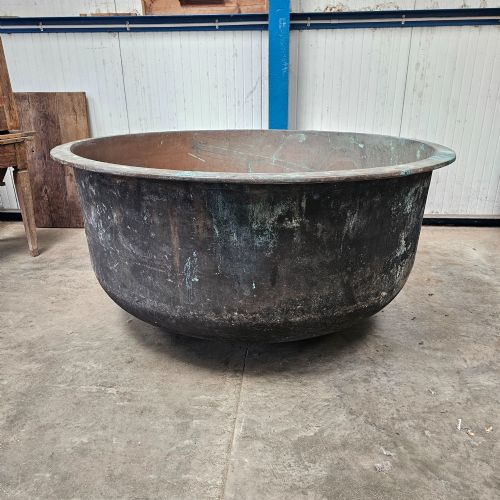
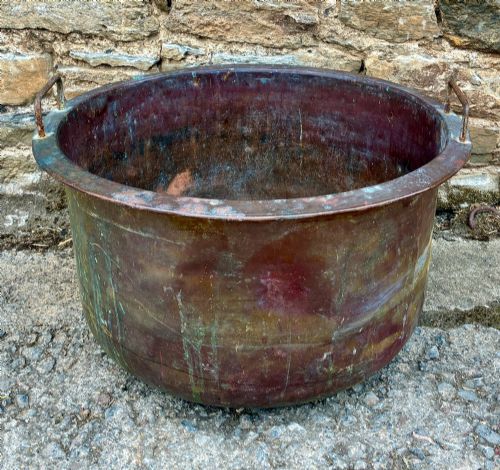
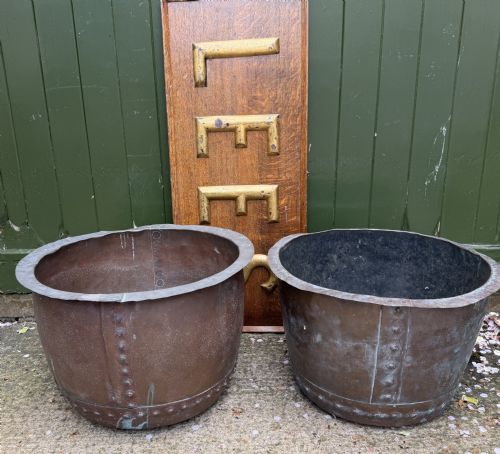
When you search for a copper wash tub, you encounter robust utility vessels repurposed over time for domestic display. The listings show forms ranging from large cooking pots and cream setting pans to paired coppers and riveted boilers.
These pieces primarily date from the nineteenth century, including Georgian and Victorian farmhouse origins. They arrive on the market shaped by practical work, now serving as planters, log bins and decorative bowls.
How they were made
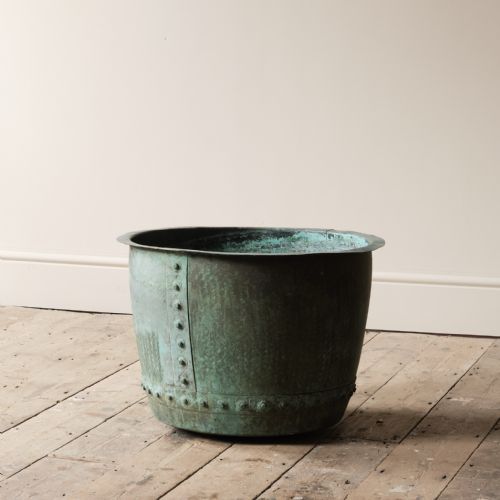
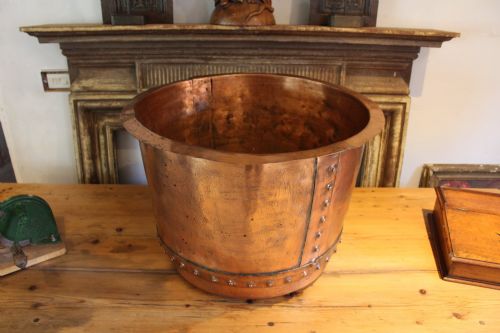
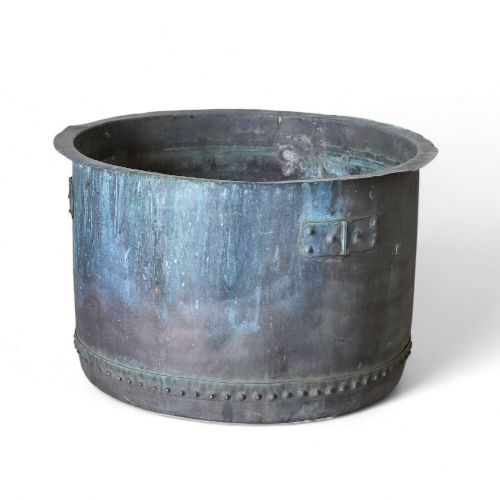
The construction relies on heavy sheet metal shaped by hand, featuring visible riveted seams that join the heavy metal panels together. Iron and brass components often reinforce the rims, handles and structural joints of the vessels.
Makers formed these items using traditional metalworking techniques suited to utilitarian daily work in dairies and sculleries. The survivors retain the physical marks of their original fabrication alongside decades of functional service.
Retail Price Guide 2026
Typical UK retail prices for copper wash tub, calculated from the Sellingantiques database of over a million retail prices indexed since 2003. This retail price guide relies exclusively on Sellingantiques data; no external sources or auction records are used, so the figures do not describe the wider market.
Materials recorded across the inventory include copper combined with iron, brass and wrought metal fittings.
What varies in quality
Quality rests in the integrity of the original construction and the natural ageing of the surface metal. Vessels with intact rivets, stable iron handles and substantial gauge metal stand apart from lighter alternatives.
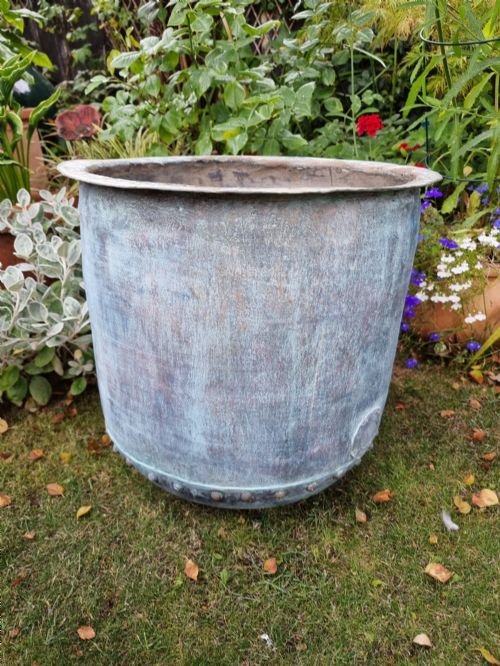
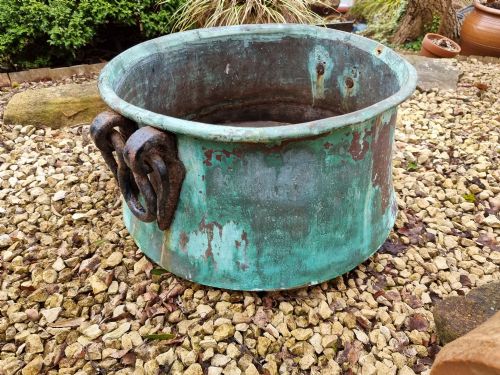
The visual appeal depends heavily on the surface condition, where undisturbed patinas and natural verdigris create depth. The best examples display authentic weathering earned through prolonged use rather than artificial treatment.
The Copper Wash Tub Glossary
- Patina
- The natural surface sheen and coloration developed by metal over decades of exposure and handling. A good patina indicates genuine age and minimal harsh cleaning.
- Verdigris
- The green crust or patina formed on copper by atmospheric oxidation. This surface layer is prized by collectors for its visual character.
- Riveted
- Joined together using metal bolts hammered flat to secure overlapping sheets. This method ensured watertight durability in heavy working vessels.
- Cream Setting Pan
- A wide, shallow vessel historically used in dairies to allow cream to rise to the surface of milk. These pans offer generous proportions suited to modern planting.
Frequently Asked Questions
How do I clean a copper wash tub?
Wash the surface gently with warm soapy water and a soft cloth to remove dust and dirt. Avoid harsh abrasives that strip away the historic patina.
Preserve the natural verdigris and darkened finish rather than polishing the metal to a bright shine. Collectors value the authentic appearance of age.
Can I use these tubs outside?
These vessels suit garden use well, functioning effectively as robust planters for flowers or small trees. Copper withstands outdoor conditions naturally over time.
Ensure adequate drainage if planting directly inside the vessel. Protect the metal from standing in freezing water during harsh winter months.
What were they originally used for?
These large vessels served demanding domestic tasks such as laundering clothes, boiling water and processing dairy products. Heavy duty metal construction handled boiling liquids and daily labour.
Their substantial capacity made them central fixtures in nineteenth century sculleries, dairies and farmhouses. Modern living repurposes these same qualities for storage and display.
How do I date a nineteenth century piece?
Examine the construction methods, noting hand-beaten sheet metal and traditional riveted joinery typical of the period. Georgian and Victorian examples show distinct utilitarian styling.
Compare the wear patterns and handle attachments with documented pieces from the same era. Material composition and surface characteristics also offer clues to age.