

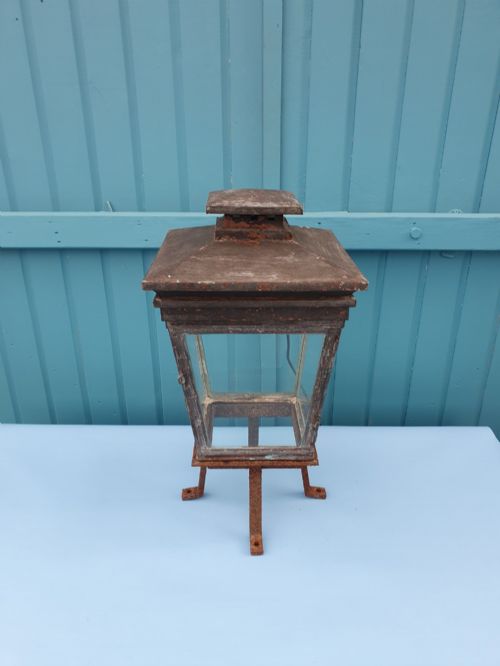


Copper Wall Light
These copper wall light examples bring substantial metalwork and purposeful illumination to period interiors and exterior porches alike.
Copper Wall Light
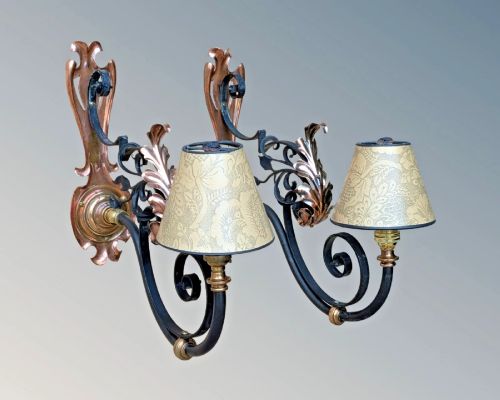
A copper wall light spans substantial exterior street lanterns, coach-house fixtures, and interior Arts and Crafts sconces, drawing on styles from the Victorian era through the 1940s. The selection on this page relies heavily on nineteenth century utilitarian forms, Edwardian porch fittings, and robust industrial designs.
Makers adapted these pieces from original gas and railway applications into wired electrical wall mounts. Buyers frequently encounter paired items designed for symmetrical flanking beside doorways and carriage entrances.
Materials and construction techniques
Construction relies upon hand beaten or chased sheet copper joined with brass fittings, wrought iron support arms, and heavy cast iron elements. Artisans formed structural frames to hold glass panels and protective shades for exterior weather resistance.
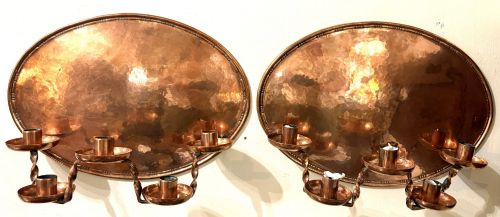
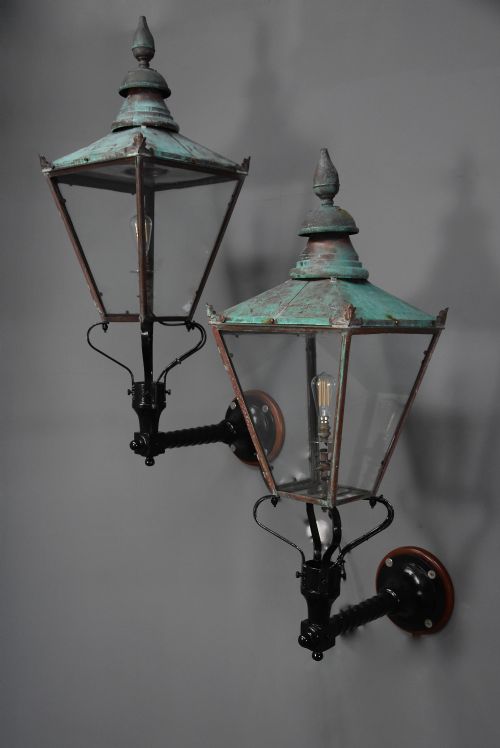
Surface treatments range from bright polished finishes to natural verdigris patination acquired over decades of exposure. Certain examples incorporate hand chased decorative details that reflect Arts and Crafts sensibilities and regional workshop traditions.
Copper Wall Light Retail Price Guide 2026
Typical asking prices for copper wall light among the pieces listed under this phrase on Sellingantiques today, from the lower quarter to the upper quarter. They describe what is for sale here now, not the wider market.
Rail passengers once relied on interior carriage lamps that now illuminate modern hallways as sturdy antique wall lights.
Distinctions in craftsmanship and design
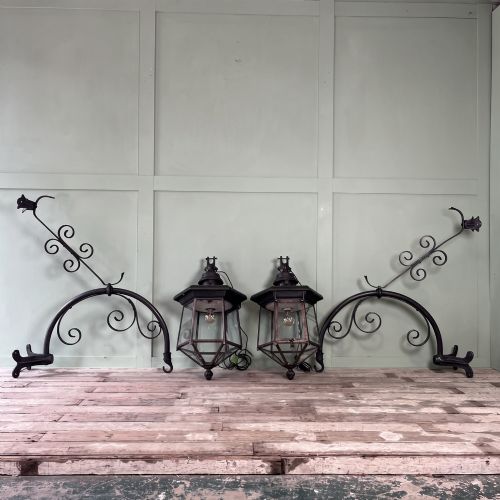
The distinction between standard utility items and exceptional examples lies in the weight of the metal gauge, the depth of hand chasing, and the sophistication of the supporting brackets. Spiral twist ironwork and heavy cast bronze components elevate the architectural presence of a piece.
Proportion and scale dictate the visual impact, particularly with large street lanterns and paired coach-house lights. Original patination and intact structural mounting hardware preserve the integrity of these fixtures.
REVO Leicester·Lobmeyr Vienna
The Copper Wall Light Glossary
- Verdigris patination
- The natural greenish blue crust formed on copper surfaces through long exposure to atmospheric elements. This aged layer is valued for its authentic historic character.
- Hand chased
- Metal decorated by hammering and punching designs from the front surface rather than casting them. This technique defines high quality Arts and Crafts production.
- Coach-house lantern
- A sturdy exterior wall light originally designed to illuminate carriage entrances and stable yards. These pieces typically feature glass panels protected by heavy metal framing.
- Amsterdam School style
- An architectural and decorative movement from the early twentieth century emphasising expressive forms, rounded brickwork, and textured metalwork. It manifests here in sculptural hand worked copper lamp bodies.
Copper Wall Light: Frequently Asked Questions
Can exterior copper wall lights be used outside today?
Many of these pieces originated as exterior coach-house or street lanterns designed to withstand weather exposure.
Buyers should have a qualified electrician inspect the internal wiring and IP ratings to ensure safe modern outdoor installation.
How do I date a copper wall light?
Dating relies on stylistic markers such as Arts and Crafts hand beating, Neo-Classical symmetry, or industrial gas conversion evidence. Construction methods and bracket designs provide further clues to the period of origin.
Comparing the metal gauge and mounting hardware against known nineteenth and early twentieth century examples helps narrow the decade.
Were these lights originally wired for electricity?
A significant portion of these fixtures began as gas or oil burning lamps before later conversion to electric power. Railway carriage lamps and street lanterns were adapted as municipal grids expanded.
Conversion traces inside the burner housing often remain visible on older pieces.
How should I clean aged copper surfaces?
Preserving the historic patina is generally recommended over aggressive polishing that removes the character of the metal. Dusting with a soft dry cloth maintains the surface without disturbing natural oxidation.
Harsh chemical cleaners will strip away the desirable verdigris and aged tones accumulated over the decades.