


Copper Tea Pot
These copper tea pot examples range from Georgian and Victorian designs to Tibetan traditional pieces, offering solid metal craftsmanship for daily use or display.
Copper Tea Pot
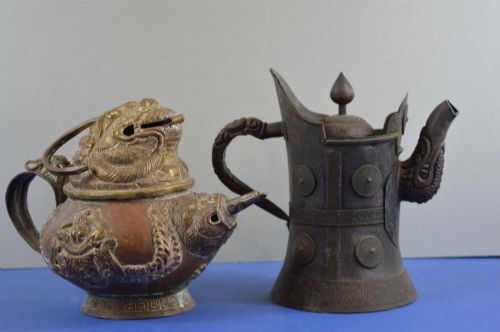
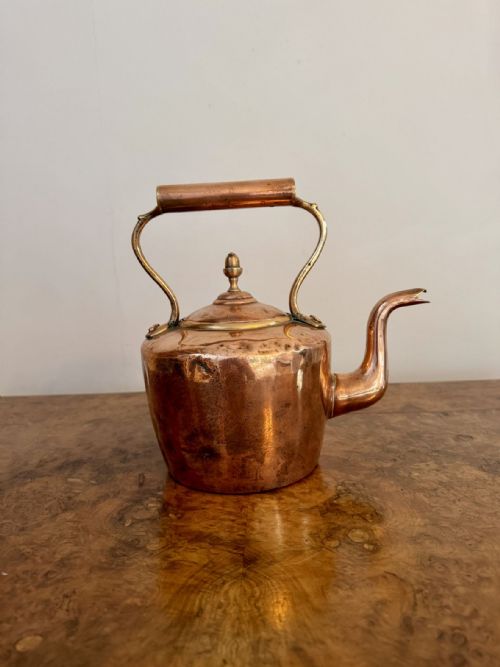
A copper tea pot brings warm metallic tones and historical utility into a room, spanning periods from George III through the Victorian era. When searching for a copper tea pot, buyers frequently encounter George III pieces alongside Victorian examples and Tibetan ceremonial designs.
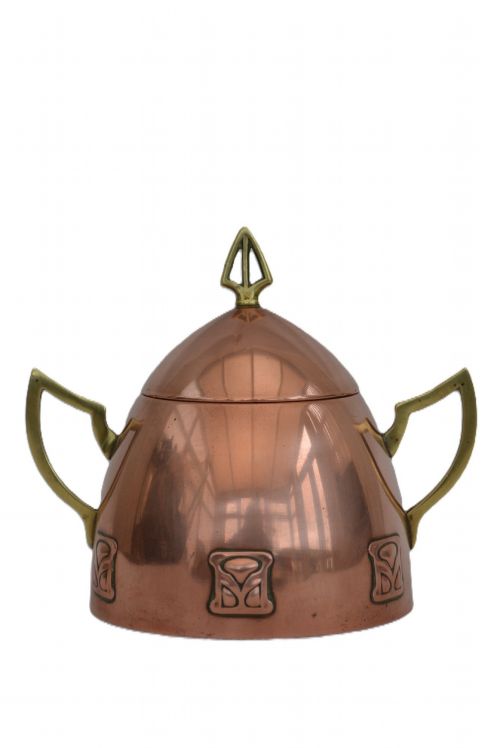
The selection includes Kettles, tea kettles, spirit kettles, ewers, and sugar bowls manufactured across the nineteenth century. Most items originate from British workshops, though Indian and Tibetan pieces also appear in the historical record.
Materials and construction methods
Makers utilised copper as the primary body material, frequently combining it with brass for handles, spouts, and decorative trim. Wood often appears on handles to provide insulation against heat during use.
Techniques range from smooth polished sheet construction to beaten and chased surface work seen in traditional eastern pieces. Riveted and soldered joints secure spouts and handles to the main vessel bodies.
Object forms include tea kettles, ewers, spirit kettles, and sugar bowls.
Assessing quality and craftsmanship
Superior vessels display careful weight distribution and clean lines, particularly evident in oval-shaped George III models. Heavier gauge metal and precise hand-finished joints separate finer examples from standard utility wares.
The integration of brass fittings and wooden handle elements contributes to the overall coherence of the design. Condition and original surface polish influence how clearly the original maker's intentions remain visible.
William Soutter & Sons·WMF
The Copper Tea Pot Glossary
- George III
- A period spanning 1760 to 1820 characterised by restrained classical proportions in metalware. Pieces from this era often feature simple oval or rounded bodies.
- Victorian
- Spanning the reign of Queen Victoria from 1837 to 1901, this period produced diverse domestic metalware. Designs range from utilitarian kitchen vessels to ornate decorative items.
- Spirit kettle
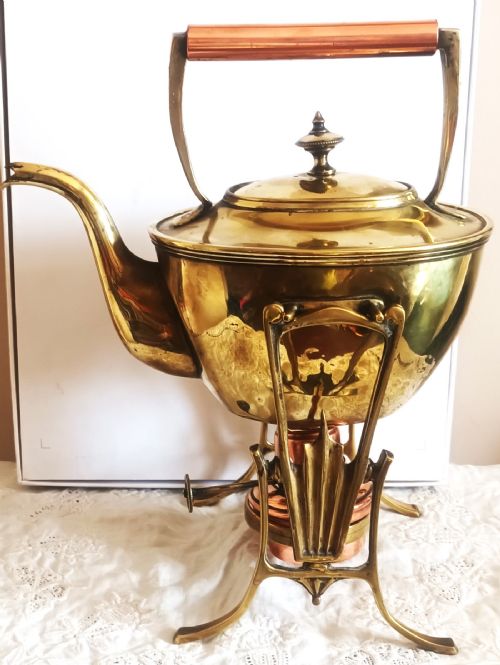
- A heating vessel mounted on a stand above a small burner fueled by spirit or alcohol. This setup allowed water to remain hot at the tea table.
- Ewer
- A large jug with a flared spout, traditionally used for holding and pouring water. Ceremonial versions employ traditional decorative motifs distinct from standard kitchen wares.
- Chased
- A technique where metal is worked from the front with hammers and punches to sink the design. This creates raised surface patterns without removing material.
Copper Tea Pot: Frequently Asked Questions
How do I date a copper kettle?
Dating relies on stylistic markers such as shape, handle construction, and mounting methods. George III pieces often feature distinct oval proportions, while Victorian examples show heavier proportions.
Maker marks and construction seams also offer clues to the manufacturing decade. Comparing pieces against documented examples helps confirm the period of origin.
Can I use an antique kettle for boiling water?
Many antique kettles were designed for actual hearth or stove use, constructed from heavy gauge copper and brass. However, modern heating elements may damage fragile historic interiors or soldered joints.
It is advisable to inspect the interior lining and overall structural integrity before attempting to heat water. Many collectors prefer to display these items rather than use them daily.
What is the difference between a spirit kettle and a tea pot?
A spirit kettle includes a dedicated metal stand and a burner designed to keep water hot during tea service. Standard tea pots hold brewed tea and do not sit over a direct flame.
Spirit kettles are generally larger and heavier due to the attached framework. They served a central role in formal nineteenth-century tea rituals.
How should I clean copper and brass?
Gentle cleaning removes active oxidation while preserving the underlying metal surface. Harsh abrasives can scratch the softer copper and remove historical patina.
Many owners use specialised metal cleaners applied with soft cloths. Regular dusting and dry wiping help maintain the finish between deeper cleanings.