




Copper Snuff Box
A copper snuff box brings tactile pocket history to your palm, offering miniature artistry in enamel and engraved metal from centuries past.
Copper Snuff Box
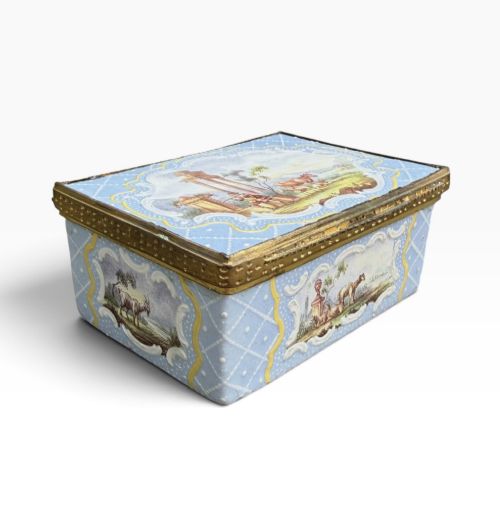
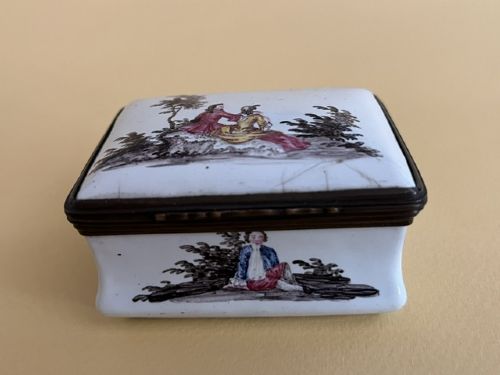
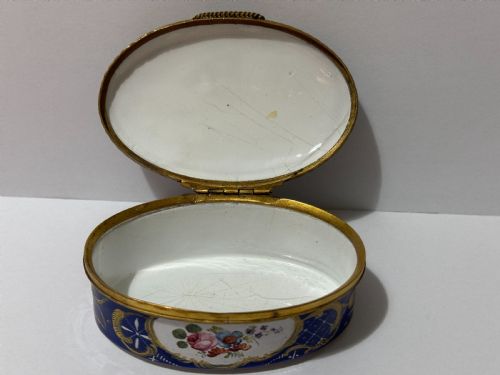
A copper snuff box is a small pocket container used historically for holding ground tobacco, alongside related forms like patch boxes, trinket boxes, and tobacco boxes. Buyers searching for a copper snuff box encounter pocket vessels shaped in rectangles and ovals, often featuring hinged lids.
The version most commonly met on this page is the 18th-century enamel box originating from Bilston or South Staffordshire, alongside continental examples from Germany and Dutch regions. These pieces span the Georgian and Victorian periods, with occasional novelty forms such as beetles, ladybirds, bellows, and spaniels.
Origins stretch from English workshops to Qing Dynasty China and European centres, employing materials that combine copper with brass, gilt metal, and vitreous enamel. Objects range from utilitarian tobacco tins engraved with historical scenes to delicate patch boxes painted with pastoral musicians.
How they were made
Materials combine copper bases with vitreous enamel, brass, and gilded metal to form the body and lid of each box. Artisans fused powdered glass onto copper surfaces through high-temperature firing, creating smooth enamel grounds ready for detailed hand-painting.
Metalworking techniques involve sheet copper fabrication, engraving, and rose engine turning to texture the exterior surfaces. Many boxes utilise hinged brass mounts and gilt frames to secure the enamel plaques and lids.
What varies in quality
Quality varies through the crispness of the hand-painting, the intricacy of engraved motifs like swans or historical battles, and the precision of the copper and brass construction. Pieces depicting detailed scenes such as musicians in parkland or specific locations demonstrate superior artistic execution.
The preservation of the vitreous enamel surface and the original gilding distinguishes finer specimens. Boxes retaining crisp structural joins and unblemished enamel represent the upper echelon of surviving metalware.
The Copper Snuff Box Glossary
- Bilston enamel
- Enamelled copperware produced in the Staffordshire town of Bilston during the eighteenth century. These items often served as pocket containers for patches or snuff.
- Patch box
- A small container originally used to hold cosmetic fabric patches worn on the face. They frequently feature mirror-fitted interiors and enamelled lids.
- Vitreous enamel
- Glass fused to a metal substrate through firing at high temperatures. This technique provided a durable and glossy decorated surface for pocket boxes.
- Tobacco box
- A larger container designed to hold loose tobacco leaf rather than ground snuff. They are often constructed from heavy copper or brass with engraved commemorative decoration.
- Rose engine turning
- A form of ornamental lathe work producing intricate geometric patterns on metal or horn. This technique created textured surfaces on high-status pocket containers.
Copper Snuff Box: Frequently Asked Questions
How were copper snuff boxes used?
Owners carried these small boxes in pockets or waistcoats for social consumption of snuff during the Georgian and Victorian eras. A pinch of powder was taken from the box and inhaled.
They also functioned as containers for small personal items, beauty patches, or keepsakes, reflecting the refined habits of their owners.
How do I tell an 18th-century box apart?
Eighteenth-century boxes often feature vitreous enamel panels painted with pastoral scenes or portraits, mounted in copper frames. Makers in Staffordshire and Bilston produced distinctive oval and rectangular forms during this era.
Continental examples from Germany and Dutch workshops tend to utilise heavier engraved sheet brass and copper with historical inscriptions or battle commemorations.
How should I care for an antique box?
Keep these delicate objects away from moisture and direct sunlight to protect the fragile enamel surfaces and gilt mounts. Handle them gently by the body rather than stressing the historical hinges.
Cleaning should be limited to dusting with a soft, dry cloth to preserve the aged patina of the copper and brass.