



Copper Sculpture Figure
These copper sculpture figure pieces span diverse global traditions, offering tactile metal forms that bring historic character and ritual presence into any room.
Copper Sculpture Figure
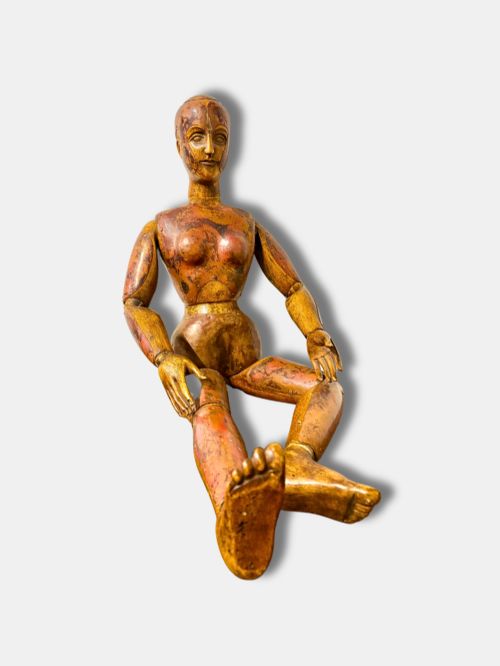
When you search for copper sculpture figure, you encounter an eclectic gathering of metalwork, religious deities, and carved wooden guardians that span several centuries. The selection ranges from nineteenth-century European artist mannequins and weathervanes to Himalayan shrine statues and ancient Southeast Asian metal alloys.
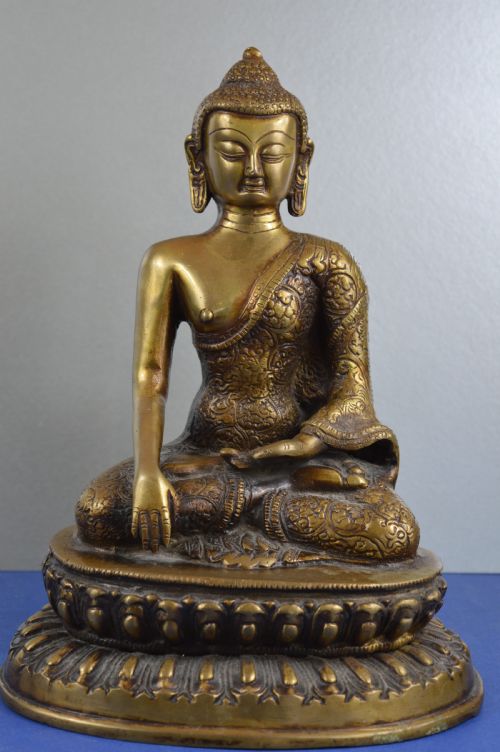
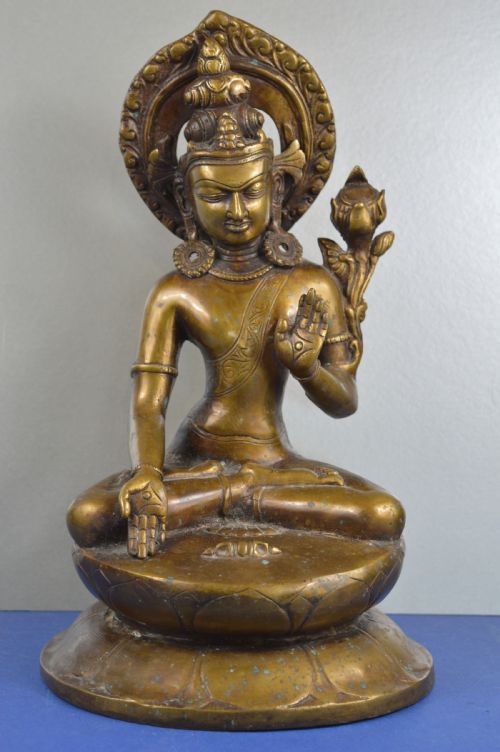
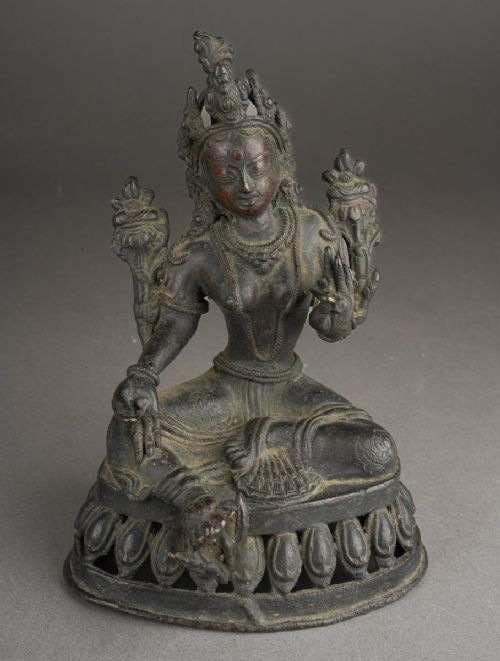
Religious figures from Tibetan, Nepalese, and Javanese traditions frequently appear alongside secular items like French articulated lay figures and twentieth-century outsider art. These works vary greatly in scale, from intimate fourteen-centimetre household shrines to substantial four-kilogram Buddhist statues.
The materials extend beyond pure copper to include bronze, copper alloy, brass, iron, and earthenware. This diversity reflects global artistic expressions where metal cladding, lustrous glazes, and repoussé relief work define the sculptural form.
Materials and construction
The pieces rely heavily on cast metals, notably copper alloys and bronze, shaped through traditional foundry methods across Asian and European workshops. Hammered sheet metal, copper cladding over wooden cores, and detailed repoussé relief techniques create the physical structure of many figures.
Surface treatments introduce contrasting textures through bronzed finishes, cloisonné enamel work, and copper lustre glazes on earthenware. Wood and iron occasionally support articulated joints in European lay figures or form the core of African tribal guardian figures.
Copper Sculpture Figure Retail Price Guide 2026
Typical asking prices for copper sculpture figure among the pieces listed under this phrase on Sellingantiques today, from the lower quarter to the upper quarter. They describe what is for sale here now, not the wider market.
Materials span copper, bronze, copper alloy, iron, brass, wood, and earthenware.
Assessing quality in metal and mixed media figures
In composite pieces, such as copper-clad wooden mannequins or reliquary guardians, the integrity of the underlying structure and the seamless integration of the metal skin determine the standard of craftsmanship.
The Copper Sculpture Figure Glossary
- Repoussé
- A metalworking technique where a design is hammered into relief from the reverse side. This method allows artisans to create detailed sculptural panels and decorative wall reliefs from sheet copper or bronze.
- Copper alloy
- A broad metallurgical term encompassing brass and bronze mixtures containing copper combined with zinc, tin, or other metals. These durable alloys provided the primary substance for Asian shrine statues.
- Lay figure
- An articulated wooden mannequin used by artists to study drapery and human anatomy. French examples from nineteen hundred often feature copper cladding and operational joints.
- Cloisonné
- An enamelwork technique where metal wires form small compartments on a surface to hold coloured glass pastes. This decorative method appears on twentieth-century Chinese animal figures.
- Reliquary guardian
- A carved wooden or metal figure placed to watch over sacred ancestral bones. African tribal examples utilise contrasting materials to impart symbolic protection.
Copper Sculpture Figure: Frequently Asked Questions
How do I care for antique copper figures?
Keep metal figures in stable indoor environments away from excessive moisture and direct sunlight to protect the natural patination. Dust gently with a soft, dry cloth rather than applying commercial metal polishes.
Harsh chemical cleaners strip away historic surface layers and diminish the visual depth built up over centuries of handling and exposure.
Are these Buddhist statues suitable for home shrines?
Many of these pieces originated as personal devotional objects for Himalayan or Southeast Asian shrines. Their traditional iconography and meditative presence adapt naturally to quiet spaces within a modern interior.
Placing them at eye level or on dedicated display surfaces respects their sculptural form and historical function as focal points for contemplation.
What is an artist mannequin?
Artist mannequins, or lay figures, are jointed wooden models designed to help painters and sculptors render clothing and the human form accurately. French examples from the early twentieth century often combined carved wooden frames with metal cladding.
Collectors prize these articulated figures for their mechanical ingenuity and sculptural aesthetic in studio settings.