






Vintage Mannequin Model
A vintage mannequin model brings sculptural presence to a room, offering an intriguing study in form and historical display.
Vintage Mannequin Model
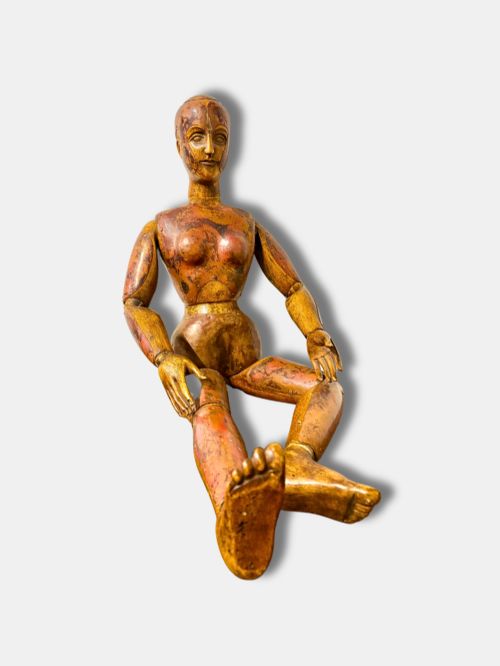
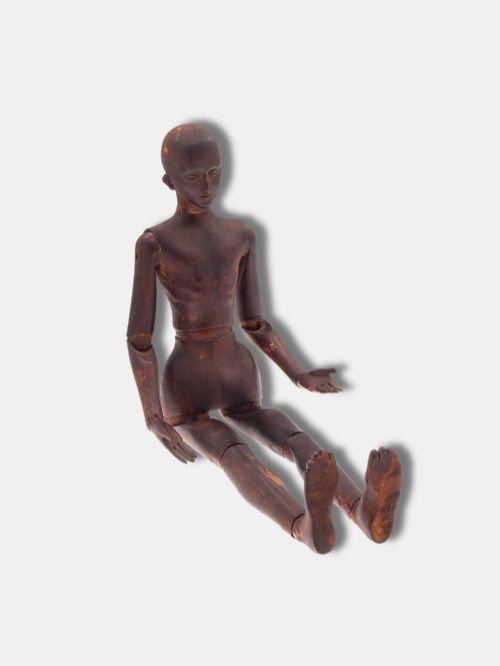
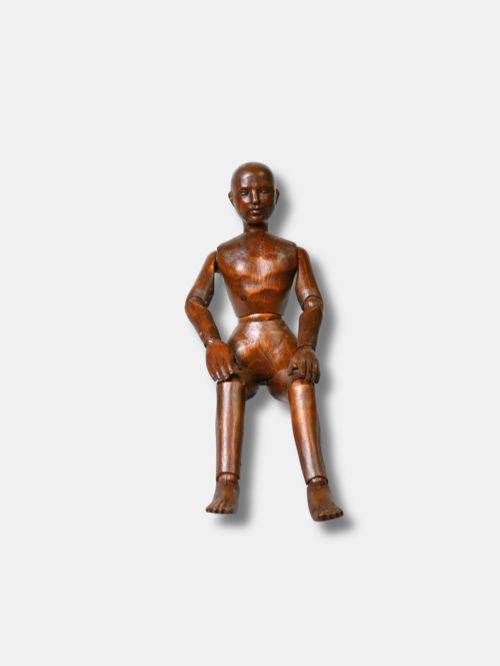
A vintage mannequin model encompasses functional display items and studio tools, ranging from artist lay figures to shop display models. The pieces on this page span the nineteenth and early twentieth centuries, featuring origins in France, England, and Germany.
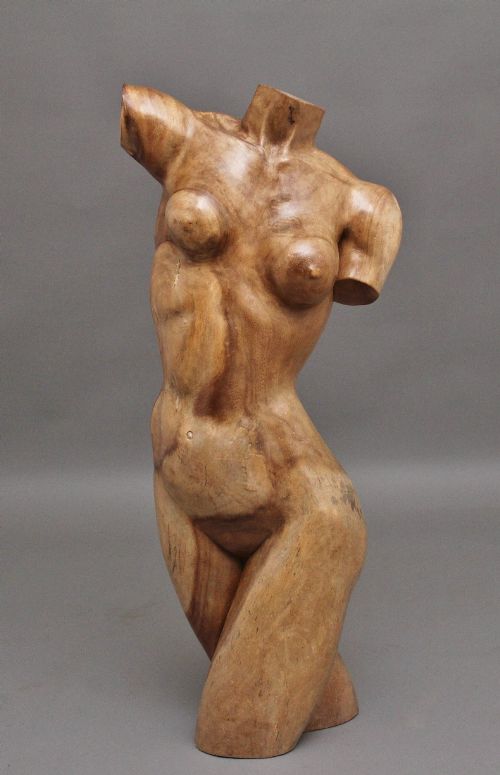
Buyers encounter diverse forms including carved wood artist mannequins, life-size female torsos, anatomical models, and advertising display figures. French pieces from the Victorian and Art Nouveau periods frequently appear alongside mid-century commercial objects.
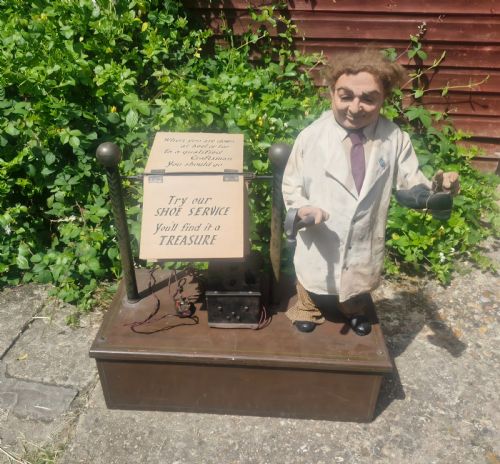
Studio tools like artist lay figures share space with retail figures such as cobblers shop display models and ladies advertising mannequins. Each type reflects the specific practical demands of its original workshop or storefront setting.
How they were made
Construction relies heavily on carved wood, composition, and composite materials, shaped to create articulated limbs and realistic torsos. Metal components often form the internal joints that allow figures to hold specific poses.
Surfaces frequently show layers of paint, fabric covering, or specialised cladding such as copper. These finishes protect the underlying material while defining the visual character of the object.
Articulated models incorporate movable joints carved or turned from wood, requiring precise engineering to maintain balance and flexibility. Composition figures utilise moulded mixtures pressed over armatures to achieve detailed anatomical forms.
Vintage Mannequin Model Retail Price Guide 2026
Typical asking prices for vintage mannequin model among the pieces listed under this phrase on Sellingantiques today, from the lower quarter to the upper quarter. They describe what is for sale here now, not the wider market.
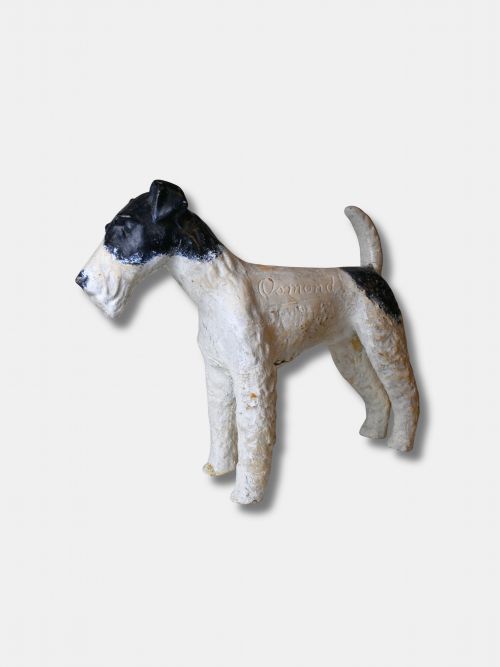
One remarkably stern fox terrier advertising figure once convinced a passerby to check their shoelaces.
What varies in quality
The sophistication of articulation distinguishes basic display pieces from complex artist lay figures, with intricate wooden joints commanding greater attention. Carving depth and anatomical accuracy set the finest studio models apart from standard commercial items.
Surface preservation plays a significant role in defining the character of each piece, whether through original paint or patinated copper cladding. The integrity of composition materials and fabric coverings indicates how well a model survived its working life.
The Vintage Mannequin Model Glossary
- Lay figure
- An articulated wooden model used by artists to arrange garments and study drapery. These figures feature movable joints mimicking human movement.
- Articulated
- Jointed to allow flexible movement and positioning. This property permits the limbs to be posed in various realistic stances.
- Anatomical torso
- A model representing the central part of the human body, utilised for study or demonstration. These objects often highlight muscular or skeletal structures.
- Advertising display figure
- A model created for commercial promotion in shop windows or interiors. They range from human figures to animal forms used as signs.
Vintage Mannequin Model: Frequently Asked Questions
What is an artist lay figure?
An artist lay figure is a jointed wooden model used by painters and sculptors to study drapery and human form. They allow creators to test lighting and positioning without a human model.
These pieces feature articulated limbs that bend at the joints. They served as essential studio equipment throughout the nineteenth and early twentieth centuries.
How were shop display models used?
Shop display models stood in retail windows and interiors to showcase clothing, hats, or footwear. They attracted customer attention and demonstrated how products fit the human form.
Commercial figures included female torsos, ladies advertising mannequins, and specialised items like cobblers shop displays. Their materials needed to withstand regular handling in busy retail environments.
How do I style a mannequin in a home?
A vintage mannequin model serves as a strong sculptural focal point in domestic interiors. Placed in a corner or hallway, it introduces texture and historical character to a room.
These pieces integrate well into studies, dressing rooms, or living spaces alongside art and textiles. Their neutral wooden or painted surfaces complement various interior styles from traditional to modern.
How can I tell the age of a mannequin?
Dating relies on materials, construction methods, and stylistic cues associated with specific periods like the Victorian era or Art Nouveau. Wooden articulation styles and composition recipes evolved over time.
Listing details often reference specific decades or manufacturing origins such as French or English workshops. Examining the joints and surface finishes provides further context regarding the date of creation.