
Copper Planter Tub
These copper planter tub items bring warmth and heavy utility into the room, built for holding plants, wood or water.
Copper Planter Tub
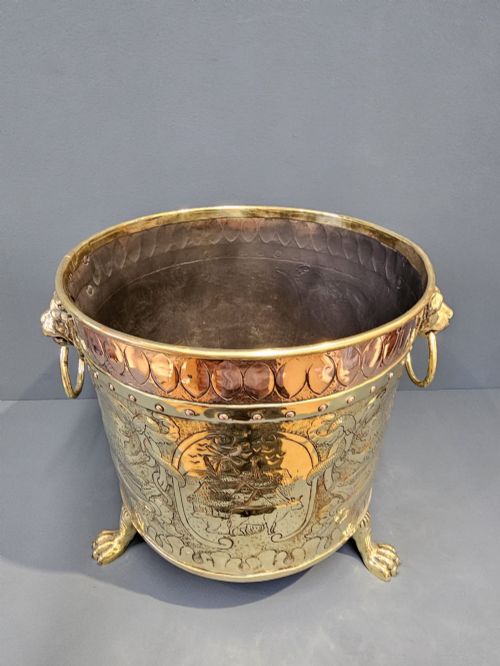
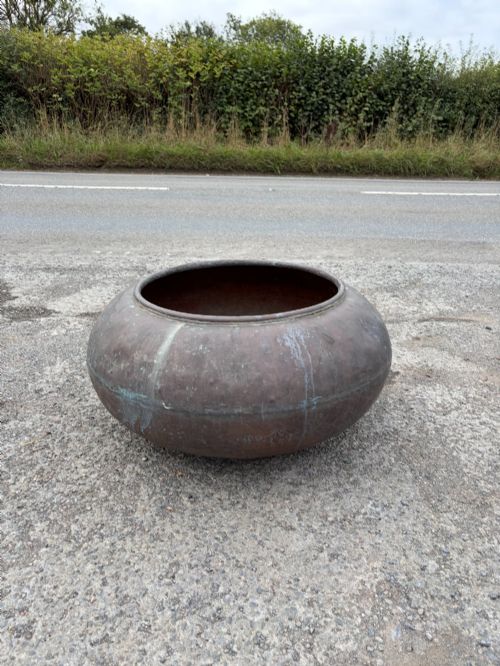
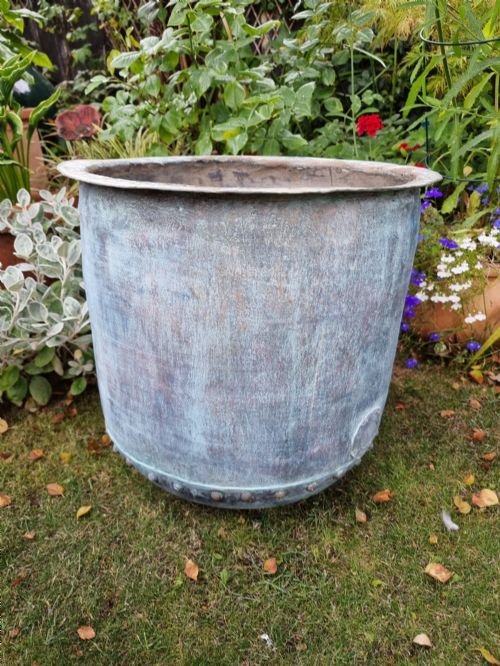
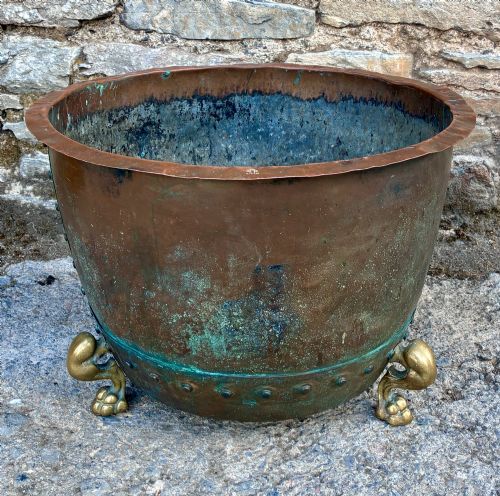
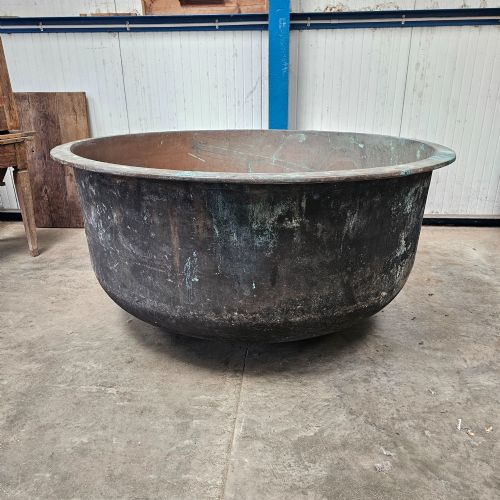
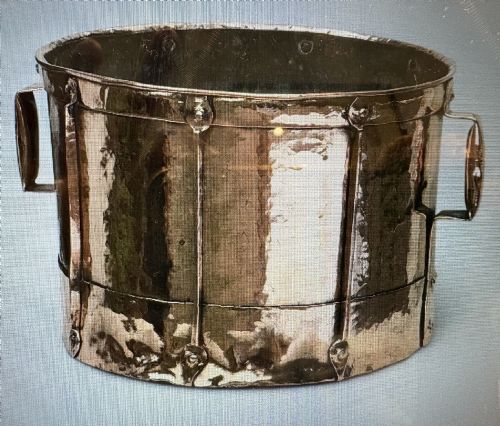
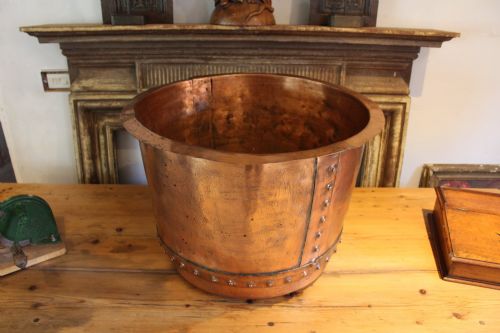
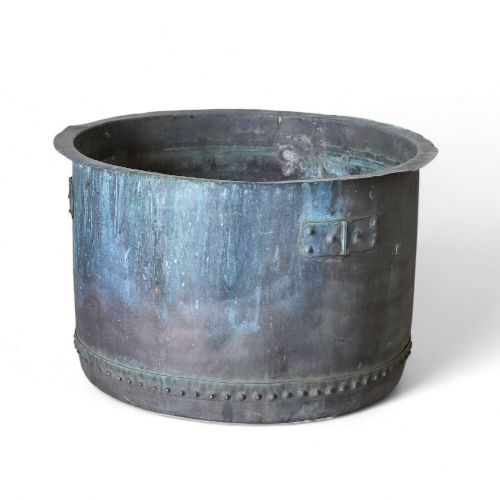
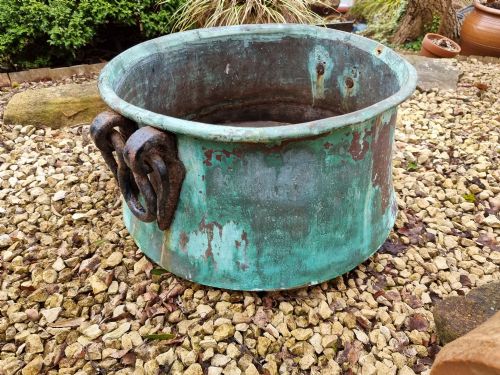
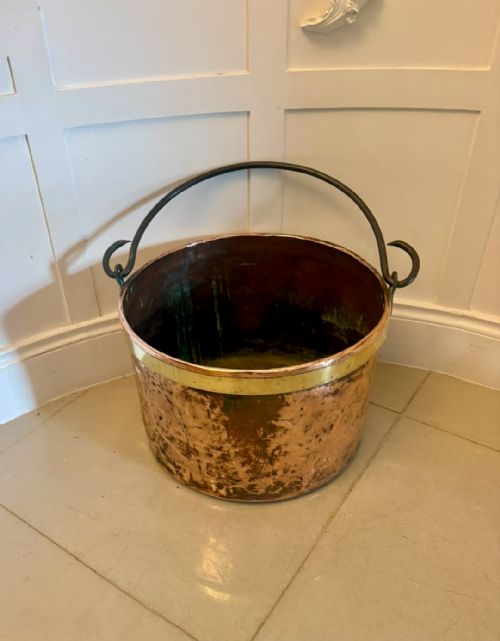
A copper planter tub takes many forms across the evidence, appearing as log bins, coal buckets, garden display pots, dairy pans and cauldrons from the eighteenth and nineteenth centuries. Buyers look for these vessels to hold substantial plants, logs by the fireplace or simply to display rich metallic surfaces in a room.
The pieces on this page span Georgian and Victorian periods, including French country items such as grain measures, cheese vats and ferrats alongside English wash tubs and boilers. Domestic and agricultural utility shapes dominate the selection, adapted over time from utilitarian service into decorative containers.
Materials and Construction
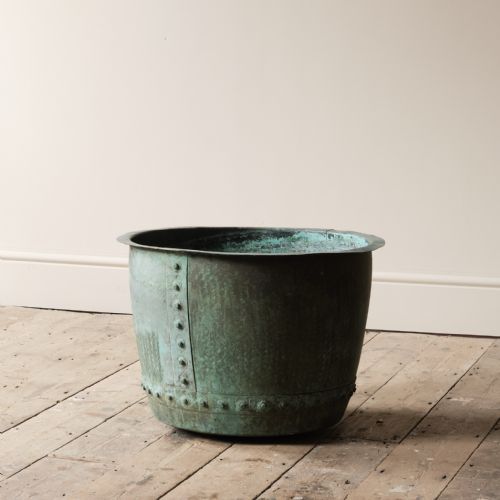
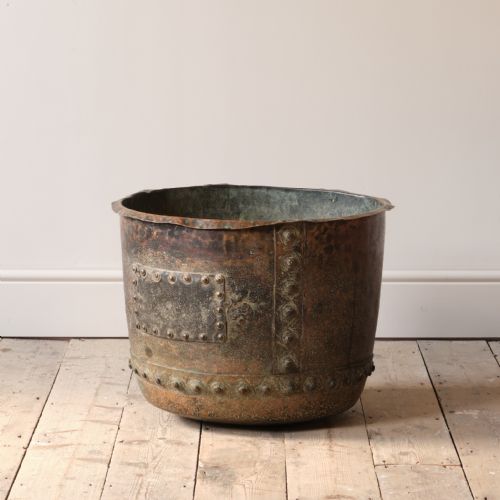
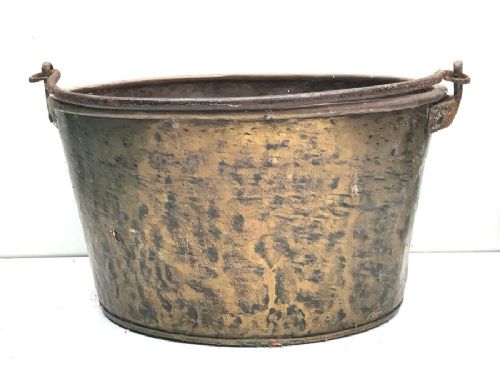
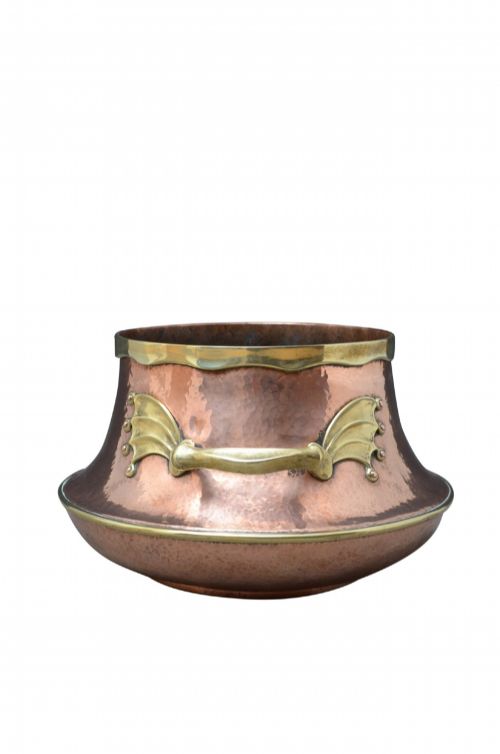
Metalworking relies heavily on hand-beating, riveting and hammering sheet copper into deep vessels, often joined with brass bands, iron handles or wrought iron swing bails. Rivets secure overlapping seams along the body, showing the hand of the maker in each practical joint.
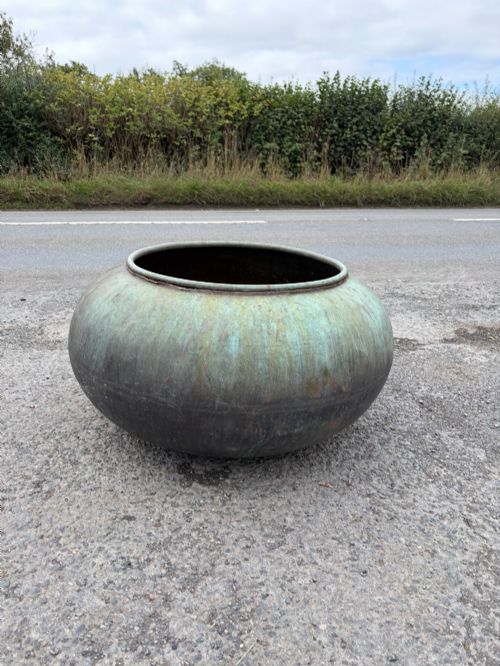
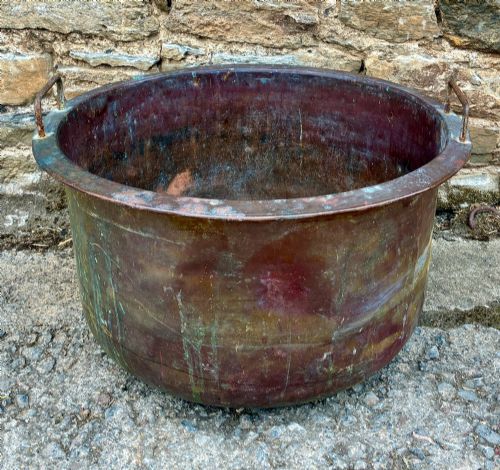
Surfaces display natural ageing processes, including rich patinas, verdigris finishes and weathered textures accumulated over decades of use in kitchens, dairies and gardens.
At least one heavy grain measure likely spent its youth covered in grain dust before becoming someone's fireside log store.
Assessing Quality
Quality rests in the weight of the metal and the integrity of the hand-riveted seams rather than ornamental excess. Heavy-gauge copper retains its structural strength better through centuries of heavy lifting and damp contents.
Proportion and surface honesty separate standard utilitarian vessels from finer examples. Pieces retaining original iron swing handles, brass trim and deep, undisturbed patinas hold greater visual presence.
The Copper Planter Tub Glossary
- Patina
- The surface oxidation and mellowing that develops on copper over decades through exposure to air and handling. It gives the metal its characteristic depth of colour.
- Verdigris
- The green crust or patina formed naturally on copper and brass by atmospheric oxidation. This surface layer indicates considerable age and exposure to the elements.
- Ferrat
- A traditional French agricultural measure or vessel, usually made of riveted copper with iron bands. These deep tubs were originally utilised for gathering crops or processing farm produce.
- Jardiniere
- An ornamental pot or stand for holding flowers and plants, typically ceramic or metal. In copper, these often feature decorative brass mounts or hammered detailing.
- Cauldron
- A large metal pot with a wide top and often a swing handle, designed for heating liquids over a fire. Heavy iron bails allow the vessel to hang securely.
Copper Planter Tub: Frequently Asked Questions
What were copper planter tubs originally used for?
Many of these vessels started life as wash tubs, dairy cream pans, cheese vats or grain measures before finding a second life as planters and log bins. Their robust construction made them suitable for heavy domestic and agricultural tasks.
Over time, heavy metal pots moved from working sculleries and farms into firesides and gardens to hold fuel and large greenery.
How do I clean a copper planter tub?
Most collectors prefer to leave the natural dark patina and verdigris intact because it shows the age and history of the metal. Aggressive polishing removes this character.
Gentle washing with warm soapy water removes surface dust without stripping away the weathered surface that defines antique copper.
Can I use these tubs outside in the garden?
Copper handles outdoor weather very well because the metal resists deep rust, though it will continue to weather and develop further verdigris. Placing them on stable ground prevents tipping when filled with soil and plants.
Ensuring proper drainage protects the base from standing water during freezing winter months.
How do I date a nineteenth century copper tub?
Dating relies on construction methods, such as hand-beaten panels and hand-driven copper rivets typical of the eighteen-hundreds. Machine-rolled sheets and uniform factory stamps point towards later production.
Stylistic cues like Georgian bracket feet or Victorian brass bands help narrow down the decade of manufacture.