
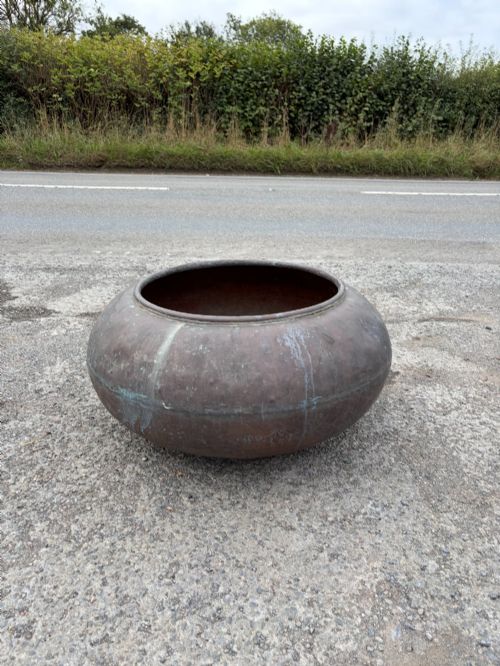
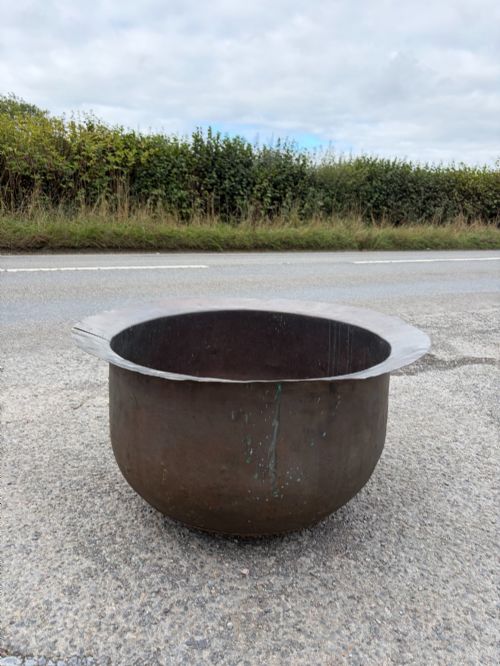
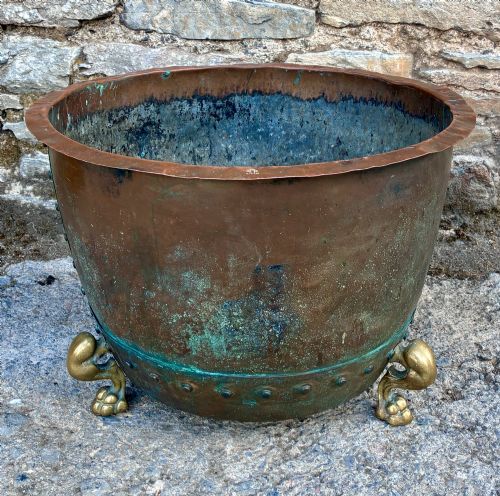
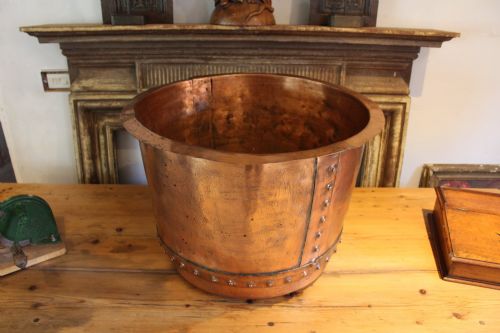


Copper Fireplace Pot
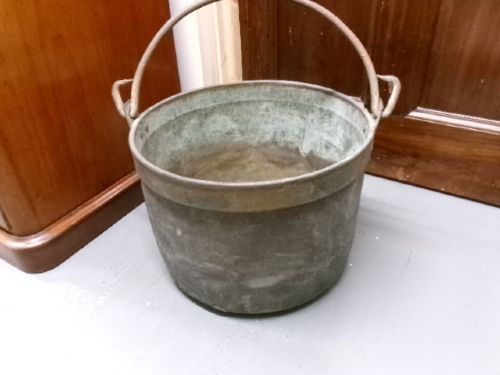
These copper fireplace pot items bring warmth to a hearth, offering a practical vessel for fuel or an accent beside the grate.
Copper Fireplace Pot
A copper fireplace pot serves as a durable receptacle for fuel, ash, or decorative planting near the hearth. The pieces found here span the nineteenth century, including George III examples and later Victorian designs.
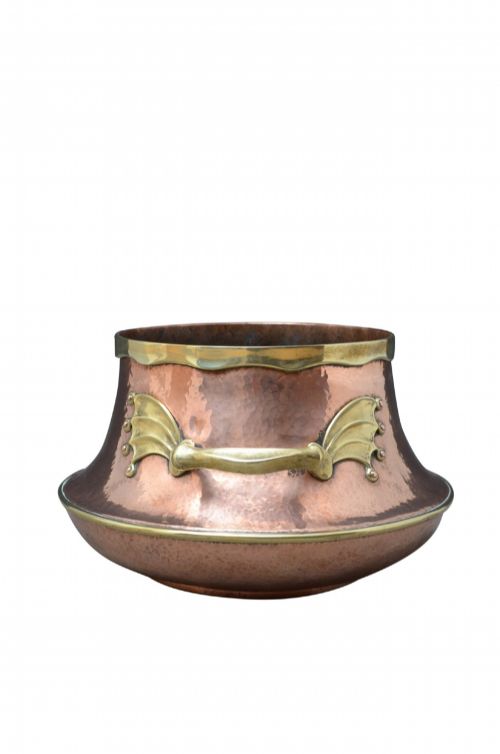
Makers shaped these vessels in styles ranging from Georgian and Victorian to Arts and Crafts and Art Deco. Buyers will encounter both simple utilitarian buckets and embellished cauldrons with brass fittings.
How they were made
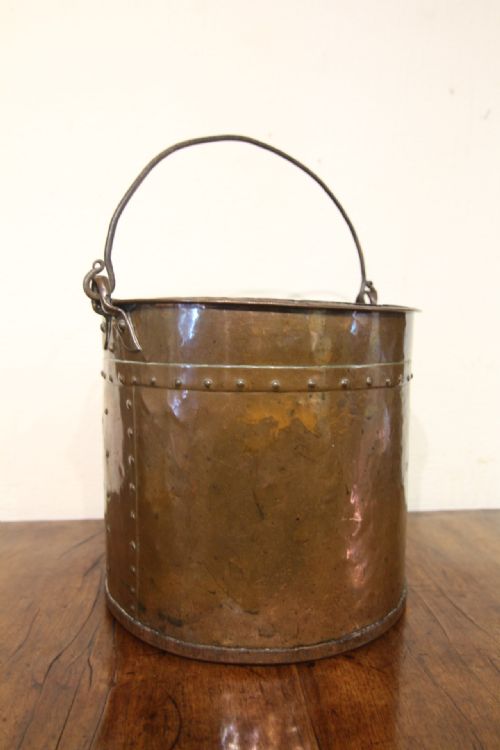
Artisans hammered and riveted sheets of copper together to form sturdy bodies that could withstand daily fireside service. Many pieces incorporate wrought iron handles and brass swing mounts for lifting heavy loads of fuel.
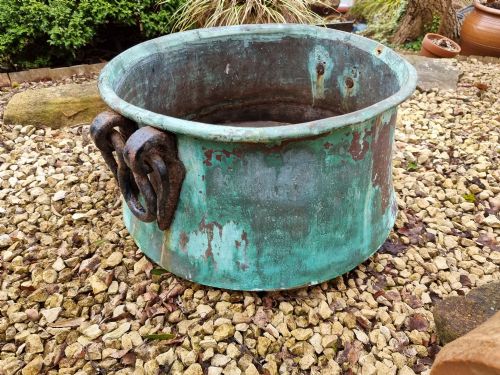
Surfaces often display hand-beating marks or smooth finishes, sometimes complemented by a natural verdigris patination. The combination of copper, brass, and iron reflects traditional metalworking techniques of the nineteenth century.
Listings span the nineteenth century, featuring copper, brass, and wrought iron materials shaped into log bins, kettles, and cauldrons.
What varies in quality
Quality rests on the weight of the metal gauge and the integrity of the riveted seams. Thicker copper walls and secure iron attachments indicate a vessel built for enduring utility rather than mere ornament.
Distinction also lies in the crispness of hand-hammered detailing and the harmony of mixed metals like brass handles or iron mounts. Pieces with honest patination and intact structural joints stand apart from lesser items.
The Copper Fireplace Pot Glossary
- Verdigris
- A green patina formed naturally on copper through atmospheric exposure over many decades. This layer protects the underlying metal and signals considerable age.
- Cauldron
- A large round metal pot with a wide opening and a swing handle, traditionally used over an open fire. These heavy vessels often double as log bins or planters.
- Dinanderie
- European brass and copper hollowware, named after the town of Dinant. Art Deco examples utilise this metalwork tradition for decorative planters.
- Swing handle
- A movable bail handle attached to opposite sides of a pot via fixed mounts. This allows the vessel to be tipped or carried easily.
- Riveted
- Joined together using metal bolts hammered flat to secure overlapping sheets. This technique provides durable construction for heavy copper buckets and boilers.
Copper Fireplace Pot: Frequently Asked Questions
What were copper fireplace pots used for?
These vessels served primarily to hold coal or logs close to the hearth for domestic fires. They also functioned as boiling pots or kettles for heating water.
Over time, many of these metal containers transitioned from active fireside duties to decorative plant holders and garden jardinieres.
How do I clean a copper pot?
Maintenance depends entirely on whether you prefer a bright polished shine or an aged dark patina. Most owners gently wash the surface with warm soapy water and dry it thoroughly.
Avoid harsh abrasives that strip away historical character and the natural verdigris accumulated over centuries of use.
Can I use an antique pot outdoors?
Many of these vessels double as garden planters and tolerate outdoor conditions quite well. Copper and brass withstand weathering by developing a protective verdigris coating.
Ensure iron handles or iron bases have adequate drainage or protection if left exposed to constant dampness.
How do I date a copper pot?
Dating relies on observing construction methods, handle attachments, and stylistic cues from periods like the Georgian era or Victorian times. Hand-beating marks and heavy iron rivets typically point towards nineteenth-century craftsmanship.
Standardised machine rolling and specific decorative motifs help distinguish later Arts and Crafts or Art Deco pieces.