
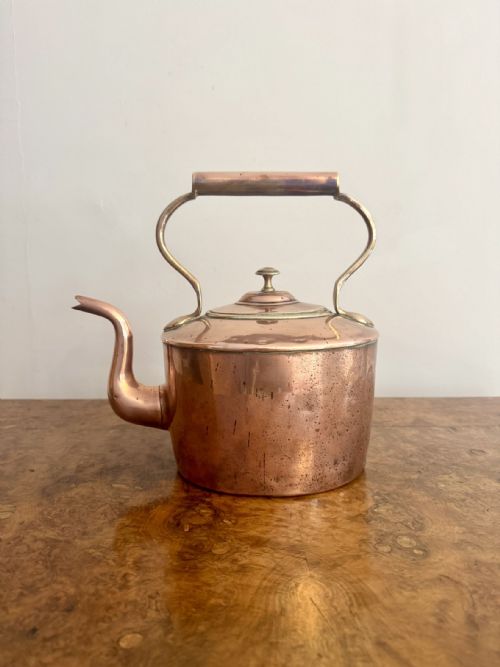


George III Copper Cookware
George iii copper cookware brings heavy-gauge metal and period handwork into a modern kitchen.
George III Copper Cookware
George iii copper cookware comprises heavy metal vessels produced during the Georgian era, centred around the year 1800. These pieces include kettles, cooking pots, pans and saucepans shaped for practical kitchen use.
Buyers browsing this selection encounter various scales, from small domestic items to large culinary pans. The forms reflect the utilitarian requirements of period kitchens before modern manufacturing took over.
How george iii copper cookware was made
Maker construction relied primarily on heavy sheet copper combined with brass, iron, wrought iron, wood and tin. Metals were beaten and joined to withstand intense hearth heat.
Interiors typically received a protective lining of tin, while handles incorporated wood or iron for grip and durability during heavy lifting.
Current site listings unite six distinct materials across this selection: copper, brass, iron, wrought iron, wood and tin.
What varies in quality
Quality differences emerge in the thickness of the copper sheet and the integrity of the period hammering. Heavier metal and clean lines distinguish superior utilitarian forms from standard domestic vessels.
Maker marks or stamps, such as Liptons, elevate a piece by providing a traceable origin among otherwise unmarked kitchenalia.
The George III Copper Cookware Glossary
- Copper
- A reddish-brown metallic element valued in the Georgian period for its high thermal conductivity. It forms the primary body of these pots and kettles.
- Tin lining
- A protective coating applied to the interior surface of cooking vessels. This layer prevents copper from reacting with acidic foods.
- Wrought iron
- A tough, malleable iron alloy used for handles and attachments on heavy pans. It resists bending under high heat.
- Georgian
- The historical period spanning the reigns of the four King Georges. It defines the overarching aesthetic and construction era of these items.
George III Copper Cookware: Frequently Asked Questions
Can I cook with george iii copper cookware?
These pieces were built for active hearth cooking in period kitchens. Modern use depends entirely on the condition of the interior tin lining.
Buyers intending to cook need to verify that the protective metal layer remains intact and safe for food preparation.
How do I clean old copper?
Period metal requires gentle cleaning to preserve the natural oxidation and patina accumulated over centuries. Harsh abrasives strip away the surface character.
Standard copper cleaners remove active tarnish while leaving the historical texture undisturbed.
What does a maker stamp mean?
Stamps identify the commercial origin or retailer associated with a specific pan or saucepan. They offer direct evidence of trade distribution.
Marked examples carry particular interest for collectors tracking period metalwork workshops.
How do kettles differ from saucepans?
Kettles serve the specific purpose of heating water for tea and domestic tasks, featuring spouts and arched handles. Saucepans provide open vessels for general stove or hearth cooking.
Each form utilises the same copper and iron materials adapted to different culinary functions.