



Copper Fireplace Guard
A copper fireplace guard brings warmth and hand-wrought texture to a hearth, protecting the room from stray sparks.
Copper Fireplace Guard
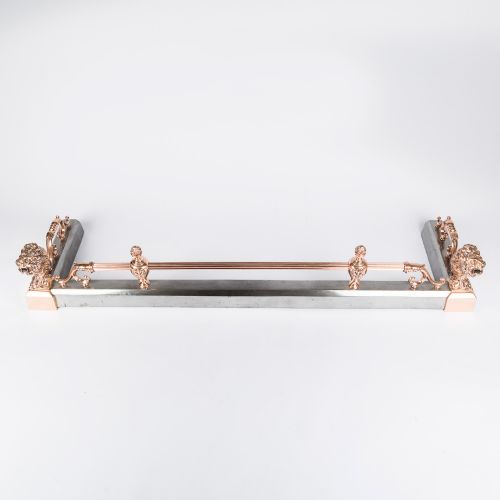
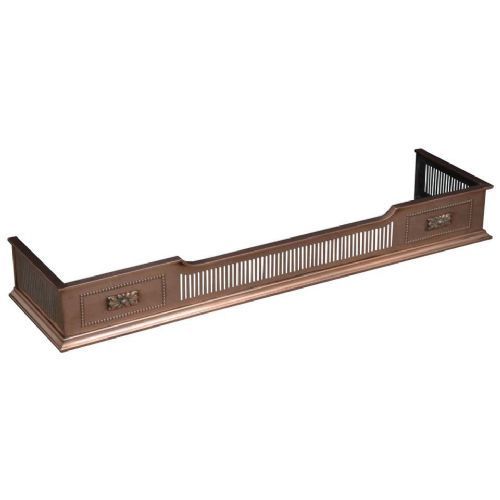
A copper fireplace guard encompasses hearth protection pieces designed to shield rooms from sparks and radiant heat. When searching for a copper fireplace guard, buyers encounter hearth plates, kerbs, fenders, and upright screens originating across the Victorian, Edwardian, and early twentieth-century periods.
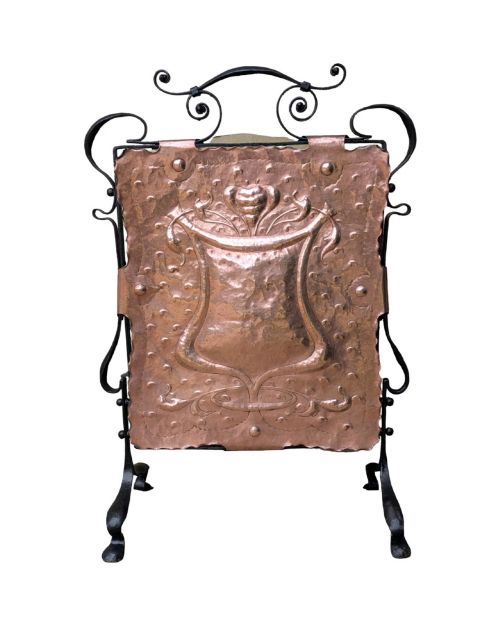
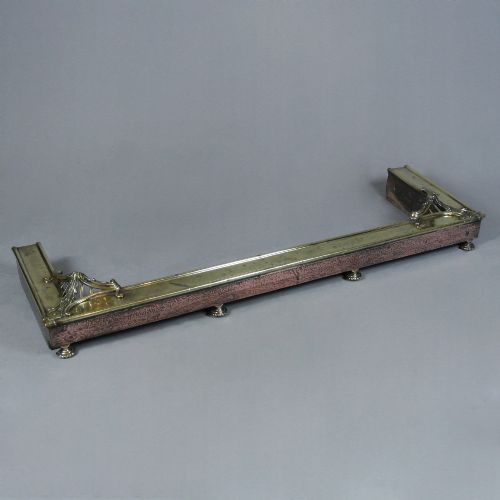
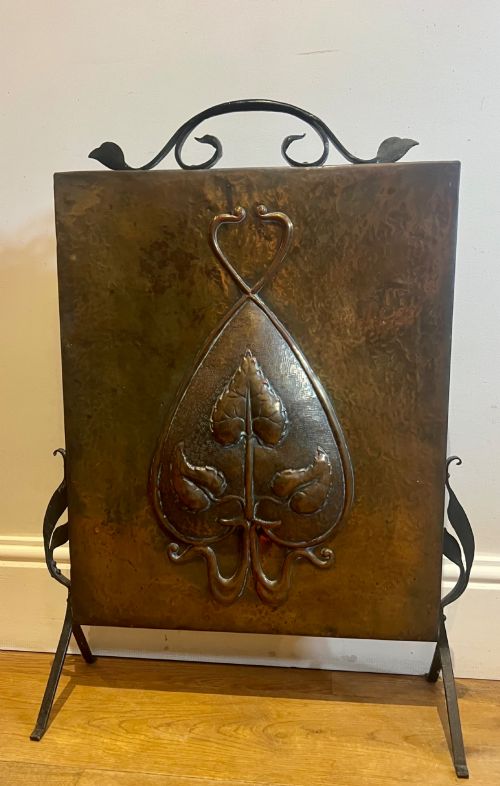
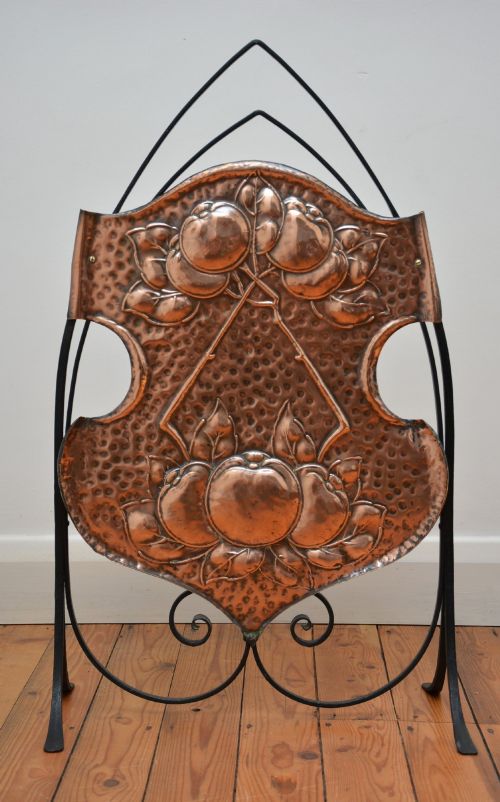
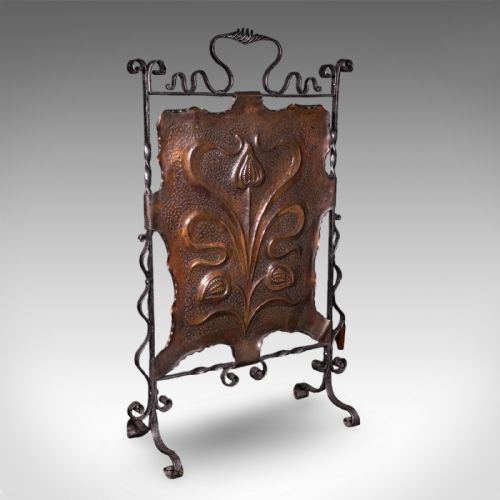
The versions most commonly met on this page span Arts and Crafts, Art Nouveau, and Victorian styles. These pieces combine functional metalwork with decorative panel work, ranging from low hearth surrounds to folding mesh spark guards and framed screens.
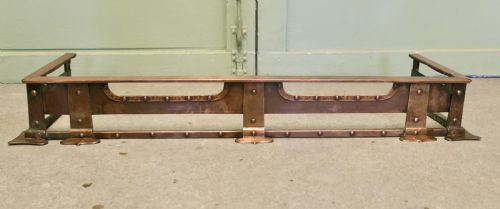
Many examples pair heavy metal frameworks with hammered or riveted sheet metal. Scottish and English workshops produced robust designs featuring floral patera, beaded decoration, and heavy iron supports.
How they were made
Makers shaped sheet copper by hand, frequently employing hammering and riveting techniques to join metal components. Wrought iron and steel frames provided structural integrity for freestanding screens and low hearth kerbs.
Some screens incorporate fine wire mesh alongside solid metal panels to contain embers while maintaining visibility of the fire. Oak frames also appear, holding decorated copper panels within wooden structures.
Copper Fireplace Guard Retail Price Guide 2026
Typical asking prices for copper fireplace guard among the pieces listed under this phrase on Sellingantiques today, from the lower quarter to the upper quarter. They describe what is for sale here now, not the wider market.
Listings feature copper fireplace guards spanning the Victorian, Edwardian, and early twentieth-century periods, alongside Georgian hearth plates.
What varies in quality
The standard of hand-finishing defines the better pieces, particularly in the crispness of hammered surface textures and the neatness of riveted joints. Heavier gauges of sheet metal provide greater durability and rigidity across fenders and hearth plates.
Decorative detailing ranges from simple folded edges to intricate floral patera and distinct Art Nouveau or Arts and Crafts motifs. Superior examples maintain structural soundness in their iron frames and wire mesh panels.
The Copper Fireplace Guard Glossary
- Fender
- A low metal guard placed on the hearth around the opening of a fireplace to contain ash and embers. These frames sit directly on the floor and often incorporate brass or iron elements.
- Fire screen
- An upright panel placed before the fireplace opening when the fire is not burning. They block drafts and conceal the grate.
- Patera
- A circular ornamental bas-relief resembling a classical libation dish. Makers applied these to friezes and fender corners.
- Spark guard
- A protective mesh barrier designed to catch flying embers. Folding versions allow adjustable placement around the hearth opening.
- Club fender
- A low, padded-top hearth surround featuring metal uprights. They provide integrated fireside seating.
Copper Fireplace Guard: Frequently Asked Questions
How do I choose a fire screen?
Selecting a fire screen involves matching the height and width of the piece to the fireplace opening and hearth proportions. Upright screens suit unused grates or rooms requiring visual screening of the hearth.
Consider whether you prefer a solid metal panel to reflect warmth or a fine wire mesh version that permits a clear view of the fire. The surrounding interior style often guides the choice between plain metalwork and decorated Arts and Crafts motifs.
Are club fenders comfortable?
Club fenders feature upholstered top rails designed for fireside seating. They position the user close to the hearth while the metal base contains the fire.
These combination pieces integrate seating directly into the fireplace surround, a common configuration in nineteenth-century domestic interiors. The height of the metal kerb determines the seating level above the hearth.
How do I date a copper guard?
Dating relies on stylistic indicators such as Art Nouveau curves, Arts and Crafts hand-riveting, or Victorian decorative motifs like floral patera. The choice of materials, including wrought iron frames or oak surrounds, also points to specific manufacturing eras.
Periods represented range from Georgian hearth plates through to early twentieth-century folding mesh guards. Examining the construction methods helps determine whether a piece belongs to the nineteenth century or later.