


Copper Fire Curb
These copper fire curb pieces bring warmth and texture to a hearth, combining sturdy metalwork with the distinctive glow of beaten or polished metal.
Copper Fire Curb
When you search for a copper fire curb, you are looking at practical hearth furniture designed to contain embers and frame an open fireplace. The pieces gathered here span the Victorian, Edwardian, 1890, and 1900 periods, representing solid fireplace accessories and fireplace fenders.
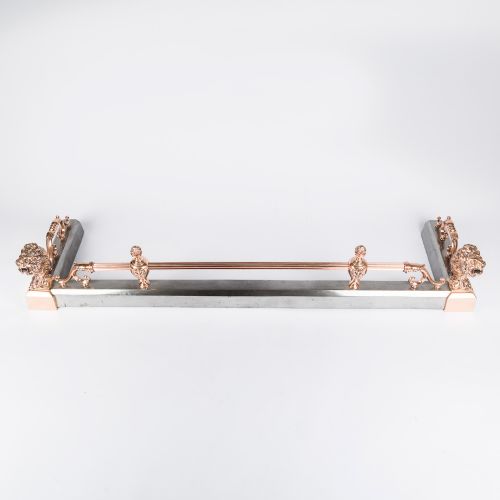
The most common versions you will meet on this page are Arts and Crafts and Art Nouveau designs, often pairing warm copper with brass, iron, or steel. These items function as a protective surround while adding a distinct stylistic anchor to a room's fireplace.
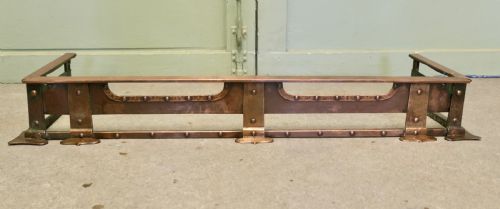
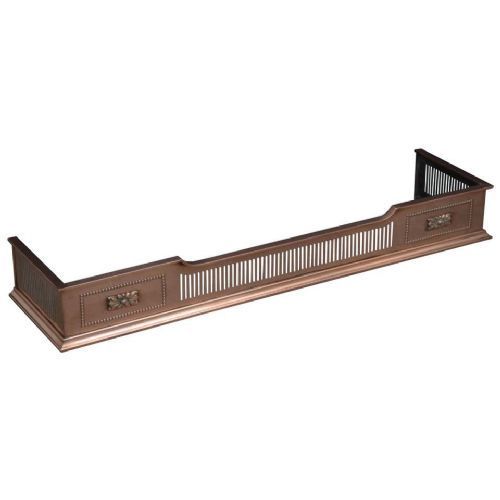
Makers and craftsmen of these eras utilised riveted construction, beaten sheet metal, and cast details such as flower patera or beaded decoration. Scottish and English origins appear among the variations, showing regional preferences in decorative restraint or flourish.
How they were made
The construction relies on combining a robust structural core of iron or steel with a visible outer skin of sheet copper and brass. Makers shaped the metal through hammering, beating, and riveting, creating durable fire surrounds that could withstand daily hearth use.
Decorative elements often include applied brass motifs, such as flower patera, alongside beaded decoration and visible rivets characteristic of the Arts and Crafts movement. Polished surfaces contrast with textured, hand-beaten finishes to catch the firelight.
Some Edwardian metalworkers clearly spent hours hammering rivets by hand just so someone could admire them while warming their toes.
What varies in quality
The distinction between standard and superior pieces rests on the depth of the metalwork and the crispness of the hand-beaten or riveted details. Finer examples display deliberate craftsmanship in their joinery and harmonious pairings of copper with iron, steel, or brass.
Subtlety in decorative restraint also separates the range, where disciplined Art Nouveau curves or clean Arts and Crafts lines elevate an object above simpler mass-produced variants. The integrity of the underlying metal frame ensures structural longevity alongside aesthetic weight.
The Copper Fire Curb Glossary
- Fender
- A low metal guard placed around the hearth to keep burning coals and ash from spilling onto the floor. It forms the primary structure of a fire curb.
- Patera
- A circular ornamental bas-relief resembling a classical libation dish, frequently used as a decorative motif on Victorian and Edwardian metalwork.
- Beaten copper
- Sheet metal shaped by hand hammering, which hardens the material and leaves a textured surface that catches light.
- Arts and Crafts
- A design movement valuing handcraft, traditional materials, and simple forms over industrial uniformity.
- Art Nouveau
- A style characterised by organic, flowing lines and plant-inspired motifs popular around the turn of the twentieth century.
Copper Fire Curb: Frequently Asked Questions
What is a copper fire curb?
A copper fire curb is a hearth accessory designed to sit around the base of an open fireplace, containing embers and protecting the surrounding floor.
These pieces combine functional metal frames with decorative copper sheeting, often incorporating brass or iron elements from the Victorian and Edwardian periods.
How do I date a fire curb?
Dating relies on stylistic clues such as the flowing organic lines of Art Nouveau or the visible rivets and hand-beaten surfaces typical of Arts and Crafts pieces.
Materials also offer hints, as specific combinations of steel, iron, brass, and copper align closely with late nineteenth and early twentieth-century manufacturing practices.
Are these curbs safe for use?
These historical metal pieces were originally built to withstand hearth conditions, using robust iron and steel internal structures.
Buyers typically use them around working fireplaces or as decorative surrounds, depending on the condition and stability of the individual fender.