





Continental Wooden Commode
A continental wooden commode offers deep storage and grand proportions, bringing historic European cabinet-making directly into a room.
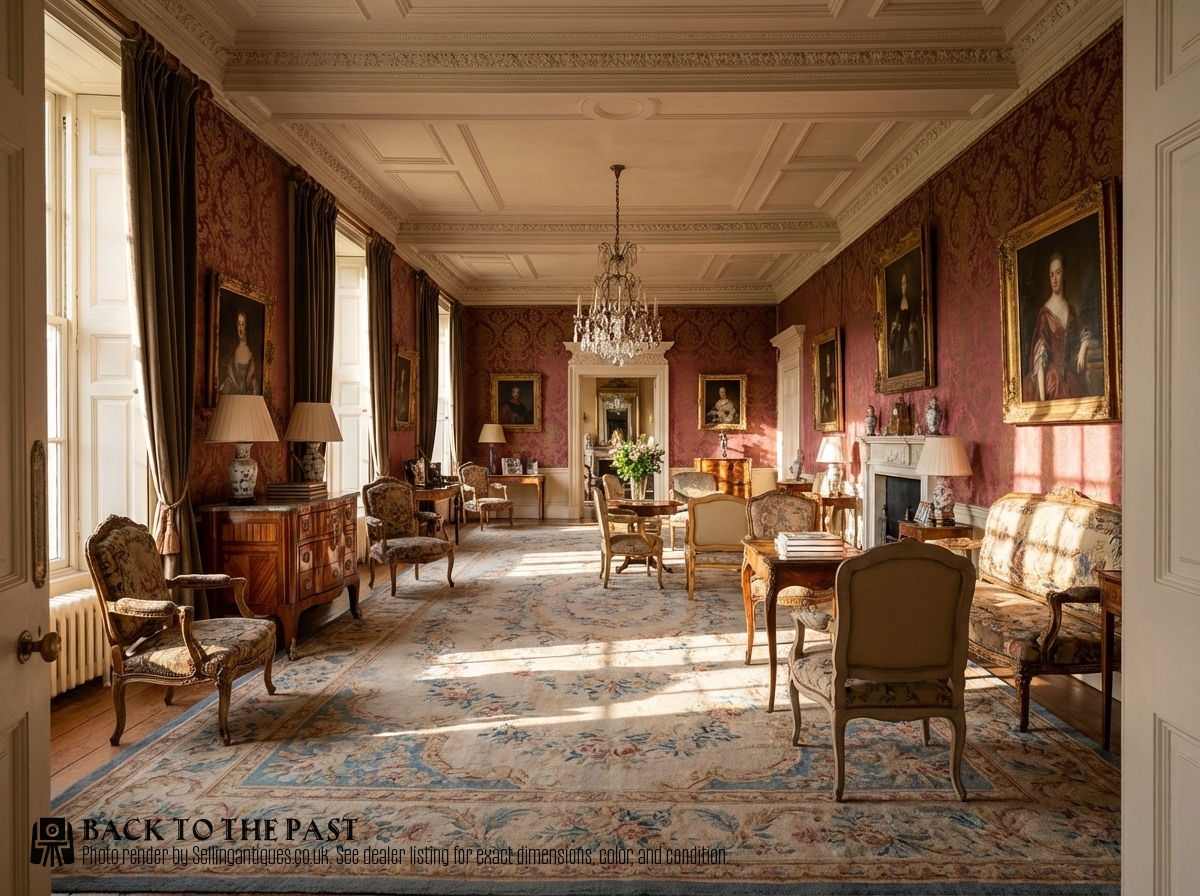
Continental Wooden Commode
A continental wooden commode serves primarily as a robust chest of drawers or storage cabinet originating from various European regions. Buyers exploring this selection encounter pieces stretching from the seventeenth century through to the early twentieth century.
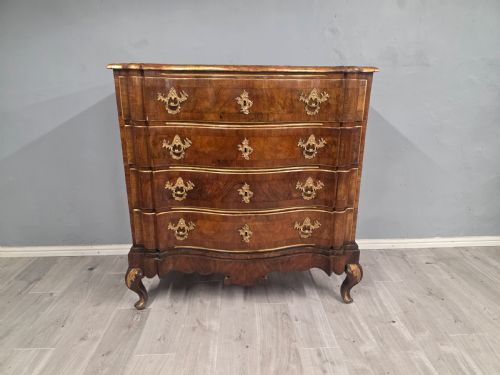
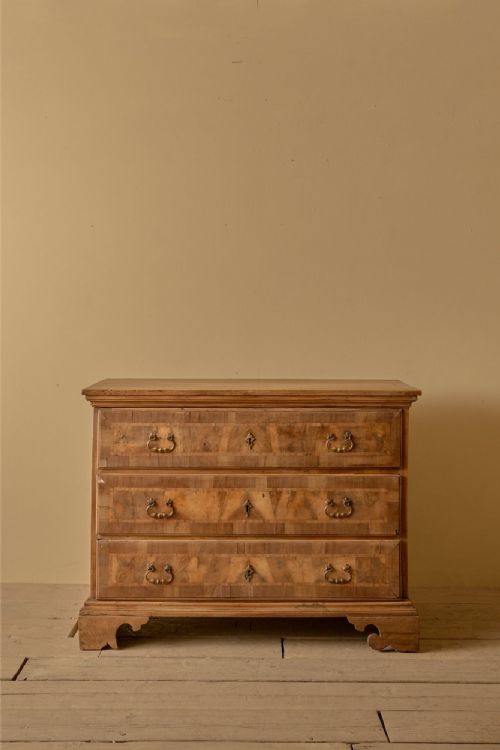
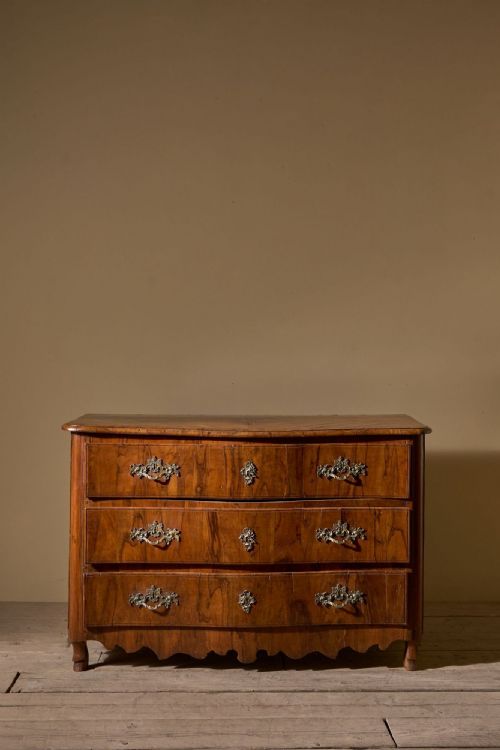
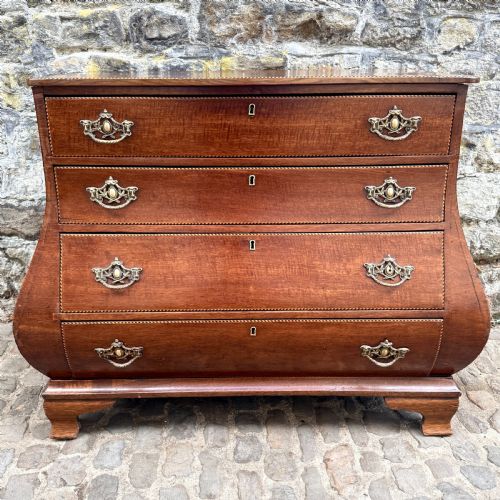
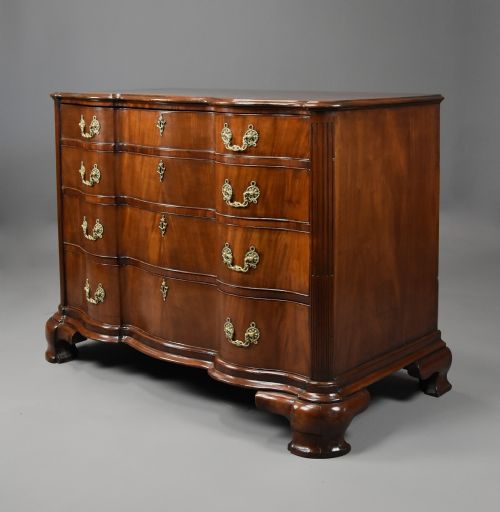
The prevailing forms range from straight-fronted walnut chests to dramatic serpentine and bombe outlines. Italian, Dutch, Austrian, and French regional aesthetics dominate the available inventory.
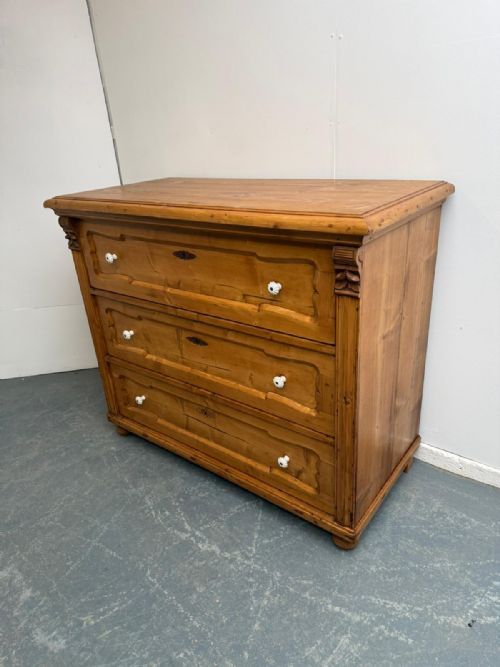
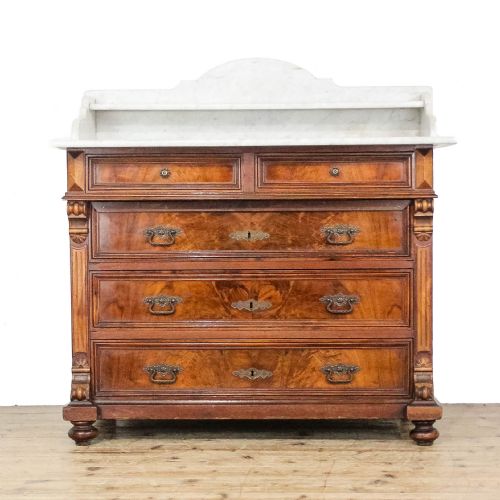
Beyond standard chests, related storage items such as marble-topped washstands and occasional painted pieces appear within the selection. Walnut and pine remain the most common timber foundations across these regional styles.
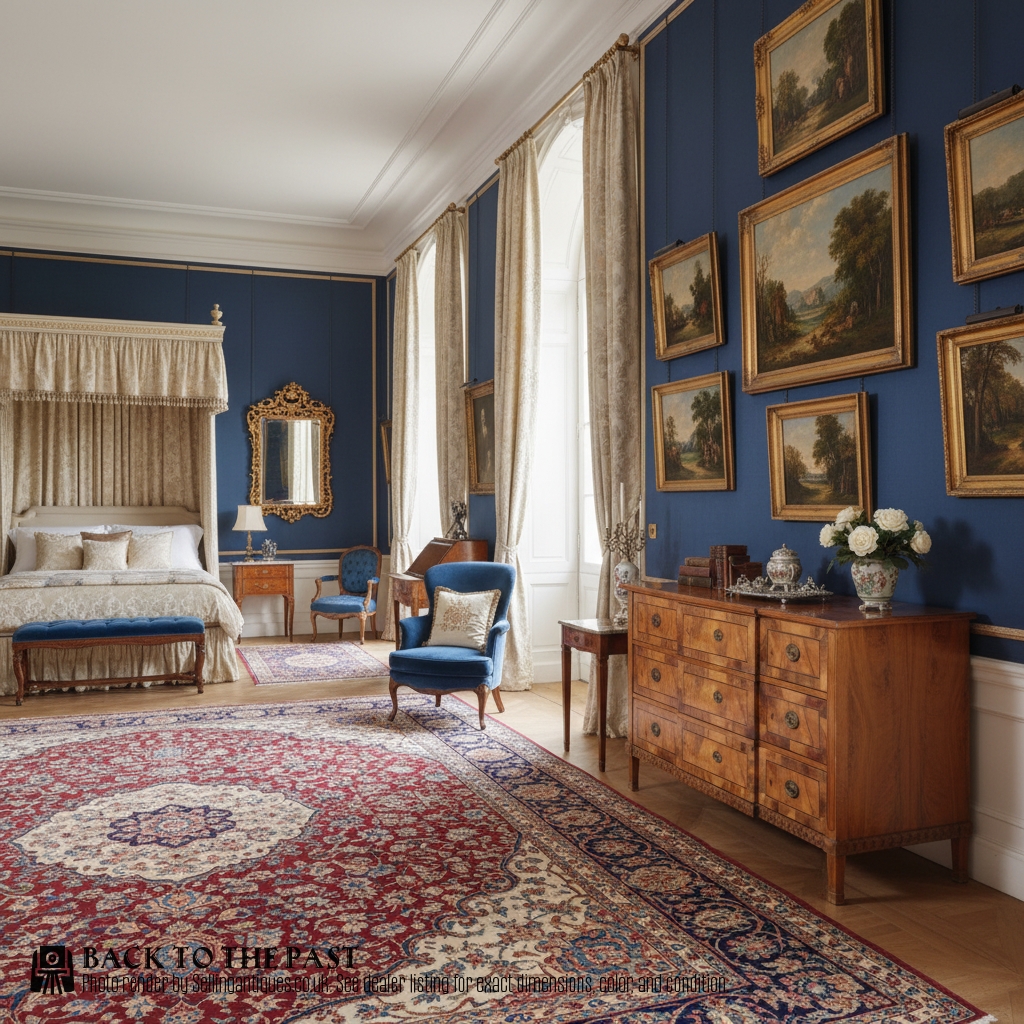
Materials and construction
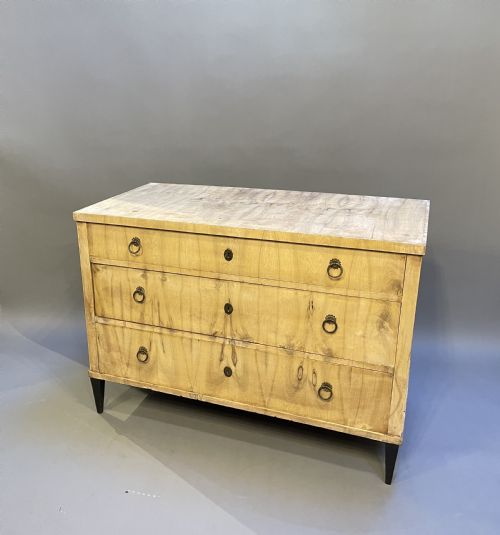
Cabinet-makers relied heavily on solid hardwoods like walnut, oak, and fruitwoods, frequently enhanced by decorative burr veneers and parquetry. Olive wood, satin birch, and elm also provide distinct tonal variations across specific regional pieces.
Many surfaces incorporate heavy polished marble tops, while brass hardware secures drawer fronts and structural joints. Painted finishes and wax coatings appear on various pine and softwood bodies from later periods.
Continental Wooden Commode Retail Price Guide 2026
Typical asking prices for continental wooden commode among the pieces listed under this phrase on Sellingantiques today, from the lower quarter to the upper quarter. They describe what is for sale here now, not the wider market.
Periods represented span from the 17th century through the 18th and 19th centuries into the early 20th century.
Distinctions in quality
The standard of execution depends heavily on the complexity of the cabinetwork, particularly in shaped oxbow, breakfront, and bombe forms. Mastery of veneer selection, such as burr walnut or figured grain matching, elevates an individual piece.
Originality of surface treatment and hardware dictates the integrity of the object. Pieces retaining their period marble slabs, original painted decoration, and integrated brass mounts command greater consideration.
The Continental Wooden Commode Glossary
- Bombe
- A swelling, outward-curving chest profile associated with Baroque and Rococo continental case furniture. This dramatic contour requires advanced joinery to maintain structural stability.
- Serpentine
- A front contour characterised by a convex centre flanked by concave curves. This undulating line frequently appears on eighteenth-century Italian and Portuguese examples.
- Parquetry
- Geometric wood-mosaic work used for surface decoration on tabletops and drawer fronts. Artisans arrange small contrasting timber veneers to create precise repeating patterns.
- Breakfront
- A cabinet facade where the central section projects forward from the flanking outer sections. This architectural arrangement adds visual depth to larger walnut and mahogany case pieces.
- Biedermeier
- A Central European style dating from the early nineteenth century favouring clean lines and blonde veneers. These pieces highlight natural wood grain over excessive ornamentation.
Continental Wooden Commode: Frequently Asked Questions
Where were continental wooden commodes originally made?
Makers constructed these chests across various European regions, with strong representation from Italy, the Netherlands, Austria, France, and Germany. Each area developed distinct regional characteristics in timber choice and outline.
Craftsmen adapted local woods and design traditions, resulting in diverse forms ranging from Dutch burr walnut chests to Austrian breakfront examples.
How do I care for a wooden commode?
Maintain the timber by applying a quality natural wax periodically to nourish the grain and protect historic surfaces. Avoid placing wooden case furniture near direct heat sources or in fluctuating humidity.
Marble tops require simple wiping with a damp cloth and mild soap, avoiding acidic cleaning solutions that can etch the polished stone.
What is the difference between a commode and a standard chest of drawers?
A continental commode typically denotes a decorative low chest of drawers, often featuring shaped fronts, substantial marble surfaces, or elaborate veneer work. Standard chests of drawers generally present simpler rectilinear profiles.
Historically, continental workshops designed commodes to serve prominent roles in formal rooms, combining display surfaces with functional storage.
How can I tell the period of a commode?
Dating relies on examining construction methods, timber types, and stylistic vocabulary such as seventeenth-century baroque curves or nineteenth-century Empire revival motifs. Regional vernacular and hardware attachments provide further chronological clues.
Earlier pieces often display hand-cut dovetails and solid timber carcases, whereas later nineteenth-century examples may incorporate standardised fixings and machine-sawn elements.