



Continental Rustic Table
A continental rustic table brings unpretentious utility and rich regional character into a room.
Continental Rustic Table
A continental rustic table encompasses heavy dining pieces, low tables, and compact bedside or side items originating from various European regions. These pieces serve practical household functions while displaying the robust construction typical of provincial workshops.
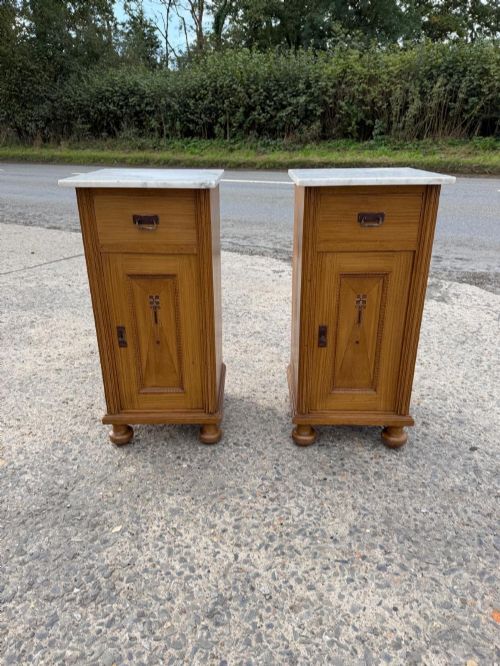
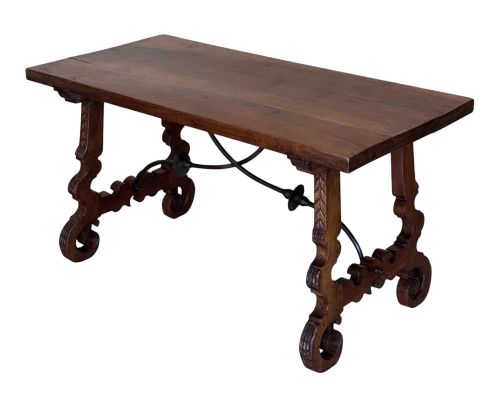
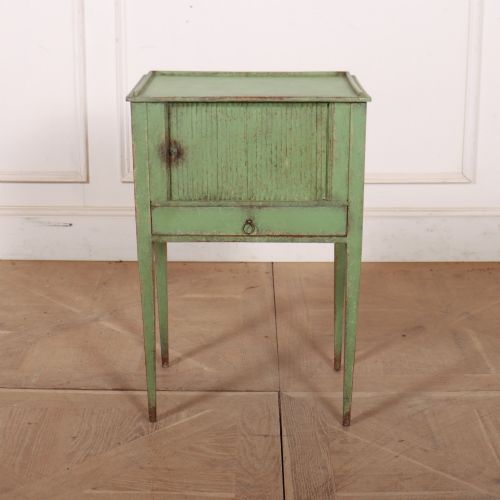
The versions most commonly met on this page span the eighteenth and nineteenth centuries, taking forms such as Spanish walnut dining boards, Dutch painted bedside stands, and low Austrian coffee surfaces. Their designs reflect the everyday domestic needs of country houses and provincial dwellings rather than formal court aesthetics.
Makers fashioned these tables from local timbers including oak, pine, walnut, and fruitwood, often finishing them with simple paint or leaving the grain exposed. Regional variations emerge clearly across the inventory, ranging from Spanish Baroque influences to Alpine country forms.
How they were made
Carpenters built these tables using solid regional timbers such as oak, walnut, pine, and ash, selecting woods that grew locally to the workshop. Structural joints relied on traditional pegged or pinned construction to withstand heavy daily use.
Metalwork played a functional supporting role, incorporating wrought iron braces and brass fittings where extra strength was required. Surfaces were either left as bare timber to weather naturally or finished with painted layers that have aged over the decades.
Continental Rustic Table Retail Price Guide 2026
Typical asking prices for continental rustic table among the pieces listed under this phrase on Sellingantiques today, from the lower quarter to the upper quarter. They describe what is for sale here now, not the wider market.
The inventory includes regional styles spanning Spanish Baroque, Alpine country, and Dutch provincial forms.
What varies in quality
The distinction between ordinary and exceptional pieces rests upon the integrity of the timber and the honesty of the surface patina. Tables fashioned from dense hardwoods like walnut or ash command greater presence than simpler pine or soft timber variants.
Originality of surface finish dictates the visual character, with untouched painted layers or aged timber patination holding superior aesthetic weight over modern refinishing. Proportion and regional stylistic purity further separate standard utility pieces from those with distinctive local craftsmanship.
The Continental Rustic Table Glossary
- Jogltisch Table
- A traditional Central European table type often associated with Alpine or Germanic regional furniture making. These pieces typically feature sturdy wooden construction suited to domestic farmhouse life.
- Spanish Baroque
- A decorative style characterised by bold proportions, sober dignity, and restrained ornamentation. In furniture, it manifests through robust framing and dark walnut timbers.
- Alpine Country
- A design vocabulary originating from mountain regions, prioritising functional durability and locally available soft or hardwoods. These items frequently display straightforward joinery and unpretentious forms.
- Bleached Oak
- Timber that has undergone a lightening process, either through age, exposure, or deliberate treatment. This finish highlights the natural grain while softening the overall tone of the wood.
- Tavern Table
- A compact or long utility table historically used in public drinking houses or communal dining spaces. Their robust legs and thick tops were built to endure heavy commercial service.
Continental Rustic Table: Frequently Asked Questions
What is a continental rustic table?
A continental rustic table is a heavy or utilitarian wooden surface made in European provinces during the eighteenth and nineteenth centuries. These items include dining formats, side units, and low coffee tables.
They reflect local traditions of craftsmanship rather than courtly fashions, utilising timbers native to specific regions like Spain, Austria, and the Netherlands.
How do I identify the period?
Dating these tables relies on observing the joinery methods, timber species, and overall design proportions. Eighteenth-century examples often feature heavier structural timbers and deep patination.
Nineteenth-century variants frequently incorporate lighter woods or specific regional styles such as Biedermeier or provincial painted finishes.
Where were these tables used?
These pieces originated in European farmhouses, provincial townhouses, taverns, and alpine dwellings. They served practical daily roles for dining, food preparation, and bedside storage.
Their sturdy construction meant they stood up to demanding household tasks in communal rooms and private chambers alike.
How do I care for the wood?
Preserving the surface requires keeping the timber away from direct heat sources and sudden humidity changes. Regular dusting with a dry cloth protects the aged patina.
Applying occasional natural wax helps nourish hardwoods like walnut and oak without altering the historic finish.